
Setting up a fish tank can be a rewarding experience, but adding live food preparation takes it to a whole new level. If you want your fish to thrive and show vibrant colors, feeding them the right live food is key.
You might wonder how to prepare live food safely and efficiently without making it complicated. This guide will walk you through everything you need to know to create a healthy environment for your fish while mastering live food preparation. By the end, you’ll feel confident and excited to give your aquatic friends the best care possible.
Keep reading to discover simple tips and tricks that will transform your fish tank setup!

Credit: tanninaquatics.com
Choosing The Right Fish Tank
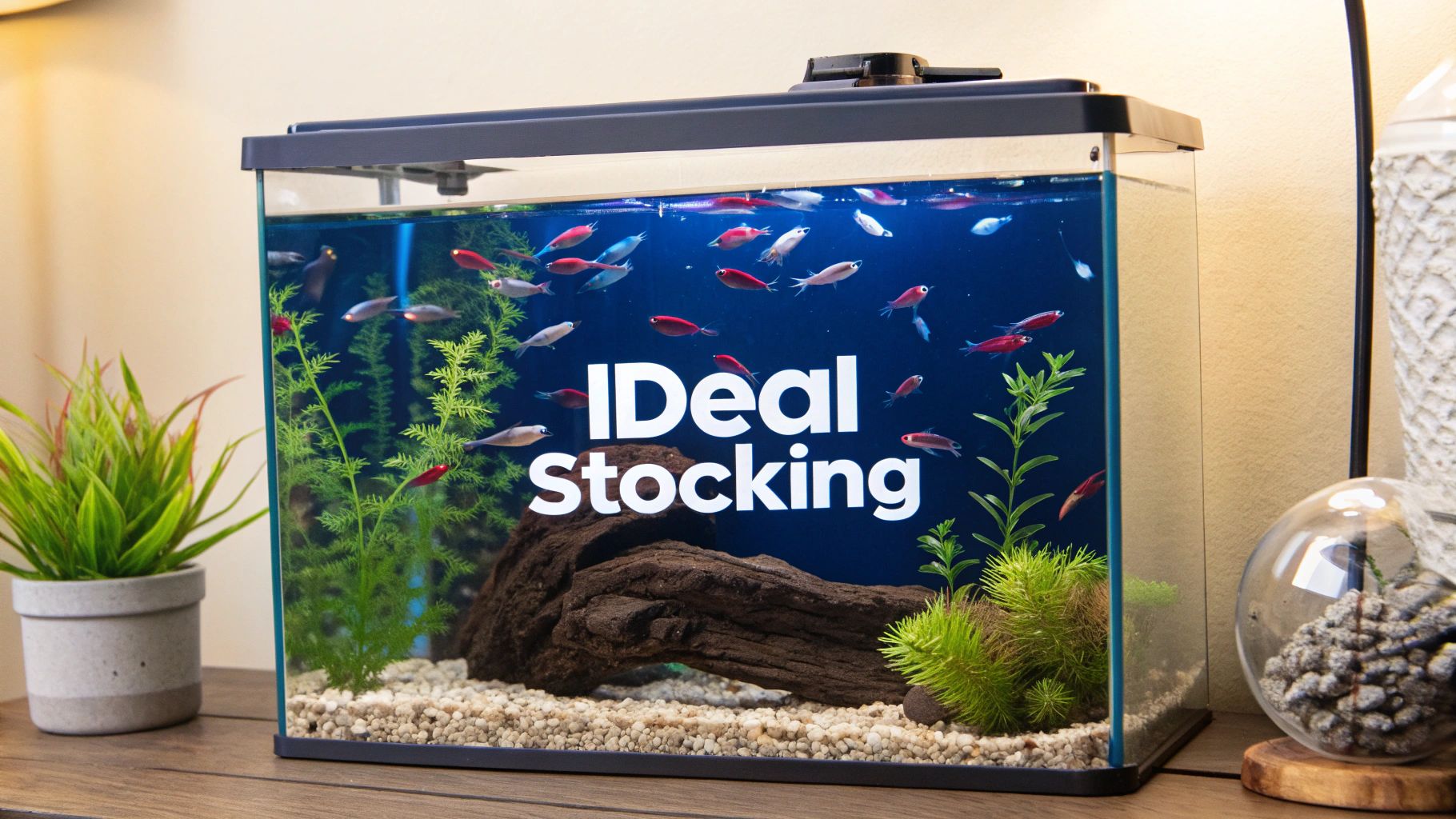
Setting up a fish tank with live food needs the right tank. The tank you pick affects your fish’s health and comfort.
Consider size, material, and where you place the tank. These choices help keep fish and live food safe.
Tank Size And Shape
Choose a tank size based on the number and type of fish. Bigger tanks hold more fish and live food safely.
Shape also matters. Rectangular tanks give more swimming space. Tall tanks suit some fish but limit surface area.
- Small tanks suit one or two small fish
- Large tanks support many fish and live food
- Wide tanks offer more surface area for oxygen
- Avoid very tall tanks for fish that stay near the bottom
Material Options
Fish tanks come in glass or acrylic. Both materials have pros and cons to consider for your setup.
Glass is heavy but scratch-resistant. Acrylic is lighter and clearer but can scratch easily.
- Glass tanks are durable and easy to clean
- Acrylic tanks are lighter and better for large sizes
- Choose based on your budget and tank size needs
Placement Tips
Place your tank where it gets stable temperature and no direct sunlight. This helps keep fish healthy.
Avoid spots near heaters, air conditioners, or busy areas. These can stress fish and affect live food quality.
- Keep the tank away from windows to avoid algae growth
- Place on a strong, level surface to support weight
- Ensure easy access for feeding and cleaning
Credit: clixfueling.com
Essential Equipment For Setup
Setting up a fish tank with live food needs careful planning. You must have the right equipment to keep fish healthy and happy.
This guide covers the essential gear you need. Focus on filtration, lighting, and temperature control for the best results.
Filtration Systems
Filtration keeps water clean by removing waste and toxins. Good filters help fish stay healthy and reduce tank maintenance.
There are three main types: mechanical, biological, and chemical filters. Each type plays a role in keeping water pure.
- Mechanical filterstrap debris and particles.
- Biological filtersuse bacteria to break down harmful waste.
- Chemical filtersremove chemicals and odors.
Lighting Choices
Lighting affects fish behavior and plant growth. Choose lights that mimic natural sunlight for live food and plants.
LED lights are energy-efficient and last long. Use adjustable lights to control brightness and timing for a healthy tank environment.
- Provide 8 to 12 hours of light daily
- Use full-spectrum lights for plant growth
- Avoid strong, direct light to prevent algae
Heating And Temperature Control
Most fish need a stable temperature to stay healthy. Use a reliable heater to keep water warm and steady.
Choose a heater with a thermostat. This device keeps the temperature within the right range for your fish and live food.
- Check fish species for their temperature needs
- Keep water temperature stable day and night
- Use a thermometer to monitor the tank
Selecting Fish For Live Food Diet
Choosing the right fish is important for a live food diet. Some fish eat live food better than others.
Live food can improve fish health and natural behavior. Pick fish that will benefit most from it.
Species That Thrive On Live Food
Many fish species enjoy live food and grow strong with it. These fish usually prefer moving prey.
- Betta fish love live insects and larvae
- Cichlids eat live worms and small crustaceans
- Gouramis accept live brine shrimp and bloodworms
- Angelfish feed well on live daphnia and small worms
- Guppies thrive on live micro worms and baby brine shrimp
Compatibility Considerations
Some fish do not get along well with others when feeding live food. Aggressive fish may eat smaller or slower ones.
Choose fish that share similar feeding habits and sizes. Avoid mixing very aggressive and very passive species.
- Keep fast eaters with other fast eaters
- Separate small fish from large hunters
- Watch for territorial behavior during feeding
- Provide enough hiding spaces to reduce stress
Behavior And Feeding Habits
Fish have different ways of catching and eating live food. Some chase actively, while others wait and ambush.
Observe your fish to understand their habits. Adjust the type and amount of live food to suit their behavior.
- Chasers like danios and tetras need fast-moving food
- Bottom feeders prefer worms and larvae on the tank floor
- Surface feeders eat floating live insects
- Some fish eat live food only occasionally
Preparing Live Food
Live food is a natural diet for many fish species. It helps keep fish healthy and active. Preparing live food correctly is key to a good fish tank setup.
Live food needs care from collection or culture to feeding. This guide covers types, how to grow, and how to store live food.
Types Of Live Food
Many kinds of live food can feed aquarium fish. Each type suits different fish and tank conditions. Choose based on fish size and diet.
- Brine shrimp – small and easy to hatch
- Daphnia – water fleas good for many fish
- Bloodworms – rich in protein
- Microworms – tiny worms for small fry
- Blackworms – larger worms for bigger fish
- Fruit flies – for larger or surface feeding fish
Culturing Techniques
Live food can be grown at home using simple methods. Culturing ensures a steady supply and avoids buying often. Clean containers and fresh water help cultures last longer.
Different live foods need different care. Some grow in water, some on moist surfaces. Feeding the culture helps live food multiply faster.
- Brine shrimp: hatch eggs in salty water with air flow
- Daphnia: keep in fresh water with plants and light
- Microworms: grow on moist bread or oatmeal in a jar
- Fruit flies: breed on banana mash or yeast mix
- Blackworms: culture in tanks with mud and fresh water
Storage And Handling
Proper storage keeps live food fresh and healthy. Avoid overcrowding or dirty water to stop food from dying. Use containers with good air and light.
Handle live food gently to keep them alive until feeding time. Feed only what fish can eat in a few minutes. Remove leftover food to keep tank clean.
- Store live food in cool, aerated water
- Change water daily to reduce waste
- Keep cultures out of direct sunlight
- Use nets or pipettes to transfer food carefully
- Feed fish small amounts to avoid water pollution
Feeding Strategies
Setting up a fish tank with live food preparation requires careful feeding strategies. Live food can boost fish health and energy.
It is important to plan your feeding to ensure your fish get the right amount of nutrients. This helps keep them healthy and active.
Frequency And Portion Control
Feeding fish at the right times is key. Most fish need food once or twice a day.
Control how much you give. Too much food can make the water dirty. It can also cause health problems for fish.
- Feed small portions to avoid waste
- Observe fish behavior to adjust portions
- Keep a consistent feeding schedule
Introducing Live Food Safely
Live food can be nutritious for fish, but introduce it safely. Ensure the food is clean and free from pests.
Gradually add new types of live food. This helps fish adjust without stress. Watch for any negative reactions.
- Rinse live food before feeding
- Introduce one new food type at a time
- Monitor fish for signs of discomfort
Balancing Nutrition
Fish need a balanced diet. Mix live food with other types to cover all nutrients. This promotes growth and health.
Include protein, vitamins, and minerals in their meals. This keeps fish strong and lively.
- Combine live food with pellets or flakes
- Rotate different food types each week
- Check labels for nutritional content
Maintaining Water Quality
Good water quality is key to a healthy fish tank. It keeps fish safe and happy.
Live food can add nutrients but also waste. You must keep water clean and balanced.
Monitoring Parameters
Check water parameters often to keep the tank safe. Use simple test kits for this.
Important values to watch include pH, ammonia, nitrites, and nitrates. These affect fish health.
- pH: Keep it stable, usually between 6.5 and 7.5
- Ammonia: Should be zero, as it is toxic
- Nitrites: Also toxic, keep at zero
- Nitrates: Keep below 20 ppm for safety
Cleaning Routine
Clean the tank regularly to remove dirt and leftover food. This helps water stay clear.
Change 10-20% of the water weekly. Use a siphon to clean gravel and remove waste.
- Remove uneaten live food daily
- Clean tank walls with algae scraper
- Check filters and rinse media gently
- Replace some water with fresh, dechlorinated water
Managing Waste From Live Food
Live food can produce waste that harms water quality. Remove leftovers quickly.
Feed small amounts to reduce waste. Uneaten food breaks down and pollutes water.
- Feed only what fish can eat in a few minutes
- Remove dead or uneaten live food right away
- Use a net or siphon to clear waste regularly
- Monitor fish behavior for signs of overfeeding
Preventing Common Problems
Setting up a fish tank with live food is rewarding but needs care. Many problems arise from simple mistakes. Avoiding these keeps fish healthy and happy.
This guide covers three key areas to prevent issues. Learn how to stop disease, manage feeding, and handle pests in live food.
Disease Prevention
Clean water and healthy food help stop diseases. Quarantine new fish before adding them to your tank. Watch for signs of illness daily.
- Change 10-20% of the water weekly
- Keep tank temperature stable
- Use a good filter and clean it regularly
- Feed live food that is fresh and clean
- Remove sick fish quickly to prevent spread
Dealing With Overfeeding
Overfeeding causes water pollution and fish health problems. Feed small amounts your fish can eat in 3-5 minutes. Remove leftover food from the tank.
| Feeding Tips | Why It Matters |
|---|---|
| Feed 2-3 times daily | Prevents food waste and water dirt |
| Use a small feeding spoon | Controls portion size easily |
| Observe fish eating habits | Adjust food quantity as needed |
| Remove uneaten live food | Stops decay and bacteria growth |
Handling Live Food Pests
Live food can carry pests that harm fish. Inspect and clean live food before feeding. Use trusted sources for live food supplies.
- Rinse live food in clean water.
- Use a fine mesh to separate pests.
- Freeze food for a few hours to kill parasites.
- Grow your own live food in controlled conditions.
- Discard any contaminated live food immediately.
Enhancing Tank Environment
Creating a natural environment in your fish tank keeps your fish healthy and happy. Live food preparation is essential for their growth and well-being.
Enhancing the tank environment involves careful planning and thoughtful design. This will make your tank an ideal home for your aquatic pets.
Aquascaping Ideas
Aquascaping is the art of decorating your fish tank with plants, rocks, and other materials. It creates a beautiful and functional underwater landscape.
Choose themes like a rocky canyon or a lush forest. These designs can mimic the natural habitats of your fish.
- Use different sizes of rocks for depth
- Include driftwood for a rustic look
- Arrange plants to create layers
Using Plants And Decorations
Plants are not just for decoration. They provide oxygen and help keep the water clean. Choose plants that suit your tank size and fish type.
Decorations like caves and tunnels offer hiding spots for fish. They feel safe and less stressed in such environments.
| Plant Type | Benefits |
| Anubias | Low light, easy to maintain |
| Java Fern | Hardy, improves water quality |
| Amazon Sword | Provides cover, fast growing |
Creating Natural Habitats
Natural habitats make fish feel at home. Observe their natural environment and replicate it in your tank.
Use substrates like sand or gravel. They mimic the floors of rivers and lakes. This encourages natural behavior in your fish.
- Sand for bottom-dwelling fish
- Gravel for planted tanks
- Mix substrates for a natural look
Tips For Long-term Success
Setting up a fish tank with live food needs careful care. You must keep the environment healthy for fish to grow well.
Use these tips to keep your fish tank balanced and your fish happy for a long time.
Regular Monitoring
Check your fish tank daily to spot any problems early. Watch water clarity, temperature, and fish behavior closely.
- Test water quality weekly for ammonia and pH levels
- Look for signs of disease or stress in fish
- Remove leftover live food to prevent water pollution
- Keep an eye on filter and aeration systems
Adjusting Feeding Plans
Change how much and what type of live food you feed based on fish size and number. Overfeeding causes water issues.
| Fish Size | Food Type | Feeding Frequency |
|---|---|---|
| Small | Microworms, Daphnia | Twice a day |
| Medium | Bloodworms, Brine Shrimp | Once or twice a day |
| Large | Earthworms, Larger Shrimp | Once a day |
Upgrading Equipment
Improve your tank gear as fish grow. Good tools help keep water clean and food fresh.
- Stronger filter for bigger tanks
- Heater with accurate temperature control
- Automatic feeders for consistent feeding
- Better lighting to support live food growth
Credit: www.sipthestyle.com
Frequently Asked Questions
What Are The Basics Of Setting Up A Fish Tank With Live Food?
Start with a clean tank, proper filtration, and stable water conditions. Add live food cultures like brine shrimp or daphnia. Ensure live food is fresh and free from contaminants. Regularly monitor water parameters for fish health and food quality.
How Do I Prepare Live Food For My Fish Tank?
Culture live food in separate containers with clean water. Feed the cultures with appropriate nutrients to grow them. Harvest live food by straining or siphoning before feeding fish. Rinse live food to remove debris and avoid water contamination.
Which Live Foods Are Best For Freshwater Fish Tanks?
Brine shrimp, daphnia, and blackworms are excellent choices. They provide essential nutrients and stimulate natural feeding behavior. Choose live foods based on fish species and size. Rotate live food types to ensure a balanced diet.
How Often Should I Feed Live Food To My Aquarium Fish?
Feed live food 2-3 times a week for most species. Overfeeding can pollute the tank and harm fish health. Observe fish appetite and adjust feeding frequency accordingly. Supplement live food with flakes or pellets for variety.
Conclusion
Setting up a fish tank with live food brings many benefits. Fresh food helps fish stay healthy and active. Preparing live food is simple and rewarding. It creates a natural environment for your fish. Regular care keeps the tank clean and balanced.
Watch your fish grow and enjoy their vibrant colors. This approach supports a happy and thriving aquarium. Start small and learn as you go. Your fish will thank you with lively behavior and good health. Keep experimenting to find what works best.