
Setting up your fish tank the right way can make all the difference in keeping your aquatic friends healthy and happy. If you want crystal-clear water and a thriving underwater environment, choosing the right filter is key.
That’s where a hybrid filter comes in—combining the best features of different filtration methods to give your tank the ultimate clean. You’ll discover how a fish tank setup with a hybrid filter can transform your aquarium experience. Ready to create a vibrant home for your fish?
Keep reading to learn the simple steps and expert tips that will make your tank shine.

Credit: www.youtube.com
Choosing The Right Fish Tank
Selecting a fish tank is the first step to building a healthy aquarium. The right tank keeps fish safe and happy.
Consider size, materials, and placement carefully. These choices affect your tank’s success.
Selecting Tank Size
Tank size depends on the number and type of fish you want. Bigger tanks provide more stable water conditions.
- Small tanks (5-10 gallons) suit beginners or a few small fish.
- Medium tanks (20-40 gallons) fit a variety of fish and plants.
- Large tanks (50+ gallons) support community fish and complex setups.
Materials And Shapes
Glass and acrylic are common tank materials. Each has pros and cons for durability and clarity.
| Material | Advantages | Disadvantages |
| Glass | Scratch resistant, clear view | Heavier, can break |
| Acrylic | Lightweight, strong | Scratches easily |
Tank shapes include rectangular, bow front, and hexagonal. Rectangular tanks are easiest to set up and clean.
Placement Tips
Choose a stable, level surface for your tank. Avoid direct sunlight to prevent algae growth.
- Keep away from heaters and air conditioners
- Place near power outlets for equipment
- Ensure easy access for maintenance
- Consider viewing angles for enjoyment
Benefits Of Hybrid Filters
Hybrid filters combine different filtration methods for fish tanks. They help keep the water clean and safe for fish.
Using a hybrid filter improves the tank’s environment and supports healthy fish life.
Mechanical Filtration
Mechanical filtration removes solid waste from the water. It traps debris like uneaten food and fish waste.
- Prevents water cloudiness
- Keeps the tank clean
- Reduces harmful particles
- Makes water clearer for fish and plants
Biological Filtration
Biological filtration uses good bacteria to break down harmful chemicals. These bacteria turn ammonia into less harmful substances.
| Filtration Type | Function |
| Ammonia Removal | Good bacteria convert ammonia to nitrite |
| Nitrite Removal | Bacteria convert nitrite to nitrate |
| Nitrate Control | Regular water changes keep nitrate low |
Chemical Filtration
Chemical filtration removes toxins and bad smells from the water. It uses materials like activated carbon to clean the water chemically.
Chemical filtration benefits include:
- Removing harmful chemicals
- Reducing odors
- Improving water clarity
- Helping to keep fish healthy
Types Of Hybrid Filters
Hybrid filters combine different filtration methods to keep fish tanks clean. They help maintain clear water and healthy fish by using mechanical, biological, and sometimes chemical filtration together.
There are several types of hybrid filters. Each has unique features that suit different aquarium setups. Understanding these types helps you pick the right filter for your fish tank.
Canister Filters
Canister filters sit outside the tank and use tubes to draw water in and send it back after cleaning. They have large chambers for many filter media types. This setup gives strong cleaning power and helps keep water clear.
- Mechanical filtration traps debris and particles.
- Biological filtration uses beneficial bacteria to break down waste.
- Chemical filtration removes toxins and odors.
Hang-on-back Filters
Hang-on-back filters hang on the tank’s edge. They pull water up and through filter media inside the unit. These filters are easy to install and maintain, making them popular for many hobbyists.
| Filter Type | Advantages | Disadvantages |
| Mechanical | Removes debris well | Needs frequent cleaning |
| Biological | Supports beneficial bacteria | Slower process |
| Chemical | Removes toxins | Filter media must be replaced regularly |
Sponge Filters
Sponge filters use air to pull water through a sponge. The sponge traps debris and holds beneficial bacteria. These filters are gentle and good for small tanks or fry tanks.
- Low cost and easy to clean
- Provides good biological filtration
- Safe for small or delicate fish
Setting Up Your Hybrid Filter
A hybrid filter combines different filtration methods. It keeps your fish tank clean and healthy. Setting it up correctly ensures optimal performance.
Follow these steps to assemble, install, and position your hybrid filter. This guide will help you achieve a perfect setup.
Assembling Components
Gather all the parts needed for your hybrid filter. Check the manual for a list of components. Make sure nothing is missing before you start.
- Unpack all components from the box.
- Identify the intake tube, filter body, and output tube.
- Ensure that all seals and gaskets are in place.
Installing Media
Filter media is crucial for cleaning tank water. Install the correct media in the right order for effective filtration.
| Media Type | Function |
| Mechanical | Removes debris |
| Chemical | Eliminates toxins |
| Biological | Promotes good bacteria |
Positioning In Tank
Correct positioning of the filter ensures even water flow. Place the filter where it can circulate water effectively.
Ensure the intake tube is submerged. Position the output tube to create gentle water movement.
Preparing The Tank Environment
Setting up a fish tank with a hybrid filter needs careful planning. The tank environment should support healthy fish and plants.
Good preparation helps keep water clean and fish safe. It also creates a natural look inside the aquarium.
Adding Substrate And Decorations
Choose a substrate that suits your fish and plants. Sand or gravel works well for most tanks with hybrid filters.
- Rinse the substrate to remove dust.
- Spread it evenly on the tank bottom.
- Add rocks, driftwood, and plants for decoration.
- Leave space for fish to swim freely.
Cycling The Aquarium
Cycling the tank builds good bacteria needed to break down waste. This process makes the water safe for fish.
- Fill the tank with water and turn on the hybrid filter.
- Add a source of ammonia, like fish food or pure ammonia.
- Test water daily to watch ammonia and nitrite levels.
- Wait until ammonia and nitrite drop to zero, and nitrate rises.
- Once stable, add fish gradually to avoid stress.
Testing Water Parameters
Regular water testing keeps fish healthy. Check key parameters to keep the tank balanced.
| Parameter | Ideal Range | Why It Matters |
| pH | 6.5 – 7.5 | Keeps fish comfortable and plants healthy |
| Ammonia | 0 ppm | Toxic waste, must be zero |
| Nitrite | 0 ppm | Harmful to fish, must be zero |
| Nitrate | < 40 ppm | Less harmful, but keep low |
| Temperature | 72°F – 78°F (22°C – 26°C) | Matches fish species needs |

Credit: www.youtube.com
Maintaining Crystal Clear Water
Clear water is important for a healthy fish tank. It helps fish stay healthy and shows the tank’s beauty.
A hybrid filter is a great way to keep water clean. It combines different filtering methods for the best results.
Regular Cleaning Schedule
Cleaning your tank regularly stops dirt and waste buildup. This keeps the water clear and safe for fish.
Set a weekly schedule to clean the tank glass and remove debris. Check the substrate and plants for dirt.
- Wipe tank walls to remove algae
- Vacuum the gravel to remove waste
- Remove uneaten food and dead plants
- Clean decorations gently to avoid damage
Replacing Filter Media
The hybrid filter uses different media like sponges and carbon. Each media traps different types of dirt.
Change or clean filter media often to keep the filter working well. Old media can clog and reduce cleaning.
- Rinse sponge media in tank water to keep bacteria
- Replace carbon media every 3 to 4 weeks
- Check bio-media for buildup and clean gently
- Follow the filter maker’s instructions for best results
Monitoring Water Quality
Good water quality is key to clear water. Test water often to check levels of ammonia, nitrites, and nitrates.
Keep temperature, pH, and hardness stable. Changes can stress fish and cause cloudy water.
- Use test kits to measure water parameters weekly
- Adjust water changes based on test results
- Keep water temperature steady for your fish type
- Use water conditioners to remove harmful chemicals
Common Issues And Solutions
Setting up a fish tank with a hybrid filter can be tricky. Common problems often arise, but they have simple solutions. Understanding these issues can help keep your fish healthy.
This guide will address common problems like filter clogging, algae control, and water cloudiness. Simple solutions are provided to ensure a clean and vibrant tank.
Filter Clogging
Filter clogging is a frequent issue in fish tanks. It happens when debris and waste block the filter, reducing its efficiency.
To solve this, clean the filter regularly. Check the manufacturer’s guidelines for cleaning frequency. Replace filter media when necessary.
- Check filters weekly for clogs
- Rinse with clean water, not soap
- Replace media every month
Algae Control
Algae growth can make your tank look dirty. It is caused by too much light and nutrients.
Reduce algae by controlling light exposure. Limit feeding to reduce nutrients. Scrape algae off the tank walls.
- Limit light to 8 hours a day
- Feed fish small amounts twice daily
- Use an algae scraper weekly
Water Cloudiness
Cloudy water can occur when there is an imbalance in the tank. It can be caused by overfeeding or a new tank setup.
To clear cloudy water, perform regular water changes. Avoid overfeeding and test water parameters regularly.
- Change 10-15% of water weekly
- Test water for ammonia and nitrites
- Feed only what fish eat in 2 minutes
Tips For Healthy Fish And Plants
Setting up a fish tank with a hybrid filter helps keep the water clean and clear. Healthy fish and plants need good care and the right environment.
This guide shares simple tips to keep your tank thriving with happy fish and green plants.
Feeding Practices
Feed your fish the right amount to avoid overfeeding. Overfeeding can pollute the water and harm fish health.
- Feed small portions once or twice daily
- Use high-quality food suitable for your fish species
- Remove uneaten food after 5 minutes
- Include plant-based foods for herbivorous fish
- Vary the diet to provide balanced nutrition
Lighting And Temperature
Proper lighting and temperature help fish stay active and plants grow well. Too much light can cause algae growth.
| Factor | Recommended Range | Notes |
| Light Duration | 8-10 hours/day | Use a timer for consistency |
| Light Type | Full-spectrum LED | Supports plant photosynthesis |
| Temperature | 72°F – 78°F (22°C – 26°C) | Check species-specific needs |
Choosing Compatible Species
Pick fish and plants that live well together. Some species may fight or need different water conditions.
Compatibility Tips:
- Research species’ temperature and pH needs
- Avoid mixing aggressive fish with peaceful ones
- Choose plants that grow at similar rates
- Keep schooling fish in groups of 5 or more
- Check if fish like to eat plants before adding them
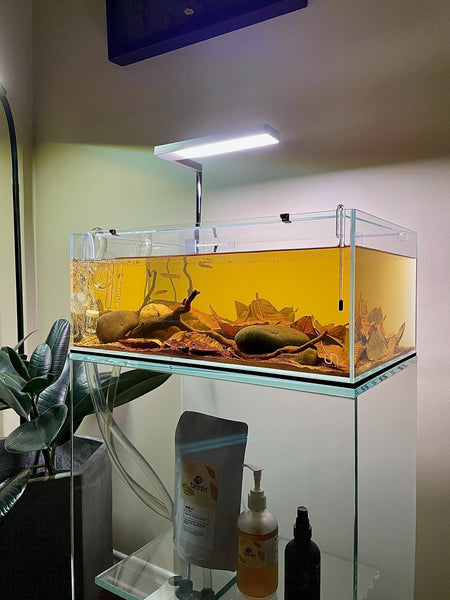
Credit: tanninaquatics.com
Frequently Asked Questions
What Is A Hybrid Filter In Fish Tank Setup?
A hybrid filter combines mechanical, biological, and chemical filtration methods. It ensures cleaner water and healthier fish by efficiently removing debris, toxins, and harmful chemicals.
How To Install A Hybrid Filter In A Fish Tank?
Place the hybrid filter near the tank’s water flow. Connect all components correctly, follow the manufacturer’s instructions, and test water circulation before adding fish.
Why Choose A Hybrid Filter Over Traditional Filters?
Hybrid filters offer superior water clarity and improved fish health. They combine multiple filtration types, enhancing efficiency and reducing maintenance compared to traditional single-method filters.
How Often Should I Clean A Hybrid Filter?
Clean your hybrid filter every 3 to 4 weeks. Regular maintenance prevents clogging, maintains water quality, and ensures optimal filter performance for your fish tank.
Conclusion
Setting up a fish tank with a hybrid filter keeps water clean and fish healthy. This filter combines mechanical and biological cleaning in one system. It helps remove dirt and harmful substances fast. The tank stays clear and fresh for longer.
Fish enjoy better living conditions with less stress. Regular care and cleaning keep the filter working well. This setup suits both beginners and experienced hobbyists. Try it to see how simple and effective aquarium care can be. Enjoy watching your fish thrive in a clean, balanced tank.