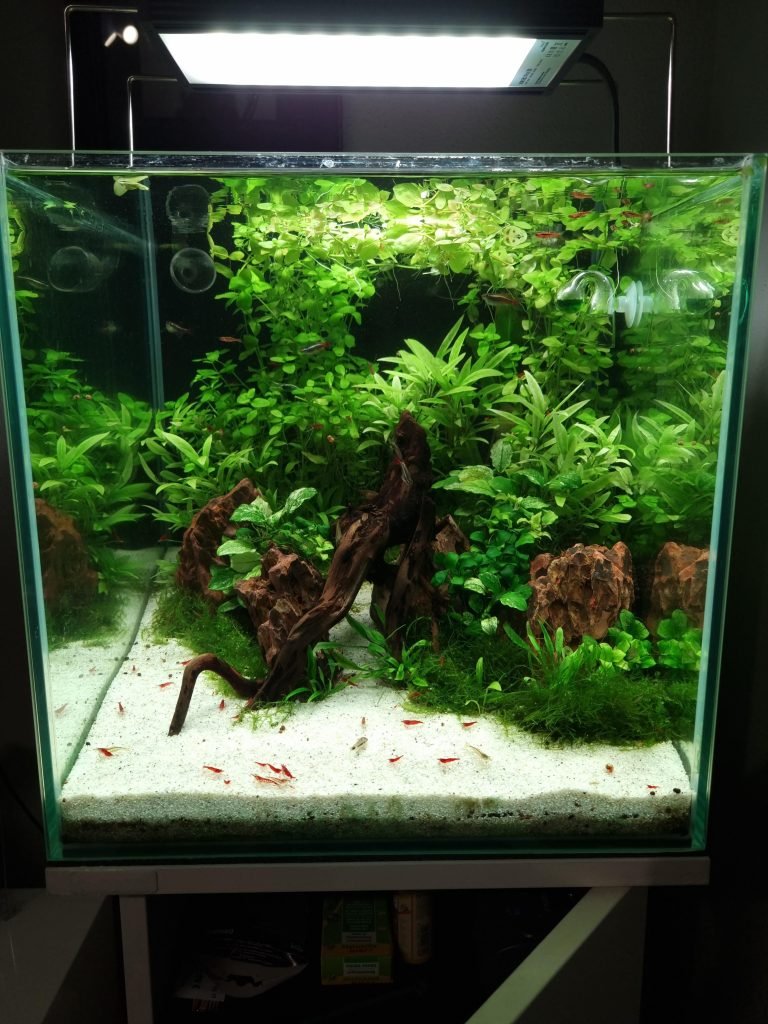
Setting up a fish tank can be exciting, but if your fish are shy, you need to think carefully about their comfort. You want your fish to feel safe and secure, not stressed and hiding all the time.
Creating hiding spots in your tank can make a huge difference in their behavior and health. You’ll discover simple, effective ways to design your fish tank so your shy fish can thrive. Keep reading to learn how to turn your tank into a peaceful home your fish will love.
:strip_icc()/aquarium-with-cichlids-fish-from-lake-malawi-936332656-0ddcdd7df1444600a9598112db12a470.jpg)
Credit: www.thesprucepets.com
Choosing The Right Tank
Setting up a fish tank for shy fish needs careful thought. The tank must offer safety and comfort.
Choosing the right tank is the first step to creating a perfect home for your fish.
Tank Size And Shape
Fish need enough room to swim and hide. The tank size depends on the number and type of fish.
- Choose a tank at least 20 gallons for small groups of shy fish.
- Long tanks provide more swimming space than tall ones.
- Wider tanks allow more hiding spots and decorations.
- Avoid very tall tanks as shy fish prefer horizontal space.
Material Options
Tanks come in glass or acrylic. Both have good and bad points to consider.
| Material | Advantages | Disadvantages |
|---|---|---|
| Glass | Scratch-resistant, clear view, affordable | Heavier, can break if dropped |
| Acrylic | Lightweight, strong, better insulation | Scratches easily, more expensive |
Selecting Substrate And Decorations
Setting up a fish tank with hiding spots helps shy fish feel safe. Choosing the right substrate and decorations is important for their comfort.
Substrate and decorations create places for fish to hide and explore. They also make the tank look natural and healthy.
Types Of Substrate
Substrate is the material that covers the bottom of the tank. It affects water quality and fish behavior. Some substrates are better for shy fish than others.
Gravel is common and easy to clean. Sand feels soft and natural. Some fish like to dig in the substrate, so choose wisely.
- Gravel: Good for plants and easy to vacuum
- Sand: Soft, natural look, good for digging fish
- Plant-specific substrates: Provide nutrients for live plants
- Mixed substrates: Combine benefits of different types
Natural Vs Artificial Decorations
Decorations offer hiding spots and add beauty to the tank. Natural decorations look real and support fish health. Artificial decorations are easy to clean and last longer.
Natural items include rocks, driftwood, and plants. Artificial decorations include plastic plants and caves. Choose safe materials that do not harm fish.
- Natural decorations:
- Provide real hiding places
- Help create a natural environment
- May need more care and cleaning
- Artificial decorations:
- Easy to clean and arrange
- Safe if made for aquariums
- Do not affect water chemistry
Creating Effective Hiding Spots
Shy fish need places to feel safe in a tank. Hiding spots reduce their stress. These spots help fish explore and stay calm.
Good hiding spots mimic natural shelters. They give fish a break from bright light and other fish. Let’s look at ways to add these spots.
Using Plants As Shelter
Live or fake plants create soft hiding places. They offer cover and break lines of sight. Many shy fish feel safer near plants.
Choose tall or bushy plants. Place them in groups for better cover. Floating plants add shade and extra protection.
- Java fern and Anubias grow well in low light
- Hornwort and water wisteria offer dense cover
- Amazon sword plants create tall shelter
- Floating plants like duckweed provide shade
Incorporating Caves And Tunnels
Caves and tunnels give fish a safe retreat. They simulate natural holes in rocks or wood. Fish hide inside to feel secure and rest.
Use aquarium-safe caves or build tunnels from decorations. Make sure entrances are big enough for your fish to enter easily.
- Clay or ceramic caves are safe and easy to clean
- PVC pipes can be hidden with plants or rocks
- Stone tunnels offer natural texture and security
- Arrange caves with multiple exits for quick escape
Adding Driftwood And Rocks
Driftwood and rocks create natural hiding places. Fish like to swim around and behind them. These items add structure and interest to the tank.
Choose smooth driftwood and safe rocks. Stack rocks carefully to avoid collapses. Combine them with plants for layered hiding spots.
- Use driftwood to create shaded areas
- Flat rocks can form caves or ledges
- Arrange small rocks to build tunnels
- Check materials to avoid changing water chemistry

Credit: thangs.com
Lighting And Environment Control
Setting the right light and stable environment helps shy fish feel safe. They hide better and swim more freely.
Good control of light and water keeps the tank healthy and calm. This makes shy fish less stressed.
Adjusting Light Intensity
Shy fish prefer dim light. Bright lights can scare them and make hiding spots less useful.
- Use low-watt bulbs or LED lights with dimmers.
- Place plants or decorations to block direct light.
- Set a timer to mimic natural day and night cycles.
- Choose warm-colored lights to create a soft glow.
Maintaining Stable Water Conditions
Stable water makes shy fish feel secure. Sudden changes can cause stress and hideaway behavior.
| Parameter | Ideal Range | Tip |
| Temperature | 74-78°F (23-26°C) | Use a reliable heater and thermometer |
| pH Level | 6.5-7.5 | Test water weekly and adjust if needed |
| Ammonia/Nitrite | 0 ppm | Use filters and do partial water changes |
| Nitrate | < 20 ppm | Change 10-20% water weekly |
Choosing Compatible Fish
Setting up a fish tank requires choosing fish that get along. Shy fish need peaceful tankmates to thrive.
Understanding fish behavior helps in creating a harmonious environment. Some fish are naturally timid, while others can be aggressive.
Identifying Shy Species
Shy fish often hide and prefer calm tank settings. It’s important to recognize these species to provide a suitable environment.
- Neon Tetras
- Ghost Shrimp
- Kuhli Loaches
Avoiding Aggressive Tankmates
Aggressive fish can stress shy species, affecting their health. Avoid these when setting up a tank for timid fish.
| Fish | Behavior |
| Cichlids | Aggressive |
| Betta Fish | Territorial |
| Barbs | Nippy |
Feeding And Care Tips
Setting up a fish tank with hiding spots helps shy fish feel safe. Proper feeding and care keep them healthy and stress-free.
Understanding their needs ensures they eat well and live longer. Use gentle methods to encourage timid fish during feeding time.
Feeding Strategies For Timid Fish
Shy fish need quiet feeding times and safe spots to eat. Avoid sudden movements or loud noises near the tank.
- Feed small amounts several times a day to avoid leftover food.
- Place food near hiding spots so fish feel secure.
- Use sinking pellets or flakes that float slowly to the bottom.
- Observe fish to see if all are eating enough.
- Remove uneaten food after 5 minutes to keep water clean.
Regular Tank Maintenance
Clean water and a tidy tank help shy fish stay healthy. Regular checks prevent problems and keep the environment stable.
| Maintenance Task | Frequency | Purpose |
| Water Change (20-30%) | Weekly | Removes toxins and refreshes water |
| Gravel Vacuuming | Weekly | Clears debris and leftover food |
| Filter Cleaning | Monthly | Maintains water flow and cleanliness |
| Check Water Parameters | Weekly | Ensures safe pH, ammonia, and nitrate levels |
| Inspect Hiding Spots | Monthly | Ensures shelters are clean and intact |
Encouraging Fish To Use Hiding Spots
Setting up hiding spots in your fish tank helps shy fish feel safe. These spots reduce stress and improve their health.
Encouraging fish to use these places needs patience and the right environment. Watch their behavior to learn what they like.
Observing Behavior
Look closely at how your fish act near hiding spots. Some fish stay hidden a lot, while others explore more.
Note when fish go into hiding and when they come out. This helps you understand their comfort level.
- Watch for signs of stress like darting or hiding too long
- See if fish prefer certain spots over others
- Check if fish avoid areas with too much light or noise
Making Adjustments For Comfort
Change the tank setup based on what you observe. Add more hiding places or move them if fish seem unsure.
Use plants, rocks, or decorations to create cozy spots. Keep these areas quiet and dim to help shy fish relax.
- Place hiding spots near plants or tank corners
- Use materials that look natural and safe
- Keep hiding spots easy to enter but not too open
- Adjust lighting to avoid bright glare on hiding areas

Credit: www.reddit.com
Frequently Asked Questions
What Are The Best Hiding Spots For Shy Fish?
Best hiding spots include caves, plants, and driftwood. These provide shelter and reduce stress for shy fish. Use natural materials to create safe, comfortable spaces within the tank. This promotes fish well-being and encourages natural behavior.
How Does Hiding Space Benefit Shy Fish In Tanks?
Hiding spaces reduce stress and aggression among fish. They provide a secure place, helping shy fish feel safe. This leads to healthier, more active fish. Proper hiding spots improve overall tank harmony and fish survival rates.
Can Tank Decorations Improve Shy Fish Comfort?
Yes, decorations like plants, rocks, and caves offer hiding places. They mimic natural habitats and reduce fish anxiety. Thoughtful decoration creates a peaceful environment for shy species. This supports their mental and physical health.
How To Choose Materials For Fish Tank Hiding Spots?
Choose non-toxic, aquarium-safe materials like natural wood and smooth stones. Avoid sharp or chemically treated items that harm fish. Ensure decorations are easy to clean and fit the tank size. Safe materials promote a healthy habitat.
Conclusion
Creating a fish tank with hiding spots helps shy fish feel safe. These spots reduce stress and encourage natural behavior. Use plants, caves, and decorations to build shelters. Keep the tank clean and water balanced for healthy fish. Watching shy fish explore at their own pace is rewarding.
Small changes make a big difference in your aquarium. Enjoy a peaceful, lively tank with happy, confident fish.