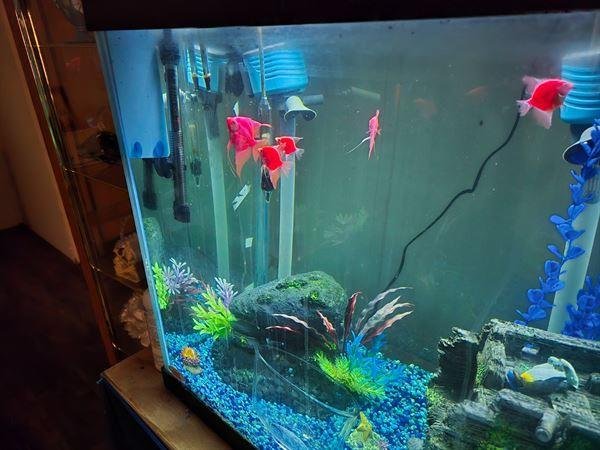
Setting up your fish tank with the right lighting can make all the difference in how your aquatic world looks and feels. If you want your fish to thrive and your tank to shine, fluorescent lighting might be just what you need.
It’s affordable, energy-efficient, and brings out the true colors of your fish and plants. You’ll discover simple steps to set up fluorescent lights perfectly, so your tank becomes a vibrant, healthy home for your underwater friends. Ready to transform your fish tank into a stunning display?
Keep reading—you’ll find everything you need right here.
Choosing Fluorescent Lights
Fluorescent lighting is a popular choice for fish tanks. It helps plants grow and shows fish colors well. Picking the right type of fluorescent light matters for your tank’s health.
This guide explains the main points to think about when choosing fluorescent lights. You will learn about bulb types, light color, and energy use.
Types Of Fluorescent Bulbs
Fluorescent bulbs come in different shapes and sizes. Each type fits certain tank sizes and needs. The main types are:
- T5 Bulbs: Thin and very bright. Good for deep tanks.
- T8 Bulbs: Medium size and common in many tanks.
- T12 Bulbs: Larger and older style. Use less now.
- Compact Fluorescent Lamps (CFL): Small and used in small tanks.
Light Spectrum And Color Temperature
Light spectrum means the range of colors the bulb shows. Color temperature is how warm or cool the light looks. Both affect plant growth and fish health.
| Color Temperature (Kelvin) | Effect |
| 5000K – 6500K | Daylight, good for plant growth |
| 3000K – 4000K | Warm light, shows fish colors well |
| Above 6500K | Cool light, can look bluish |
Choosing the right color temperature depends on your tank setup. Balanced light helps plants and fish stay healthy.
Energy Efficiency And Lifespan
Energy use and how long bulbs last are key factors. Efficient bulbs save electricity and cost less over time.
- T5 bulbs use less power and last longer than T8 and T12.
- Replacing bulbs every 12 to 18 months keeps light strong.
- Check the bulb’s wattage to match your tank size.
- Look for bulbs with long rated lifespans for less frequent changes.

Credit: www.reddit.com
Preparing The Fish Tank
Setting up a fish tank with fluorescent lighting starts with good preparation. A clean and well-chosen tank helps fish stay healthy.
This guide covers how to pick the right tank size, clean and place the tank, and set up filtration and aeration.
Selecting The Right Tank Size
Choose a tank size that fits your space and fish needs. Bigger tanks give fish more room to swim.
Small tanks are harder to keep stable. Larger tanks keep water cleaner for longer times.
- Consider the number and size of your fish
- Use at least 1 gallon of water per inch of fish
- Think about space where you will place the tank
Cleaning And Positioning
Wash the tank with water only before use. Avoid soap or chemicals as they harm fish.
Place the tank in a spot with stable temperature and away from direct sunlight. This helps control algae growth.
- Rinse the tank with warm water
- Choose a flat, strong surface
- Keep the tank away from windows and heaters
Setting Up Filtration And Aeration
Filtration removes waste and keeps the water clean. Aeration adds oxygen that fish need to breathe.
Install a filter that fits your tank size. Add an air pump or air stone to improve oxygen flow.
- Choose a filter rated for your tank size
- Use an air pump for better water circulation
- Place equipment so it does not stress the fish
Installing Fluorescent Lighting
Fluorescent lighting is a good choice for fish tanks. It helps plants grow and makes fish look bright.
Setting up the lights correctly keeps your tank healthy. Follow these tips for a safe and effective setup.
Mounting Fixtures Safely
Mount the fluorescent fixtures where they will not fall into the water. Use strong brackets or hooks made for aquariums.
Keep the fixtures away from moisture to prevent damage. Make sure the mounts hold the light firmly and do not wobble.
- Use waterproof mounting hardware
- Attach fixtures above the tank cover
- Check stability regularly
Positioning For Optimal Light Coverage
Place the fluorescent lights so they shine evenly across the tank. This helps plants and fish get enough light.
Avoid bright spots and dark corners by adjusting the fixture’s angle and height. Keep the light about 6 to 12 inches above the water.
- Center the light over the tank
- Use reflectors to spread light evenly
- Adjust height to reduce glare and heat
Wiring And Electrical Considerations
Use electrical cords with waterproof covers and keep them dry. Place cords where water cannot drip on them.
Connect the lights to a power strip with a switch. Use a ground fault circuit interrupter (GFCI) outlet for safety.
- Keep cords off the floor and away from water
- Use a GFCI outlet to prevent shocks
- Turn off power before working on wiring
Lighting Duration And Scheduling
Proper lighting is vital for a healthy fish tank. Fluorescent lighting is a popular choice. It mimics natural sunlight and enhances the tank’s beauty.
Setting the right lighting schedule helps fish and plants thrive. Consistent lighting affects their growth and behavior.
Recommended Daily Light Hours
Most fish tanks need light for 8 to 12 hours each day. This duration supports both fish and plant life. Too much light can cause algae growth.
Adjust light hours based on the type of fish and plants. Some species need more light, while others do well with less.
Using Timers For Consistency
Timers help keep a consistent lighting schedule. They automatically turn lights on and off at set times. This routine mimics natural day and night cycles.
Timers are useful for busy fish tank owners. They ensure the tank gets the right amount of light daily.
- Set timers for 8 to 12 hours
- Use digital or analog timers
- Check timers regularly to ensure they work
Adjusting Light Based On Aquarium Inhabitants
Different fish and plants need different lighting. Research your tank’s inhabitants to provide the best light conditions. Some fish are sensitive to bright lights.
Plants with higher light needs might require longer lighting periods. Adjust lighting to balance the needs of all tank members.
| Inhabitants | Light Hours |
| Fish-only | 8 hours |
| Fish and plants | 10-12 hours |
| High-light plants | 12 hours |
Enhancing Plant Growth
Setting up a fish tank with fluorescent lighting helps plants grow well. Proper light supports photosynthesis and healthy plant life.
Fluorescent lights offer the right light spectrum for many aquatic plants. They are energy-efficient and easy to use in tanks.
Choosing Plants For Fluorescent Light
Some plants do better under fluorescent light than others. Choose plants that need moderate to low light for best results.
Examples of good plants include Java Fern, Anubias, and Cryptocoryne. These plants grow well and need less intense light.
- Java Fern
- Anubias
- Cryptocoryne
- Amazon Sword
- Water Wisteria
Balancing Light And Nutrients
Plants need the right balance of light and nutrients to grow healthy. Too much light or too few nutrients can harm plants.
Use a good quality substrate and add liquid fertilizers if needed. Keep the light on for about 8 to 10 hours daily.
- Provide 8-10 hours of fluorescent light daily
- Use nutrient-rich substrate
- Add liquid fertilizers carefully
- Monitor plant growth regularly
Preventing Algae Overgrowth
Algae can grow fast if light and nutrients are not balanced. It can cover plants and harm the tank’s look.
Limit light hours and avoid overfeeding fish. Clean the tank regularly to keep algae under control.
- Keep light on 8-10 hours maximum
- Do not overfeed fish
- Perform regular water changes
- Remove algae manually when needed

Credit: www.amazon.com
Maintaining Vibrant Fish Colors
Fluorescent lighting can help keep your fish bright and colorful. Proper light helps fish show their best colors and stay healthy.
This guide explains how lighting affects fish, which fish work well with fluorescent lights, and how to reduce stress in your tank.
Impact Of Lighting On Fish Health
Fluorescent lights give a good balance of brightness and color spectrum. This helps fish keep their natural colors and supports their health.
- Proper light intensity helps fish see their environment clearly.
- Correct light spectrum supports fish metabolism and color display.
- Too much light can cause stress and fading of colors.
- Too little light may lead to dull colors and weak health.
Selecting Fish Compatible With Fluorescent Light
Some fish show colors better under fluorescent lights. Choose fish that naturally thrive in moderate lighting.
| Fish Type | Color Traits | Lighting Needs |
| Neon Tetras | Bright blue and red | Low to medium |
| Guppies | Varied bright colors | Medium |
| Betta Fish | Rich reds and blues | Medium |
| Angelfish | Soft stripes and patterns | Medium |
Tips For Reducing Stress
Stress makes fish lose color quickly. Use these tips to keep fish calm and colorful.
- Keep light on a timer with 8 to 10 hours of light per day.
- Avoid sudden changes in lighting brightness.
- Provide hiding spots like plants and decorations.
- Maintain stable water temperature and quality.
Troubleshooting Common Issues
Setting up a fish tank with fluorescent lighting can sometimes cause problems. Knowing how to fix common issues helps keep your tank healthy.
This guide covers flickering lights, temperature changes, and bulb replacement tips for your fish tank.
Dealing With Flickering Lights
Flickering lights can stress fish and harm plants. It usually means a problem with the bulb or fixture.
- Check if the bulb is loose in its socket and tighten it gently.
- Look for dirt or moisture in the fixture and clean it carefully.
- Inspect the ballast for signs of damage or wear.
- Replace old bulbs that flicker often to avoid sudden failures.
- Make sure the power supply is stable and cables are not damaged.
Managing Temperature Fluctuations
Fluorescent lights can cause your tank’s temperature to rise or fall. Sudden changes stress fish and plants.
| Cause | Effect | Solution |
| Light too close to water | Water heats up fast | Raise light fixture |
| Room temperature changes | Tank temperature drops or rises | Use a heater or chiller |
| Lights on too long | Water temperature rises | Limit lighting hours to 8-10 per day |
| Poor water circulation | Uneven temperature | Install a water pump or filter |
Replacing Bulbs And Fixtures
Regular replacement keeps your lighting efficient and safe. Use the right bulbs and fixtures for your tank size and type.
- Turn off the power before handling bulbs or fixtures.
- Remove the old bulb carefully to avoid breakage.
- Choose bulbs with the correct wattage and color temperature.
- Install the new bulb securely in the socket.
- Test the light to ensure it works without flickering.
- Replace fixtures if they show signs of rust or damage.

Credit: www.aqqapet.com
Frequently Asked Questions
What Are The Benefits Of Fluorescent Lighting For Fish Tanks?
Fluorescent lighting is energy-efficient and produces low heat, ideal for fish tanks. It promotes healthy plant growth and enhances fish colors, creating a vibrant aquarium environment.
How Do I Set Up Fluorescent Lights In A Fish Tank?
Install fluorescent lights above the tank using a fixture. Ensure lights are evenly spaced and positioned to cover the entire tank surface for optimal illumination.
Can Fluorescent Lighting Affect Fish Health?
Yes, proper fluorescent lighting supports fish health by simulating natural daylight. Avoid excessive light duration to prevent stress and algae overgrowth in the aquarium.
What Type Of Fluorescent Bulbs Work Best For Aquariums?
Full-spectrum fluorescent bulbs are best as they mimic natural sunlight. Choose bulbs with a color temperature between 5000K to 7000K for balanced light.
Conclusion
Setting up a fish tank with fluorescent lighting helps fish stay healthy. This type of light supports plant growth and shows fish colors well. Keep the light on for about 8 to 10 hours daily. Avoid too much light to stop algae from growing fast.
Choose the right bulbs for your tank size and fish type. Regularly check and clean the light fixture. A well-lit tank makes your fish happy and your aquarium beautiful. Simple steps lead to a successful, bright fish tank setup.