
Setting up a fish tank can be exciting, but adding driftwood takes your aquarium to the next level. Driftwood not only looks natural and beautiful, but it also creates a healthy environment for your fish.
If you want your tank to feel like a peaceful underwater world, this guide will show you how to use driftwood the right way. You’ll learn simple steps to make your tank stunning and safe for your aquatic friends. Keep reading to discover how to transform your fish tank with driftwood and make it truly special.
Choosing The Right Driftwood
Driftwood adds beauty and natural feel to a fish tank. It also helps fish hide and feel safe.
Choosing the right driftwood is important for your aquarium’s health and look.
Types Of Driftwood For Aquariums
Not all driftwood is good for fish tanks. Some types float, while others sink well.
- Manzanita: Hard wood, sinks slowly, looks natural.
- Mopani: Dense and heavy, sinks fast, has two tones.
- Malaysian: Light colored, good for small tanks.
- Cholla: Hollow and lightweight, great for small fish hiding.
- Bogwood: Common and affordable, dark color, sinks well.
Preparing Driftwood For Tank Use
Driftwood needs cleaning and soaking before adding to your tank.
- Rinse the driftwood with water to remove dirt.
- Soak the wood in water for days to weeks to stop floating.
- Boil the wood if possible to kill germs and soften it.
- Change the soaking water often to remove tannins.
Safety Considerations
Some driftwood can release harmful substances or change water quality.
| Safety Tip | Reason |
| Choose natural, untreated wood | No chemicals to harm fish |
| Avoid soft woods like pine | Can release sap and toxins |
| Remove loose bark | Prevents water pollution |
| Check for pests | Prevents pests entering tank |
| Test water after adding wood | Watch for pH changes |
Selecting The Perfect Tank
Setting up a fish tank with driftwood creates a natural look. Choosing the right tank is the first step.
The tank you pick affects the health of your fish and the beauty of your display.
Tank Size And Shape
Choose a tank size that fits your space and fish needs. Bigger tanks are easier to keep stable.
Shape matters too. A rectangular tank offers more surface area for oxygen exchange than tall tanks.
- Small tanks (under 10 gallons) are hard to maintain
- Long tanks provide more swimming space
- Tall tanks limit surface area, affecting oxygen levels
Materials And Durability
Most tanks are made from glass or acrylic. Glass is clear and scratch-resistant.
Acrylic tanks are lighter and less likely to break but scratch easier. Choose based on your needs.
- Glass tanks are heavy but sturdy
- Acrylic tanks are lightweight and flexible
- Check for high-quality seals to prevent leaks
Placement Tips
Place your tank in a quiet area away from direct sunlight. Sunlight can cause algae growth.
Keep the tank on a strong, level surface that can hold its weight when full.
- Avoid placing near windows or heaters
- Use a sturdy stand or table
- Leave space around the tank for easy cleaning
Creating A Natural Aquascape
Setting up a fish tank with driftwood helps create a natural look. Driftwood adds texture and shape to the underwater scene.
Combining driftwood with plants, rocks, and substrate makes the tank look balanced and healthy. This guide covers key elements for a natural aquascape.
Design Principles
Design your tank to mimic nature. Use uneven shapes and avoid symmetry. Create a focal point with driftwood or rocks.
Leave open spaces for fish to swim. Use layers to add depth and interest. Keep the layout simple and easy to maintain.
Balancing Driftwood With Plants
Plants soften the look of driftwood and add color. Choose plants that attach well to wood, like Anubias and Java fern.
- Attach plants to driftwood with thread or glue.
- Use fast-growing plants to fill empty spaces.
- Choose low-light plants if lighting is limited.
- Trim plants regularly to keep the shape balanced.
Incorporating Rocks And Substrate
Rocks add weight and contrast to the soft driftwood. The substrate supports plants and helps keep the tank clean.
| Element | Purpose | Tips |
| Rocks | Structure and contrast | Use smooth stones to avoid sharp edges |
| Substrate | Plant support and filtration | Choose nutrient-rich substrates for plants |
| Driftwood | Natural decoration and shelter | Soak before use to prevent cloudiness |

Credit: www.youtube.com
Plant Choices For Driftwood Tanks
Driftwood adds a natural look to fish tanks. Choosing the right plants helps create a healthy and beautiful environment.
Plants can attach to the driftwood or grow around it. Some plants need more care than others.
Epiphytic Plants For Attachment
Epiphytic plants grow well when attached to driftwood. They do not need soil to grow and get nutrients from the water.
- Anubias: Slow-growing and tough. Attach leaves to wood with thread or glue.
- Java Fern: Easy to grow and does well in low light.
- Bucephalandra: Small and colorful, perfect for detailed wood pieces.
- Mosses: Such as Java Moss, which create a soft, green look.
Foreground And Background Plants
Foreground plants stay low and cover the tank bottom. Background plants grow taller and create depth behind the driftwood.
| Plant Type | Examples | Growth Habit |
| Foreground | Dwarf Hairgrass, Cryptocoryne Parva | Short, carpet-like |
| Background | Amazon Sword, Vallisneria | Tall, leafy |
Low-maintenance Options
Choose plants that need less care for easier tank setup and maintenance.
- Java Moss: Grows fast and needs little light.
- Anubias Nana: Tough and slow-growing.
- Java Fern: Does well in many water conditions.
- Cryptocoryne: Hardy and adapts to low light.
Fish And Invertebrates Selection
Setting up a fish tank with driftwood creates a natural habitat. Selecting the right fish and invertebrates is crucial for a healthy environment.
Driftwood can change water conditions, so choose species that thrive in such settings. Let’s explore which species are best and how to care for them.
Species That Thrive With Driftwood
Some species of fish enjoy the benefits of driftwood. It provides hiding spots and enriches the water.
- Tetras: Enjoy swimming through driftwood branches.
- Corydoras: Love to explore and rest near driftwood.
- Snails: Driftwood offers surfaces to graze on.
- Shrimp: Use driftwood as a shelter and foraging ground.
Behavior And Compatibility
Understanding fish behavior helps in creating a harmonious tank. Driftwood can influence how fish interact.
Fish that are shy or territorial find comfort in driftwood. It reduces stress and promotes natural behavior.
- Peaceful species coexist well with driftwood.
- Territorial fish like cichlids may need more space.
- Driftwood can divide territories, reducing conflicts.
Feeding And Care Tips
Feeding fish in a driftwood tank requires some care. Driftwood affects water pH and nutrients.
Ensure food sinks slowly so bottom dwellers can eat. Monitor water conditions regularly.
- Provide a varied diet to meet nutritional needs.
- Check water pH and hardness weekly.
- Clean driftwood to prevent decay.
Maintenance And Water Quality
Keeping a fish tank requires regular maintenance to ensure healthy water. Driftwood adds beauty but needs care to avoid problems.
Water quality is crucial for fish health. Regular checks help maintain balance and prevent issues.
Cleaning Driftwood And Tank
Driftwood can release tannins, coloring the water. Clean it regularly to maintain clarity.
- Soak driftwood in water before adding it to the tank.
- Brush driftwood weekly to remove algae.
- Remove debris from the tank floor during water changes.
Monitoring Water Parameters
Test water regularly to ensure it is safe for fish. Keep an eye on pH levels, ammonia, and nitrates.
Use a water test kitfor accurate readings.
| Parameter | Ideal Range |
| pH | 6.5 – 7.5 |
| Ammonia | 0 ppm |
| Nitrates | < 20 ppm |
Algae Control Strategies
Algae can quickly overtake a tank if not managed. Light and nutrients are key factors to control.
- Limit tank lighting to 8 hours daily.
- Add algae-eating fish or snails.
- Perform regular water changes to reduce nutrients.
Enhancing Aesthetic Appeal
Setting up a fish tank with driftwood creates a natural and calming environment. Driftwood adds unique shapes and textures that improve the tank’s look.
To boost the visual charm, use lighting, backgrounds, and themed layouts. These elements bring your aquarium to life and highlight the driftwood.
Lighting Techniques
Good lighting shows off driftwood and fish colors well. Use soft lights to create shadows and depth around the wood.
- Use LED lights with adjustable brightness
- Place lights above the tank for natural effects
- Add blue or white lights for a cool tone
- Use spotlights to highlight driftwood shapes
Using Backgrounds And Decorations
Backgrounds create a setting that makes driftwood stand out. Choose simple or nature-themed backgrounds that do not clash with the wood.
| Background Type | Description |
| Black Matte | Enhances driftwood shapes and colors |
| Underwater Scene | Gives a natural river or lake feel |
| Stone Texture | Matches the natural look of driftwood |
| Plain Blue | Simulates open water and calmness |
Decorations like plants and stones add balance. Place plants around driftwood to soften hard edges and create hiding spots for fish.
Seasonal And Themed Layouts
Change the tank’s look by adding seasonal or themed items. This keeps the display fresh and interesting.
- Use small artificial pumpkins or leaves for autumn themes
- Add miniature ornaments for winter holidays
- Bright flowers or shells work well for summer layouts
- Create jungle or forest themes with moss and tall plants
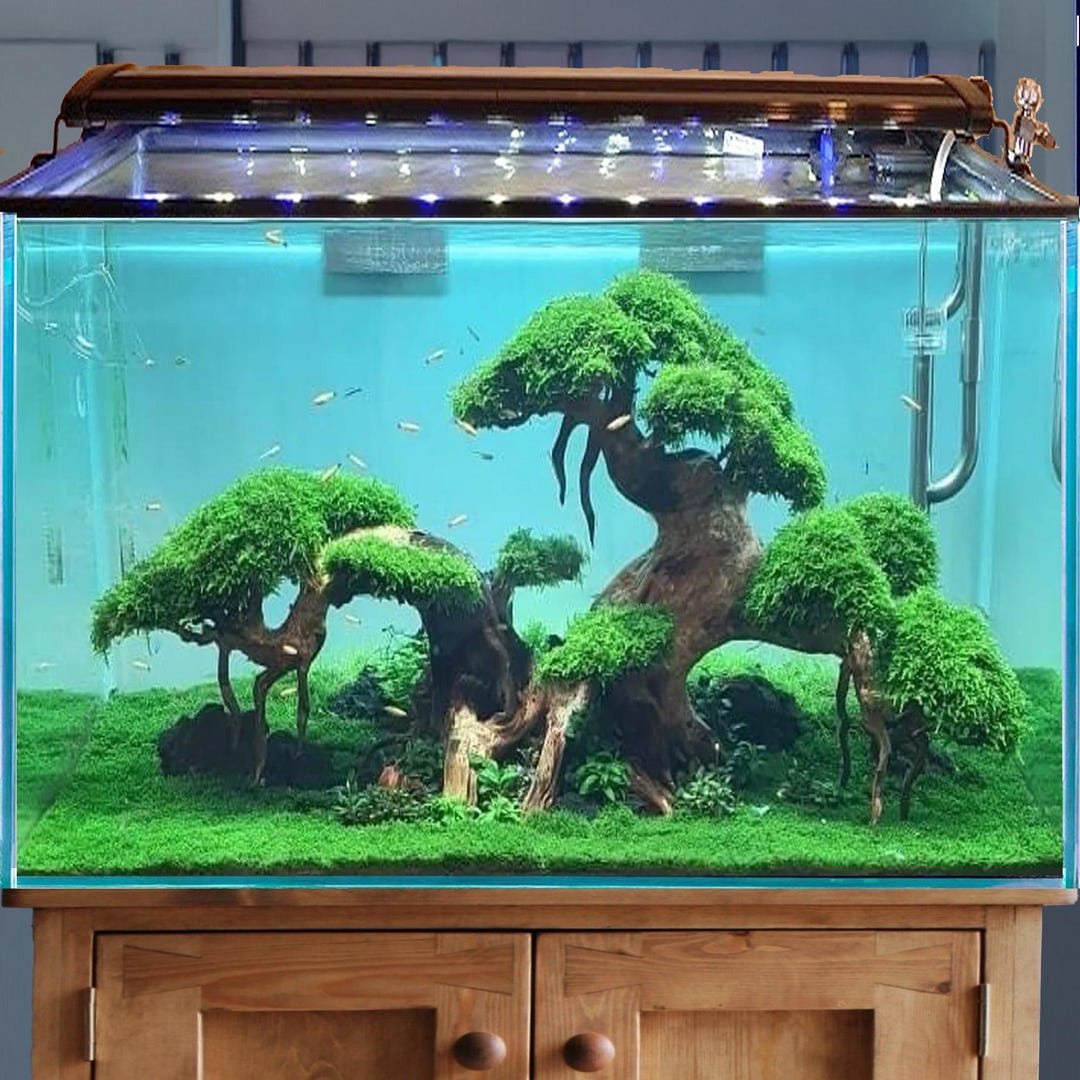
Credit: www.etsy.com

Credit: www.reddit.com
Frequently Asked Questions
What Type Of Driftwood Is Best For Fish Tanks?
Hardwoods like Malaysian, Mopani, and Manzanita driftwood are best. They are safe, durable, and release beneficial tannins for fish health.
How To Prepare Driftwood Before Adding To Fish Tank?
Soak driftwood in water for several days to remove tannins. Scrub it to remove debris and boil if possible for sterilization.
Can Driftwood Affect Fish Tank Water Chemistry?
Yes, driftwood releases tannins that lower pH and soften water. This benefits species that prefer acidic, soft water but needs monitoring.
How To Secure Driftwood In A Fish Tank?
Anchor driftwood with aquarium-safe glue or bury its base in substrate. This prevents floating and creates a stable, natural-looking habitat.
Conclusion
Driftwood adds a natural look to any fish tank. It helps create hiding spots for fish and keeps water healthy. Choose the right driftwood and clean it well before adding it. Arrange it carefully to make the tank attractive and safe.
Regular care will keep your tank looking great and your fish happy. Enjoy the peaceful, natural feel that driftwood brings to your aquarium. Simple steps make a big difference in fish tank setup with driftwood.