
Setting up a fish tank can be exciting, but feeding your fish the right way is just as important. If you’re thinking about using dried food, you might wonder how it fits into your tank setup.
This guide will show you simple steps to create a healthy environment for your fish while making dried food feeding easy and effective. By the end, you’ll feel confident that your fish are happy and thriving. Ready to dive in?
Let’s get started!
Choosing The Right Fish Tank
Selecting the right fish tank is key for a healthy aquatic environment. The tank size and material affect fish comfort and maintenance.
Proper tank placement also helps keep the fish safe and happy. Consider space, light, and accessibility.
Tank Size And Shape
Choose a tank size based on the number and type of fish. Bigger tanks offer more stable water conditions.
Shape affects fish swimming space and tank cleaning. Rectangular tanks are common and practical.
- Small tanks: good for a few small fish
- Medium tanks: suitable for diverse fish species
- Large tanks: best for bigger or many fish
- Shape options: rectangular, square, bow front
Material Options
Fish tanks come in glass and acrylic materials. Both have pros and cons for durability and clarity.
Glass is scratch-resistant but heavy. Acrylic is lighter and clearer but can scratch easily.
- Glass tanks: strong and budget-friendly
- Acrylic tanks: lightweight and impact-resistant
- Check for safety and quality before buying
Placement Tips
Place the tank on a sturdy, level surface away from direct sunlight. Sunlight causes algae growth.
Keep the tank near a power source for filters and lights. Avoid areas with heavy traffic or loud noise.
- Stable surface to prevent tipping
- Avoid direct sunlight and drafts
- Near electrical outlets for equipment
- Easy access for feeding and cleaning

Credit: www.reddit.com
Essential Equipment
Setting up a fish tank with dried food needs the right tools. These tools keep fish healthy and the tank clean.
We will cover key equipment to help you create a good environment for your fish.
Filtration Systems
Filtration helps remove waste and keeps water clear. Choose filters that match your tank size and fish type.
- Mechanical filters trap debris.
- Biological filters help good bacteria grow.
- Chemical filters remove odors and toxins.
Lighting Choices
Lighting affects fish health and plant growth. Use lights that mimic natural daylight and avoid overheating.
| Type | Best For | Notes |
| LED | Energy saving, plants | Long lasting, low heat |
| Fluorescent | General use | Cost effective |
| Incandescent | Low cost | Produces heat, less efficient |
Heaters And Thermometers
Fish need steady water temperatures. Heaters keep water warm. Thermometers help you check the temperature.
- Choose heaters sized for your tank.
- Use digital or glass thermometers.
- Place thermometer away from heater for accurate reading.
Aeration Devices
Aeration adds oxygen to the water. It helps fish breathe and keeps water fresh.
Common aeration devices include:
- Air pumps to move air into the tank
- Airstones that create bubbles for oxygen
- Powerheads that increase water movement
Selecting Suitable Fish
Choosing the right fish is key for a healthy tank with dried food feeding. Some fish adapt well to dried food. Others may need live or frozen options.
Understanding fish needs helps you pick species that thrive and eat dried food happily. This guide covers species, social habits, and behavior.
Species Compatible With Dried Food
Many popular aquarium fish accept dried food like flakes and pellets. These species are easy to feed and care for in a home tank.
- Goldfish
- Guppies
- Tetras
- Danios
- Corydoras catfish
- Platies
Community Vs. Solo Fish
Some fish live well in groups, others prefer solitude. Community fish usually enjoy similar diets, making dried food feeding easier.
Solo fish may need special attention to ensure they eat enough dried food. Their temperament can affect tank setup and feeding routine.
| Type of Fish | Social Behavior | Dried Food Suitability |
| Guppies | Community | High |
| Betta | Solo | Moderate |
| Tetras | Community | High |
| Oscar | Solo | Low |
Fish Behavior And Temperament
Fish behavior affects their feeding habits and tank mates. Calm fish eat slowly and share food well. Aggressive fish may steal food or stress others.
Consider these behavior types:
- Peaceful:Eat calmly, good for community tanks.
- Shy:May need food placed in quiet areas.
- Aggressive:Can dominate feeding times.
- Bottom feeders:Prefer sinking pellets or wafers.
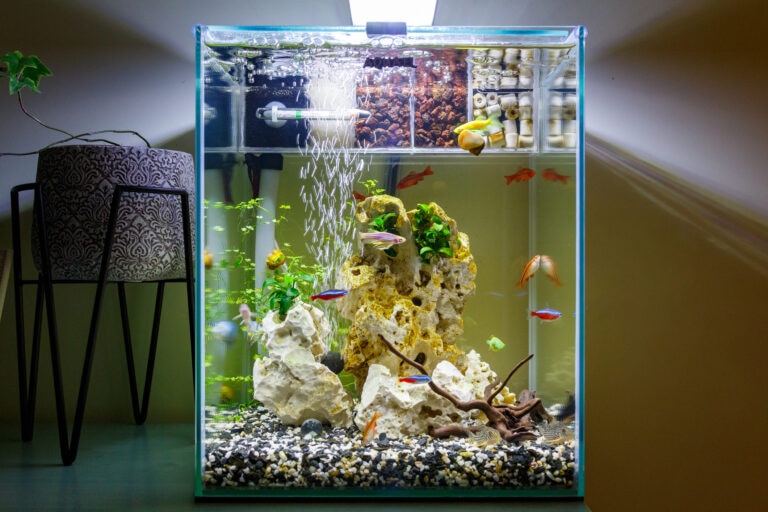
Credit: www.chewy.com
Preparing The Tank Environment
Setting up a fish tank properly is important for healthy fish. A good environment helps fish grow well.
This guide covers key steps in preparing your tank, focusing on substrate, decorations, plants, and water conditions.
Substrate Selection
Choose the right substrate for your fish and plants. It affects water quality and fish comfort.
- Use fine gravel for small fish and bottom dwellers.
- Sand works well for species that like to dig.
- Aquarium soil supports plant growth and root systems.
- Avoid sharp or rough substrates that can hurt fish.
Decorations And Plants
Decorations and plants create hiding places and reduce stress for fish. Live plants also improve water quality.
| Type | Benefits | Notes |
| Plastic Plants | Easy to clean, no decay | May look less natural |
| Live Plants | Oxygenate water, natural look | Needs light and nutrients |
| Rocks and Driftwood | Provide hiding spots | Must be aquarium safe |
| Caves and Ornaments | Additional shelter | Check for sharp edges |
Water Parameters Setup
Keep water conditions stable for fish health. Test and adjust water regularly.
- Check temperature suitable for fish species.
- Maintain pH between 6.5 and 7.5 for most fish.
- Monitor ammonia and nitrite levels; keep them at zero.
- Use water conditioners to remove chlorine.
- Perform partial water changes weekly.
Cycling The Tank
Cycling a fish tank means building good bacteria. These bacteria help keep the water safe for fish.
This process takes a few weeks and prepares the tank for dried food feeding and fish.
Nitrogen Cycle Basics
The nitrogen cycle changes fish waste into less harmful substances. Fish produce ammonia which is toxic.
Good bacteria turn ammonia into nitrites, then into nitrates, which plants use or can be removed by water changes.
- Ammonia is harmful to fish
- Nitrites are also toxic but bacteria reduce them
- Nitrates are less harmful and can be controlled
Monitoring Water Quality
Test water often to check ammonia, nitrite, and nitrate levels. Use aquarium test kits for accuracy.
Keep ammonia and nitrites at zero before adding fish. Nitrates should stay below 20 ppm for a healthy tank.
- Test water 2-3 times a week during cycling
- Record test results to track progress
- Do partial water changes if nitrates get too high
Safe Introduction Of Fish
Only add fish after the nitrogen cycle is complete. This means ammonia and nitrites read zero.
Add fish slowly to let bacteria grow with the new waste. Feed dried food in small amounts to avoid pollution.
- Start with a few fish at a time
- Feed small portions of dried food daily
- Watch fish for stress or illness
- Test water regularly after adding fish
Feeding With Dried Food
Feeding your fish with dried food is convenient and easy. It ensures they get the nutrients they need to stay healthy.
Dried fish food comes in various types and is suitable for different fish species. Learn how to feed your fish properly using dried food.
Types Of Dried Food
There are several types of dried fish food to choose from. Each type caters to different dietary needs of fish.
- Flakes: Ideal for surface feeders.
- Pellets: Suitable for mid-water and bottom feeders.
- Wafers: Best for bottom-dwelling fish.
- Freeze-dried: Retains nutrients and flavor.
Feeding Schedules
Establishing a feeding schedule helps maintain fish health. Regular feeding times are important for their well-being.
Feed your fish once or twice a day. Avoid feeding them at irregular intervals.
Portion Control
Proper portion control is essential when feeding fish. Overfeeding can lead to health issues and water contamination.
Offer only what they can consume in a few minutes. Adjust portions based on fish size and species.
Avoiding Overfeeding
Overfeeding is a common mistake in fish care. It can harm your fish and their environment.
- Remove uneaten food after feeding.
- Monitor fish behavior for signs of overfeeding.
- Keep track of feeding amounts and times.
Maintaining Water Quality
Keeping water clean in your fish tank is crucial. It ensures fish health and longevity. Regular care prevents issues and supports a balanced ecosystem.
Using dried food for feeding requires attention. It can affect water quality if not managed well. Follow these steps to maintain a clean tank environment.
Regular Water Changes
Changing water regularly helps remove toxins. It also keeps the fish tank environment fresh and healthy.
- Replace 10-15% of the water weekly.
- Use a siphon to remove debris from the substrate.
- Ensure replacement water is chlorine-free and at the right temperature.
Testing Water Parameters
Testing water regularly ensures the right balance. Fish need stable pH, nitrate, and ammonia levels to thrive.
| Parameter | Ideal Range |
| pH | 6.5 – 7.5 |
| Nitrate | < 20 ppm |
| Ammonia | 0 ppm |
Managing Waste And Debris
Managing waste helps keep the tank clean. Dried food can leave debris if not consumed quickly. Efficient waste management is key.
- Use a net to remove uneaten food.
- Install a good filtration system.
- Consider adding bottom feeders to eat leftover food.
Common Challenges And Solutions
Setting up a fish tank with dried food feeding can be rewarding. It needs care to keep fish healthy and the tank clean.
This guide covers common problems and how to fix them. You will learn about algae, disease, and fish behavior issues.
Dealing With Algae
Algae grows fast in tanks with light and nutrients. It can cover glass and plants, making the tank look dirty.
- Reduce the tank light to 6-8 hours daily.
- Clean the glass and decorations weekly.
- Use algae-eating fish or snails carefully.
- Do not overfeed; excess food causes algae.
- Change 10-20% of water weekly to lower nutrients.
Preventing Disease
Dried food can sometimes cause health issues if not stored or used properly. Fish can get sick from poor water or infections.
| Challenge | Cause | Solution |
| Cloudy water | Overfeeding | Feed small amounts; remove leftover food |
| White spots | Ich parasite | Use salt treatment or medication |
| Red or swollen fins | Fin rot bacteria | Keep water clean; use antibacterial medicine |
| Lethargy | Poor water quality | Test and change water regularly |
Troubleshooting Fish Behavior
Fish behavior shows their health and tank condition. Dried food can affect their mood and activity.
Common Behavior Problems and Fixes:
- Fish hiding:Check tank size and hiding spots. Reduce stress by keeping a calm environment.
- Aggression:Separate aggressive fish or add plants for cover.
- Refusing food:Try different dried food types or feed live food sometimes.
- Gasping at surface:Improve oxygen by adding an air pump or changing water.
Enhancing Fish Health
Setting up a fish tank with dried food helps keep your fish healthy. Feeding the right diet is important for their growth and energy.
Good care includes paying attention to food, behavior, and signs of stress. This guide covers key areas to help your fish thrive.
Supplements And Treats
Dried food often lacks some nutrients fish need. Adding supplements and occasional treats can fill these gaps. These help improve color, immunity, and digestion.
- Vitamin-enriched pellets support immune health
- Freeze-dried bloodworms add protein and variety
- Algae wafers help herbivorous fish with fiber
- Occasional live brine shrimp boost natural feeding habits
Signs Of Stress
Fish show stress in many ways. Watching for these signs helps prevent illness and death.
| Sign | What It Means |
| Faded color | Possible poor diet or illness |
| Clamped fins | Stress from water quality or tank mates |
| Loss of appetite | Stress or health problems |
| Gasping at surface | Low oxygen or poor water conditions |
Promoting Natural Behavior
Encouraging natural behavior keeps fish active and healthy. A good tank setup and feeding help.
Try these tips:
- Use plants and hiding spots for shelter
- Feed small amounts several times a day
- Choose dried food that mimics their natural diet
- Change tank layout occasionally to stimulate exploration
Credit: www.bettafish.com
Advanced Tips For Success
Setting up a fish tank with dried food feeding requires care and attention. You must keep the tank clean and the fish healthy.
These tips will help you improve your tank’s environment and feeding routine for better results.
Automation And Timers
Using automation tools can make feeding easier and more regular. Timers help feed fish at the right times without you being there.
Automatic feeders release dried food in small amounts. This reduces overfeeding and keeps water clean.
- Set timers to feed fish 2-3 times a day
- Choose feeders that fit your tank size
- Regularly check and refill the feeder
- Test timers to ensure they work properly
Upgrading Equipment
Good equipment keeps your fish healthy and the tank clear. Upgrade filters and lights for better water and plant growth.
Heaters help keep stable temperatures. Use quality air pumps for oxygen levels. These upgrades improve fish comfort.
- Use a filter rated for your tank size
- Install LED lights for energy efficiency
- Choose heaters with accurate thermostats
- Replace old air pumps to maintain oxygen
Expanding Your Aquarium
Adding more space gives fish room to grow. Bigger tanks reduce stress and improve water quality.
Plan your expansion carefully. Move fish safely and increase equipment capacity to match the new size.
- Choose a tank size that fits your space
- Upgrade filters and heaters for larger tanks
- Move fish slowly to avoid shock
- Add plants and hiding spots for comfort
Frequently Asked Questions
What Is The Best Dried Food For Fish Tanks?
The best dried foods include flakes, pellets, and granules. Choose options rich in protein and nutrients. Consider your fish species’ dietary needs for optimal health.
How Often Should I Feed Dried Food To My Fish?
Feed dried food once or twice daily. Avoid overfeeding to prevent water pollution. Small, frequent meals promote better digestion and fish health.
Can Dried Food Replace Live Food Completely?
Dried food can meet most nutritional needs. However, supplementing with live or frozen food adds variety and stimulates natural feeding behavior for fish.
How To Prevent Overfeeding With Dried Fish Food?
Use a measured amount that fish consume within 2-3 minutes. Remove uneaten food promptly to maintain water quality and avoid health issues.
Conclusion
Setting up a fish tank with dried food is simple and effective. It keeps fish healthy and water clean. Choose the right food and feed in small amounts. Regular tank cleaning supports a happy fish home. Watch your fish enjoy their meals and grow strong.
This easy care method suits beginners and experts alike. Keep learning and adjusting for the best results. Enjoy the peaceful beauty of your aquarium every day.