
Setting up a fish tank can be exciting, but creating a peaceful community inside it takes more than just adding water and fish. You want your aquatic friends to live together in harmony, without constant stress or conflict.
Imagine watching your fish swim calmly, each one thriving in a balanced environment you carefully crafted. You’ll discover simple yet powerful tips to build a fish tank setup where every fish feels at home. Ready to turn your aquarium into a vibrant, peaceful community?
Let’s dive in and make it happen!
Choosing Compatible Fish
Setting up a fish tank with different species requires care. Choosing fish that live well together keeps the tank peaceful.
Fish compatibility depends on their behavior, size, and water needs. This guide helps you pick the right fish for a happy community tank.
Community-friendly Species
Some fish are known for their calm and social behavior. These species usually get along well in community tanks.
- Tetras are small, peaceful, and colorful fish.
- Corydoras catfish are bottom dwellers and very gentle.
- Guppies are lively and easy to care for.
- Platies are hardy and mix well with others.
- Danios are active swimmers and non-aggressive.
Avoiding Aggressive Fish
Aggressive fish can harm others and cause stress. Avoid species known for fighting or territorial behavior.
| Fish Species | Common Behavior |
| Betta | Aggressive to same species and others |
| Oscar | Territorial and large, may attack small fish |
| Jack Dempsey | Defends space aggressively |
| Green Terror | Highly aggressive and dominant |
| Convict Cichlid | Territorial, especially when breeding |
Matching Water Parameters
Fish need similar water conditions to thrive together. Check pH, temperature, and hardness before mixing species.
Ideal water parameters for common community fish:
- pH:6.5 – 7.5
- Temperature:72°F – 78°F (22°C – 26°C)
- Hardness:4 – 12 dGH
Credit: clixfueling.com
Tank Size And Layout
Setting up a fish tank for community fish needs careful planning. Tank size and layout affect fish health and happiness.
A well-planned tank keeps fish comfortable and reduces stress. Let’s explore how to choose the right tank size and design the layout.
Selecting The Right Tank Size
Choose a tank size that fits the number and type of fish. Bigger tanks offer more space and stability.
- Small tanks suit a few small fish only
- Medium tanks allow more fish and plants
- Large tanks support diverse communities well
- Check fish adult size before buying
- Provide at least one gallon per inch of fish
Creating Hiding Spots
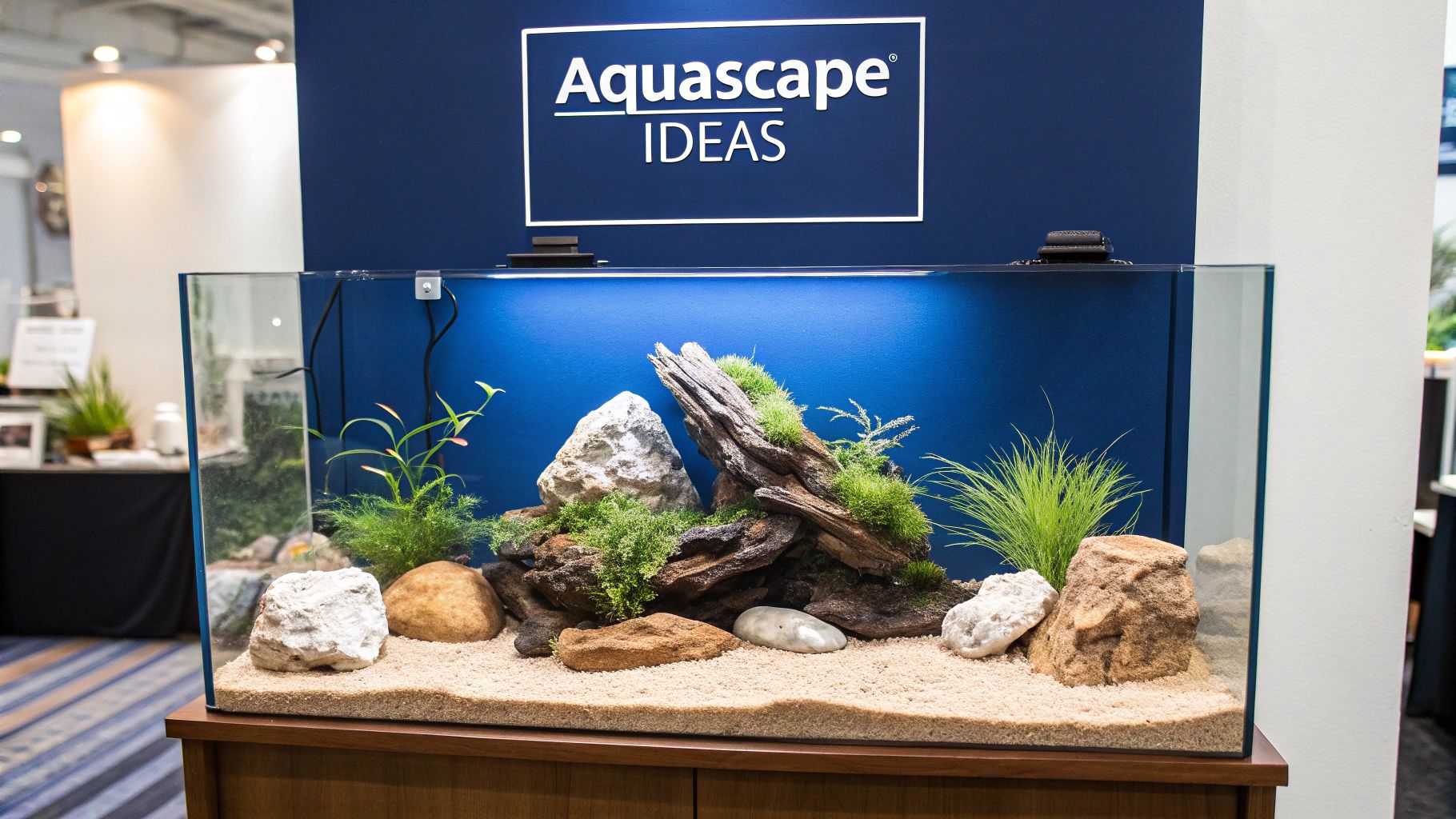
Fish need hiding places to feel safe and reduce stress. Use decorations, plants, and rocks for shelter.
| Type | Description | Examples |
| Plants | Provide cover and oxygen | Java fern, Anubias |
| Rocks | Form caves and crevices | Slate, lava rock |
| Decorations | Add visual interest and shelter | Clay pots, driftwood |
Optimizing Swimming Space
Fish need open areas to swim and exercise. Balance hiding spots with free space for movement.
- Keep the center of the tank mostly open
- Place decorations near edges or corners
- Use tall plants at the back or sides
- Leave room for fish to swim in groups
Water Quality And Filtration
Setting up a fish tank with different fish needs careful water care. Clean water keeps fish healthy and happy.
Good filtration removes waste and keeps water clear. This helps all fish live well together.
Maintaining Clean Water
Change part of the water regularly to keep it fresh. Remove leftover food and waste to stop pollution.
Use a gravel vacuum to clean the tank bottom. Avoid cleaning all parts at once to keep beneficial bacteria safe.
- Change 10-20% of water every week
- Remove uneaten food daily
- Clean tank walls and decorations
- Keep beneficial bacteria by partial cleaning
Choosing The Best Filter
Pick a filter that fits your tank size and fish types. Good filters remove dirt and harmful chemicals from water.
There are three filter types: mechanical, biological, and chemical. Many filters combine these types for better cleaning.
- Mechanical filters:trap debris and particles
- Biological filters:use bacteria to break down waste
- Chemical filters:remove toxins and odors
Regular Water Testing
Test water often to check levels of ammonia, nitrites, and nitrates. These chemicals affect fish health.
Use simple test kits to keep water safe. Adjust care based on test results to avoid problems.
- Test water weekly or after changes
- Keep ammonia and nitrites at zero
- Keep nitrates below 20 ppm
- Check pH to match fish needs
Feeding For Peace
Feeding fish in a community tank is important for keeping peace. Proper feeding helps fish stay healthy and calm.
When fish get the right food at the right time, they are less likely to fight over food.
Balanced Diets For All Fish
Different fish need different foods to stay healthy. A balanced diet means giving a mix of flakes, pellets, and live or frozen food.
Make sure to include foods with proteins, vitamins, and minerals. This keeps all fish strong and colorful.
- Flakes or pellets for daily feeding
- Live or frozen foods like brine shrimp or bloodworms
- Vegetables for herbivorous fish
- Special food for picky eaters
Preventing Food Aggression
Fish may fight if food is scarce or hard to reach. To stop this, spread food in different areas of the tank.
Use slow-sinking pellets or floating flakes to feed fish at different levels. This helps shy fish eat safely.
- Feed small amounts several times a day
- Use feeding rings to keep food in one place
- Avoid overfeeding, which causes fights
- Watch fish behavior and adjust feeding spots
Feeding Schedules
Stick to a regular feeding schedule to keep fish calm and healthy. Most fish do well with two feedings per day.
Feed at the same times so fish learn when to expect food. This reduces stress and food competition.
- Feed in the morning and evening
- Remove uneaten food after 5 minutes
- Adjust feeding amounts based on fish size and number
- Do not feed on fasting days to prevent health problems
Tank Maintenance Tips
Keeping a fish tank clean and healthy is important for fish to live happily together. Good maintenance helps fish stay healthy and reduces problems.
Regular care keeps the water clear and safe. It also helps prevent diseases and keeps algae under control.
Routine Cleaning
Clean the tank water regularly to remove dirt and waste. Change 10-20% of the water every week. Use a gravel vacuum to clean the bottom without disturbing fish.
Clean the tank walls with a soft cloth or algae scraper. Avoid using soap or chemicals that can harm the fish.
Monitoring Fish Behavior
Watch your fish daily for signs of stress or sickness. Healthy fish swim actively and eat well. Look for changes in color or unusual swimming.
If you notice aggression, try rearranging decorations or giving fish more space. Early detection of problems helps keep the community peaceful.
Managing Algae Growth
Algae can make the tank look dirty and harm water quality. Control light by limiting tank exposure to sunlight. Use a timer for aquarium lights.
Add algae-eating fish or snails to help control growth naturally. Remove algae from tank walls and decorations regularly to keep the tank clear.

Credit: www.aqqapet.com
Adding Plants And Decorations
Creating a harmonious fish tank involves adding plants and decorations. These elements make the environment more natural and engaging for fish.
Live plants and safe decorations are key to keeping fish happy. Let’s explore how to use them effectively.
Benefits Of Live Plants
Live plants offer many benefits for a fish tank. They help keep the water clean by absorbing harmful chemicals.
Plants also provide hiding spots for fish. This makes fish feel safe and less stressed.
- Improve water quality
- Provide oxygen for fish
- Create natural hiding spots
Safe Decoration Choices
Choosing the right decorations is important for fish health. Safe materials include natural rocks and untreated wood.
Avoid decorations with sharp edges. These can harm fish or damage fins.
- Use smooth rocks and stones
- Avoid painted items
- Choose decorations with no sharp edges
Enhancing Territory
Decorations help define territories for fish. This reduces stress and aggression among fish.
Fish like to have their own space. Use plants and decorations to create distinct areas in the tank.
| Use rocks to create boundaries | Enhance privacy for shy fish |
| Place plants in corners | Provide shelter for timid fish |
Handling Conflicts
Setting up a fish tank for community harmony can be challenging. Fish may fight due to stress or territory issues. Understanding how to handle conflicts is key to a peaceful aquarium.
Properly managing the tank environment ensures the well-being of all fish. This includes identifying stress signals, separating aggressive fish, and making behavioral adjustments.
Identifying Stress Signals
Stressed fish may display unusual behaviors. Recognizing these signals helps prevent conflicts. Look for changes in color or erratic swimming.
Other stress indicators include hiding for long periods and loss of appetite. Observing these can guide necessary interventions.
- Color fading or darkening
- Rapid gill movement
- Isolation from the group
Separating Aggressive Fish
Aggressive fish can disturb the tank’s harmony. Separating them is sometimes necessary. Use a divider or a separate tank to ensure safety.
Introduce aggressive fish to new companions slowly. This minimizes stress and reduces the chances of conflict.
| Temporary Tank | For short-term separation |
| Tank Divider | To create separate areas |
Behavioral Adjustments
Adjusting fish behaviors fosters community harmony. Provide hiding spaces for shy fish. This reduces stress and promotes peace.
Feeding fish at different locations can help too. It prevents competition and allows each fish access to food.
- Add plants or rocks as shelters
- Feed in separate corners
- Monitor fish interactions regularly

Credit: www.aqqapet.com
Frequently Asked Questions
What Fish Species Create A Peaceful Community Tank?
Peaceful species like tetras, guppies, and Corydoras catfish thrive together. Avoid aggressive fish to maintain harmony. Research compatibility before adding any fish to your tank.
How To Prevent Fish Aggression In Community Tanks?
Provide ample space and hiding spots. Keep fish in appropriate group sizes. Avoid overcrowding and maintain good water quality to reduce stress and aggression.
What Tank Size Suits A Community Fish Setup?
A minimum of 20 gallons is ideal for small community tanks. Larger tanks support more fish and reduce territorial disputes. Always match tank size to fish species’ needs.
How To Maintain Water Quality In Community Aquariums?
Regular water changes and proper filtration are essential. Test water parameters weekly to keep ammonia, nitrites, and nitrates low. Clean the tank regularly to ensure a healthy environment.
Conclusion
Creating a peaceful fish tank takes care and patience. Choose fish that get along well. Keep the water clean and check it often. Plants and decorations help fish feel safe. Watch your fish to see how they behave. Small changes can keep your community happy.
A calm tank brings joy to your home. Enjoy the beauty and peace your fish bring.