
Setting up your fish tank just right can make all the difference for the health and happiness of your aquatic friends. If you’ve ever faced trouble with water temperature swinging too high, a fish tank chiller might be exactly what you need.
Imagine keeping your tank water cool and stable, no matter how hot it gets outside. This simple addition can protect your fish from stress and disease, giving you peace of mind. You’ll discover how to choose and set up a chiller for your fish tank, making your aquarium a thriving, vibrant home.
Ready to learn how to keep your fish cool and comfortable? Let’s dive in!
Choosing The Right Fish Tank
Setting up a fish tank with a chiller requires picking the right tank first. The right tank size, material, and location help keep fish healthy.
Choosing carefully makes the tank easier to maintain and keeps water conditions steady with the chiller.
Selecting Tank Size
Tank size affects fish health and the efficiency of the chiller. Bigger tanks keep water temperature more stable.
- Small tanks under 10 gallons need precise temperature control.
- Medium tanks from 10 to 50 gallons suit most home setups.
- Large tanks over 50 gallons offer stable environments but need more space.
- Consider how many fish and plants you want to keep.
Material Options
Fish tanks come in glass or acrylic. Each has pros and cons you should know.
| Material | Advantages | Disadvantages |
| Glass | Scratch-resistant, clear view | Heavy, can break easily |
| Acrylic | Lightweight, strong, better insulation | Scratches easily, may yellow over time |
Placement Considerations
Place the tank where it stays cool and stable. Avoid sunlight and heat sources.
Good placement tips:
- Keep tank away from windows and heaters
- Place on a strong, level surface
- Allow space for the chiller and equipment
- Choose a spot with easy access for maintenance

Credit: www.amazon.ca
Why Use A Chiller
Keeping the right temperature in a fish tank is very important. A chiller helps keep the water cool and steady.
Many fish types need cooler water than room temperature. Using a chiller protects fish health and improves their life.
Benefits Of Temperature Control
Controlling water temperature helps fish stay healthy. It stops stress and sickness caused by warm water.
- Prevents rapid temperature changes
- Keeps fish active and comfortable
- Maintains water quality and oxygen levels
- Supports breeding and growth
Avoiding Overheating Risks
Fish tanks can get too hot from sunlight or room heat. Overheating can cause fish to suffocate or get sick.
| Cause | Effect |
| High room temperature | Oxygen drops in water |
| Direct sunlight on tank | Algae growth increases |
| Poor ventilation | Fish stress and illness |
Species That Need Cooling
Some fish need cooler water to survive. These species often come from cold or temperate waters.
- Discus fish
- Goldfish
- Koi
- Marine fish like clownfish in warm climates
- Certain types of catfish
Types Of Fish Tank Chillers
Fish tank chillers keep aquarium water cool. They help fish live in the right temperature.
There are different types of chillers. Each works in a unique way to cool the water.
Thermoelectric Chillers
Thermoelectric chillers use a small electric device called a Peltier cooler. It moves heat from the water to the outside.
These chillers are quiet and use little power. They work well for small tanks but may struggle with large ones.
Compressor-based Chillers
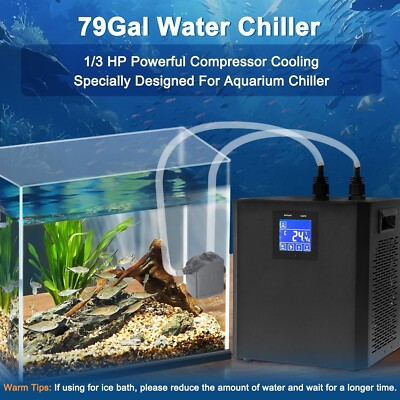
Compressor chillers use a cooling system like a fridge. A compressor pumps coolant to remove heat from the water.
They are strong and cool large tanks fast. These chillers use more energy but are very effective.
- Good for big aquariums
- Use more electricity
- Cool water quickly and well
Portable Vs. Built-in Models
Portable chillers can move from tank to tank. They are easy to install and use in different places.
Built-in chillers are part of the aquarium system. They need more setup but save space and look neat.
- Portable: easy to move and install
- Built-in: saves space and looks clean
- Choose based on your tank size and space
Setting Up Your Chiller
Using a chiller keeps your fish tank water at the right temperature. It helps fish stay healthy and active. Setting up a chiller is simple if you follow the right steps.
This guide covers installation, connecting the chiller to the aquarium, and power safety tips. Take time on each part to ensure your setup works well.
Installation Steps
First, place the chiller on a flat, stable surface near your aquarium. Avoid direct sunlight or damp spots. Make sure there is enough space around it for air flow.
- Remove all packaging materials from the chiller.
- Check the unit for any damages before installation.
- Place the chiller close to the aquarium but not in water.
- Keep the chiller away from heat sources and direct sun.
- Ensure good ventilation around the chiller to prevent overheating.
Connecting To Aquarium
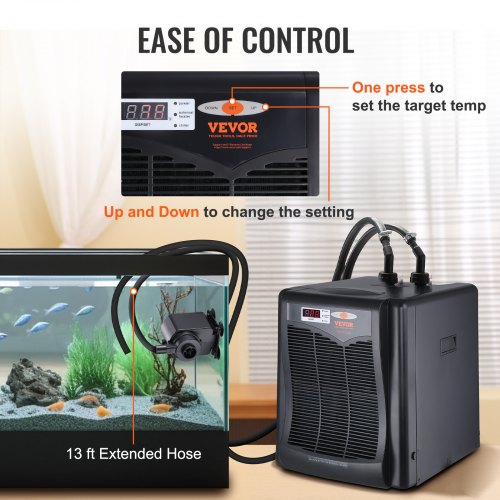
Connect your chiller to the aquarium using suitable tubing. The chiller works by cooling the water as it flows through the system. Proper connection ensures efficient cooling.
| Connection Part | Description | Tip |
|---|---|---|
| Water Inlet | Tube where aquarium water enters the chiller. | Use a secure clamp to avoid leaks. |
| Water Outlet | Tube where cooled water returns to the aquarium. | Check tubing for cracks regularly. |
| Filter | Removes debris before water enters chiller. | Clean filter monthly to maintain flow. |
Power Supply And Safety
Always plug the chiller into a properly grounded outlet. Avoid using extension cords to reduce risk. Keep power cords dry and away from water.
- Use a dedicated power outlet for the chiller.
- Check the power cord for damage before use.
- Do not touch the chiller with wet hands when plugged in.
- Keep the chiller’s power switch off while setting up connections.
- Unplug the chiller before cleaning or moving it.
Maintaining Optimal Temperature
Keeping the right temperature in your fish tank is very important. A chiller helps keep the water cool and stable.
Stable water temperature helps fish stay healthy and active. It also prevents stress and illness.
Monitoring Water Temperature
Check the water temperature often to keep it steady. Use a reliable thermometer for accurate readings.
- Place the thermometer where fish swim most
- Read temperature at the same time daily
- Record temperature to track changes
- Watch for sudden rises or drops
Adjusting Settings
Set the chiller to the right temperature for your fish type. Small changes can make a big difference.
| Fish Type | Ideal Temperature (°F) |
| Tropical | 74 – 80 |
| Coldwater | 60 – 72 |
| Marine | 76 – 82 |
Dealing With Seasonal Changes
Seasons affect room temperature and water temperature. Adjust your chiller to keep water stable all year.
Tips for seasonal adjustment:
- Check temperature daily during hot months
- Lower chiller setting in summer
- Raise chiller setting in winter if needed
- Use insulation around the tank to reduce heat loss or gain
Troubleshooting Common Issues
Setting up a fish tank with a chiller can be tricky. Sometimes things go wrong, and it’s important to know how to fix them.
This guide will help you troubleshoot common issues with your fish tank chiller.
Chiller Not Cooling Properly
If your chiller is not cooling, it may be due to several reasons. Check the power supply first.
- Ensure the chiller is plugged in.
- Check the circuit breaker.
- Clean the chiller’s filter regularly.
Noise And Vibration Problems
Noisy chillers can disturb both you and your fish. Vibrations may indicate a loose part.
Tighten any loose screws or connections to reduce noise.
Preventing Leaks And Damage
Leaks can damage your tank and harm the fish. Regular checks can prevent this.
| Check | Frequency |
| Inspect hoses | Weekly |
| Look for cracks | Monthly |
| Test connections | Monthly |
Energy Efficiency Tips
Setting up a fish tank with a chiller requires careful planning. Keeping energy use low is crucial for both your wallet and the environment.
Here are some tips to reduce the energy consumption of your aquarium setup.
Reducing Power Consumption
Fish tanks can use a lot of power, but you can cut back. Use energy-efficient equipment to lower energy usage.
- Choose LED lights instead of traditional bulbs
- Opt for an energy-efficient water pump
- Regularly clean filters to ensure smooth operation
Using Timers And Controllers
Timers and controllers help manage power usage. They automate the operation of your tank’s equipment.
Set timers for lights to mimic natural daylight hours. This helps in saving energy while ensuring fish get proper light.
Insulating Your Aquarium
Proper insulation keeps your tank’s temperature stable. This reduces the load on your chiller.
| Insulation Material | Benefits |
| Styrofoam | Reduces heat loss |
| Thermal blankets | Keeps temperature constant |
| Foil-backed boards | Reflects heat back into the tank |
Credit: www.vevor.ca
Additional Cooling Methods
Setting up a fish tank with a chiller helps keep water temperature stable. Sometimes, extra cooling methods improve comfort for your fish.
These methods work well alongside a chiller to prevent overheating and keep your aquarium healthy.
Fans And Evaporative Cooling
Fans help cool the water by blowing air over the tank’s surface. This increases evaporation and lowers temperature.
Evaporative cooling uses water evaporation to remove heat. It is effective in dry, warm rooms.
- Place a fan near the tank to blow air across the water surface.
- Use a wet sponge or cloth near the fan for extra evaporation.
- Keep the room humidity low for better evaporation.
Shade And Room Temperature Control
Shade reduces direct sunlight on the tank, which can heat the water quickly. Use curtains or blinds to block sunlight.
Keep the room cool using air conditioning or fans. This helps the chiller work less and saves energy.
- Move the tank away from windows with direct sunlight.
- Use curtains or blinds to block sun rays.
- Set room temperature between 72°F and 78°F (22°C and 26°C).
- Use air conditioning or room fans to maintain cool air.
Water Circulation Techniques
Good water circulation helps spread cooler water throughout the tank. This keeps the temperature even.
Use pumps and powerheads to move water and reduce hot spots near lights or heaters.
- Place a powerhead near the water surface for better aeration.
- Use a circulation pump to move water in large tanks.
- Avoid dead zones where water does not flow well.
Choosing Compatible Fish And Plants
Setting up a fish tank with a chiller means you can keep cold water species. It is important to choose fish and plants that live well in cooler water.
Picking the right combination helps your tank stay healthy and balanced. This guide will cover fish, plants, and how to balance their needs.
Cold Water Species
Cold water fish thrive in temperatures below 75°F. They need cooler water to stay active and healthy. Popular species include goldfish and white cloud minnows.
- Goldfish
- White Cloud Minnows
- Rainbow Trout
- Bristlenose Pleco
- Paradise Fish
Plants That Thrive In Cooler Tanks
Plants must also survive in cool water. Some plants grow well and stay green at lower temperatures. They need less light and grow slower.
| Plant Name | Light Needs | Temperature Range |
| Anubias | Low to Medium | 60-75°F |
| Java Fern | Low | 65-75°F |
| Cryptocoryne | Low to Medium | 68-75°F |
| Mosses (Java Moss) | Low | 59-75°F |
Balancing Ecosystem Needs
Balance fish and plant needs for a healthy tank. Cold water fish need oxygen-rich water. Plants add oxygen and remove waste. Both must fit temperature and light levels.
- Keep water temperature stable with the chiller
- Choose plants that match fish oxygen needs
- Provide moderate lighting for plants
- Feed fish properly to avoid water pollution
- Check water quality regularly
Credit: www.ebay.com
Frequently Asked Questions
What Is A Fish Tank Chiller Used For?
A fish tank chiller regulates water temperature in aquariums. It prevents overheating and keeps fish comfortable. It’s essential for tropical and sensitive fish species.
How Do I Choose The Right Fish Tank Chiller?
Select a chiller based on tank size and fish type. Consider cooling capacity, energy efficiency, and noise level. A proper fit ensures stable temperature control.
Can I Install A Chiller Myself In My Aquarium?
Yes, most chillers come with user-friendly instructions. Proper installation includes connecting to the filter system and setting the temperature. Follow safety guidelines to avoid leaks or damage.
How Much Energy Does A Fish Tank Chiller Consume?
Energy consumption varies by chiller size and usage. Smaller units use less power, typically 100-300 watts. Using a timer or thermostat helps reduce electricity costs.
Conclusion
Setting up a fish tank with a chiller keeps water temperature steady. This helps fish stay healthy and active. Chilllers prevent overheating in warm rooms or summer months. Choose the right size chiller for your tank. Install it carefully to avoid leaks or damage.
Regular checks keep the system running smoothly. Clean the tank and equipment often for best results. Enjoy a beautiful, calm aquarium with happy fish. A good setup means less stress for both you and your fish. Simple steps lead to a peaceful fish tank environment.