
Setting up a fish tank can be both exciting and a bit overwhelming, especially when it comes to keeping the water clean and healthy for your fish. If you want crystal-clear water and a happy, thriving aquarium, using a chemical filter is one of the smartest moves you can make.
But how do you choose the right filter? And how do you set it up correctly to get the best results? You’ll discover simple, step-by-step guidance to create a perfect fish tank setup with a chemical filter. By the end, you’ll feel confident in giving your fish the clean, safe home they deserve.
Keep reading to unlock the secrets of easy and effective aquarium care!
Choosing The Right Fish Tank
Setting up a fish tank with a chemical filter starts with picking the right tank. The tank size, shape, and material affect your fish’s health and comfort.
Good placement is also important for the tank’s success. A well-chosen spot helps keep the water clean and fish happy.
Tank Size And Shape
Choose a tank size that fits your space and fish needs. Bigger tanks hold more water and keep the environment stable.
Tank shape affects water flow and fish swimming space. Rectangular tanks are good for most fish types.
- Small tanks (5-10 gallons) suit few small fish
- Medium tanks (20-40 gallons) fit more fish
- Large tanks (50+ gallons) support diverse fish species
- Rectangular tanks offer better filtration and space
- Cylindrical tanks can limit swimming room
Material Options
Fish tanks come in glass and acrylic. Glass is sturdy and scratch-resistant. Acrylic is lighter and clearer but can scratch easily.
Choose a material that fits your budget and tank size. Both materials work well with chemical filters.
- Glass tanks are heavier and more durable
- Acrylic tanks are lighter and more impact-resistant
- Glass is easier to clean and scratch-resistant
- Acrylic offers better clarity and insulation
Placement Tips
Place your fish tank away from direct sunlight. Sunlight can cause algae growth and water temperature changes.
Keep the tank on a sturdy, level surface. Avoid spots near heaters, windows, or high-traffic areas.
- Choose a quiet place with stable temperature
- Avoid direct sunlight to reduce algae growth
- Use a strong stand that can hold tank weight
- Keep tank away from heating or cooling vents
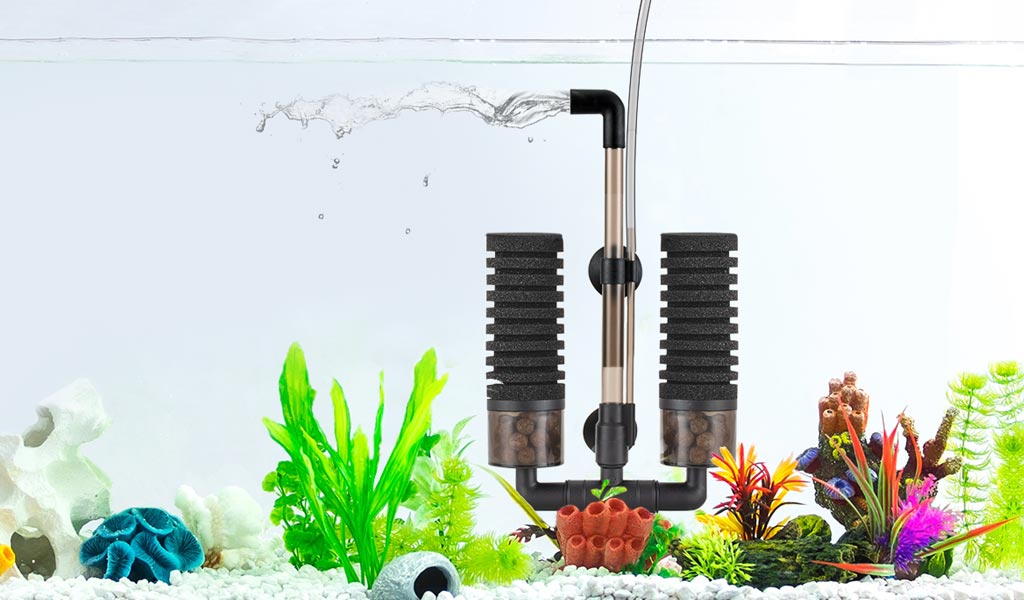
Credit: www.hygger-online.com
Types Of Chemical Filters
Chemical filters help keep aquarium water clean. They remove harmful substances and toxins. This improves fish health and water clarity.
There are several types of chemical filter media. Each type works in a different way to clean the water.
Activated Carbon
Activated carbon is a popular chemical filter. It removes odors, discoloration, and chemicals. The carbon has many tiny pores. These pores trap impurities as water passes through.
- Removes chlorine and chloramine
- Eliminates organic waste and toxins
- Improves water clarity and smell
- Needs regular replacement to stay effective
Zeolite
Zeolite is a natural mineral used in chemical filters. It absorbs ammonia, which is harmful to fish. Zeolite works well in freshwater tanks. It helps keep the water safe by lowering ammonia levels.
| Benefit | Description |
| Ammonia Removal | Absorbs toxic ammonia from water |
| Natural Mineral | Safe and non-toxic for fish |
| Reusable | Can be cleaned and reused |
| Freshwater Use | Best suited for freshwater aquariums |
Resins And Other Media
Resins are synthetic materials designed to remove specific chemicals. They target nitrates, phosphates, and heavy metals. Other media include specialty filters for certain toxins. These help maintain a balanced and healthy tank environment.
- Nitrate removal resins improve water quality
- Phosphate removers reduce algae growth
- Heavy metal absorbers protect fish health
- Different media suit different tank needs
Setting Up The Chemical Filter
Chemical filters help keep aquarium water clean. They remove harmful chemicals and impurities.
Setting up a chemical filter correctly ensures healthy water for your fish.
Installation Process
First, read the filter’s instructions carefully. Each model may have specific steps.
- Turn off all electrical equipment near the tank.
- Rinse the chemical media under tap water to remove dust.
- Place the media in the filter compartment or cartridge.
- Secure the filter housing tightly to avoid leaks.
- Reconnect the filter to power and check for proper flow.
Positioning In The Tank
Position the chemical filter so water passes through it evenly. This maximizes cleaning.
- Place the filter near the water inlet or outlet.
- Avoid blocking fish swimming space.
- Keep the filter accessible for easy maintenance.
- Ensure it does not disturb plants or decorations.
Integration With Other Filters
Chemical filters work best with mechanical and biological filters. Each type targets different impurities.
| Filter Type | Purpose | Example Media |
|---|---|---|
| Mechanical | Removes debris and particles | Foam, sponge |
| Chemical | Removes toxins and odors | Activated carbon, zeolite |
| Biological | Breaks down waste biologically | Bio balls, ceramic rings |
Maintaining Crystal Clear Water
Setting up a fish tank with a chemical filter helps keep the water clean. Clear water is important for fish health and tank beauty.
Chemical filters remove impurities and toxins from the water. This guide explains how to maintain clear water with regular care.
Regular Filter Replacement
Chemical filters lose their ability to clean water over time. Replacing the filter regularly keeps the water fresh and clear.
Check the filter every few weeks. Follow the manufacturer’s advice on how often to change it.
- Replace chemical media every 3 to 4 weeks
- Clean filter housing during replacement
- Do not over-clean to keep beneficial bacteria
Water Testing Methods
Testing the water helps detect problems early. Use simple kits to check water quality at home.
Test for ammonia, nitrite, nitrate, and pH levels. Keeping these in balance ensures a healthy tank.
- Use test strips or liquid test kits
- Test water weekly to monitor changes
- Adjust filter or water changes based on results
Cleaning Schedule
Regular cleaning helps maintain clear water and a healthy environment. Follow a routine to keep the tank in good shape.
Clean the tank, decorations, and substrate without disturbing fish too much. Partial water changes are important.
- Change 10-20% of water weekly
- Remove algae from glass and decorations
- Vacuum gravel to remove waste
- Clean filter parts gently every month
Common Issues And Solutions
Setting up a fish tank with a chemical filter can be challenging. Here are some common issues and their solutions.
Understanding these problems will help maintain a healthy environment for your fish.
Filter Clogging
A clogged filter can reduce water flow and affect water quality. Regular maintenance is key.
- Check the filter weekly for debris.
- Rinse the filter media in tank water, not tap water.
- Replace filter media every 4–6 weeks.
Water Cloudiness
Cloudy water can result from various issues. It is crucial to identify the cause.
| Cause | Solution |
| Overfeeding | Reduce food portions |
| New Tank Syndrome | Allow time for cycling |
| Unwashed Substrate | Rinse gravel thoroughly |
Chemical Imbalances
Chemical imbalances can harm fish. Regular testing helps keep parameters in check.
Use test kits to monitor:
- Ammonia Levels
- Nitrite Levels
- Nitrate Levels

Credit: www.youtube.com
Enhancing Filter Efficiency
Setting up a fish tank with a chemical filter helps keep water clean. Good filter efficiency means healthier fish and clearer water.
There are ways to improve how well your chemical filter works. You can use other filtration methods and manage your tank carefully.
Complementary Filtration Techniques
Using other types of filters with your chemical filter makes cleaning better. Mechanical filters catch big dirt particles. Biological filters break down harmful waste.
- Mechanical filters trap debris and waste
- Biological filters use good bacteria to clean water
- Chemical filters remove toxins and odors
Combining these filters keeps the tank water clear and safe for fish.
Proper Feeding And Stocking
Feeding fish the right amount prevents leftover food. Too much food makes the filter work harder. Keep the tank from getting crowded to reduce waste.
- Feed small amounts twice a day
- Remove uneaten food quickly
- Keep fish numbers suitable for tank size
Good feeding and stocking help the filter keep the water clean and balanced.
Temperature And Ph Control
Fish and bacteria need the right temperature to stay healthy. Chemical filters work best within certain pH levels. Check water regularly to keep these stable.
- Keep water temperature stable for fish species
- Test pH and adjust with safe products if needed
- Avoid sudden changes in water conditions
Stable temperature and pH improve the filter’s ability to clean the water efficiently.

Credit: www.wiltec.de
Frequently Asked Questions
What Is A Chemical Filter In Fish Tanks?
A chemical filter removes toxins and impurities using activated carbon or resins. It keeps water clean and safe for fish. This filter improves water clarity and reduces odors effectively.
How Do I Set Up A Chemical Filter In My Fish Tank?
Place the chemical media in the filter compartment or bag. Ensure water flows through it properly. Replace the media monthly for best performance and avoid clogging.
Can Chemical Filters Harm My Fish?
Chemical filters are safe when used correctly. Avoid overusing chemicals or changing media too frequently. Proper maintenance ensures a healthy environment for your fish.
How Often Should Chemical Filter Media Be Replaced?
Replace chemical filter media every 3 to 4 weeks. Old media loses effectiveness and can release trapped toxins back. Regular replacement ensures optimal water quality.
Conclusion
Setting up a fish tank with a chemical filter keeps water clean and safe. Chemical filters remove harmful substances that harm fish health. Regular maintenance helps the filter work well for a long time. Clear water makes fish happy and shows tank beauty.
Choose the right filter size to fit your tank. Keep checking water quality for the best fish care. A simple setup can bring big benefits to your aquarium. Enjoy watching your fish thrive in a fresh, healthy home.