
Setting up a fish tank can be exciting, but have you ever thought about adding caves? Caves in your fish tank do more than just look cool—they create a safe space for your fish, reduce their stress, and make your tank feel more natural.
If you want your underwater friends to thrive and your tank to stand out, this guide is for you. Keep reading to discover simple, effective ways to add caves that will transform your fish tank into a vibrant, healthy home.
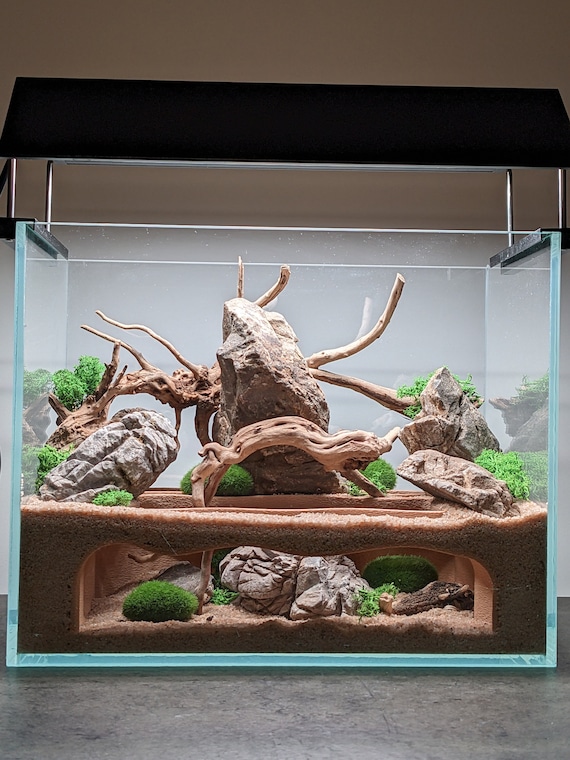
Credit: www.etsy.com
Choosing The Right Tank
Setting up a fish tank with caves needs careful tank choice. A good tank gives fish a safe and natural home.
Picking the right tank size, material, and place helps fish live happily. It also makes your tank look great.
Tank Size And Shape
Choose a tank size that fits your space and fish needs. Bigger tanks hold more water and are easier to keep stable.
Shape matters for caves and hiding spots. Rectangular tanks offer more floor space for caves. Tall tanks may limit cave placement.
- Small tanks (10-20 gallons) suit few small fish.
- Medium tanks (20-40 gallons) fit more fish and caves.
- Large tanks (over 40 gallons) allow many fish and big caves.
Material Options
Glass and acrylic are common tank materials. Glass is heavy but scratch-resistant. Acrylic is lighter and clearer.
Think about durability and cost. Acrylic tanks cost more but resist cracks. Glass tanks are cheaper but break easier.
- Glass tanks: strong, clear, affordable.
- Acrylic tanks: light, clear, expensive.
Placement And Lighting
Place your tank where it is easy to see but away from direct sunlight. Sunlight can cause algae growth and temperature changes.
Choose lighting that helps fish and plants. LED lights work well. They use less energy and create a natural look.
- Keep tank away from windows and heaters.
- Use LED lights with adjustable brightness.
- Turn lights on for 8-10 hours daily.
Selecting Suitable Caves
Adding caves to your fish tank creates hiding spots for fish. These caves help fish feel safe and reduce stress.
Choosing the right caves is important for your aquarium’s health and appearance. Good caves fit your fish and tank well.
Types Of Aquarium Caves
There are many types of caves made from different materials and shapes. Each type offers unique benefits for your fish.
- Natural rock caves mimic real fish homes.
- Man-made ceramic caves are lightweight and safe.
- Plastic caves come in many shapes and colors.
- Wooden caves add a natural look but need care.
Materials And Safety
Choose caves made from safe materials that do not harm water quality. Avoid caves with sharp edges or toxic paint.
Safe materials include natural stone, ceramic, and aquarium-safe plastics. Check product labels to ensure safety.
- Natural stone: sturdy and fish-friendly.
- Ceramic: non-toxic and easy to clean.
- Plastic: lightweight but check for safe types.
- Avoid painted or treated wood that can leach chemicals.
Size And Design Considerations
Pick caves that fit your fish size and tank space. Too small caves can trap fish or cause stress.
Look for caves with smooth entrances and enough room inside. Design should allow easy entry and exit for your fish.
- Small caves for small fish and shrimp.
- Large caves for bigger or shy fish.
- Multiple entrances help fish escape predators.
- Stable caves prevent tipping or falling.
Preparing The Aquarium Base
Setting up a fish tank with caves starts with a strong base. The base supports plants, decorations, and fish life.
A clean and well-prepared base helps keep the water clear. It also creates a healthy environment for your fish.
Substrate Choices
The substrate is the material at the bottom of the tank. It affects plant growth and fish comfort.
Choose a substrate that fits your fish and plants. Gravel and sand are popular options.
- Gravel: good for hiding caves and roots
- Sand: soft for bottom-dwelling fish
- Specialized plant substrates: help plants grow
Cleaning And Layering
Rinse the substrate before adding it to the tank. This removes dust and dirt that cloud water.
Start with a base layer of nutrient-rich substrate if using plants. Add a top layer of gravel or sand.
- Rinse substrate until water runs clear
- Place nutrient layer first for plant roots
- Cover with decorative gravel or sand
- Keep substrate depth between 2 to 3 inches
Adding Plants And Decorations
Plants help keep water clean and provide shelter. Add caves and rocks for fish to hide and explore.
Arrange decorations to create natural hiding places. Avoid blocking tank filters or lights.
- Plant roots into the substrate gently
- Place caves in stable spots to avoid falling
- Use natural decorations like driftwood and stones
- Leave open swimming space for fish
Arranging Caves For Aesthetics
Adding caves to your fish tank can create a beautiful and natural look. Caves offer shelter and add depth to the aquascape.
Careful placement of caves helps balance the tank and makes it more appealing to both fish and viewers.
Creating Natural Hiding Spots
Fish need places to hide and feel safe. Caves mimic natural shelters found in rivers and lakes.
- Place caves near plants or rocks for extra cover.
- Use different sizes to fit various fish species.
- Arrange caves in clusters to create small territories.
Balancing Open And Sheltered Areas
A good tank layout balances open swimming space with sheltered spots. This helps fish feel comfortable and active.
| Area Type | Purpose | Placement Tips |
| Open Space | Swimming and exploring | Keep central and clear |
| Sheltered Areas | Resting and hiding | Near tank edges and caves |
| Transition Zones | Movement between areas | Place small rocks or plants |
Using Caves To Enhance Aquascape
Caves add texture and layers to your aquascape. They break flat surfaces and create visual interest.
- Place caves at different heights to show depth.
- Use natural stones or driftwood for a realistic look.
- Combine caves with plants to soften edges.
- Keep caves stable to avoid collapse.
Selecting Compatible Fish Species
Setting up a fish tank with caves creates a natural habitat for many species. Choosing fish that live well together is important. Compatibility helps keep fish healthy and happy.
This guide covers cave-dwelling fish types, their behaviors, and how to choose fish that work in community tanks.
Cave-dwelling Fish Varieties
Cave fish often like dark, hidden spaces. Many species use caves for breeding or protection. Some popular cave dwellers include:
- Plecos (suckermouth catfish)
- Apistogramma (dwarf cichlids)
- Stiphodon gobies
- Kribensis cichlids
- Otocinclus catfish
Behavioral Traits To Consider
Fish behavior affects tank harmony. Look for traits like aggression, territory size, and activity levels. Some fish defend caves strongly. Others share spaces peacefully.
| Trait | Description | Effect on Tank |
| Territorial | Claims space, defends caves | May stress other fish |
| Peaceful | Shares hiding spots | Good for mixed tanks |
| Nocturnal | Active at night | Less daytime activity |
| Schooling | Swims in groups | Needs multiple fish |
Community Tank Compatibility
In community tanks, fish must get along. Avoid mixing very aggressive cave fish with peaceful species. Consider size and water needs too.
- Match fish with similar temperaments
- Choose species with compatible water parameters
- Provide enough caves and hiding places
- Observe fish behavior after introduction
- Separate fish if fights occur
Maintaining Water Quality
Keeping your fish tank clean is important. Good water quality keeps fish healthy. Fish tank caves add beauty and shelter for fish.
Proper maintenance ensures a safe environment. This guide helps you learn how to maintain water quality in your fish tank.
Filtration Systems
Filtration systems clean the water in your tank. They remove debris and harmful substances. Choose a filter that fits your tank size.
There are different types of filters. Some are mechanical, others are biological or chemical. Make sure to use the right type for your needs.
- Mechanical filters remove particles
- Biological filters support beneficial bacteria
- Chemical filters absorb impurities
Regular Water Testing
Testing water regularly is key. It helps you know the water’s condition. Test kits are easy to use at home.
Check for pH, ammonia, nitrite, and nitrate levels. Keeping these in check prevents fish stress and illness.
- Test pH levels weekly
- Check ammonia and nitrites bi-weekly
- Monitor nitrates monthly
Cleaning Schedules
Regular cleaning keeps water clear and healthy. Set a schedule to clean your tank and caves. It prevents algae and waste buildup.
Change part of the water weekly. Clean decorations and caves every month. This keeps the environment safe for your fish.
- Weekly water changes
- Monthly decoration cleaning
- Check filters every two weeks
Monitoring Fish Health
Setting up a fish tank with caves can be exciting. It’s important to monitor fish health. Healthy fish are active and have bright colors.
By watching your fish closely, you can catch problems early. This helps keep your fish tank a safe place.
Signs Of Stress Or Illness
Fish can show stress or illness in many ways. It’s important to know these signs.
- Clamped fins
- Changes in swimming patterns
- Loss of appetite
- White spots or discoloration
- Gasping at the surface
Proper Feeding Habits
Feeding your fish the right amount is crucial. Overfeeding can cause health issues and dirty water.
Feed your fish small amounts they can eat in a few minutes. This keeps them healthy and the tank clean.
Quarantine Procedures
New fish should be quarantined before adding them to the tank. This helps prevent disease spread.
Quarantine new fish for 2-4 weeks. Watch them for any signs of illness. This keeps your existing fish safe.
Enhancing Tank With Lighting
Lighting plays a key role in making your fish tank look alive and healthy. It helps show off the colors and shapes inside the tank. Good lighting also supports plant growth and fish well-being.
Adding caves to your aquarium creates hiding spots and natural decor. Lighting can highlight these caves to add depth and interest to your tank.
Types Of Aquarium Lighting
There are several types of aquarium lights you can use. Each type has its own benefits and uses.
- LED lights: Energy efficient and long-lasting. They come in many colors.
- Fluorescent lights: Good for plant growth. They spread light evenly.
- Incandescent lights: Less common now. They use more power and get hot.
- Metal halide lights: Very bright and strong. Best for deep tanks.
Highlighting Caves And Features
Use spotlights or adjustable LED strips to focus on caves and decorations. This draws attention to key areas and adds shadows for a natural feel.
Tips for highlighting caves:
- Place small LED spotlights above caves.
- Use dimmable lights to adjust brightness.
- Try colored lights for a unique look.
- Avoid lighting that is too strong to keep fish calm.
Light Timers And Intensity
Using a timer helps keep a regular light schedule. This supports fish health and plant growth. Light intensity should match the needs of your tank inhabitants.
| Light Duration | Recommended Hours |
| Freshwater tanks | 8 to 10 hours |
| Planted tanks | 10 to 12 hours |
| Saltwater tanks | 8 to 12 hours |
Troubleshooting Common Issues
Setting up a fish tank with caves can create a natural and safe space for your fish. Sometimes, common problems may appear and need fixing. This guide helps you solve those issues quickly.
We cover algae growth, cave safety, and fish behavior. Follow these tips to keep your tank healthy and peaceful.
Algae Growth Control
Algae can grow fast and cover the tank walls and decorations. Too much algae makes the water look dirty and harms fish health.
- Keep your tank out of direct sunlight to slow algae growth.
- Clean the tank walls and decorations regularly using an algae scraper.
- Use algae-eating fish or snails to help control algae naturally.
- Test water for excess nutrients; change water often to reduce them.
- Avoid overfeeding fish to lower leftover food that feeds algae.
Cave Stability And Safety
Fish caves must be steady and safe to prevent accidents and injuries. Unstable caves can fall and scare or hurt fish.
| Issue | Cause | Solution |
| Loose cave rocks | Improper stacking or poor glue | Use aquarium-safe glue and stack carefully |
| Sharp edges | Broken or rough cave surfaces | Smooth edges with sandpaper or replace caves |
| Overcrowded caves | Too many caves in one area | Space caves apart to allow fish movement |
Fish Aggression Management
Fish may fight if they feel stressed or crowded. Aggression can cause injuries or stress fish, harming their health.
- Provide enough hiding spots inside caves for shy fish.
- Keep fish species that get along well together.
- Do not overcrowd the tank; follow size guidelines.
- Feed fish regularly to reduce competition for food.
- Watch fish behavior and separate aggressive fish if needed.

Credit: thangs.com
Creative Cave Decoration Ideas
Adding caves to your fish tank makes it more fun and natural. Fish enjoy hiding places and exploring small spaces.
This guide shows you how to create caves using different ideas. You can make your aquarium look unique and safe for your fish.
Diy Cave Projects
Building caves yourself lets you customize size and style. Use safe materials that will not harm your fish.
- Use coconut shells cleaned well and cut in half
- Stack smooth stones to form small cave shapes
- Glue ceramic pots sideways for fish to swim inside
- Make caves from aquarium-safe resin molds
Using Natural Elements
Natural materials give a calm and authentic look to the tank. They also provide hiding spots for shy fish.
| Material | Description | Tip |
| Driftwood | Rounded wood from water | Soak before use |
| Rocks | Flat or smooth stones | Check for sharp edges |
| Plants | Live or fake aquarium plants | Place near cave openings |
| Leaf Litter | Dried leaves from safe trees | Use sparingly |
Themed Aquarium Setups
Themes make your aquarium look like a story or place. Caves add depth and mystery to these themes.
Popular themes and cave ideas:
- Underwater Ruins:Use broken pottery and stone-like caves.
- Jungle River:Add caves with roots and moss.
- Ocean Reef:Use coral-style caves and bright colors.

Credit: www.reddit.com
Frequently Asked Questions
What Are The Benefits Of Adding Caves To Fish Tanks?
Caves provide hiding spots, reduce stress, and mimic natural habitats. They promote fish health and natural behaviors. Caves also enhance tank aesthetics and offer breeding sites for certain species.
How To Choose The Best Caves For Fish Tanks?
Select caves made from aquarium-safe materials like resin or natural rock. Ensure size fits fish species and tank dimensions. Avoid sharp edges to prevent injuries. Choose caves that support water flow and easy cleaning.
Can All Fish Species Use Caves In Tanks?
Not all fish use caves, but many species benefit from them. Bottom dwellers and shy fish prefer caves for shelter. Research your fish’s natural habitat to determine if caves suit them.
How To Maintain Caves In A Fish Tank Setup?
Clean caves regularly to prevent algae and debris buildup. Use a soft brush and warm water only. Avoid harsh chemicals that harm fish. Inspect caves for damage during maintenance.
Conclusion
Adding caves to your fish tank creates a safe, natural space for fish. These hiding spots help reduce stress and encourage healthy behavior. Set up caves with clean materials and place them where fish can easily explore. Regular cleaning keeps the tank fresh and fish happy.
With caves, your aquarium feels lively and balanced. Enjoy watching your fish swim and hide in their cozy home. Simple steps bring big benefits to your underwater world.