
Setting up a fish tank can be exciting, but keeping the water clean and healthy for your fish is key. You might have heard about biological filters, but do you know how they can make a huge difference in your aquarium?
If you want clear water and happy fish, understanding how to set up a fish tank with a biological filter is essential. You’ll discover simple steps to create a thriving environment that takes the stress out of tank maintenance. Ready to make your aquarium a safe and beautiful home for your fish?
Let’s dive in!

Credit: www.reddit.com
Choosing The Right Tank
Setting up a fish tank with a biological filter starts with picking the right tank. The tank size, shape, and material all affect fish health and filter efficiency.
Careful placement of the tank also helps keep your fish safe and your setup stable. Learn key points about tank size, materials, and placement below.
Tank Size And Shape
Choose a tank size that fits your fish species and space. Bigger tanks offer more stable water conditions. The shape affects how water flows through the filter.
- Long tanks provide more surface area for oxygen exchange.
- Tall tanks need strong filtration for water circulation.
- Small tanks require frequent water changes and careful monitoring.
Material Options
Most tanks are made from glass or acrylic. Each material has pros and cons for weight, clarity, and durability.
| Material | Advantages | Disadvantages |
| Glass | Scratch-resistant, clear | Heavy, can break |
| Acrylic | Lighter, more impact resistant | Scratches easily, less clear |
Placement Tips
Place your tank where it gets stable temperature and no direct sunlight. Avoid spots near heaters or air conditioners.
- Flat and sturdy surface
- Away from windows and direct sunlight
- Near power outlet for filter and lighting
- Easy access for maintenance
Credit: www.amazon.com
Selecting A Biological Filter
Setting up a fish tank with a biological filter keeps the water clean and safe for fish. Biological filters use good bacteria to break down waste.
Choosing the right filter helps your tank stay healthy and clear. This guide covers types, media choices, and filter capacity.
Types Of Biological Filters
There are several types of biological filters to choose from. Each works differently to support bacteria growth and water flow.
- Undergravel Filters:Use gravel as filter media and pull water through it.
- Canister Filters:External filters that push water through various media.
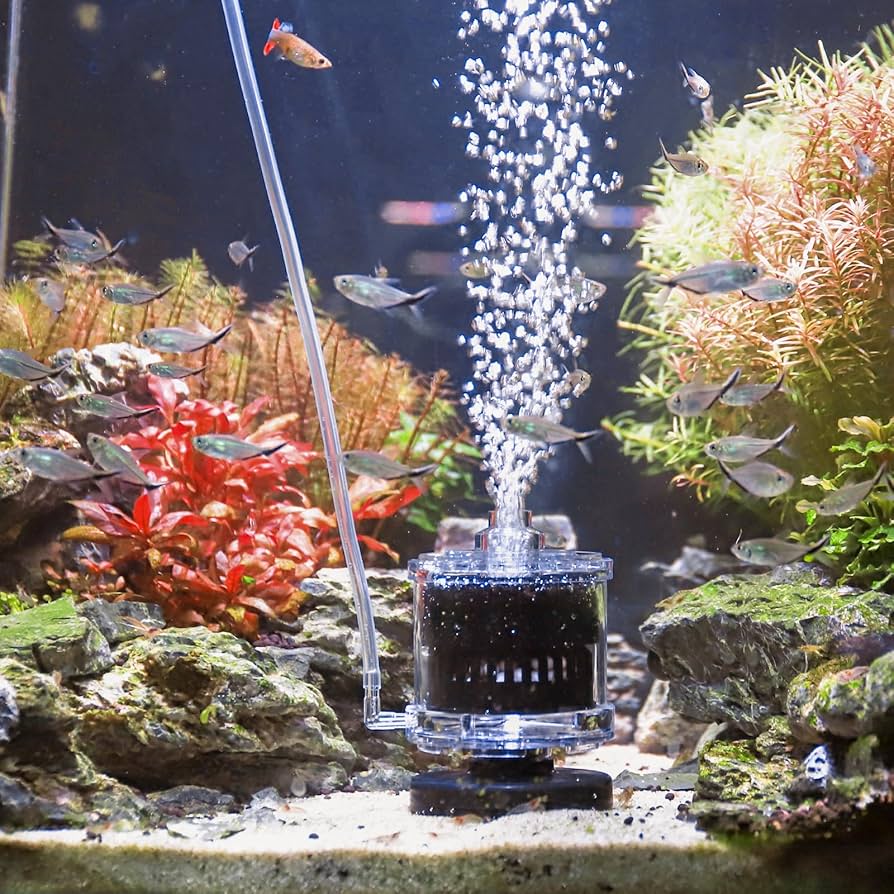
- Sponge Filters:Air-driven filters with sponges that trap debris and host bacteria.
- Wet/Dry Filters:Expose water to air to increase oxygen for bacteria.
Filter Media Choices
Filter media provides surface for bacteria to grow. The choice affects how well the filter works.
| Media Type | Description | Benefits |
| Bio-balls | Plastic balls with many holes | Large surface area, easy to clean |
| Ceramic Rings | Hollow rings made of ceramic | Good surface, long lasting |
| Sponge | Foam pads | Traps debris, good for small tanks |
| Filter Floss | Fine synthetic fibers | Traps fine particles, needs frequent replacement |
Filter Capacity And Flow Rate
Choose a filter with enough capacity for your tank size. Flow rate affects how fast water moves through the filter.
- Calculate tank volume in gallons or liters.
- Select a filter that can cycle the tank water 4 to 6 times per hour.
- Check the flow rate rating on the filter box or manual.
- Use adjustable flow filters for sensitive fish or plants.
- Remember higher flow may stress some fish.
Setting Up The Filter System
A biological filter keeps your fish tank water clean and safe. It uses good bacteria to break down waste.
Setting up the filter system correctly helps maintain a healthy fish environment. Follow simple steps to install and position it well.
Installation Steps
Start by choosing the right size filter for your tank. Make sure the filter parts are clean before you begin.
Attach the filter media as the instructions say. Connect the intake and output tubes carefully to avoid leaks.
- Rinse filter media with tank water only
- Secure tubes firmly in place
- Plug in the filter and check for water flow
Positioning The Filter
Place the filter where water can flow freely. Avoid spots with strong currents that may stress fish.
Keep the filter intake away from fish hiding spots. Position the output so it moves water around the tank evenly.
- Set filter intake near the bottom for debris collection
- Place output near the surface for oxygen circulation
- Ensure filter is stable and will not fall
Maintenance Access
Choose a filter location that is easy to reach. Regular cleaning keeps the filter working well.
Make sure you can open the filter without moving the tank or decorations. This saves time and avoids stress.
- Keep space around the filter for quick checks
- Have tools ready for cleaning
- Check the filter weekly for clogging
Establishing The Nitrogen Cycle
Setting up a fish tank with a biological filter needs a healthy nitrogen cycle. This cycle turns harmful waste into less harmful substances. It keeps fish safe and water clean.
The nitrogen cycle depends on tiny bacteria that live in the filter and tank. These bacteria break down fish waste and leftover food. Learning how to start and keep this cycle is important.
Role Of Beneficial Bacteria
Beneficial bacteria change toxic ammonia into less harmful substances. Ammonia comes from fish waste and decayed food. Without these bacteria, ammonia can build up and hurt fish.
There are two main types of bacteria in the cycle. One type turns ammonia into nitrite. The other type changes nitrite into nitrate. Nitrate is safer and plants can use it.
- Bacteria grow on filter media and tank surfaces
- They need time to establish and multiply
- Good bacteria keep water safe for fish
Cycling The Tank
Cycling means growing beneficial bacteria before adding many fish. It can take several weeks. During this time, bacteria build up and start processing waste.
You can cycle a tank by adding a small amount of ammonia or fish food. This feeds bacteria so they multiply. Avoid adding too many fish too soon to prevent ammonia spikes.
- Add a source of ammonia to feed bacteria
- Wait for ammonia and nitrite levels to drop
- Test water regularly during cycling
- Only add fish after cycle is complete
Monitoring Water Parameters
Testing water is key to keep the nitrogen cycle healthy. You need to check ammonia, nitrite, and nitrate levels. These show how well bacteria work.
Ideal water has zero ammonia and nitrite. Nitrate should be low but present. High ammonia or nitrite means bacteria are not enough. You must take action to protect fish.
- Use test kits to measure ammonia, nitrite, nitrate
- Test water at least once a week
- Do water changes if ammonia or nitrite rise
- Keep filter clean but do not remove all bacteria
Adding Substrate And Decorations
A fish tank setup is not complete without substrate and decorations. Substrate provides a comfortable environment for your fish, while decorations create hiding spots and visual interest.
Choosing The Right Substrate
Choose a substrate that is safe for your fish and easy to clean. Look for substrates made from natural materials like sand, gravel, or soil.
- Sand is a good choice for small fish and plants
- Gravel is best for larger fish and active swimmers
- Soil is a good option for planted tanks and beneficial bacteria
Safe Decorations
Decorations should be safe and non-toxic for your fish. Avoid decorations with sharp edges or points, and opt for ones made from natural materials.
- Choose decorations with smooth edges and surfaces
- Avoid decorations with sharp points or edges
- Opt for natural materials like wood, rock, or plants
Creating Hiding Spots
Hiding spots help reduce stress and anxiety in fish. Create hiding spots with decorations like plants, rocks, or artificial structures.
- Use plants to create hiding spots and oxygenate the tank
- Arrange rocks and decorations to create hiding places
- Consider artificial structures like castles or treasure chests

Credit: www.2hraquarist.com
Introducing Fish And Plants
Setting up a fish tank with a biological filter helps keep water clean. Adding fish and plants creates a healthy environment.
Fish and plants work together to balance the tank. Both need care to thrive in the same space.
Selecting Compatible Species
Choose fish and plants that live well together. Some fish eat plants, so avoid those types if you want live plants.
Check the water needs for each species. Pick fish and plants that like the same temperature and pH.
- Small, peaceful fish like tetras or guppies
- Hardy plants such as Java fern or Anubias
- Avoid aggressive fish that may harm plants or other fish
- Match water temperature needs for all species
Acclimation Process
Acclimate fish slowly to the tank water. Sudden changes can stress or harm fish.
Float the fish bag in the tank for 15 to 20 minutes. Add small amounts of tank water to the bag every 5 minutes.
- Float fish bag on tank surface
- Add tank water to bag slowly
- Use a net to move fish into tank
- Do not pour bag water into the tank
Planting Live Aquatics
Choose healthy plants for your aquarium. Trim dead leaves before planting to keep water clean.
Plant roots gently into the substrate. Space plants so they have room to grow and get light.
- Use tweezers to plant small species
- Plant taller species in the back
- Leave space between plants for water flow
- Keep plants away from filter intake
Routine Maintenance Tips
A well-maintained fish tank is essential for the health and well-being of your aquatic pets. Regular routine maintenance helps prevent water quality issues, ensures optimal water conditions, and promotes a thriving ecosystem.
Filter Cleaning Schedule
Regular filter cleaning is crucial to maintain optimal water quality. Depending on the type and size of your filter, you may need to clean it every 1-4 weeks.
- Clean the filter every 1-2 weeks by rinsing it with dechlorinated water.
- Replace the filter media every 2-4 weeks, or as recommended by the manufacturer.
- Check and replace the filter’s pre-filter sponge every 1-2 weeks.
Water Changes
Regular water changes help maintain optimal water quality and prevent the buildup of toxins. Aim to change 10-20% of the tank’s water every week.
| Water Change Schedule | Recommended Frequency |
|---|---|
| 10-20% water change | Every 7 days |
| 25-50% water change | Every 2-3 weeks |
| 50-100% water change | Every 4-6 weeks |
Testing And Adjustments
Regular water testing helps identify any issues or imbalances in the tank’s ecosystem. Adjust the water parameters as necessary to maintain optimal conditions.
Use a reliable water test kit to monitor the following parameters:
- pH levels
- Ammonia and nitrite levels
- Water hardness
- Temperature
Adjust the water parameters as necessary to maintain optimal conditions.
Troubleshooting Common Issues
Setting up a fish tank with a biological filter helps keep water clean. Sometimes, issues like cloudy water or algae appear. These problems can harm fish health if not fixed.
Knowing how to handle these common issues keeps your tank healthy. This guide explains how to fix cloudy water, control algae, and manage fish health.
Handling Cloudy Water
Cloudy water often happens from new tanks or too much waste. It can be caused by tiny particles floating in the water. This makes the water look murky and unhealthy.
Check if the filter is working well. Clean the filter media if it is dirty. Avoid feeding fish too much food to reduce waste. Do small water changes to clear the water.
- Ensure the biological filter is running correctly
- Clean or replace filter media regularly
- Feed fish only what they can eat in a few minutes
- Perform 10-20% water changes weekly
Dealing With Algae
Algae grow from too much light or nutrients. They can cover tank walls, plants, and decorations. This makes the tank look dirty and harms fish by using oxygen.
Reduce the amount of light your tank gets daily. Clean algae off surfaces with a soft brush or scraper. Use live plants to compete with algae for nutrients. Avoid overfeeding fish.
- Limit light to 8-10 hours a day
- Clean tank surfaces regularly
- Add live plants to reduce nutrients
- Feed fish in small amounts
Managing Fish Health
Healthy fish need clean water and good food. Watch fish for signs of stress or disease. Common signs include loss of color, spots, or unusual swimming.
Keep water parameters stable by testing regularly. Quarantine new fish before adding them to the tank. Remove sick fish quickly to avoid spreading disease. Use a balanced diet for your fish.
- Test water for ammonia, nitrite, and pH weekly
- Quarantine new fish for 2 weeks
- Remove sick fish from the tank
- Feed a balanced diet suitable for your fish
Frequently Asked Questions
What Is A Biological Filter In Fish Tank Setup?
A biological filter uses beneficial bacteria to break down harmful waste in aquariums. It converts toxic ammonia into less harmful nitrates. This process keeps water clean and safe for fish, promoting a healthy aquatic environment.
How Do Biological Filters Improve Fish Tank Water Quality?
Biological filters remove toxic ammonia and nitrites through bacterial action. This natural process prevents fish stress and disease. It maintains stable water parameters, ensuring a balanced and healthy ecosystem for aquatic life.
Can I Use A Biological Filter With Other Filter Types?
Yes, combining biological filters with mechanical or chemical filters enhances water purification. Mechanical filters trap debris, while chemical filters remove impurities. Together, they create a comprehensive filtration system for optimal fish tank health.
How Often Should Biological Filters Be Maintained?
Biological filters require minimal maintenance but should be checked monthly. Avoid cleaning with tap water to preserve beneficial bacteria. Rinse media gently in aquarium water to maintain bacterial colonies and ensure continuous filtration.
Conclusion
Setting up a fish tank with a biological filter keeps water clean and fish healthy. This filter uses good bacteria to break down waste naturally. It helps maintain a balanced environment for fish to thrive. Regular care and monitoring ensure the filter works well.
A healthy tank means happy fish and clear water. Simple steps make the setup easy and effective. Start with the right filter and enjoy your aquarium’s beauty.