
Setting up your first fish tank can feel overwhelming. You want a beautiful underwater world, but don’t know where to start.
What equipment do you really need? How can you avoid costly mistakes? This guide is made just for you. We’ll show you simple, beginner-friendly gear that makes your fish tank easy to manage and keeps your fish happy and healthy.
By the end, you’ll feel confident creating a stunning aquarium that fits your lifestyle. Ready to dive in? Let’s get started!
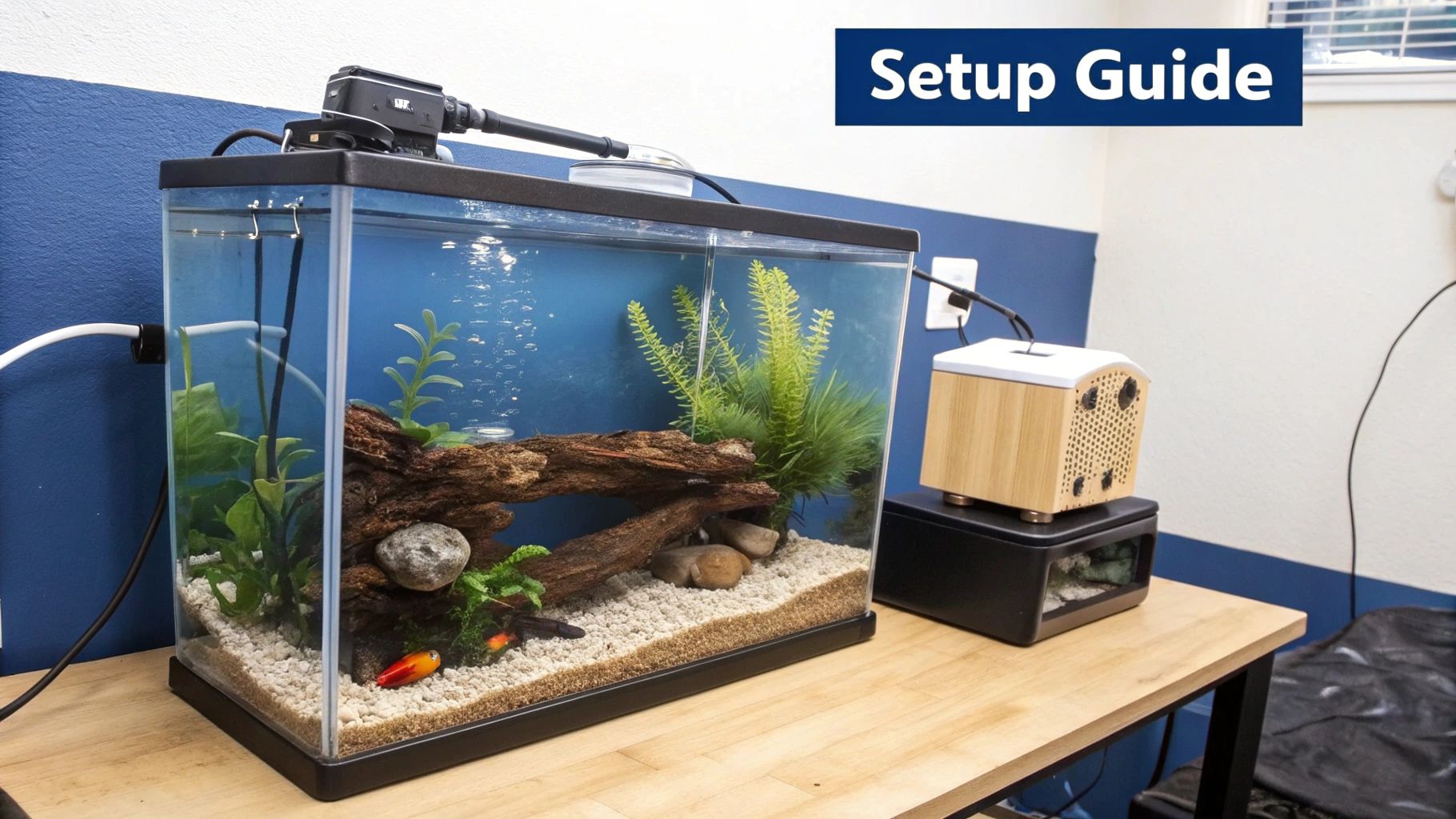
Credit: clixfueling.com
Choosing The Right Tank
Setting up a fish tank needs careful choices. The right tank helps fish live well and makes care easier.
Beginner-friendly equipment starts with picking a good tank size and material. These choices affect how your tank looks and works.
Ideal Tank Sizes For Beginners
Small tanks are easy to manage but need more care to keep water clean. Bigger tanks hold water longer and are more stable.
A 10 to 20-gallon tank is good for beginners. It is not too big or too small. This size gives space for fish and plants.
- 10 gallons: good for small fish and limited space
- 20 gallons: more room for fish and decorations
- 30 gallons or more: for more fish and better water stability
Material Options: Glass Vs Acrylic
Glass tanks are heavy and scratch resistant. They look clear and last a long time. Glass is more common and usually cheaper.
Acrylic tanks are lighter and stronger. They can bend and come in different shapes. Acrylic is easier to move but can scratch more.
- Glass: clear view, heavy, scratch resistant
- Acrylic: lighter, strong, easy to shape, scratches easily

Credit: www.aquariumsource.com
Selecting Basic Equipment
Setting up a fish tank is easier with the right equipment. Basic tools help keep fish healthy and water clean.
Choosing beginner-friendly gear makes the setup simple and stress-free. Focus on reliable and easy-to-use items.
Affordable Filters That Work
Filters clean the water by removing waste and debris. Good filters keep fish safe and tanks clear.
Look for filters that are easy to maintain and fit your tank size. Affordable options include sponge filters and hang-on-back filters.
- Sponge filters are gentle and good for small tanks.
- Hang-on-back filters are simple to install and clean.
- Canister filters work well for bigger tanks but cost more.
Beginner-friendly Heaters
Heaters keep the water at a steady temperature. Most tropical fish need warm water to stay healthy.
Pick heaters with an adjustable thermostat. This feature helps keep the temperature stable and prevents overheating.
- Submersible heaters are safe and easy to hide.
- Clip-on heaters attach to the tank side and save space.
- Look for models with automatic shutoff for safety.
Lighting Options For Freshwater Tanks
Lighting helps fish see and supports plant growth. Freshwater tanks need gentle and natural light.
LED lights are energy-efficient and last long. They come in different colors and brightness levels to suit your tank.
- Standard LED strips provide soft, even light.
- Full-spectrum LEDs support live plants well.
- Avoid very bright lights that stress fish.
Essential Accessories
Setting up a fish tank needs the right accessories to keep fish safe and healthy. This guide covers beginner-friendly equipment that helps you start easily.
Choosing the right accessories can make tank care simple and fun. Focus on substrate, decorations, and water testing tools.
Substrate Choices Made Simple
Substrate is the material at the tank bottom. It helps fish feel at home and supports plants. Choose gravel for easy cleaning or sand for gentle bottoms.
- Gravel: Good for most fish and simple to clean.
- Sand: Soft and ideal for bottom-dwelling fish.
- Plant substrate: Rich in nutrients for live plants.
Decorations That Benefit Fish
Decorations add shelter and reduce stress for fish. Use natural or safe artificial items to create hiding spots and play areas.
| Decoration Type | Benefit | Notes |
| Driftwood | Provides hiding places | Use aquarium-safe wood only |
| Plants | Improve water quality | Choose live or silk plants |
| Rocks | Create caves and barriers | Check for sharp edges |
Basic Water Test Kits
Water test kits check tank health by measuring key factors. Use kits that test pH, ammonia, nitrite, and nitrate levels.
- pH test: Measures acidity and alkalinity.
- Ammonia test: Detects toxic waste levels.
- Nitrite test: Shows harmful bacteria presence.
- Nitrate test: Indicates waste buildup.
Setting Up Your Tank
Setting up a fish tank is easy with the right tools. A good setup helps fish stay healthy and happy.
This guide shows you how to assemble the tank, prepare the water, and install equipment correctly.
Step-by-step Assembly
Start by choosing a flat, sturdy surface for your tank. Clean the tank with water only. Avoid soaps or chemicals.
- Place the tank stand or table in the desired location.
- Set the tank on the stand carefully.
- Add a layer of aquarium gravel or sand at the bottom.
- Arrange any decorations or plants you want to include.
- Make sure the tank glass is dry and clean before adding water.
Filling And Conditioning Water
Use clean, fresh water for your tank. Tap water often needs treatment to remove harmful chemicals.
| Step | Action |
| 1 | Fill the tank slowly with water to avoid disturbing the substrate. |
| 2 | Use a water conditioner to remove chlorine and chloramines. |
| 3 | Check the water temperature to match your fish species’ needs. |
| 4 | Let the water sit for 24 hours before adding fish. |
Installing Equipment Properly
Proper installation of equipment keeps the tank safe and stable. Follow the instructions for each device.
- Place the filter near the tank’s back or side to keep water clean.
- Install the heater below the water surface to keep temperature steady.
- Set up the air pump with tubing and air stones for good oxygen flow.
- Check all cords and plugs to avoid water contact and hazards.
- Test each device before adding fish to ensure they work well.
Choosing Beginner Fish
Setting up a fish tank is exciting for new hobbyists. Picking the right fish makes the process easier.
Beginner fish need simple care and peaceful behavior. These traits help you enjoy your tank without stress.
Low-maintenance Fish Species
Some fish require less care and adapt well to new tanks. These species are great for beginners.
- Betta fish: They live in small tanks and need minimal equipment.
- Guppies: Hardy fish that thrive in various water conditions.
- Zebra danios: Active swimmers that tolerate temperature changes.
- Platies: Colorful and peaceful, easy to feed and care for.
- Neon tetras: Small, social fish that prefer groups.
Fish Compatibility Tips
Choosing fish that get along reduces stress and fights in your tank. Check size, temperament, and needs.
| Fish Species | Compatibility | Tank Size Needed |
| Betta | Best alone or with small peaceful fish | 5 gallons minimum |
| Guppy | Good with other peaceful species | 10 gallons minimum |
| Zebra Danio | Great in groups, peaceful | 10 gallons minimum |
| Platy | Peaceful with other community fish | 10 gallons minimum |
| Neon Tetra | Needs groups, peaceful | 10 gallons minimum |

Credit: www.blessingsaquarium.com
Basic Maintenance Routine
Setting up a fish tank is exciting. Keeping it clean is essential for healthy fish. A basic maintenance routine helps in maintaining a balanced environment.
Regular tasks ensure the water stays clean and fish remain active. Let’s explore the key steps to maintain your fish tank.
Regular Water Changes
Changing the water in your tank keeps it clear and healthy. It removes waste and toxins that can harm fish.
- Use a siphon to remove water
- Replace with treated tap water
- Ensure water temperature matches
Filter Cleaning Made Easy
The filter is vital for removing debris and maintaining water quality. Cleaning it ensures it works efficiently.
| Filter Type | Cleaning Frequency |
| Sponge Filter | Every 2 weeks |
| Canister Filter | Monthly |
| Power Filter | Every 3 weeks |
Monitoring Fish Health
Observing your fish helps in early detection of health issues. Healthy fish are active and have clear eyes.
- Check fish behavior daily
- Look for signs of stress or disease
- Ensure water parameters are stable
Frequently Asked Questions
What Equipment Is Best For Beginner Fish Tanks?
Beginner fish tanks need easy-to-use filters, heaters, and lighting. Choose reliable brands with simple controls. Starter kits often include all essential gear. This ensures a stable environment and healthier fish.
How Do I Set Up A Fish Tank Step-by-step?
Clean the tank, install the filter and heater, add substrate, and fill with water. Condition the water and cycle the tank before adding fish. Follow equipment instructions carefully to ensure success.
Which Fish Species Suit Beginner-friendly Tanks?
Betta fish, guppies, and tetras are ideal for beginners. They require minimal space and simple care. These species adapt well to basic equipment and beginner setups.
How Often Should I Clean Beginner Fish Tank Equipment?
Clean filters and equipment every 2-4 weeks. Avoid using soap; rinse with tank water instead. Regular maintenance ensures efficient operation and a healthy fish environment.
Conclusion
Setting up a fish tank with beginner-friendly gear is simple and fun. Choose easy tools that keep water clean and fish happy. Keep the tank in a quiet place with good light. Regular care helps fish stay healthy and active.
Watch your fish grow and enjoy the peaceful view. A small effort brings big joy in fish keeping. Start small, learn step by step, and feel proud. Fish tanks bring calm and beauty to any room. Try it today and see the difference yourself.