
Setting up your fish tank is more than just filling it with water and adding fish. The background decor you choose can transform your aquarium into a stunning underwater world that catches every eye.
Imagine how your tank will look with vibrant colors or soothing scenes that make your fish feel right at home. You’ll discover simple, creative ideas to make your fish tank stand out while keeping your aquatic friends happy. Ready to turn your tank into a beautiful centerpiece?
Let’s dive in!
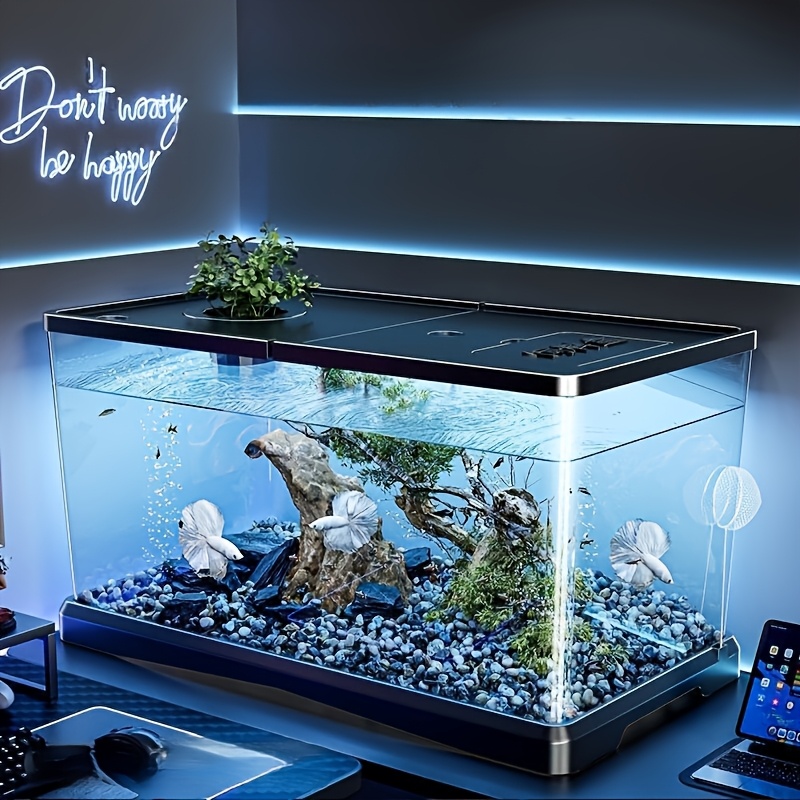
Credit: www.temu.com
Choosing The Right Tank
Setting up a fish tank starts with picking the right tank. The tank size and material affect fish health and decoration.
Think about how much space you have and the type of fish you want. This helps you choose a good tank.
Tank Sizes For Beginners
Beginners should pick a tank that is easy to manage. Small tanks are harder to keep clean.
A 20 to 30-gallon tank is a good size. It offers enough space for fish and decorations.
- 10 gallons: Small, for one or two small fish
- 20 gallons: Medium, good for beginners
- 30 gallons or more: Best for multiple fish
Material Options
Fish tanks are usually made of glass or acrylic. Each material has pros and cons.
Glass tanks are strong and scratch-resistant. Acrylic tanks are lighter and less likely to break.
- Glass: Clear view, heavier, more scratch-resistant
- Acrylic: Lightweight, easier to shape, can scratch more
Placement Tips
Place your tank where it gets stable temperature and low sunlight. Sunlight causes algae growth.
Keep the tank away from doors and vents. This stops sudden temperature changes that stress fish.
- Choose a flat, sturdy surface
- Avoid direct sunlight to reduce algae
- Keep away from drafts and heating vents
- Allow space for tank maintenance

Credit: www.amazon.com
Selecting Background Decor
Choosing the right background decor is key for a beautiful fish tank. It adds depth and style to your aquarium.
Backgrounds can hide wires and equipment, making the tank look neat and natural.
Types Of Backgrounds
There are many types of backgrounds for fish tanks. You can pick from solid colors, natural scenes, or 3D designs.
- Solid Color: Simple and clean, easy to match any decor.
- Nature Scenes: Images of plants, rocks, or underwater views.
- 3D Backgrounds: Textured surfaces that add depth.
- Custom Photos: Personal pictures or art printed on waterproof material.
Diy Vs Store-bought
Decide if you want to make your own background or buy one. Each has pros and cons to consider.
| Type | Advantages | Disadvantages |
| DIY | Custom design, cost-effective, creative | Time-consuming, may need special materials |
| Store-Bought | Easy to install, wide variety, durable | Can be expensive, less unique |
Matching Themes
Match your background with the tank’s theme. This creates a nice, unified look.
- For a natural theme, use backgrounds with plants or rocks.
- For a modern look, try solid or geometric designs.
- For tropical fish, bright and colorful backgrounds work well.
- Consider the fish colors to avoid clashes or hiding them.
Preparing The Tank
Setting up a fish tank needs careful steps to keep fish safe and healthy. Preparing the tank well gives your fish a good home.
This guide covers cleaning, adding background decor, and treating the water before adding fish.
Cleaning And Setup
Start by washing the tank and all equipment with warm water only. Do not use soap or detergents because they can harm fish.
- Rinse the tank with clean water.
- Clean gravel or substrate by rinsing it until water runs clear.
- Wash decorations and filters with warm water.
- Check for cracks or leaks in the tank before filling with water.
Installing Backgrounds
Background decor adds beauty and hides wires behind the tank. Choose a background that fits your tank size and theme.
Tips for Installing Backgrounds:
- Clean the back glass with a cloth before applying.
- Use water or a special adhesive to avoid air bubbles.
- Press firmly and smooth out wrinkles.
- Make sure the background is fully dry before adding water.
Water Conditioning
Tap water contains chemicals that can hurt fish. Use water conditioners to make the water safe.
| Water Conditioner | Purpose | Usage |
| Dechlorinator | Removes chlorine and chloramine | Add as per bottle instructions before filling tank |
| Ammonia Detoxifier | Neutralizes harmful ammonia | Use if cycling tank or high ammonia levels |
| pH Balancer | Adjusts water pH to suitable level | Test pH and add if needed |

Credit: www.youtube.com
Adding Substrate And Plants
Setting up a fish tank requires careful planning to create a healthy environment. Adding substrate and plants helps fish feel safe and adds beauty to the tank.
This guide covers how to choose substrate, pick plants, and arrange them for a natural look.
Choosing Substrate Types
Substrate is the material that covers the tank bottom. It affects plant growth and fish health. Choose the right type based on your tank needs.
- Gravel: Good for most fish and easy to clean.
- Sand: Soft for bottom dwellers but can compact over time.
- Plant soil: Rich in nutrients for healthy plant roots.
- Crushed coral: Raises water hardness and pH.
Plant Selection
Choose plants that match your tank size and light levels. Some plants grow fast and need trimming. Others grow slow and need less care.
| Plant Name | Light Needs | Growth Rate | Care Level |
| Java Fern | Low | Slow | Easy |
| Anubias | Low | Slow | Easy |
| Amazon Sword | Medium | Medium | Moderate |
| Water Wisteria | High | Fast | Moderate |
Arranging For Aesthetics
Arrange substrate and plants to make the tank look natural. Use tall plants at the back and small ones in front. Leave open space for fish to swim.
Here are tips for arranging your tank:
- Place rocks or driftwood for structure.
- Group plants in odd numbers for a natural look.
- Use different textures and colors for contrast.
- Keep pathways open for fish movement.
Decorative Elements
Decorative elements create a beautiful home for your fish. They add style and comfort to the tank. Choosing the right decorations helps mimic natural environments.
These elements also provide hiding spots and play areas. This makes your fish feel safe and active every day.
Rocks And Driftwood
Rocks and driftwood give your tank a natural look. They come in many shapes and sizes to fit your style. Both offer hiding places and resting spots for fish.
- Choose smooth rocks to avoid fish injuries
- Use driftwood to add texture and color
- Clean decorations well before adding to the tank
- Arrange pieces to create caves or tunnels
Ornaments And Accessories
Ornaments add fun and personality to your fish tank. They range from castles to sunken ships. Accessories like plants and bubbles enhance the scene.
| Type | Purpose | Material |
| Castles | Hide and explore | Resin |
| Plants | Natural look, oxygen | Plastic or live |
| Bubble walls | Decoration and oxygen | Plastic and air pump |
| Sunken ships | Visual interest | Resin |
Lighting Effects
Lighting changes the mood of your fish tank. Different colors and brightness levels show off decorations well. Soft light soothes fish and highlights their colors.
Popular lighting choices include:
- LED strips with color options
- Spotlights to focus on key decor
- Moonlight bulbs for nighttime viewing
Selecting Fish For Your Tank
Choosing the right fish is crucial for a successful tank setup. Consider the fish’s needs and your experience level.
Start with fish that are easy to care for. This helps you learn and enjoy your fish tank experience.
Beginner-friendly Species
Some fish species are easier for beginners. They adapt well and need less care.
- Guppies: Colorful and lively
- Betta Fish: Easy to maintain
- Neon Tetras: Peaceful and small
Compatibility Tips
Fish compatibility ensures a peaceful tank. Choose species that can live together.
| Fish Type | Compatible Partners |
| Guppies | Neon Tetras, Corydoras |
| Betta Fish | Snails, Ghost Shrimp |
| Neon Tetras | Guppies, Rasboras |
Fish Quantity Guidelines
Knowing how many fish to keep is important. It affects the tank’s health and water quality.
- Small tanks: 1 inch of fish per gallon
- Medium tanks: 2 inches of fish per gallon
- Large tanks: 3 inches of fish per gallon
Maintenance And Care
Setting up a fish tank with a background decor adds beauty to your space. Proper maintenance ensures a healthy environment for your fish.
Regular care keeps your fish tank clean and your fish happy. Focus on cleaning, monitoring, and upkeep to maintain a balanced ecosystem.
Cleaning Schedule
Cleaning your fish tank is crucial to prevent algae and bacteria buildup. A consistent schedule is key to maintaining a healthy tank.
- Change 10-15% of the water weekly.
- Clean the tank glass every two weeks.
- Vacuum the substrate monthly.
Monitoring Water Quality
Water quality affects the health of your fish. Regular checks help in maintaining the right conditions for your aquatic friends.
| Parameter | Ideal Range |
| pH Level | 6.5 – 8.0 |
| Temperature | 75°F – 80°F |
| Ammonia | 0 ppm |
Background Upkeep
The background decor enhances your tank’s appearance. Keep it clean and intact to maintain its visual appeal.
Frequently Asked Questions
What Materials Are Best For Fish Tank Background Decor?
Best materials include vinyl, acrylic, and waterproof posters. These are durable and easy to clean. Natural backgrounds like rocks or plants create a realistic look. Choose materials safe for fish to avoid harm or water contamination.
How Do I Install A Fish Tank Background?
Clean the tank glass thoroughly before installation. Use double-sided tape or adhesive designed for aquariums. Position the background carefully to avoid bubbles. Smooth out any wrinkles or air pockets for a clear view.
Can Background Decor Affect Fish Behavior?
Yes, backgrounds can reduce stress by providing hiding spots and visual security. Natural or dark backgrounds help shy fish feel safe. Avoid overly bright or reflective backgrounds that may cause stress or aggression.
How Often Should I Clean Fish Tank Backgrounds?
Clean backgrounds monthly or when algae build-up appears. Use a soft cloth and aquarium-safe cleaner. Avoid harsh chemicals that harm fish or plants. Regular cleaning maintains clear visibility and a healthy environment.
Conclusion
A well-decorated fish tank brings life and color to any room. Choose background decor that matches your style and fish needs. Simple setups create calm and happy fish environments. Clean and arrange your tank regularly to keep it healthy. Enjoy watching your fish swim in a beautiful, natural space.
Small changes can make your aquarium more inviting and fun. Start with easy ideas, then add details over time. Your fish tank can be a peaceful, lovely spot in your home.