
Setting up a fish tank can be a rewarding experience, but it often comes with challenges. What if you could keep your tank healthy and beautiful without constantly worrying about water quality or temperature?
With automated monitoring, you gain a smart helper that watches over your fish 24/7. This means fewer surprises and more time enjoying your underwater world. If you want an easy, stress-free way to care for your fish, keep reading. You’re about to discover how to create a fish tank setup that works for you—effortlessly and reliably.

Credit: www.youtube.com
Choosing The Right Fish Tank
Selecting the right fish tank is key for a happy aquarium. The tank size and shape affect fish health and space.
Think about tank material and where to place the tank in your home. These choices help your setup run smoothly.
Tank Sizes And Shapes
Choose a tank size that fits your space and fish needs. Bigger tanks are easier to keep stable.
Tank shapes include rectangular, cube, and bow front. Each shape offers different views and space for fish.
- Rectangular tanks offer more swimming space.
- Cube tanks work well for small spaces.
- Bow front tanks give a curved viewing area.
Material Options
Fish tanks come in glass or acrylic. Glass is scratch-resistant and heavier.
Acrylic tanks are lighter and clearer but scratch more easily. Pick material based on durability and budget.
- Glass tanks are strong and cost-effective.
- Acrylic tanks are lighter and easier to shape.
- Both materials hold water well for fish safety.
Placement Tips
Place your tank on a strong, flat surface to hold its weight. Avoid direct sunlight to prevent algae growth.
Keep the tank away from heaters or air conditioners. Stable room temperature helps fish stay healthy.
- Use a sturdy stand or table for the tank.
- Keep the tank away from windows and vents.
- Check that electrical outlets are near for equipment.
Essential Equipment For Setup
Setting up a fish tank with automated monitoring needs the right tools. These tools keep your fish healthy and your tank clean.
Using the proper equipment helps maintain water quality, light, and temperature. This makes your aquarium a safe home for fish.
Filtration Systems
Filtration systems clean the water by removing waste and toxins. They keep the water clear and safe for fish.
There are three main types: mechanical, biological, and chemical filters. Each type plays a different role in cleaning the tank.
- Mechanical filterstrap debris and particles.
- Biological filtersuse bacteria to break down harmful substances.
- Chemical filtersremove chemicals and odors.
Lighting Choices
Lighting helps fish see and supports plant growth. It also shows off the colors in your tank.
Choose lights based on your tank size and the needs of your fish and plants. LED lights are popular because they save energy.
- Use timers to control light periods automatically.
- Adjust brightness to avoid stressing fish.
- Choose colors that match your tank’s environment.
Heating Solutions
Most fish need stable water temperatures. Heaters keep the tank warm and comfortable.
Choose a heater that fits your tank size. Use a thermostat to keep the temperature steady and safe.
- Submersible heaters work well for most tanks.
- Use a heater guard to protect fish.
- Set the heater to match your fish species’ needs.
Introducing Automated Monitoring
Setting up a fish tank is easier with technology. Automated monitoring helps keep fish healthy.
This system tracks water and tank conditions. It alerts you if anything needs fixing.
Water Quality Sensors
Water quality sensors check levels like pH, ammonia, and nitrate. These are important for fish health.
- pH sensor measures acidity and alkalinity
- Ammonia sensor detects harmful waste
- Nitrate sensor tracks plant and fish waste
- Oxygen sensor ensures enough air in water
Temperature Control Devices
Fish need stable temperatures. Devices help keep the water warm or cool as needed.
| Device | Function |
| Heater | Raises water temperature |
| Chiller | Lowers water temperature |
| Thermostat | Maintains set temperature |
Feeding Automation
Automatic feeders give food on a set schedule. This keeps fish well-fed without overfeeding.
Benefits of Feeding Automation:
- Consistent feeding times
- Prevents food waste
- Reduces tank water pollution
- Easy to control portion size
Installing And Integrating Systems
Setting up a fish tank with automated monitoring can be exciting. This guide will help you integrate smart systems effectively.
Smart systems offer better control and ease of managing your fish tank environment.
Sensor Placement Strategies
Proper sensor placement ensures accurate data collection in your fish tank. Consider the following strategies for optimal results.
- Place temperature sensors away from direct light.
- Ensure water level sensors are near the tank’s edge.
- Position pH sensors in areas with good water flow.
Connecting To Smart Devices
Connecting your fish tank to smart devices allows for remote monitoring. Follow these steps to set up the connection.
Ensure your smart device and sensors are compatible. Connect them using a reliable network.
Setting Alerts And Notifications
Setting alerts helps you respond quickly to changes in your fish tank. Use these tips to configure notifications effectively.
- Set temperature alerts for sudden changes.
- Enable pH level notifications to maintain balance.
- Receive water level alerts to prevent overflow.
Maintaining Water Quality Automatically
Keeping fish tank water clean and safe is very important. Automatic tools help keep water quality steady without daily effort.
Using technology to check water and control changes keeps fish healthy. It also lowers the chance of problems in the tank.
Ph And Ammonia Monitoring
Good fish tanks need balanced pH and low ammonia. Sensors can test these levels all day and send alerts if they go wrong.
- pH sensors track how acidic or basic the water is.
- Ammonia sensors detect harmful chemicals from fish waste.
- Alerts help fix water quickly before fish get sick.
Automated Water Changes
Changing water often helps keep the tank clean. Automatic systems can remove old water and add fresh water on a set schedule.
| Feature | Benefit |
|---|---|
| Scheduled Water Removal | Removes waste and toxins regularly |
| Fresh Water Addition | Keeps minerals and pH balanced |
| Adjustable Settings | Customizes water change frequency and volume |
Algae Control Techniques
Algae can grow fast and harm fish. Automatic lighting and cleaning tools help control algae without manual work.
- Use timers to control light hours and reduce algae growth.
- Install robotic cleaners to scrub algae from tank walls.
- Add algae-eating fish or snails for natural control.
Enhancing Fish Health With Automation
Setting up a fish tank with automated monitoring can greatly improve fish health. This approach ensures consistent care and helps in detecting issues early.
Automation helps maintain a stable environment for fish, promoting longevity and vitality.
Monitoring Fish Behavior
Automated systems can observe fish behavior for signs of stress or illness. Cameras and sensors provide real-time data.
Automated Feeding Schedules
Automatic feeders dispense food at set intervals, ensuring consistent nutrition. This reduces the risk of overfeeding or underfeeding.
- Set feeder to match fish dietary needs
- Monitor food quantity to avoid waste
- Adjust schedule as fish grow
Disease Prevention Tips
Automation helps keep the tank clean, reducing disease risk. Regular monitoring of water quality is essential.
| Parameter | Ideal Range |
| pH Level | 6.5-7.5 |
| Temperature | 24-28°C |
| Ammonia | 0 ppm |
Troubleshooting Common Issues
Setting up a fish tank with automated monitoring makes care easier. Yet, some common problems may appear.
Knowing how to fix sensor, connectivity, and equipment issues helps keep your tank healthy.
Sensor Calibration Problems
Sensors need correct calibration for accurate readings. Wrong calibration causes false alerts or missed warnings.
- Check sensor instructions for calibration steps.
- Recalibrate sensors regularly to keep accuracy.
- Clean sensors to avoid dirt affecting readings.
- Replace faulty sensors if errors continue.
Connectivity Challenges
Automated systems rely on good connectivity. Poor connections cause data loss and delayed alerts.
| Issue | Cause | Solution |
| Wi-Fi drops | Weak signal | Move router closer or use extender |
| Device offline | Power failure | Check power supply and cables |
| Slow updates | Network congestion | Limit other devices on network |
Equipment Malfunctions
Equipment like filters and heaters may break or stop working well. This affects fish health and system function.
Follow these tips to fix common equipment problems:
- Inspect equipment for damage or wear.
- Clean parts to remove buildup or blockages.
- Test equipment regularly for proper function.
- Replace parts that show signs of failure.
- Keep spare parts handy for quick swaps.
Upgrading And Expanding Your Setup
Improving your fish tank setup helps keep your aquatic pets healthy. Adding new technology makes monitoring easier and more accurate.
Expanding your tank setup allows you to care for more fish or create a more natural environment. Let’s explore some ways to upgrade.
Adding New Sensors
New sensors can track more water conditions and give you better information. Common sensors include temperature, pH, and ammonia sensors.
- Oxygen level sensors to check air quality in the water
- Light sensors to adjust the tank’s lighting automatically
- Water flow sensors to monitor pumps and filters
- Salinity sensors for saltwater tanks
Integrating Ai And Machine Learning
AI and machine learning can help detect patterns in tank data. They predict problems before fish get sick.
Here is how AI can improve your tank setup:
- Analyze water quality trends over time
- Send alerts for unusual changes
- Suggest feeding times and amounts
- Control lighting and temperature automatically
Expanding Tank Capacity
Adding more tanks or increasing size lets you keep more fish or different species. You need to plan space and equipment carefully.
| Consideration | Details |
|---|---|
| Tank Size | Choose size based on fish type and number |
| Filtration | Upgrade filters to handle larger water volume |
| Monitoring | Use sensors for each tank section |
| Maintenance | Schedule regular cleaning and water changes |
Cost Considerations And Budgeting
Setting up a fish tank with automated monitoring can save time and improve fish health. Understanding the costs helps you plan your budget well.
This guide covers the main expenses and offers tips to keep your setup affordable.
Initial Investment Breakdown
The first costs include the tank, equipment, and monitoring system. These are one-time expenses needed to start your fish tank.
- Fish tank size and material
- Filtration and lighting systems
- Automated sensors and controllers
- Heaters and water pumps
- Decorations and substrate
Ongoing Maintenance Costs
Regular costs keep your fish healthy and the system running. These include supplies and energy use.
- Electricity to power equipment
- Water treatments and fish food
- Replacement parts like filters
- Periodic sensor calibration
- Cleaning and maintenance tools
Cost-saving Tips
Saving money is possible with smart choices. Focus on quality and reuse where you can.
- Buy a tank that fits your space and fish needs
- Choose energy-efficient equipment
- Use automated monitoring to prevent problems early
- Clean filters regularly to extend life
- Shop for supplies in bulk or on sale
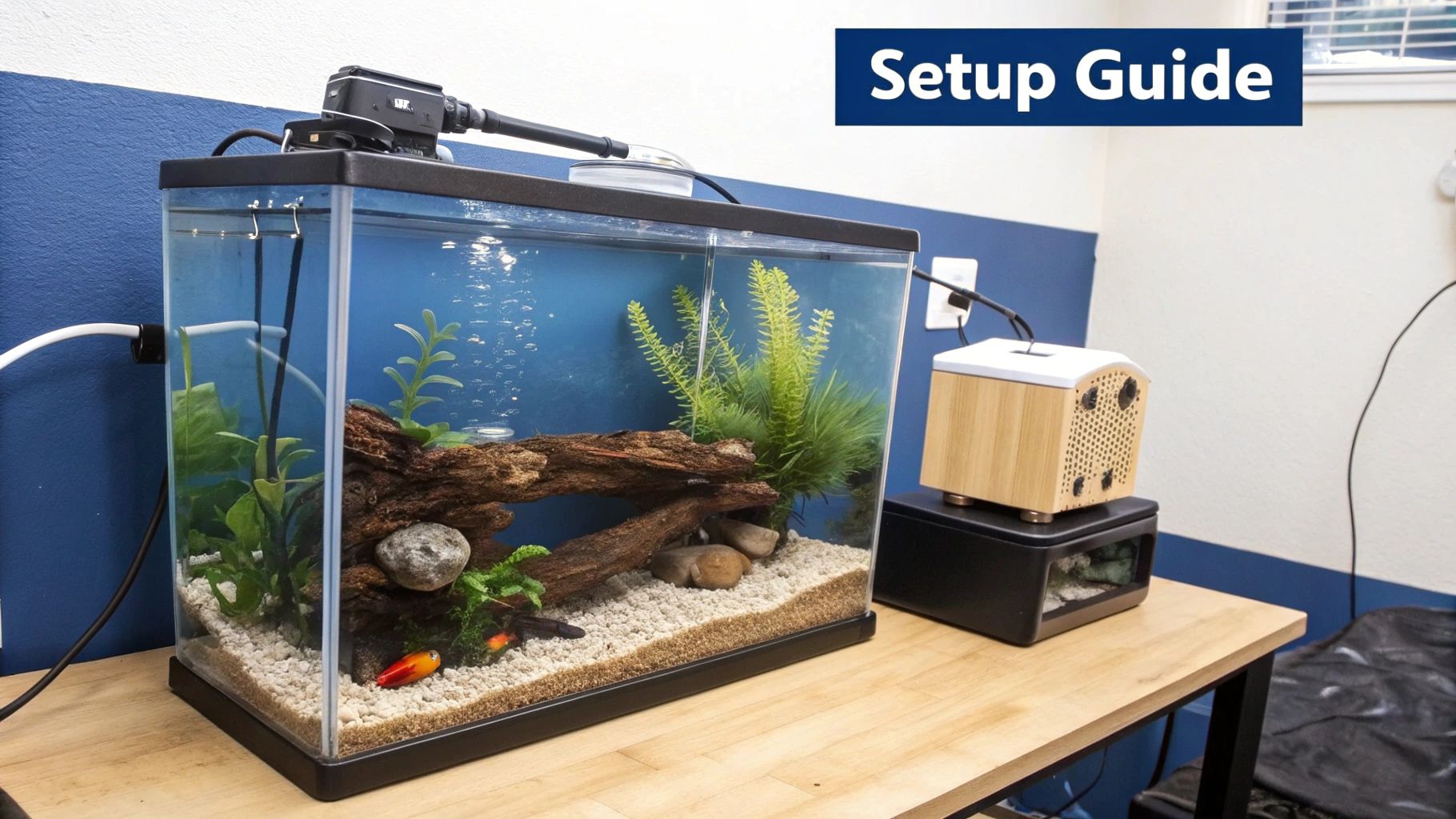
Credit: clixfueling.com
Best Practices For Easy Fish Care
Setting up a fish tank with automated monitoring helps keep fish healthy. Automation makes daily care simple and less stressful.
Using technology with manual checks creates a balanced approach. This guide covers easy ways to care for fish using both methods.
Routine Checks With Automation
Automated sensors track water temperature, pH, and oxygen levels constantly. Alerts notify you if conditions change quickly.
Daily automated reports help catch problems early. This saves time and prevents fish stress or illness.
- Check sensor readings each morning
- Clean sensors regularly for accurate data
- Set alert limits based on fish species
- Use automated feeders for consistent feeding
Balancing Manual And Automated Care
Automated tools do not replace human observation. Watch fish behavior and tank cleanliness daily to spot issues automation might miss.
Manual tasks like water changes and algae cleaning keep the tank healthy. Use automation to support these tasks, not skip them.
- Observe fish for signs of stress or illness
- Perform water changes weekly
- Clean tank surfaces and decorations
- Adjust automated settings based on manual checks
Community Insights And Resources
Join online forums or local fish clubs to share care tips. Experienced hobbyists offer advice on using automation effectively.
Many apps and websites provide data and monitoring support. Use these tools to learn and improve your fish care routine.
- Participate in fish care forums and groups
- Read reviews on automated equipment
- Use apps for tracking tank conditions
- Share your own experiences to help others

Credit: www.amazon.ca
Frequently Asked Questions
What Is Automated Monitoring In Fish Tank Setup?
Automated monitoring uses sensors to track water quality and tank conditions. It helps maintain stable parameters like temperature, pH, and oxygen. This reduces manual checks and ensures fish health. Alerts notify you of any changes needing attention, improving tank management efficiency.
How Does Automated Monitoring Improve Fish Health?
Automated systems detect water issues early, preventing harmful conditions. Consistent monitoring keeps temperature and pH within safe ranges. This reduces stress and disease risks for fish. It ensures a stable environment, promoting growth and longevity.
What Equipment Is Needed For Automated Fish Tank Monitoring?
Key equipment includes sensors for temperature, pH, and ammonia levels. A controller collects data and triggers alerts or adjustments. Some systems connect to smartphones for remote monitoring. Proper installation ensures accurate readings and reliable automation.
Can Automated Monitoring Systems Save Time For Fishkeepers?
Yes, these systems reduce the need for manual testing and adjustments. Continuous monitoring provides real-time data without daily effort. Automated alerts help address problems quickly. This frees up time while improving tank maintenance accuracy.
Conclusion
Setting up a fish tank with automated monitoring makes care easier. You can keep water conditions steady and fish healthy. The system alerts you if something goes wrong fast. This helps prevent problems and saves time. Automated tools give you peace of mind daily.
Enjoy watching your fish thrive with less worry. Simple steps lead to a beautiful, balanced tank. Start small, learn as you go, and enjoy the process.