
Setting up a fish tank can be exciting, but choosing the right decorations is key to creating a beautiful and healthy environment for your fish. If you want your aquarium to look vibrant without the hassle of maintaining live plants, artificial plants might be the perfect choice for you.
They add color, texture, and shelter for your fish while keeping your tank easy to care for. You’ll discover simple steps to set up your fish tank with artificial plants and tips to make it look natural and inviting. Ready to transform your aquarium into a stunning underwater world?
Let’s dive in!

Credit: www.amazon.com
Benefits Of Artificial Plants
Artificial plants are a popular choice for fish tanks. They add color and life without many problems.
These plants do not need sunlight or special care. They stay beautiful for a long time.
Longevity And Durability
Artificial plants last much longer than real ones. They do not wilt or die inside the tank.
- Do not decay or rot in water
- Keep their shape and color for years
- Resist damage from fish and cleaning tools
Low Maintenance Requirements
These plants need little care. You do not have to trim or replace them often.
| Maintenance Task | Artificial Plants | Real Plants |
|---|---|---|
| Watering | None needed | Regular watering required |
| Trimming | Rarely needed | Frequent trimming needed |
| Lighting | No special light required | Needs natural or artificial light |
| Replacement | Rarely replaced | Often replaced |
Safe For Fish And Environment
Artificial plants are safe for fish and the tank’s environment. They do not release harmful chemicals.
- Made from non-toxic materials
- Do not affect water quality
- Provide hiding spots and shelter for fish
- Do not attract pests or algae growth
Choosing The Right Artificial Plants
Artificial plants add beauty to your fish tank without extra care. Picking the right plants helps create a natural look for your aquarium.
Many options exist, so it is important to choose plants that fit your tank’s size and style. Consider how they will look and last over time.
Selecting Plant Types
Choose plant types that match your aquarium theme. Tall plants work well in the back, while short plants fit the front.
- Grass-like plants create a soft, natural floor
- Broad-leaf plants add color and texture
- Floating plants give a lively, airy feel
- Coral-style plants add bright shapes and contrast
Considering Colors And Sizes
Colors and sizes should balance with your fish and tank decor. Use different shades of green with occasional red or purple for interest.
| Plant Color | Effect in Aquarium |
| Dark Green | Creates depth and shadow |
| Light Green | Brightens the tank |
| Red or Purple | Adds color contrast |
| Mixed Sizes | Makes the tank look natural |
Materials And Quality
Quality materials last longer and stay safe for fish. Avoid plants with sharp edges or toxic paints.
Look for these material features:
- Soft, smooth plastic that won’t harm fish
- Non-toxic dyes and paints
- Strong bases that hold plants in place
- Durability to resist fading or breaking
Preparing The Fish Tank
Setting up a fish tank with artificial plants requires careful preparation. A clean and well-arranged tank helps fish stay healthy.
Before adding water or fish, prepare the tank base and equipment. This will create a safe and attractive environment.
Cleaning And Setting The Base
Start by rinsing the tank with warm water. Do not use soap or chemicals as they can harm fish.
Check for cracks or damage in the tank. Place it on a sturdy, level surface to avoid leaks or spills.
Adding Substrate And Decorations
Choose a substrate like gravel or sand to cover the tank bottom. Rinse the substrate well before adding it.
Place artificial plants and decorations carefully. Arrange them to give fish hiding spots and open swimming areas.
- Rinse gravel or sand thoroughly
- Add about 2-3 inches of substrate
- Position plants for natural look
- Leave space for fish to swim freely
Arranging Equipment
Install the filter, heater, and lighting before adding water. These help keep water clean and stable.
Place the equipment where it is easy to access. Make sure cords are safe and not near water edges.
- Set up the filter for water flow
- Adjust heater to proper temperature
- Install lighting to support plants and fish
- Check all equipment works before filling tank
Arranging Artificial Plants
Arranging artificial plants in a fish tank helps create a lively and natural look. It also makes your tank more interesting for your fish.
Proper placement of plants improves the tank’s appearance and provides comfort to the fish.
Creating Natural Layouts
Design your tank to look like a natural underwater scene. Use plants of different shapes and colors to mimic real water plants. Place taller plants at the back and shorter ones in front to keep the view clear.
- Use a variety of plant sizes and shapes
- Place plants in groups, not evenly spaced
- Mix colors to add visual interest
- Leave open spaces for fish to swim
Layering Plants For Depth
Layer plants by height and size to add depth to the tank. Put tall plants at the back and medium plants in the middle. Use small plants in the front near the glass.
| Plant Layer | Plant Type | Placement |
| Back | Tall plants | Far back of the tank |
| Middle | Medium plants | Center area |
| Front | Small plants | Near the glass |
Using Plants To Enhance Hiding Spots
Fish need places to hide and feel safe. Use dense plants to create natural hiding spots. Cluster plants near rocks or decorations to offer shelter and reduce stress.
- Place dense plants around tank corners
- Use plants near caves or ornaments
- Mix tall and bushy plants for cover
- Leave paths for fish to swim freely
Maintaining Your Artificial Plant Tank
Artificial plants add beauty to your fish tank without much hassle. Keeping them clean and your tank healthy is still important. Proper care helps your tank look fresh and your fish stay safe.
This guide covers easy ways to care for your artificial plants and tank water. Follow these tips to prevent problems and enjoy a clear, bright tank.
Cleaning Artificial Plants
Regular cleaning stops dirt and algae from building up on your plants. Use gentle methods to keep them looking natural and safe for your fish.
- Remove plants from the tank carefully.
- Rinse with warm water to wash off loose debris.
- Use a soft brush to scrub away algae spots.
- Soak plants in a vinegar solution for 10 minutes to remove tough stains.
- Rinse well with clean water before placing them back.
Monitoring Water Quality
Good water quality keeps fish healthy and prevents plant damage. Test your water often and watch for changes.
| Parameter | Ideal Range | Why It Matters |
| pH Level | 6.5 – 7.5 | Controls fish comfort and plant condition |
| Ammonia | 0 ppm | High levels are toxic to fish |
| Nitrite | 0 ppm | Can harm fish and plants |
| Nitrate | Below 20 ppm | Too high causes algae growth |
| Temperature | 74°F – 80°F (23°C – 27°C) | Best range for most tropical fish |
Preventing Algae Growth
Algae can cover your artificial plants and tank surfaces. Keep it under control with simple habits.
- Limit tank light to 8-10 hours per day.
- Do partial water changes weekly.
- Remove visible algae using a soft sponge.
- Avoid overfeeding your fish.
- Use algae-eating fish or snails if possible.
Credit: www.ebay.com
Common Mistakes To Avoid
Setting up a fish tank with artificial plants can be fun and rewarding. But there are common mistakes that can affect the health of your fish and the look of your tank.
Understanding these mistakes will help you create a healthy and beautiful environment for your aquatic friends.
Overcrowding The Tank
Putting too many fish in one tank can cause stress and illness. Fish need space to swim and grow.
Too many fish can also lead to poor water quality. It is important to know how many fish your tank can hold.
- Check the size of your tank before adding fish
- Follow guidelines for fish per gallon
- Monitor water quality regularly
Using Low-quality Plants
Artificial plants can be a great addition to your tank. But low-quality plants can harm your fish and tank.
Cheap plants may break down, creating debris and affecting water quality. Choose durable and safe materials for your plants.
- Research materials before buying plants
- Look for fish-safe labels
- Avoid plants with sharp edges
Ignoring Fish Behavior
Fish behavior can tell you a lot about their health and happiness. Ignoring these signals can lead to problems.
Fish may act differently if they are stressed or sick. Pay attention to changes in movement or feeding habits.
| Behavior | Possible Issue |
|---|---|
| Hiding often | Stress or poor tank setup |
| Not eating | Illness or water quality |
Enhancing The Tank’s Aesthetic
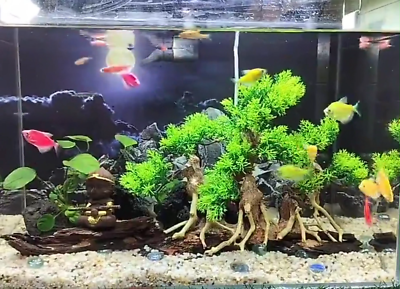
A well-designed fish tank can add a touch of elegance to any room. By incorporating artificial plants, you can create a visually appealing environment that enhances the tank’s aesthetic.
Adding Complementary Decorations
Complementary decorations can elevate the overall look of your fish tank. Consider adding decorative rocks, driftwood, or other ornaments to create a unique and interesting environment.
- Decorative rocks provide a natural-looking base for your tank
- Driftwood adds a touch of rustic charm
- Ornaments can be used to create a themed environment
Lighting Tips For Artificial Plants
Artificial plants require proper lighting to maintain their color and texture. Consider using LED lights or T5 lights to provide the necessary illumination.
When choosing lights, consider the color temperature and intensity. Cool white lights are best for plants with bright colors, while warm white lights are suitable for plants with more muted tones.
Incorporating Backgrounds And Substrates
The background and substrate of your tank play a crucial role in creating a visually appealing environment. Consider using a dark-colored background to make the artificial plants stand out.
- Dark-colored backgrounds create a dramatic effect
- Light-colored backgrounds provide a more subtle look
- Substrates such as gravel or sand can add texture and interest

Credit: www.youtube.com
Frequently Asked Questions
What Are The Benefits Of Using Artificial Plants In Fish Tanks?
Artificial plants require no maintenance, do not decay, and keep water clean. They provide hiding spots and enhance tank aesthetics without affecting water chemistry.
How Do Artificial Plants Affect Fish Health?
Artificial plants do not release toxins or affect water quality. They offer shelter and reduce fish stress, promoting healthy behavior and environment.
Can Artificial Plants Replace Live Plants In A Fish Tank?
Yes, artificial plants can replace live ones for decoration and shelter. However, they lack natural oxygen production and nutrient absorption benefits.
How To Properly Clean Artificial Plants In A Fish Tank?
Remove plants and rinse with warm water. Use a soft brush to remove algae. Avoid soap or chemicals to protect fish health.
Conclusion
Artificial plants bring beauty without much care. They create a calm, natural look in your tank. Fish enjoy swimming through the leaves and stems. Cleaning becomes easier with no real plants to trim. Choose colors and shapes that suit your style.
Set up your tank with confidence and joy. Watch your fish thrive in their peaceful home. Simple steps lead to a lively, vibrant aquarium. Enjoy the calm and charm artificial plants provide.