
Setting up your fish tank just right can make all the difference for your aquatic friends. If you want your fish to thrive, adding an air pump is a game changer.
It keeps the water oxygen-rich and lively, creating a healthier environment for your fish. Wondering how to choose and install the perfect air pump for your tank? Keep reading, because this guide will walk you through every step, making sure your fish tank setup is simple, effective, and beneficial for your underwater world.
You’re just a few steps away from a vibrant, bubbling aquarium that your fish will love.
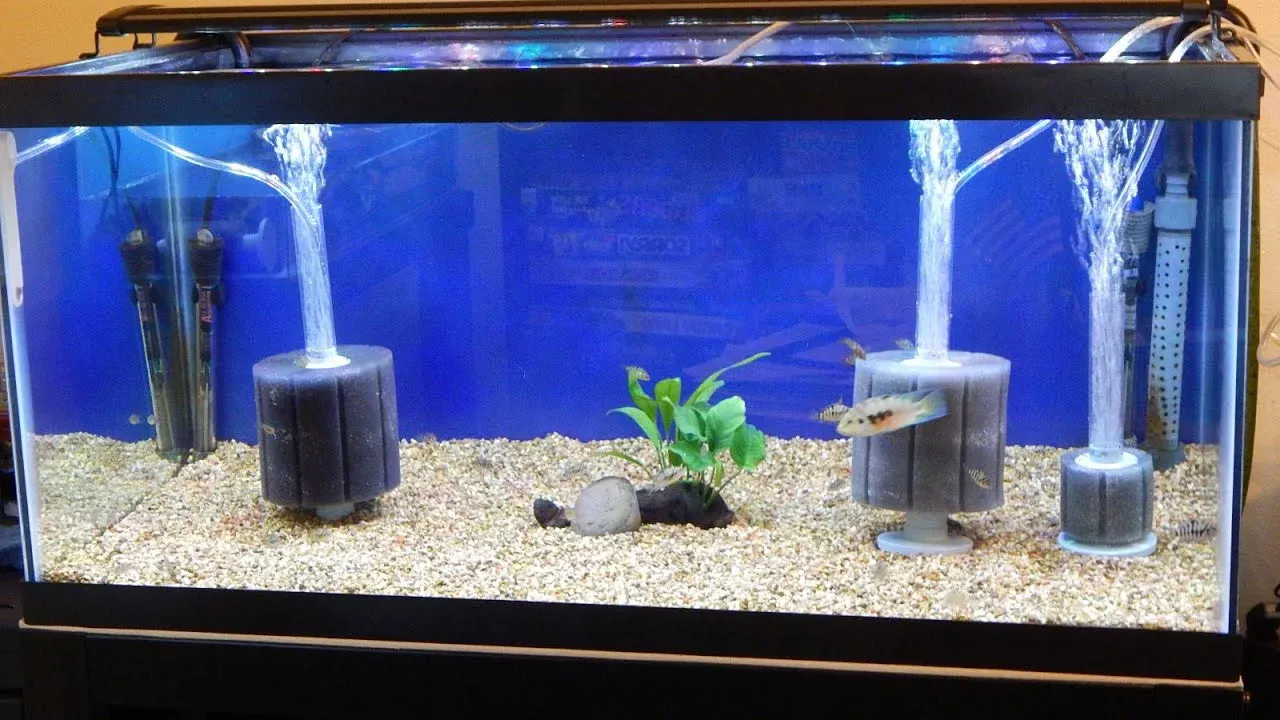
Credit: aquadecorbackgrounds.com
Choosing The Right Air Pump
An air pump is essential for a healthy fish tank. It helps oxygenate the water and keeps fish active.
Choosing the right air pump depends on the tank size and your specific needs. Let’s explore what to consider.
Types Of Air Pumps
There are several types of air pumps available. Each works differently to move air into the tank.
- Diaphragm pumps use a vibrating diaphragm to push air out.
- Piston pumps have a piston that moves air with each stroke.
- Rotary vane pumps use a rotating mechanism for continuous airflow.
- Electric pumps are common and easy to use with adjustable settings.
Size And Power Considerations
Choose an air pump that matches your tank size. Too small means low oxygen. Too big wastes energy.
| Tank Size | Recommended Air Pump Power |
| Up to 10 gallons | 1 to 3 liters per minute (LPM) |
| 10 to 30 gallons | 3 to 6 LPM |
| 30 to 50 gallons | 6 to 10 LPM |
| Over 50 gallons | 10+ LPM |
Energy Efficiency And Noise Levels
Air pumps run many hours daily. Choose one that uses less power and stays quiet.
- Look for pumps with low wattage to save electricity.
- Check if the pump has noise reduction features.
- Place the pump on a soft surface to lower sound.
- Consider models with adjustable airflow to control power use.
Essential Air Pump Accessories
A fish tank needs an air pump to help fish breathe. The pump needs certain accessories to work well.
These accessories ensure the air reaches the water and is properly used. Let’s explore the key accessories needed.
Air Stones And Diffusers
Air stones and diffusers break air into tiny bubbles. This helps spread oxygen in the water.
They also create pleasing bubbles that fish enjoy. Choose one that fits your tank size.
- Small stones for small tanks
- Large diffusers for big tanks
- Adjustable diffusers for flexible setups
Check Valves And Tubing
Check valves stop water from flowing back into the pump. They protect the pump from damage.
Tubing carries air from the pump to the tank. Use strong tubing to avoid leaks.
- Clear tubing for easy inspection
- Flexible tubing for easy installation
- Durable tubing to last long
Air Controls And Splitters
Air controls adjust the air flow to your tank. This keeps the environment stable for fish.
Splitters divide air to multiple parts of the tank. They help manage air distribution effectively.
- Single splitters for one tank
- Multiple splitters for complex setups
- Easy-to-use controls for precise adjustment
Setting Up Your Air Pump
Adding an air pump to your fish tank helps keep the water fresh. It also makes the tank more comfortable for fish.
Setting up the air pump correctly ensures it works well and lasts longer. Follow these simple steps to get started.
Positioning The Pump
Place the air pump higher than the water level. This prevents water from flowing back into the pump.
Keep the pump away from water splashes and direct sunlight. This helps protect it and keeps it dry.
- Position pump on a stable surface
- Keep it above the tank water level
- Avoid wet or humid places
- Place it away from heat sources
Connecting Tubing And Air Stones
Attach one end of the tubing to the air pump outlet. Make sure it fits tightly to avoid air leaks.
Connect the other end of the tubing to the air stone. Air stones spread air bubbles evenly in the water.
- Use flexible tubing made for aquariums
- Check connections for a snug fit
- Place air stones at the bottom of the tank
- Trim tubing if it is too long
Testing Air Flow And Adjustments
Turn on the air pump and watch the bubbles. Make sure air flows steadily from the air stones.
If bubbles are weak or uneven, adjust the tubing or reposition the air stone. Check for blockages or leaks.
- Listen for unusual pump noises
- Ensure steady bubble flow
- Fix any loose tubing connections
- Clean or replace clogged air stones
Benefits Of Using An Air Pump
An air pump helps keep your fish tank healthy and clean. It adds oxygen to the water, which is vital for fish to breathe. It also moves water around the tank to stop it from becoming still.
Using an air pump supports the natural processes inside the tank. It creates a better environment for your fish and plants to grow.
Improving Oxygen Levels
Air pumps increase the oxygen in the water by pushing air bubbles into the tank. These bubbles rise and help mix air from above the water. This process lets oxygen enter the water and carbon dioxide leave it.
- Fish get enough oxygen to stay healthy.
- Plants can breathe better underwater.
- Reduces fish stress and improves activity.
Enhancing Water Circulation
The air pump moves water inside the tank. This stops dead spots where water can get dirty or lack oxygen. Good circulation helps spread heat and nutrients evenly throughout the tank.
| Benefit | Effect |
| Prevents stagnant water | Stops waste buildup |
| Distributes heat | Keeps water temperature stable |
| Spreads nutrients | Supports plant and fish health |
Supporting Beneficial Bacteria
Beneficial bacteria live in fish tanks and help break down fish waste. These bacteria need oxygen to work well. The air pump supplies oxygen to the bacteria, helping them clean the water.
Key points about bacteria support:
- Oxygen helps bacteria break down harmful chemicals.
- Good bacteria keep the tank water clear and safe.
- Air pumps maintain a healthy balance in the tank’s ecosystem.
Maintaining A Healthy Aquarium
Setting up a fish tank with an air pump is just the start. Keeping the aquarium clean and safe is key to healthy fish.
Regular care helps fish live longer and stay active. Watch your tank closely and act fast if you see problems.
Regular Cleaning And Inspection
Clean your tank every week to remove waste and algae. Check the air pump and filter to make sure they work well.
- Change 10-15% of the water weekly
- Remove uneaten food daily
- Clean the glass and decorations gently
- Check air pump tubing for blockages
Replacing Worn Accessories
Parts like air pump tubing and filter pads wear out over time. Replace them to keep your tank healthy.
| Accessory | Replacement Frequency |
| Air Pump Tubing | Every 6 months |
| Filter Pads | Every 3-4 weeks |
| Air Stones | Every 3-6 months |
Monitoring Fish Behavior And Water Quality
Watch your fish for signs of stress like hiding or gasping. Test water often to keep levels safe.
- Look for changes in fish movement or eating habits
- Test ammonia, nitrite, and pH weekly
- Keep water temperature stable
- Use an aquarium water test kit

Credit: www.amazon.com
Troubleshooting Common Issues
Setting up a fish tank with an air pump can improve water quality and oxygen levels. Sometimes, problems occur that affect the pump’s performance. Knowing how to fix common issues helps keep your tank healthy.
This guide covers the usual problems you might face. You will learn how to handle pump noise, weak airflow, and tubing leaks.
Pump Noise And Vibrations
Noise and vibrations from the air pump can disturb your fish and make the tank area unpleasant. These sounds often come from loose parts or improper placement.
- Place the pump on a soft surface to reduce vibrations.
- Check for loose screws and tighten them carefully.
- Ensure the pump is not touching the tank or other objects.
- Use a rubber pad or sponge underneath the pump.
Weak Or No Air Flow
Weak air flow or no bubbles may mean the pump is blocked or damaged. This issue can reduce oxygen for your fish and harm the tank environment.
| Problem | Cause | Solution |
| No air flow | Power failure or unplugged pump | Check power source and plug in pump |
| Weak air flow | Clogged air stone or tubing | Clean or replace air stone and tubing |
| Weak air flow | Blocked pump intake | Clean pump intake and remove debris |
| No air flow | Damaged pump diaphragm | Replace pump or diaphragm |
Leaks And Tubing Problems
Leaks or damaged tubing can cause air loss and reduce pump efficiency. Fixing tubing issues keeps the system working smoothly and prevents water damage.
- Inspect tubing for cracks or holes regularly.
- Replace tubing if it feels brittle or shows signs of wear.
- Ensure all tubing connections are tight and secure.
- Use clamps if tubing fits loosely on fittings.
Advanced Tips For Aquascaping
A well-planned fish tank setup improves plant health and visual appeal.
Using an air pump can help create a lively and healthy aquascape.
Using Air Pumps For Plant Growth
Air pumps increase oxygen levels in water. This supports root respiration.
Plants grow better with more oxygen and water movement near roots.
- Place air stones close to plant roots for better oxygen supply
- Use gentle bubbles to avoid disturbing delicate plants
- Check that air flow does not dry out plants above water
- Combine air pumps with CO2 injection for faster growth
Creating Visual Effects With Bubbles
Bubbles add movement and sparkle to your aquascape. They catch light beautifully.
Arrange air stones to create different bubble sizes and patterns.
Try placing stones behind rocks or plants for natural bubble trails.
Combining Air Pumps With Filters
Air pumps work well with filters to keep water clean and oxygen-rich.
| Benefit | Explanation |
| Improved Oxygenation | Air pumps increase oxygen, helping filter bacteria work better. |
| Water Circulation | Air bubbles create movement that spreads filtered water evenly. |
| Reduced Dead Zones | Combining devices prevents stagnant areas in the tank. |
| Cleaner Environment | Filters remove waste, air pumps boost plant and fish health. |
Set air stones near filter outlets for the best water flow and oxygen mix.

Credit: www.aqqapet.com
Frequently Asked Questions
What Is The Purpose Of An Air Pump In A Fish Tank?
An air pump circulates oxygen-rich air into the water, improving oxygen levels. It helps maintain healthy fish and beneficial bacteria growth. The pump also enhances water movement, preventing stagnation and promoting a cleaner tank environment.
How Do I Install An Air Pump In My Fish Tank?
Place the air pump above water level to prevent backflow. Connect the pump to an air stone using tubing. Submerge the air stone in the tank and plug in the pump to start aeration.
Can An Air Pump Help Reduce Fish Stress?
Yes, air pumps improve oxygen circulation, which reduces fish stress. Well-oxygenated water supports fish health and natural behavior. It also prevents harmful gas buildup, creating a calmer environment for your fish.
How Often Should I Run The Air Pump In My Tank?
Run the air pump continuously for best results. Consistent aeration maintains stable oxygen levels and water quality. However, adjust based on fish species and tank size, ensuring no excessive bubbles disturb the fish.
Conclusion
Setting up a fish tank with an air pump improves water flow and oxygen levels. It helps keep fish healthy and active. Choose the right pump size for your tank. Place the air stone properly to spread bubbles evenly. Regular maintenance keeps the system working well.
A good setup creates a better home for your fish. It also makes tank care easier and more enjoyable. Start simple, watch your fish thrive, and enjoy your aquarium.