
Setting up a fish tank can be exciting, but there’s one key element you might overlook: aeration. Without proper oxygen flow, your fish won’t thrive, no matter how beautiful your tank looks.
If you want your underwater world to stay healthy and vibrant, understanding how to set up aeration is essential. You’ll learn simple and effective ways to add oxygen to your tank, keeping your fish happy and your aquarium sparkling. Keep reading—you’re just a few steps away from mastering the perfect fish tank setup with aeration.
Choosing The Right Tank
Setting up a fish tank with aeration needs careful planning. Choosing the right tank is the first step.
The tank you select affects fish health and aeration efficiency. Consider size, material, and placement.
Tank Size And Shape
Tank size impacts how many fish you can keep and how well the aeration works. Bigger tanks hold more water and oxygen.
Shape matters too. Long tanks give more surface area for oxygen exchange. Tall tanks may limit aeration at the bottom.
- Choose a tank size that fits your space and fish needs.
- Long and wide tanks improve oxygen flow.
- Avoid very tall tanks for better aeration.
Material Options
Tanks come in glass and acrylic. Glass is heavy but scratch-resistant. Acrylic is lighter and clearer.
| Material | Weight | Clarity | Scratch Resistance |
| Glass | Heavy | Good | High |
| Acrylic | Light | Excellent | Low |
Placement Tips
Where you place the tank affects fish comfort and aeration. Avoid direct sunlight to stop algae growth.
- Place tank on a sturdy, level surface.
- Keep away from windows and heaters.
- Ensure easy access for maintenance.

Credit: aquascapeshop.com
Selecting Aeration Equipment
Aeration keeps water healthy and oxygen-rich for fish. Choosing the right equipment helps your tank thrive.
Good aeration equipment moves air efficiently and quietly. It supports fish health and reduces tank odors.
Types Of Air Pumps
Air pumps push air into the tank to add oxygen. They come in many sizes and power levels.
Choose an air pump based on tank size and fish needs. Smaller tanks need less air, bigger tanks need more.
- Electric diaphragm pumps are quiet and efficient.
- Battery-powered pumps work during power outages.
- Adjustable pumps let you control air flow.
Air Stones And Diffusers
Air stones and diffusers spread air into tiny bubbles. This increases oxygen in the water.
Air stones are cheap and easy to replace. Diffusers create finer bubbles for better oxygen spread.
- Choose air stones for simple, steady aeration.
- Use diffusers for larger tanks or planted aquariums.
- Clean stones and diffusers often to keep air flow steady.
Tubing And Valves
Tubing connects the air pump to stones or diffusers. Choose tubing that fits your pump’s outlet well.
Valves help control air flow and allow easy maintenance. They stop air from flowing back into the pump.
- Use flexible, clear tubing to spot blockages.
- Check tubing size to match the pump and stones.
- Install check valves to prevent water from flowing back.
- Use control valves to adjust air flow easily.
Setting Up The Aeration System
Aeration helps keep fish healthy by adding oxygen to the water. Setting up the system is simple and improves tank life.
This guide shows how to install air pumps, place air stones, and adjust airflow for the best results.
Installing Air Pumps
Choose a quiet air pump that fits your tank size. Place it above water level to avoid water backflow.
Use a stable surface near the tank. Connect the tubing tightly to the pump outlet.
- Keep the pump dry and away from splashes
- Use a check valve to stop water from returning
- Turn off the pump before cleaning the tank
Positioning Air Stones
Place air stones at the tank bottom for good oxygen distribution. Spread them out for even bubbles.
Secure stones with suction cups or weights to stop movement. Avoid placing near filter outlets.
- Use multiple stones for large tanks
- Check stones for clogging often
- Replace stones if bubbles reduce
Adjusting Airflow
Control airflow with a valve or pump settings. Adjust to create steady, gentle bubbles.
Too much air stresses fish, while too little lowers oxygen. Find a balance that keeps fish calm.
- Start with low airflow and increase slowly
- Watch fish behavior to guide adjustments
- Use a flow controller for precise settings

Credit: www.reddit.com
Benefits Of Aeration In Aquariums
Aeration is important for fish tanks. It helps keep the water healthy and safe. Adding air to the water supports fish life and water quality.
This article covers three key benefits of aeration in aquariums. Learn how it affects oxygen, water flow, and gas reduction.
Oxygen Levels And Fish Health
Aeration raises oxygen levels in the water. Fish need oxygen to breathe and grow well. Low oxygen can stress fish and cause illness.
- Improves fish breathing
- Supports strong immune systems
- Reduces fish stress and death
- Helps beneficial bacteria survive
Improved Water Circulation
Aeration moves water around the tank. This stops water from becoming still and dirty. Good circulation helps spread oxygen and nutrients evenly.
| Effect | Benefit |
| Prevents dead zones | Stops waste buildup |
| Distributes heat | Keeps temperature stable |
| Moves food particles | Feeds all fish fairly |
Reducing Harmful Gases
Aeration removes harmful gases like carbon dioxide and ammonia. These gases can build up and hurt fish. Air bubbles help push these gases out of the water.
Benefits of reducing harmful gases:
- Improves water quality
- Prevents fish poisoning
- Supports healthy bacteria
Choosing The Right Substrate And Decorations
Setting up a fish tank needs careful planning. Choosing the right substrate and decorations is key. They impact the environment and health of your fish.
Substrate and decorations affect water quality and aeration. Let’s explore how to make safe choices.
Impact On Aeration
Aeration is vital for a healthy fish tank. It ensures fish get enough oxygen. The substrate can influence aeration levels.
- Gravel: Allows good water flow, boosting aeration.
- Sand: Can compact, reducing oxygen levels.
- Crushed Coral: Helps maintain pH but can affect aeration.
| Substrate Type | Aeration Effect |
| Gravel | High |
| Sand | Low |
| Crushed Coral | Medium |
Safe Decoration Choices
Decorations add beauty and provide hiding spots for fish. They must be safe and non-toxic.
- Rocks: Choose smooth, aquarium-safe rocks to avoid injuries.
- Plants: Use real or artificial plants that are safe for fish.
- Caves: Provide fish with safe places to hide and explore.
Ensure that all decorations are clean and free from chemicals before adding them to the tank.
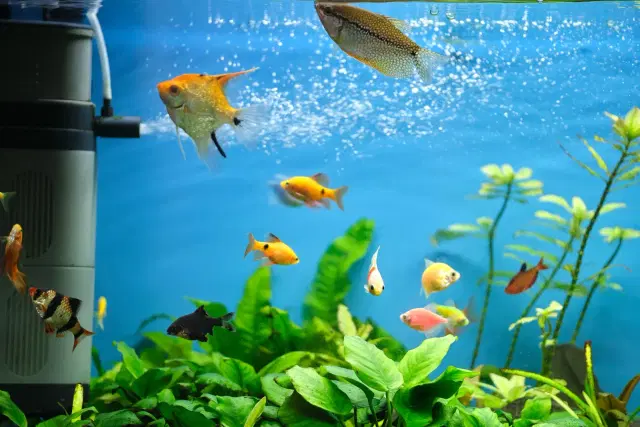
Credit: aquadecorbackgrounds.com
Water Quality And Maintenance
Setting up a fish tank with aeration requires attention to water quality and regular maintenance. Keeping water clean helps fish stay healthy and active.
Understanding key maintenance tasks ensures a thriving aquatic environment for your fish. Let’s explore these essential steps.
Testing Parameters
Regular testing of water parameters is crucial. It helps in maintaining the right conditions for your fish.
- Check pH levels weekly
- Monitor ammonia and nitrate levels
- Test water hardness every month
Regular Cleaning Routines
Cleaning your fish tank keeps it free from harmful bacteria. Follow a routine to ensure a healthy environment.
Managing Algae Growth
Algae can quickly take over if not managed. It’s essential to keep algae levels in check for a balanced tank.
| Algae Type | Control Method |
| Green Algae | Reduce light exposure |
| Brown Algae | Increase water circulation |
| Blue-Green Algae | Check nutrient levels |
Selecting Compatible Fish And Plants
Setting up a fish tank with aeration needs careful choice of fish and plants. Both must live well with the added water movement and oxygen.
Choosing the right species helps keep your tank healthy and balanced. It also makes sure the aeration benefits all life inside.
Species That Benefit From Aeration
Fish that need high oxygen levels do well with aeration. Aeration helps remove harmful gases and boosts water quality for these species.
- Goldfish – They need lots of oxygen and clean water.
- Betta Fish – Aeration helps in larger tanks with other fish.
- Gouramis – They breathe surface air but like good water movement.
- Cichlids – Aeration keeps their environment stable and healthy.
- Barbs – Active swimmers that need oxygen-rich water.
Aquatic Plants That Thrive
Some plants grow better with aeration because it improves water circulation and oxygen levels. These plants help keep the tank balanced.
- Anacharis – Fast-growing and oxygenates the water.
- Java Fern – Hardy plant that enjoys good water flow.
- Hornwort – Grows well in aerated tanks and removes toxins.
- Water Wisteria – Benefits from oxygen-rich water for fast growth.
- Amazon Sword – Needs good nutrients and oxygen for large leaves.
Troubleshooting Common Issues
Setting up a fish tank with aeration can be simple. Sometimes, problems can happen with the equipment.
Fixing these issues helps keep your fish healthy and happy. Here are some common problems and how to solve them.
Noisy Air Pumps
Air pumps can make loud sounds that bother you. Noise often comes from vibration or old parts.
Keep the pump on a soft surface to reduce noise. Check if the pump needs cleaning or new parts.
- Place pump on foam or rubber pad
- Clean the pump regularly
- Replace old or worn-out parts
- Check if the pump is too powerful for the tank
Weak Airflow
Weak airflow means less oxygen for your fish. It can happen if the air stone is blocked or the tube is bent.
Clean or replace the air stone. Straighten or change the tubing to fix airflow problems.
- Check for blockages in air stones
- Replace clogged air stones
- Straighten or change bent tubes
- Ensure the pump is working well
Equipment Malfunctions
Sometimes, equipment stops working. This can be due to power issues or broken parts.
Check power connections and clean the equipment. Replace parts if needed to keep everything running.
- Check if the pump is plugged in properly
- Clean any dirt or algae build-up
- Test the pump to see if it runs
- Replace faulty parts or the whole pump if broken
Frequently Asked Questions
What Is The Importance Of Aeration In Fish Tank Setup?
Aeration increases oxygen levels in the water, essential for fish health. It also helps circulate water, preventing stagnation and promoting a balanced environment.
How Do I Choose The Right Aeration System For My Tank?
Consider tank size, fish type, and budget. Common options include air pumps, air stones, and sponge filters. Ensure the system provides adequate oxygen without stressing fish.
Can Aeration Improve Water Quality In Fish Tanks?
Yes, aeration enhances water circulation, which distributes nutrients and oxygen evenly. This reduces harmful toxins and supports beneficial bacteria, improving overall water quality.
How Often Should I Run The Aeration System In My Fish Tank?
Run aeration continuously to maintain stable oxygen levels. Consistent aeration prevents oxygen depletion, especially in densely stocked tanks or during warm weather.
Conclusion
Setting up a fish tank with aeration keeps your fish healthy. Oxygen moves better in water with good aeration. Fish breathe easily and swim actively. Aeration also helps stop bad smells and keeps water clean. Choose the right air pump and place it carefully.
Keep checking your tank to make sure all works well. Small steps can make a big difference. Enjoy watching your fish thrive in a fresh, lively tank. Easy care, happy fish—that’s the goal.