
Setting up a fish tank that promotes harmony among a single species can be both rewarding and relaxing. If you want your fish to thrive without unnecessary stress or conflict, the way you arrange your tank makes all the difference.
Imagine watching your fish swim peacefully, showing natural behaviors, and truly enjoying their environment. In this guide, you’ll discover simple yet powerful tips to create the perfect home for your fish. Ready to transform your tank into a peaceful aquatic haven?
Keep reading to learn how to achieve single-species harmony with ease.
Choosing The Right Fish
Setting up a fish tank with one species helps keep peace in the aquarium. Choosing the right fish is key to a happy tank.
Each fish species has different needs and behavior. Knowing these helps you pick the best fish for your tank.
Species Known For Peaceful Behavior
Some fish are calm and friendly by nature. These fish work well in single-species tanks because they rarely fight.
- Neon Tetras are small and swim in groups peacefully.
- Guppies are colorful and gentle with others.
- Corydoras Catfish are bottom dwellers and very calm.
- Harlequin Rasboras stay peaceful and active in schools.
Compatibility Factors
Fish should share similar water needs and temperaments. This keeps the tank environment stable and stress-free.
Check for matching temperature, pH levels, and diet. Fish that like the same conditions live better together.
- Water temperature must suit all fish in the tank.
- pH levels should be stable and within range.
- Diet needs should overlap for easy feeding.
- Behavior should be non-aggressive to avoid fights.
Size And Growth Considerations
Consider how big your fish will grow. Fish that become large may need more space or a different tank.
Small fish do well in smaller tanks. Large fish need bigger tanks to swim and stay healthy.
- Research adult size before buying fish.
- Plan tank size to give fish enough room.
- Overcrowding causes stress and disease.
- Some fish grow fast, so watch their size regularly.
Tank Size And Environment
Setting up a fish tank for a single species helps keep the environment stable. Choosing the right tank size and conditions supports healthy fish life.
Each species has specific needs for space, water quality, temperature, and light. Meeting these needs keeps your tank balanced and fish happy.
Ideal Tank Dimensions
Tank size depends on the fish species and their adult size. Small fish need less space, while larger fish require bigger tanks.
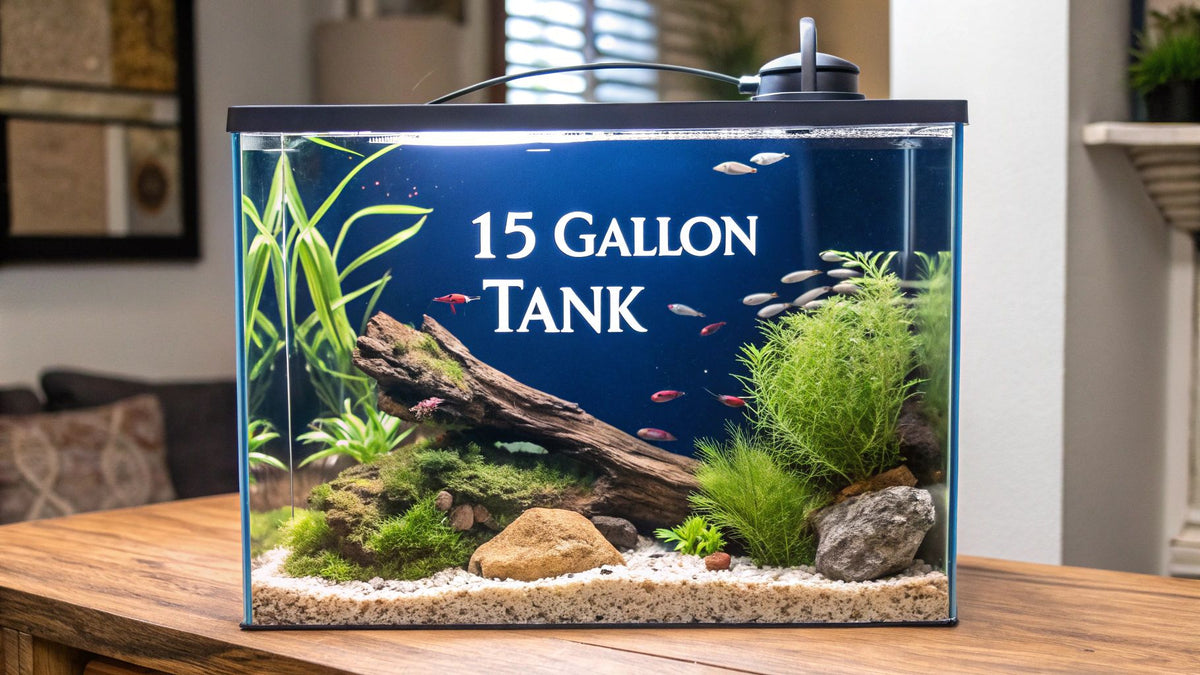
- Small species: 10 to 20 gallons
- Medium species: 20 to 40 gallons
- Large species: 40 gallons or more
- Provide extra space for swimming and hiding spots
Water Quality Essentials
Good water quality is key to fish health. Keep ammonia, nitrite, and nitrate levels low by regular testing and water changes.
| Parameter | Safe Range |
| pH | 6.5 to 7.5 |
| Ammonia | 0 ppm |
| Nitrite | 0 ppm |
| Nitrate | Below 20 ppm |
| Hardness | 5 to 15 dGH |
Temperature And Lighting
Keep the tank temperature stable. Most tropical fish thrive between 74°F and 80°F (23°C–27°C).
Lighting affects fish behavior and plant growth. Use a timer for 8 to 10 hours of light daily. Avoid direct sunlight to prevent algae.
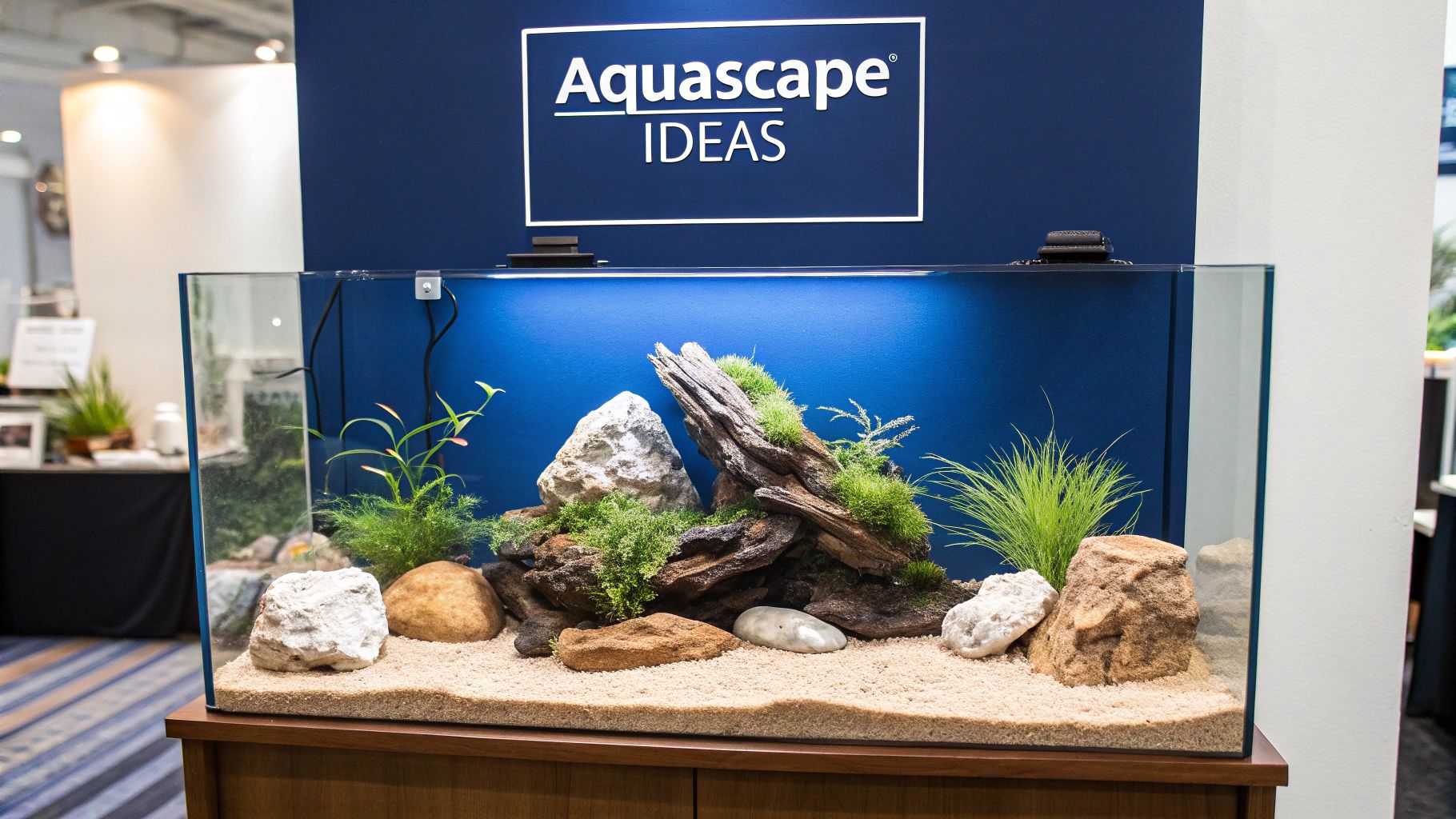
Aquascaping For Comfort
Setting up a fish tank for a single species helps create a peaceful environment. Aquascaping plays a big role in making fish feel safe and relaxed.
Careful arrangement of plants, decorations, hiding spots, and substrate helps fish live happily and show natural behaviors.
Plants And Decorations
Live plants improve water quality and provide shelter for fish. Decorations add interest and help fish feel at home.
Choose plants that match the fish’s needs. Use decorations that do not have sharp edges to avoid injuries.
- Fast-growing plants like Java fern and Anubias
- Soft-leaved plants to prevent damage
- Natural rocks and driftwood for hiding and resting
- Avoid plastic plants with sharp tips
Hiding Spots And Territories
Fish need places to hide and establish their own space. This lowers stress and reduces fighting.
Add caves, tunnels, or dense plant areas. These spots help fish feel safe and control their territory.
- Use small caves or ceramic pots as shelters
- Place plants in groups to create cover
- Arrange decorations to form natural boundaries
- Leave open swimming areas between hiding spots
Substrate Choices
The right substrate supports plant growth and fish comfort. It also affects water quality and tank appearance.
Choose substrate based on the fish’s natural habitat and tank plants’ needs. Avoid rough or sharp gravel.
- Fine sand for bottom-dwelling species
- Gravel for planted tanks with root feeders
- Use dark substrate to show fish colors better
- Clean substrate regularly to keep water healthy
Filtration And Maintenance
Setting up a fish tank requires attention to filtration and maintenance. These keep your fish healthy and water clean. Good care prevents diseases and keeps the tank environment stable.
This guide covers how to choose the right filter, keep a cleaning schedule, and manage water changes. Each part is key to a peaceful single-species fish tank.
Choosing The Right Filter
Filters remove waste and keep water clear. Pick a filter that fits your tank size and fish type. Some filters also add oxygen to the water, helping fish breathe well.
- Use a filter rated for your tank’s volume.
- Choose a gentle flow for small or delicate fish.
- Consider filters that offer mechanical, chemical, and biological cleaning.
- Check noise levels if the tank is in a quiet room.
Regular Cleaning Schedule
Cleaning keeps your tank safe and fish happy. Set a weekly plan to clean parts of the tank and the filter. Do not clean everything at once to keep good bacteria alive.
| Task | Frequency |
| Check filter and rinse media | Every 2 weeks |
| Remove algae from glass | Weekly |
| Clean substrate with a siphon | Every 2 weeks |
| Check and remove debris | Weekly |
Water Changes And Monitoring
Change water regularly to remove toxins and keep fish healthy. Test water often for pH, ammonia, and nitrites. These levels tell you if the tank is safe.
- Test water parameters at least once a week.
- Change 10–20% of water every 1–2 weeks.
- Use dechlorinated water at the same temperature.
- Watch fish behavior for signs of stress or illness.
Feeding For Health And Peace
Feeding your single-species fish tank correctly helps keep fish healthy. It also reduces fights and stress among fish.
Good feeding habits support peaceful tank life and strong fish immune systems.
Balanced Diet Options
Fish need a mix of proteins, fats, and vitamins to stay healthy. Use food made for your fish species.
Offer a variety of foods to cover all nutritional needs. This keeps fish active and colorful.
- High-quality flakes or pellets designed for your fish
- Frozen or live foods like brine shrimp or bloodworms
- Vegetables like blanched spinach or peas for herbivores
- Occasional treats to add variety without overfeeding
Feeding Frequency
Feed fish small amounts two to three times a day. This suits most tropical fish well.
Young or fast-growing fish may need more frequent feedings. Adult fish do better with less frequent feedings.
- Feed juvenile fish 3 times daily in small portions
- Feed adult fish 1-2 times daily
- Adjust feeding based on fish activity and tank size
Avoiding Overfeeding
Too much food pollutes the water and harms fish health. Only feed what fish can eat in 2-3 minutes.
Remove leftover food quickly. Clean tank water often to keep fish peaceful and healthy.
- Feed small amounts at each feeding
- Watch fish eat and stop feeding if they lose interest
- Remove uneaten food within minutes
- Keep tank clean with regular water changes
Credit: clixfueling.com
Behavior Monitoring
Observing your fish is key to a healthy tank. Each species has unique behaviors. Regular checks help spot problems early.
Keep track of how your fish interact. Changes in behavior can signal stress or discomfort.
Signs Of Stress Or Aggression
Fish show stress through unusual actions. Look for these signs to ensure harmony.
- Hiding frequently
- Loss of appetite
- Chasing other fish aggressively
- Rubbing against surfaces
- Faded colors
Adjusting Environment Accordingly
Environment changes can reduce stress. Modify the tank setup to improve fish well-being.
| Issue | Solution |
| Overcrowding | Reduce number of fish |
| Poor water quality | Regular water changes |
| Inadequate hiding spots | Add more plants and caves |
| Incorrect water temperature | Adjust heater settings |
When To Separate Fish
Sometimes separation is the best choice. This can prevent harm and allow recovery.
- Persistent fighting
- Severe fin damage
- Constant hiding from a bully
Common Challenges And Fixes
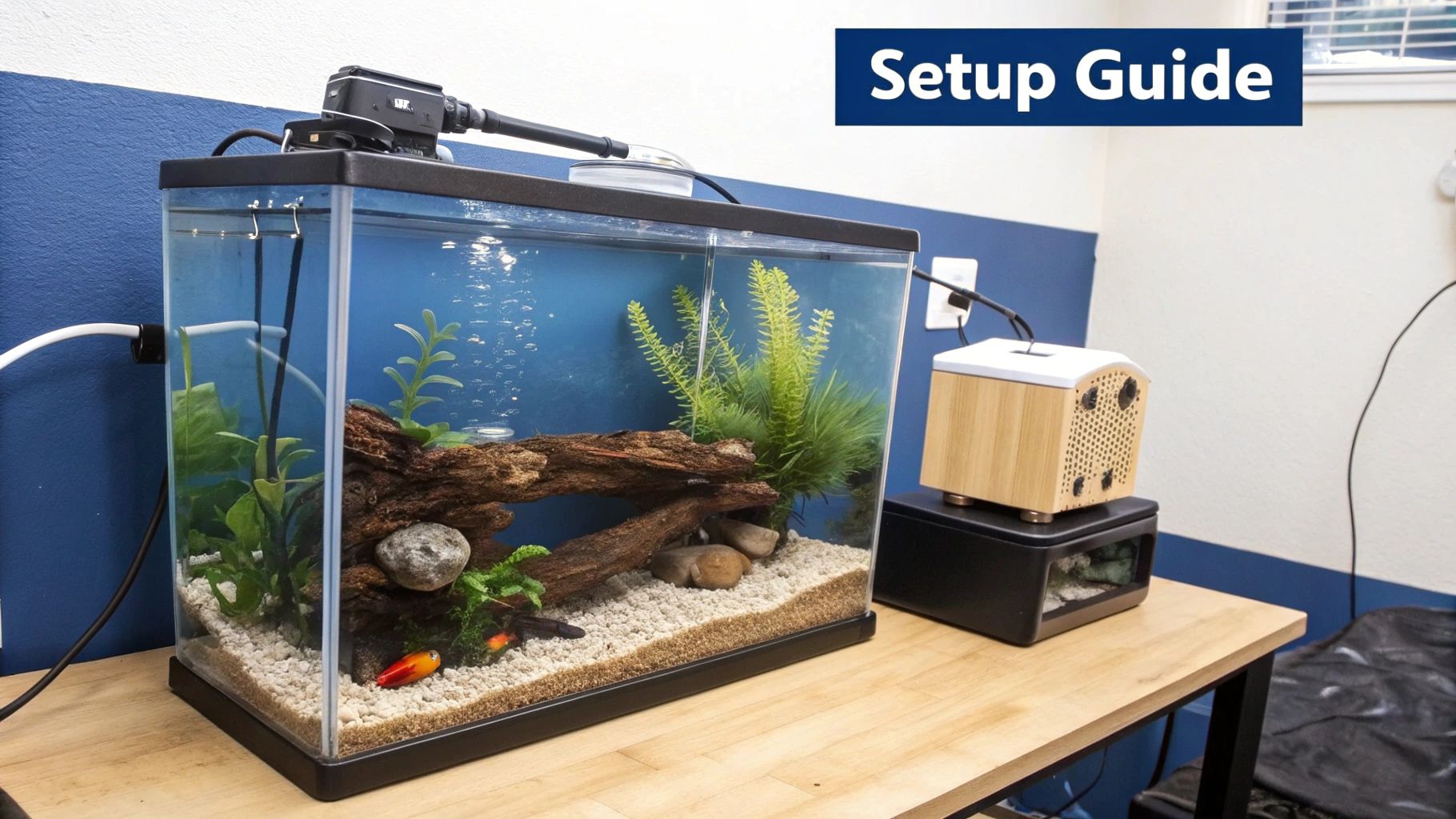
Setting up a fish tank for a single species can be tricky. You may face some challenges along the way. Here are common problems and ways to solve them.
These tips will help you maintain a healthy and harmonious fish tank environment. Addressing issues early can save time and stress.
Algae Control
Algae can quickly take over a fish tank. It can make the water look dirty and block light. This can harm your fish.
To reduce algae growth, limit the amount of light your tank gets. Clean your tank regularly and do not overfeed your fish.
- Use a timer to control light exposure
- Remove uneaten food promptly
- Add algae-eating fish or snails if compatible
Disease Prevention
Fish can get sick if the water quality is poor. Stress can also make them prone to diseases.
Keep the water clean by changing it regularly. Use a good filter to remove impurities. Quarantine new fish before adding them to your tank.
- Test water regularly for pH, ammonia, and nitrate levels
- Ensure proper filtration and aeration
- Observe fish for any signs of illness
Dealing With Compatibility Issues
Even in a single-species tank, fish may not always get along. Some fish can be aggressive towards others.
Provide enough space and hiding spots for each fish. Monitor their behavior and be ready to separate them if needed.
- Research the social behavior of your chosen species
- Introduce fish to the tank gradually
- Offer plenty of hiding places with plants and decorations
Credit: clixfueling.com
Credit: clixfueling.com
Frequently Asked Questions
What Is Single-species Harmony In Fish Tanks?
Single-species harmony means keeping only one fish species in a tank. This reduces aggression and competition. It helps create a peaceful environment and easier care.
How To Choose Fish For A Single-species Tank?
Select fish with similar size, temperament, and care needs. Research species behavior and water requirements. Choose compatible fish to ensure harmony and reduce stress.
What Tank Size Suits Single-species Setups?
Tank size depends on the fish species and their adult size. Bigger tanks provide more space and stable water conditions. Always provide enough room to promote healthy fish behavior.
How To Maintain Water Quality In Single-species Tanks?
Regular water changes and filtration are essential. Test water parameters weekly to keep them stable. Proper maintenance ensures fish health and prevents disease.
Conclusion
Creating a peaceful fish tank needs careful planning and care. Choose fish that get along well and like the same water. Keep the tank clean and check water often for health. Add plants and hiding spots for comfort and safety.
Watch your fish daily to catch problems early. A calm tank makes happy, healthy fish. Enjoy the calm and beauty of your single-species aquarium. Simple steps lead to lasting harmony in your fish home.