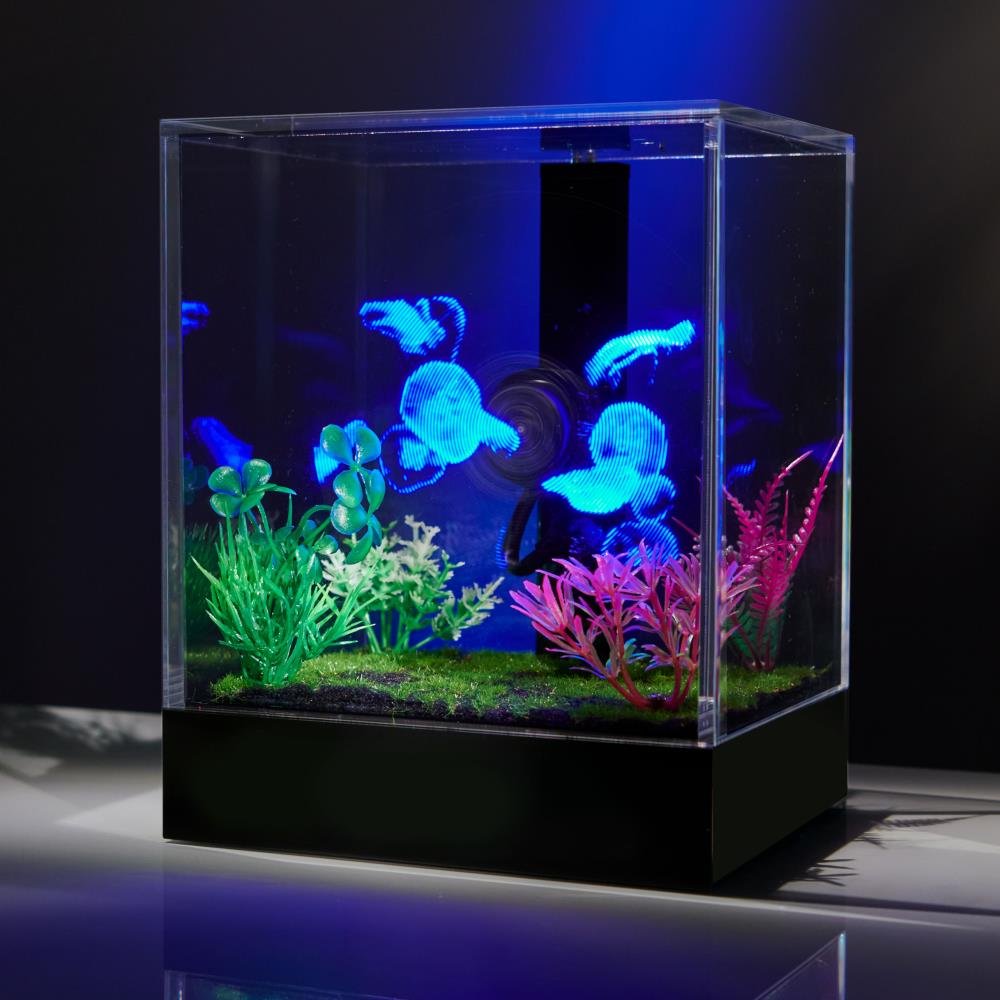
Are you ready to transform your space with a stunning fish tank that becomes the heart of your room? Setting up a fish tank for ornamental fish isn’t just about filling a glass box with water and fish.
It’s about creating a living work of art that captures attention and brings calm to your surroundings. In this guide, you’ll discover simple yet powerful tips to design a fish tank that highlights the beauty of your ornamental fish and enhances your room’s aesthetics.
Keep reading to learn how to make your aquarium a breathtaking showcase that everyone will admire.

Credit: www.hammacher.com
Choosing The Right Tank
Setting up a fish tank for ornamental fish needs careful tank selection. The right tank helps fish stay healthy and shows off their beauty.
Think about tank size, shape, material, and where you will place it in your home or office.
Size And Shape Options
Choose a tank size that fits your space and fish needs. Bigger tanks are easier to keep stable for fish health.
Different shapes create different views. Rectangular tanks show fish clearly. Bow-front tanks add depth. Cube tanks save space.
- Small tanks: good for limited space but need careful care
- Medium tanks: balance size and maintenance
- Large tanks: best for many or big fish
- Rectangular shape: classic and clear viewing
- Bow-front shape: adds a 3D effect
- Cube shape: fits small areas
Material Choices
Fish tanks usually come in glass or acrylic. Each material has benefits and drawbacks to consider.
Glass is heavier and more scratch-resistant. Acrylic is lighter and clearer but scratches easier.
- Glass: sturdy, clear, heavy, scratch-resistant
- Acrylic: light, clear, easier to shape, scratches easily
Placement Considerations
Place your tank where it gets stable temperature and good viewing. Avoid direct sunlight to stop algae growth.
Make sure the surface can hold the tank’s weight. Keep it away from busy areas to reduce stress on fish.
- Avoid windows and direct sunlight
- Use a strong, level stand or table
- Place in a quiet area with good lighting
- Near power outlets for filters and lights
Selecting Ornamental Fish
Choosing the right ornamental fish is important for a beautiful fish tank. The fish should look good and live well together.
Think about species, their behavior, and colors before adding them to your tank.
Popular Species For Showcases
Some fish species are popular for their beauty and ease of care. They create an attractive display in your tank.
- Betta fish – bright colors and flowing fins
- Neon Tetras – small, glowing blue and red stripes
- Guppies – colorful and active swimmers
- Angelfish – tall shape with graceful fins
- Discus – round, vibrant, and calm fish
Compatibility And Behavior
Fish must get along to avoid stress and fights. Some species are peaceful, others are aggressive.
Match fish with similar temperaments and size for a balanced tank community.
- Peaceful fish: Neon Tetras, Guppies, Corydoras
- Aggressive fish: Bettas, Oscars, Cichlids
- Avoid mixing large aggressive fish with small peaceful ones
- Watch fish behavior regularly to prevent problems
Color And Pattern Selection
Colors and patterns make the tank lively. Choose fish with colors that stand out or blend well.
Mix different colors and patterns to create an eye-catching display.
- Bright colors like red, blue, and yellow attract attention
- Patterns like stripes and spots add interest
- Combine solid and patterned fish for variety
- Consider tank background and plants to highlight fish colors
Designing The Aquascape
Creating a beautiful fish tank starts with a good aquascape design. It sets the tone for your ornamental fish showcase.
A well-planned layout makes your tank look natural and inviting for the fish and viewers.
Substrate And Layout Ideas
Choose the right substrate to support plants and enhance fish health. Sand and gravel are popular choices.
Arrange the substrate with slopes or levels to add depth and interest to the tank.
- Use fine sand for small fish and bottom dwellers
- Gravel works well for rooted plants
- Create slopes from back to front for a 3D effect
- Mix substrate colors to mimic natural habitats
Plants And Decorations
Plants add color and oxygen to the tank. Choose easy-care plants for beginners.
Decorations should look natural and provide hiding spots for fish.
- Use tall plants in the back and short ones in front
- Add floating plants to soften the light
- Include caves or tunnels for fish to explore
- Use driftwood or rocks as natural decorations
Hardscape Elements
Hardscape elements like rocks and wood shape the tank’s look. They create structure and focal points.
Place hardscape carefully to avoid sharp edges that can harm fish.
- Choose smooth stones or river rocks
- Use driftwood to add height and texture
- Arrange pieces asymmetrically for a natural feel
- Leave open swimming spaces around hardscape
Credit: www.lemon8-app.com
Lighting Techniques
Lighting is key to making your fish tank look beautiful. It shows off your fish and plants well.
Good lighting helps your fish look bright and your tank feel alive. Choose the right lights for your setup.
Types Of Aquarium Lighting
There are many lights for aquariums. Each type works best in different tanks.
LED, fluorescent, and incandescent are common lights. LED lights save energy and last long.
- LED Lighting:Bright, energy-saving, and lasts long.
- Fluorescent Lighting:Good for plants and natural look.
- Incandescent Lighting:Older type, not energy efficient.
Enhancing Fish Colors
Lighting can make fish colors pop. Some lights bring out reds, blues, or greens better.
Use full-spectrum lights to show natural colors. Avoid harsh lights that can wash out colors.
- Choose lights with a color temperature between 5000K and 7000K.
- Use lights designed for ornamental fish to enhance their colors.
- Adjust light intensity to avoid stress for the fish.
Creating Mood And Ambience
Lighting sets the mood in your fish tank. Soft lights create calm and bright lights add energy.
Use timers to mimic natural day and night cycles. Colored lights can add style and flair.
- Use dimmable lights to change brightness throughout the day.
- Add blue lights for a moonlight effect at night.
- Try colored LED strips to create unique looks.
Filtration And Water Quality
Setting up a fish tank for ornamental fish needs careful water care. Clean water helps fish stay healthy and bright.
Good filtration removes waste and keeps water clear. Water quality affects fish color and plant growth.
Filter Types And Setup
Choose a filter that suits your tank size and fish type. Filters can be mechanical, biological, or chemical.
- Mechanical filterstrap debris and particles.
- Biological filtersuse bacteria to break down waste.
- Chemical filtersremove toxins with activated carbon.
- Combination filtersoffer all three types for best results.
Maintaining Clean Water
Regular cleaning is key to clear water. Change part of the water weekly and remove uneaten food.
| Task | Frequency |
| Partial water change (20-30%) | Weekly |
| Clean filter media | Monthly |
| Remove algae | As needed |
| Test water parameters | Weekly |
Balancing Ph And Temperature
Fish need stable pH and temperature to thrive. Most ornamental fish prefer pH between 6.5 and 7.5.
Keep temperature steady using an aquarium heater. Avoid sudden changes to reduce fish stress.

Credit: www.shutterstock.com
Maintenance Tips
Setting up a fish tank for ornamental fish is an art. Regular maintenance keeps it beautiful and healthy.
Follow these simple tips to maintain your fish tank. This ensures a thriving environment for your fish.
Regular Cleaning Routines
Clean the tank regularly to prevent algae growth. This keeps water clear and safe for fish.
- Change 10-15% of the water weekly
- Use a gravel vacuum to clean the substrate
- Scrub tank walls with a sponge
- Rinse filters monthly
Monitoring Fish Health
Watch your fish for signs of stress or illness. Healthy fish are active and eat well.
- Check for changes in color or behavior
- Look for signs like white spots or clamped fins
- Test water quality regularly
- Feed a balanced diet
Handling Common Issues
Be prepared to handle common fish tank problems. Quick action can prevent bigger issues.
- Treat algae with proper cleaners or algae eaters
- Adjust temperature and pH for balance
- Isolate sick fish to prevent spread of disease
- Consult a vet if problems persist
Showcase Styling Ideas
Setting up a fish tank for ornamental fish can be a fun project. It can also be a creative way to showcase different styles. Here are some ideas to help you style your fish tank.
Each style can change the look of your tank. It can also enhance the beauty of your fish. Explore these styling ideas to find what suits you best.
Thematic Designs
Thematic designs can make your fish tank unique. Choose a theme that matches your interests. Popular themes include underwater shipwrecks or tropical islands.
Use props like miniature ships or plants. These can add depth to your theme. They also create hiding spots for your fish.
- Underwater shipwreck with sunken treasures
- Tropical island with palm tree replicas
- Forest stream with rocks and driftwood
Minimalist Vs. Elaborate
Decide between a minimalist or elaborate style. A minimalist tank has fewer decorations. It highlights the fish and keeps the focus simple.
An elaborate style uses many elements. It includes varied plants and ornaments. This makes the tank more detailed and colorful.
- Minimalist: clear water, few plants, simple rocks
- Elaborate: diverse plants, colorful stones, multiple decorations
Using Backgrounds And Frames
Backgrounds and frames can enhance your tank’s appearance. A background poster can add depth and dimension. It can depict natural scenes like oceans or forests.
Frames can also outline your tank. They give it a polished look. Choose frames that match your home decor.
- Background posters for ocean scenes
- Custom frames to match room style
- 3D backgrounds for added depth
Frequently Asked Questions
What Is The Best Tank Size For Ornamental Fish?
The best tank size depends on fish species and number. Generally, a 20-gallon tank suits most ornamental fish. Larger tanks provide better water stability and space for swimming, enhancing fish health and display aesthetics.
How To Choose The Right Substrate For A Fish Tank?
Choose substrate based on fish species and tank plants. Gravel is common for ornamental fish, while sand suits bottom dwellers. Substrate color affects tank aesthetics and fish visibility. Ensure it’s safe and easy to clean.
What Lighting Is Ideal For Ornamental Fish Tanks?
Use full-spectrum LED lighting for vibrant fish colors and plant growth. Adjustable brightness helps mimic natural light cycles. Proper lighting enhances tank aesthetics and promotes fish well-being without stressing them.
How To Maintain Water Quality In An Ornamental Fish Tank?
Regular water changes, proper filtration, and monitoring parameters keep water clean. Test ammonia, nitrite, nitrate, and pH levels weekly. Clean tank surfaces and avoid overfeeding to prevent toxins and maintain a healthy environment.
Conclusion
Creating a beautiful fish tank takes careful planning and patience. Choose the right plants, decorations, and lighting to make it stand out. Keep your fish healthy by maintaining clean water and proper temperature. Remember, a simple design often looks best and feels peaceful.
Enjoy watching your ornamental fish swim in a space you built with care. Small details make a big difference in tank aesthetics. Your effort will turn the tank into a lively, colorful showcase. Keep learning and adjusting to make your aquarium even better.