
Setting up a fish tank for ornamental fish observation can be a rewarding and relaxing experience. Imagine watching colorful fish glide smoothly through clear water, right in your own home.
But to enjoy this peaceful scene, your tank needs the right setup. You might wonder where to start or what essentials you must have. This guide will walk you through simple steps to create a beautiful, healthy environment for your fish, making every glance at your tank a moment of joy.
Ready to transform your space and bring your ornamental fish to life? Keep reading to discover how easy and satisfying it can be.

Credit: www.aqqapet.com
Choosing The Right Tank
Setting up a fish tank is exciting. Picking the right tank is very important for your ornamental fish.
The right tank helps fish stay healthy and makes watching them fun and easy.
Tank Size And Shape
Choose a tank size that fits the number and type of fish. Bigger tanks give fish more space to swim.
The shape of the tank also matters. Some shapes show fish better and fit your space well.
- Small tanks (5-10 gallons) are good for a few small fish.
- Medium tanks (20-40 gallons) fit more fish and plants.
- Large tanks (50+ gallons) give fish plenty of room.
- Rectangular tanks offer more swimming space.
- Cylindrical tanks look nice but have less surface area.
Material Options
Fish tanks come in glass and acrylic. Each material has good and bad points.
Glass is clear and scratch-resistant. Acrylic is lighter and less likely to break.
- Glass tanks are heavier and cheaper.
- Acrylic tanks are lighter and stronger but cost more.
- Both materials need proper cleaning to keep fish safe.
Placement Tips
Place your tank where it is easy to see but safe from harm. Avoid direct sunlight to stop algae growth.
Keep the tank on a steady, strong surface. Make sure there is space for equipment and maintenance.
- Choose a low-traffic area to keep fish calm.
- Avoid spots near windows or heaters.
- Use a stand that holds the tank weight well.
- Leave space around the tank for cleaning and feeding.
Essential Equipment
Setting up a fish tank for ornamental fish needs the right tools. Good equipment helps keep fish healthy.
This guide covers the key equipment you need for a clear and safe fish tank.
Filtration Systems
Filtration cleans the water by removing dirt and waste. It helps keep the tank water clear and safe for fish.
There are three main types of filters: mechanical, biological, and chemical. Each one works in a special way.
- Mechanical filters trap debris and particles.
- Biological filters use good bacteria to break down waste.
- Chemical filters remove harmful chemicals and odors.
Lighting Choices
Proper lighting shows off the fish’s colors and helps plants grow. It also keeps a natural day and night cycle.
Choose LED lights for energy efficiency and long life. Avoid lights that are too bright or too dim.
- Use full-spectrum lights for plant growth and fish health.
- Set timers to keep a consistent light schedule.
- Adjust light intensity to reduce stress on fish.
Heating And Temperature Control
Most ornamental fish need warm water to stay healthy. A heater keeps the tank at the right temperature all the time.
Use a reliable heater with a thermostat. This keeps water stable and prevents sudden temperature changes.
- Check the heater size to fit your tank volume.
- Place the heater where water flows well for even heat.
- Use a thermometer to monitor tank temperature daily.
Water Preparation
Setting up a fish tank for ornamental fish needs careful water preparation. Proper water helps fish stay healthy and active.
Good water preparation includes conditioning the water, testing its quality, and cycling the tank before adding fish.
Water Conditioning
Treated tap water removes harmful chemicals like chlorine and chloramine. Use a water conditioner to make tap water safe for fish.
Conditioning also helps remove heavy metals and other toxins. Always follow the instructions on the conditioner bottle for the right amount.
Testing Water Parameters
Testing water before adding fish ensures the environment is safe. You should check pH, ammonia, nitrite, and nitrate levels.
- pH:Ideal range is 6.5 to 7.5 for most ornamental fish.
- Ammonia:Should be 0 ppm to avoid fish stress.
- Nitrite:Must be 0 ppm as it is toxic to fish.
- Nitrate:Keep below 20 ppm for a healthy tank.
Cycling The Tank
Cycling creates good bacteria that break down fish waste. This process keeps water safe and clear.
- Set up the tank and add water conditioner.
- Add a source of ammonia like fish food or pure ammonia.
- Test water daily for ammonia, nitrite, and nitrate.
- Wait until ammonia and nitrite drop to 0 ppm and nitrate rises.
- Once cycling finishes, the tank is ready for fish.
Selecting Ornamental Fish
Choosing the right ornamental fish is key for a beautiful tank. It affects tank health and fish happiness.
Consider the fish size, care needs, and tank environment before buying. This helps keep fish safe and healthy.
Popular Species
Many fish types suit ornamental tanks. Some are colorful, some are easy to care for.
- Neon Tetras: Small, bright blue and red fish
- Guppies: Hardy and colorful, good for beginners
- Betta Fish: Bright colors, but keep alone
- Angelfish: Tall and elegant, need bigger tanks
- Goldfish: Classic choice, need large tanks
Compatibility Factors
Fish must live well together. Check their size, behavior, and water needs.
Aggressive fish can harm others. Some fish need different temperatures or pH levels.
- Choose fish with similar temperaments
- Match fish that need the same water conditions
- Avoid mixing very large and small fish
- Watch for territorial behavior
Quarantine Procedures
New fish can carry diseases. Quarantine stops illness from spreading to the tank.
Use a separate tank for new fish. Watch for signs of sickness for at least two weeks.
- Set up a small quarantine tank with filtered water
- Keep new fish separate for 14 days
- Check fish for spots, lethargy, or odd behavior
- Treat any illness before adding fish to the main tank
Decor And Substrate
Setting up a fish tank for ornamental fish is an exciting task. The right decor and substrate are important for a healthy environment.
These elements not only affect the look but also the well-being of your fish. Let’s explore the key areas to focus on.
Choosing Substrate Types
The substrate forms the base layer of your fish tank. It supports plants and affects water quality. There are different types to choose from.
- Gravel: Great for most tanks and supports plant growth.
- Sand: Ideal for fish that like to burrow.
- Aquarium Soil: Best for planted tanks.
Adding Plants And Decorations
Plants and decorations provide shelter and enrich the tank’s environment. They create a more natural habitat for the fish.
Consider these options for decorating your tank:
- Live Plants: Oxygenate the water and reduce algae.
- Rocks: Offer a natural look and hide spots.
- Driftwood: Adds character and tannins to the water.
Creating Hiding Spots
Hiding spots are crucial for fish to feel safe. They help reduce stress and allow fish to retreat when needed.
| Material | Benefit |
| Caves | Perfect for shy fish |
| Plants | Provide natural cover |
| Decorations | Add visual interest |

Credit: onthemediapk.medium.com
Feeding And Maintenance
Setting up a fish tank for ornamental fish requires care in feeding and maintenance. Proper routines keep fish healthy and the tank clean.
Regular feeding and tank upkeep help create a stable environment for your fish to thrive and show their colors.
Feeding Schedules And Diet
Feed your fish small amounts two or three times daily. Overfeeding can pollute the water and harm fish.
- Offer a balanced diet with flakes, pellets, or live food.
- Remove uneaten food after 5 minutes.
- Adjust feeding based on fish species and size.
- Provide variety to keep fish healthy and active.
Regular Cleaning Routines
Clean the tank weekly to remove waste and debris. This helps keep the water clear and safe.
| Task | Frequency | Details |
| Water change | Weekly | Replace 20% to 30% of water with fresh water |
| Gravel vacuum | Weekly | Remove debris from the substrate |
| Filter check | Biweekly | Clean or replace filter media as needed |
| Glass cleaning | Weekly | Remove algae from tank walls |
Monitoring Fish Health
Watch fish daily for signs of illness or stress. Early detection helps prevent serious problems.
- Look for changes in swimming or eating habits.
- Check for spots, discoloration, or torn fins.
- Keep water temperature and quality stable.
- Isolate sick fish to avoid spreading disease.
Enhancing Observation Experience
Setting up a fish tank for ornamental fish observation helps you enjoy watching fish behaviors. A well-planned setup makes it easier to see the fish clearly.
Good observation needs the right angles, lighting, and tools. These improve your view and help you notice small details.
Optimal Viewing Angles
Place the tank where you can look straight at the fish. Avoid angles that cause glare or reflections.
Low or high viewing points can hide fish behind decorations. Eye-level viewing gives the clearest sight.
- Keep the tank away from windows to reduce glare
- Use a stand that fits your eye height
- Avoid placing objects in front of the tank
Using Cameras And Lighting
Use soft lighting to avoid stressing the fish and to see colors better. LED lights are good for clear viewing.
Small cameras can help watch fish when you are not near the tank. They also allow recording fish behavior for later study.
- Choose lights with adjustable brightness
- Position lights to avoid glare on the glass
- Use waterproof cameras for close views
Behavioral Observation Tips
Observe fish quietly and avoid sudden movements. Fish show natural behavior when they feel safe.
Look for feeding, swimming, and resting patterns. These actions tell you about the fish’s health and mood.
- Watch at different times of the day
- Note how fish interact with each other
- Record unusual behavior for future reference
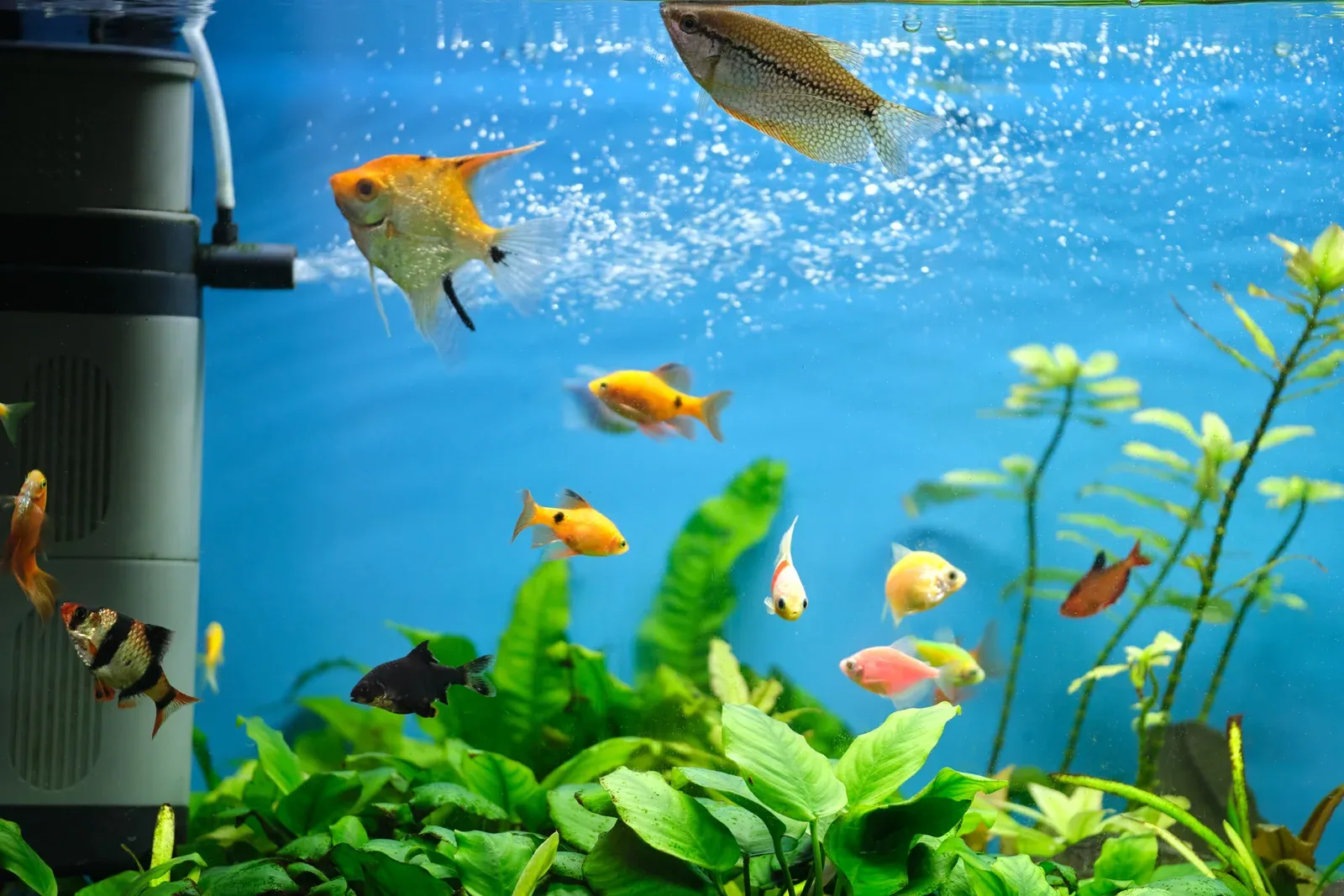
Credit: aquadecorbackgrounds.com
Frequently Asked Questions
What Is The Best Tank Size For Ornamental Fish?
A 20 to 30-gallon tank is ideal for most ornamental fish. It provides enough space for swimming and decoration. Larger tanks improve water stability, supporting healthier fish. Choose size based on fish species and their adult size for optimal observation.
How Do I Maintain Water Quality In Fish Tanks?
Regular water changes and filtration keep water clean. Test water parameters weekly for ammonia, nitrites, and pH levels. Avoid overfeeding to reduce waste. Use a good-quality filter and clean it monthly to maintain a healthy environment for ornamental fish.
What Decorations Are Safe For Ornamental Fish Tanks?
Use smooth, non-toxic decorations like natural stones, driftwood, and live plants. Avoid sharp or painted items that can harm fish. Decorations should not overcrowd the tank to allow free swimming and proper filtration. Natural elements enhance fish observation and tank aesthetics.
How Often Should I Feed My Ornamental Fish?
Feed ornamental fish once or twice daily with high-quality flakes or pellets. Provide only the amount they can consume in 2-3 minutes. Overfeeding leads to poor water quality and health issues. Adjust feeding based on species and fish size for optimal care.
Conclusion
Setting up a fish tank for ornamental fish brings joy and calm. Clean water and good light help fish stay healthy and bright. Choosing the right plants and decorations makes the tank more lively. Regular care keeps the fish happy every day.
Watching colorful fish swim is a peaceful way to relax. A simple setup can create a beautiful underwater world. Start small, learn, and enjoy the peaceful views often. Fish tanks offer a quiet place to enjoy nature inside. Take time to care, and your fish will thrive well.