
Setting up a fish tank might seem simple, but getting it right is key to keeping your ornamental fish healthy and happy. If you want your colorful friends to thrive, you need more than just water and decorations.
The right environment can make all the difference in their lifespan and vibrancy. You’ll discover easy steps and expert tips to create the perfect home for your fish. By the end, you’ll know exactly how to set up your tank for the best fish health possible.
Ready to dive in? Let’s get started!

Credit: theplecofeeder.com
Choosing The Right Tank
Choosing the right fish tank is important for ornamental fish health. The tank size, material, and placement affect fish comfort and water quality.
Selecting a proper tank helps create a stable environment for your fish to thrive and reduces maintenance efforts.
Tank Size And Shape
Fish need enough space to swim freely. Bigger tanks offer more stable water conditions. The shape also matters for fish activity and decoration.
- Choose a tank size that fits the fish species and number.
- Long tanks give more swimming space than tall, narrow ones.
- Square or rectangular tanks are easier to decorate and maintain.
- Avoid very small tanks; they cause rapid water quality changes.
Material Options
Glass and acrylic are common tank materials. Each has benefits and drawbacks for durability and clarity.
| Material | Advantages | Disadvantages |
| Glass | Scratch resistant, clear view | Heavier, can break if dropped |
| Acrylic | Lighter, impact resistant | Scratches easily, may yellow over time |
Placement Considerations
Where you place the tank affects fish health. Good placement helps keep water temperature stable and reduces stress.
Keep these points in mind for tank placement:
- Avoid direct sunlight to prevent algae growth and overheating.
- Place the tank on a flat, sturdy surface that can hold its weight.
- Keep the tank away from doors and vents to reduce drafts and vibrations.
- Ensure easy access for feeding and cleaning.
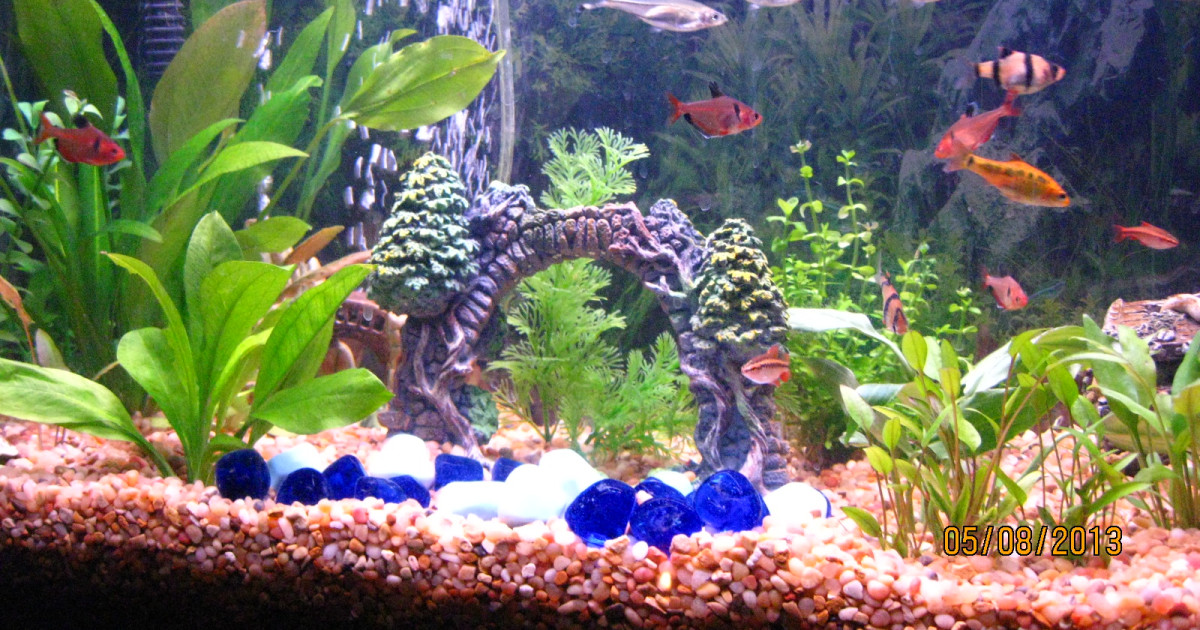
Credit: pethelpful.com
Water Quality Essentials
Good water quality is key for keeping ornamental fish healthy. Clean water helps fish live longer and stay active.
Setting up the fish tank right starts with understanding water quality basics. This keeps fish safe from illness.
Filtration Systems
Filtration removes waste and toxins from the water. It keeps the tank clean and clear for the fish.
There are three main types of filters: mechanical, biological, and chemical. Each type helps water stay healthy.
- Mechanical filters trap debris and dirt.
- Biological filters use good bacteria to break down waste.
- Chemical filters remove harmful chemicals and odors.
Water Parameters
Water parameters like pH, temperature, and hardness affect fish health. Each fish species needs specific conditions.
Keeping these parameters stable helps fish grow and reduces stress. Sudden changes can cause illness.
- pH measures how acidic or basic the water is.
- Temperature affects fish metabolism and activity.
- Hardness shows the amount of minerals in the water.
Regular Testing
Testing water regularly ensures it stays safe for fish. Use test kits to check key water parameters.
Test weekly or more often if fish show signs of stress. Early detection helps prevent serious problems.
- Check ammonia, nitrite, and nitrate levels.
- Measure pH and temperature frequently.
- Record results to track water quality over time.
Temperature And Lighting
Proper temperature and lighting are vital for the health of ornamental fish. They affect fish activity, growth, and color.
Setting up the right conditions helps keep your fish happy and stress-free in their tank environment.
Ideal Temperature Ranges
Different species of ornamental fish need different water temperatures. Keeping the water in the correct range supports their immune system and metabolism.
| Fish Type | Ideal Temperature (°F) | Ideal Temperature (°C) |
|---|---|---|
| Tropical Fish | 74 – 80 | 23 – 27 |
| Goldfish | 65 – 72 | 18 – 22 |
| Coldwater Fish | 60 – 68 | 15 – 20 |
Lighting Types
Lighting in a fish tank mimics natural sunlight. It enhances fish colors and helps plants grow.
- Fluorescent lights are common and energy efficient.
- LED lights last longer and offer adjustable colors.
- Incandescent bulbs are less used due to heat production.
Light Cycles
Fish need a regular light and dark cycle to stay healthy. Too much light causes stress and algae growth.
- Provide 10 to 12 hours of light per day.
- Keep a consistent schedule using a timer.
- Ensure complete darkness during the night period.
Substrate And Decorations
Setting up a fish tank properly helps keep ornamental fish healthy. Substrate and decorations play a big role in this.
They create a natural environment and make fish feel safe and comfortable.
Choosing Substrate
Substrate is the material at the bottom of the tank. It affects water quality and fish health.
Choose substrate based on the type of fish and plants you have. Fine sand or small gravel works well for most tanks.
- Use smooth substrate to avoid fish injury
- Choose neutral or natural colors to reduce stress
- Make sure substrate is easy to clean
- Avoid sharp or large stones that can harm fish
Safe Plants And Ornaments
Plants and decorations add beauty and shelter in the tank. Choose items that are safe for fish.
Avoid decorations with sharp edges or toxic materials. Live plants help improve water quality and oxygen.
- Use real or silk plants, not plastic with sharp edges
- Pick ornaments made for aquariums only
- Check that plants and decorations do not affect water chemistry
- Clean decorations regularly to prevent algae buildup
Creating Hiding Spots
Fish need hiding spots to feel safe and reduce stress. Provide caves, plants, and decorations that create shelter.
Hiding places also help shy or new fish adjust to the tank environment better.
- Use small caves or tunnels made for aquariums
- Place dense plants in corners for cover
- Add driftwood or rocks to create natural hiding spots
- Make sure hiding spots are easy to access and clean
Selecting Ornamental Fish
Choosing the right fish is key for a healthy aquarium. You must think about the fish’s needs and the tank environment.
Good selection helps keep fish safe and happy. It also prevents problems like fights or illness.
Compatible Species
Pick fish that live well together. Some fish are peaceful, others are aggressive. Mixing them can cause stress or injury.
- Choose fish with similar temperaments
- Match fish that need the same water conditions
- Avoid placing large predators with small fish
- Research species that share diet and behavior
Fish Quantity And Size
Do not crowd the tank. Too many fish cause poor water quality and stress.
| Fish Size | Recommended Number per 10 Gallons |
|---|---|
| Small (1-2 inches) | 8-10 |
| Medium (3-4 inches) | 4-6 |
| Large (5+ inches) | 1-3 |
Health Indicators
Check fish carefully before buying. Healthy fish swim actively and eat well.
- Look for clear eyes and bright colors
- Avoid fish with torn fins or white spots
- Watch for steady breathing and normal swimming
- Check if fish respond to food quickly

Credit: www.aqqapet.com
Feeding Practices
Proper feeding is crucial for maintaining the health and well-being of ornamental fish. A balanced diet and regular feeding schedule can help prevent common problems like malnutrition and digestive issues.
Diet Types
Ornamental fish have different dietary needs depending on their species, age, and size. A varied diet that includes a mix of commercial pellets, live or frozen foods, and vegetables can provide the necessary nutrients for optimal health.
- Commercial pellets: A convenient and nutritionally balanced option for most fish.
- Live or frozen foods: Provide essential nutrients and can be a treat for fish.
- Vegetables: Add fiber and vitamins to the diet, but introduce them gradually to prevent digestive issues.
Feeding Frequency
The frequency of feeding depends on the species, size, and activity level of the fish. Generally, fish should be fed 2-3 times a day, but only as much as they can consume within a few minutes.
| Species | Feeding Frequency |
|---|---|
| Betta fish | 1-2 times a day |
| Goldfish | 2-3 times a day |
Avoiding Overfeeding
Overfeeding can lead to digestive issues, water quality problems, and even fish death. Monitor the fish’s appetite and adjust the feeding schedule accordingly. Remove any uneaten food after 5-10 minutes to prevent decay.
- Monitor fish appetite and adjust feeding schedule.
- Remove uneaten food after 5-10 minutes.
- Avoid feeding fish before a water change.
Routine Maintenance
Keeping your fish tank clean is key to healthy ornamental fish. Routine maintenance helps avoid diseases.
Regular care keeps water clear and fish happy. It also extends the life of your equipment.
Cleaning Schedule
Set a cleaning schedule for your fish tank to keep it tidy. Clean the tank and decorations regularly.
Remove algae and dirt to prevent harmful buildup. Use safe tools made for aquarium use only.
- Clean glass surfaces weekly
- Remove uneaten food daily
- Scrub decorations monthly
- Siphon gravel every two weeks
Water Changes
Changing water regularly keeps fish healthy. It removes waste and keeps water chemistry balanced.
Replace part of the water with fresh, treated water. Avoid changing all water at once to reduce stress.
- Change 10-20% of water weekly
- Use a water conditioner to remove chlorine
- Match temperature of new water to tank water
- Check water parameters before adding new water
Equipment Checks
Check all equipment often to ensure it works well. Broken gear can harm fish or tank environment.
Inspect filters, heaters, lights, and pumps. Clean or replace parts as needed to keep them running smoothly.
- Clean filter media monthly
- Test heater temperature weekly
- Replace bulbs every 6-12 months
- Listen for unusual pump sounds
Preventing Diseases
Keeping ornamental fish healthy starts with good tank setup. Disease prevention protects your fish from harm.
Clean water and careful observation help avoid many common illnesses in fish tanks.
Common Illnesses
Ornamental fish can get several illnesses. These include fin rot, ich, and fungal infections. Each illness shows different signs.
- Fin rot: ragged fins and discoloration
- Ich: white spots on fish body and fins
- Fungal infections: cotton-like growths on skin
- Swim bladder disease: trouble swimming properly
Quarantine Procedures
New fish must stay separate before joining the main tank. This prevents spreading diseases. Quarantine lasts two weeks or more.
| Quarantine Step | Description |
| Set up a separate tank | Use a clean tank with proper filtration and heater |
| Observe new fish | Watch for signs of illness daily |
| Feed carefully | Offer high-quality food to boost immunity |
| Perform water changes | Keep water clean and stable |
| Release after 14 days | Only add fish to main tank if healthy |
Treatment Methods
Treat diseases quickly to reduce harm. Use medicines as directed and keep water clean. Some treatments need tank isolation.
- Medicate using fish-safe antibiotics or antifungals
- Raise water temperature slightly for ich treatment
- Remove sick fish to a hospital tank
- Keep water quality high with regular changes
- Use salt baths if recommended for specific diseases
Frequently Asked Questions
What Is The Ideal Fish Tank Size For Ornamental Fish?
The ideal fish tank size depends on the species. Generally, a 20-gallon tank suits most ornamental fish. Larger tanks provide stable water conditions and more swimming space, promoting fish health and longevity.
How Often Should I Clean My Ornamental Fish Tank?
Clean your ornamental fish tank every two weeks. Partial water changes of 20-30% help maintain water quality. Avoid over-cleaning to preserve beneficial bacteria that support fish health.
What Water Parameters Are Best For Ornamental Fish?
Maintain water temperature between 74-78°F, pH 6. 5-7. 5, and ammonia and nitrite levels at 0 ppm. Stable water parameters reduce stress and disease risk in ornamental fish.
Which Filtration System Is Best For Ornamental Fish Tanks?
A combination of mechanical, biological, and chemical filtration works best. Canister or hang-on-back filters efficiently keep water clean and support healthy fish environments.
Conclusion
Setting up a fish tank right keeps ornamental fish healthy and happy. Clean water and proper filters make a big difference. Choose the right tank size and decorations carefully. Regular feeding and tank checks prevent many problems. Watch your fish daily for any signs of stress.
Good care helps fish live longer and show bright colors. Start with simple steps and learn as you go. Healthy fish bring joy and beauty to your home.