
Setting up a fish tank for your ornamental fish can be both exciting and a bit overwhelming. You want your colorful friends to thrive, and creating the perfect environment is key.
Imagine watching your vibrant fish swim happily in clear, sparkling water surrounded by beautiful plants and decorations you chose. This guide will help you take the guesswork out of the setup process, so you can enjoy a stunning aquarium that brings peace and joy to your space.
Keep reading, and discover simple steps to build the perfect home for your ornamental fish.
Choosing The Right Tank
Setting up a fish tank starts with picking the right tank. The tank size, shape, and material affect your fish’s health and your enjoyment.
Think about the space you have and the type of fish you want. A good tank fits your room and your fish’s needs.
Tank Sizes And Shapes
Fish tanks come in many sizes and shapes. Bigger tanks hold more water and keep fish safer from quick changes.
Choose a shape that fits your space and the fish you want. Some shapes show fish better, while others save room.
- Rectangular tanks are common and easy to clean
- Cylindrical tanks offer a 360-degree view
- Bow-front tanks curve outward for better viewing
- Cube tanks fit small spaces and look modern
- Bigger tanks need stronger stands and more care
Material Options
Most tanks are made from glass or acrylic. Both hold water well but have different pros and cons.
Glass is heavy and scratch-resistant. Acrylic is lighter and clearer but scratches easier.
- Glass tanks are durable and easy to clean
- Acrylic tanks are lighter and less likely to break
- Acrylic can be shaped into curved designs
- Glass is usually cheaper than acrylic
Placement Tips
Where you put your tank matters. Find a flat, strong surface away from direct sunlight and heat sources.
Keep the tank away from busy areas to reduce stress for fish. Avoid placing it near windows to stop algae growth.
- Use a sturdy stand that can hold the tank’s weight
- Place the tank away from direct sunlight
- Keep it in a low-traffic area to keep fish calm
- Ensure easy access for cleaning and feeding
- Check for nearby electrical outlets for equipment
Essential Equipment
Setting up a fish tank needs the right tools to keep fish safe and healthy.
Good equipment helps maintain water quality and a stable environment for fish.
Filtration Systems
Filters clean the water by removing waste and harmful substances. They keep the tank water clear and safe for fish.
- Mechanical filters trap particles and debris.
- Biological filters use bacteria to break down waste.
- Chemical filters remove toxins and odors.
Heaters And Thermometers
Many ornamental fish need warm water to live well. Heaters keep the water at the right temperature.
Thermometers help you check the water temperature every day. This avoids stress or illness caused by temperature changes.
Lighting Choices
Good lighting makes fish colors bright and helps plants grow in the tank. Choose lights that suit the needs of your fish and plants.
| Light Type | Best For | Notes |
|---|---|---|
| LED | Energy saving and bright colors | Lasts long and stays cool |
| Fluorescent | General lighting for tanks | More affordable but uses more energy |
| Incandescent | Simple setups | Produces heat, less energy efficient |
Aeration Devices
Aeration devices add oxygen to the water. Fish need oxygen to breathe and stay healthy.
- Air pumps that push air into the tank
- Air stones that create tiny bubbles
- Water pumps that move water to increase oxygen
Water Preparation
Setting up a fish tank requires careful water preparation. Proper water quality helps keep ornamental fish healthy.
Good water preparation includes treating tap water, balancing pH, and controlling temperature. Each step supports a safe habitat for your fish.
Conditioning Tap Water
Tap water contains chlorine and other chemicals harmful to fish. Conditioning removes these substances before adding water to the tank.
- Use a water conditioner to neutralize chlorine and chloramine.
- Let tap water sit for 24 hours to allow some chemicals to evaporate.
- Test water for ammonia and nitrites after conditioning.
- Use filters to remove heavy metals if needed.
Maintaining Ph Balance
Fish need water with the right pH to stay healthy. Different species prefer different pH levels.
| Fish Type | Preferred pH Range |
| Tropical Fish | 6.5 – 7.5 |
| Goldfish | 7.0 – 8.4 |
| Cichlids | 7.8 – 8.6 |
| Discus | 6.0 – 7.0 |
Test water pH regularly with a kit. Adjust pH using safe products if it is too high or too low.
Temperature Control
Stable water temperature helps fish avoid stress and disease. Use a heater or chiller to keep water in range.
- Check fish species for ideal temperature range.
- Use a reliable aquarium heater with a thermostat.
- Place the tank away from direct sunlight or drafts.
- Monitor temperature daily with a thermometer.
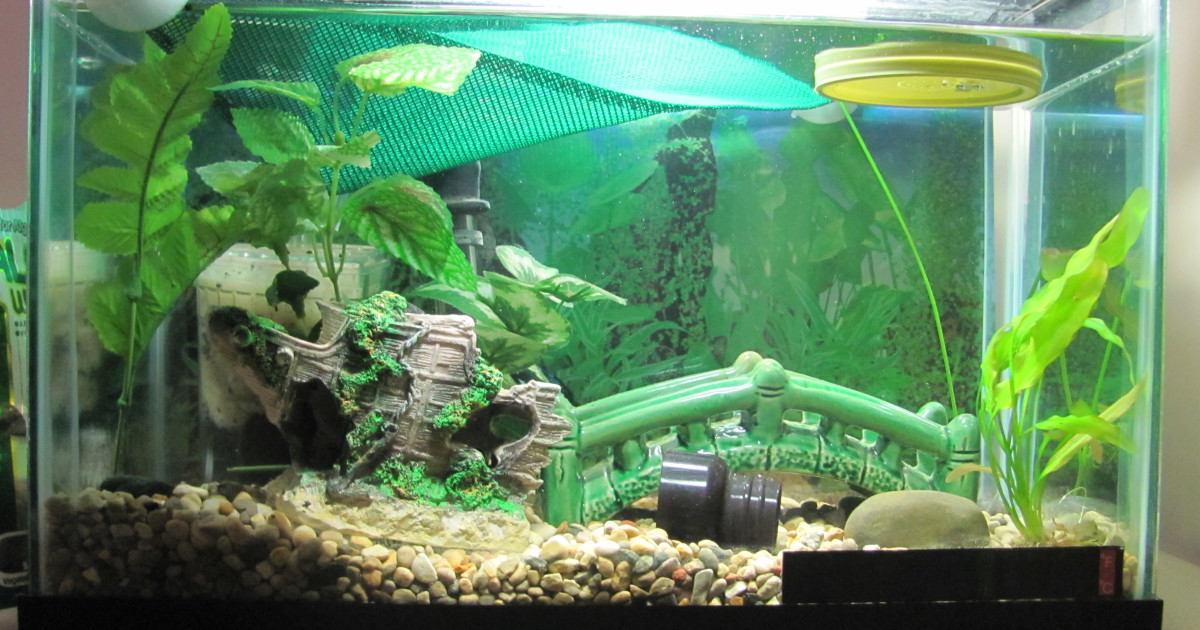
Credit: pethelpful.com
Selecting Ornamental Fish
Choosing the right ornamental fish is the first step in setting up your fish tank. Each species has different needs and care levels.
Understanding these needs helps keep your fish healthy and your tank beautiful.
Popular Species
Many ornamental fish are popular because they are colorful and easy to care for. Some species suit beginners well.
- Guppies: Small, colorful, and active fish.
- Neon Tetras: Bright blue and red stripes.
- Betta Fish: Vibrant colors, aggressive males.
- Angelfish: Tall, graceful swimmers.
- Corydoras Catfish: Bottom dwellers, peaceful.
Compatibility Considerations
Not all fish get along. Some fish are aggressive or territorial. Others prefer peaceful tank mates.
Choose fish that can live together without stress or fighting. Check their behavior and size.
- Avoid mixing aggressive fish with peaceful ones.
- Match fish of similar size to prevent bullying.
- Research species that share water temperature and pH needs.
- Keep schooling fish in groups of five or more for comfort.
Stocking Density
Stocking density means how many fish live in your tank. Too many fish cause poor water quality and stress.
Follow simple rules to keep the right number of fish for your tank size.
| Tank Size (Gallons) | Recommended Number of Small Fish |
|---|---|
| 10 | 5-6 |
| 20 | 10-12 |
| 30 | 15-18 |
| 50 | 25-30 |
Aquascaping Basics
Aquascaping is the art of designing underwater landscapes in fish tanks. It creates a natural and beautiful environment for ornamental fish. Knowing the basics helps you build a healthy and stunning aquarium.
Start by planning your design. Think about the plants, rocks, and layout. Each element plays a role in your aquascape’s beauty and function.
Choosing Substrates
The substrate is the material at the bottom of your fish tank. It supports plant roots and affects water chemistry. Pick the right substrate for your plants and fish.
Common substrates include gravel, sand, and specialized plant substrates. Each type has benefits. Consider your tank’s needs before choosing.
- Gravel is easy to clean and comes in many colors.
- Sand is great for fish that like to dig.
- Plant substrates provide nutrients for healthy plant growth.
Plant Selection
Plants are a vital part of aquascaping. They offer shelter and improve water quality. Choose plants based on your tank’s size and light conditions.
Some plants are easy to care for, while others need more attention. Beginner-friendly plants are a great choice for new aquascapers.
- Anubias are hardy and grow in low light.
- Java Ferns are easy to maintain and look beautiful.
- Cryptocoryne species thrive in various conditions.
Decor And Layout Ideas
Decor items like rocks and driftwood add personality to your tank. They create hiding spots and enhance the natural look. Arrange them thoughtfully.
Think about balance and proportion when laying out your decor. A well-organized tank is pleasing to the eye and healthy for fish.
| Decor Type | Benefits |
| Rocks | Create caves and add texture |
| Driftwood | Provides hiding places for fish |
| Artificial Items | Add color without affecting water |
Cycling Your Tank
Setting up a fish tank for ornamental fish needs careful planning. Cycling your tank prepares the water for fish safely.
This process helps create a healthy environment by balancing bacteria and toxins.
Nitrogen Cycle Process
The nitrogen cycle is key to a safe fish tank. It breaks down fish waste into less harmful substances.
- Ammonia from fish waste is toxic and must be removed.
- Good bacteria convert ammonia into nitrites, which are also harmful.
- Another group of bacteria changes nitrites into nitrates, which are less harmful.
- Plants or regular water changes help keep nitrate levels low.
Monitoring Water Parameters
Testing water is important to track the nitrogen cycle progress. You need special test kits for this.
| Parameter | Safe Range | Purpose |
| Ammonia (NH3) | 0 ppm | Check for toxic waste |
| Nitrite (NO2) | 0 ppm | Check for harmful bacteria |
| Nitrate (NO3) | Less than 20 ppm | Check for plant nutrient level |
| pH Level | 6.5 to 7.5 | Check water acidity |
Patience And Timing
Cycling takes time. It can last from 4 to 6 weeks or more depending on conditions.
Follow these tips to stay patient:
- Test water regularly to see changes.
- Do not add fish until ammonia and nitrite are zero.
- Keep the tank environment stable and clean.
- Use a starter bacteria product if you want to speed up cycling.
Regular Maintenance
Keeping a fish tank clean is very important for the health of your ornamental fish. Regular maintenance helps prevent diseases and keeps the water clear and safe.
Simple daily and weekly tasks make a big difference. This guide covers cleaning techniques, water changes, and filter upkeep to keep your tank in top shape.
Cleaning Techniques
Cleaning the tank removes dirt and waste that can harm fish. Use a soft sponge or algae scraper to clean the glass. Avoid using soap or chemicals, as they can poison the fish.
- Remove uneaten food daily
- Clean decorations gently with water
- Scrub algae off the tank walls weekly
- Use a gravel vacuum to clean the substrate
Water Changes
Changing the water keeps the environment healthy. Replace 10-20% of the tank water every week. Use a water conditioner to remove chlorine and chloramine from tap water.
| Water Change | Frequency | Amount |
| Small tanks (under 20 gallons) | Weekly | 20% |
| Medium tanks (20-50 gallons) | Every 1-2 weeks | 15% |
| Large tanks (over 50 gallons) | Biweekly | 10% |
Filter Upkeep
Filters keep water clean by removing waste and harmful chemicals. Check your filter every week. Clean or replace filter media as needed but keep some old media to keep beneficial bacteria.
- Turn off filter before cleaning
- Rinse filter sponges in tank water only
- Replace carbon or chemical media monthly
- Do not clean all parts at once to preserve bacteria

Credit: www.youtube.com
Feeding Your Fish
Feeding your fish is an important part of fish tank care. A balanced diet keeps your fish healthy and vibrant.
Understanding what to feed and how often can prevent common problems. Let’s explore the essentials of fish feeding.
Diet Types
Fish need a variety of nutrients. Different fish species have different dietary needs. Know what your fish requires to thrive.
- Flake food for surface feeders
- Pellets for larger fish
- Frozen foods for carnivorous species
- Vegetables for herbivorous fish
Feeding Schedules
Setting a feeding schedule helps maintain tank health. Overfeeding can cause water pollution. Regular feeding times are crucial.
Most fish benefit from being fed once or twice daily. Monitor their behavior and adjust as needed.
Avoiding Overfeeding
Overfeeding is a common mistake. It leads to waste and harmful toxins. Feed only what your fish can eat in a few minutes.
- Remove uneaten food promptly
- Observe fish to gauge feeding needs
- Use feeding rings to control portions
Preventing Common Issues
Setting up a fish tank for ornamental fish is exciting. Proper care helps keep fish healthy and happy.
Knowing common problems early can save your fish from harm. Watch your tank closely to prevent issues.
Disease Signs
Fish can get sick from bad water or stress. Look for unusual spots, torn fins, or strange swimming.
Common signs include white patches, red marks, or clamped fins. Early detection helps treat diseases fast.
- White spots or fuzz on body
- Red or bleeding areas
- Fish rubbing against objects
- Loss of appetite
- Slow or erratic swimming
Water Quality Problems
Clean water is key for fish health. Test water often for ammonia, nitrites, and pH levels.
Cloudy water or strong smells show poor water quality. Change water and clean filters regularly.
- Check ammonia and nitrite levels weekly
- Keep pH stable between 6.5 and 7.5
- Remove uneaten food quickly
- Use a good filter and clean it monthly
- Change 10-20% of water weekly
Behavioral Troubleshooting
Fish behavior shows how healthy they are. Watch for hiding, aggression, or listlessness.
Stress can come from overcrowding or wrong tank mates. Keep fish species compatible and space enough.
- Isolate aggressive fish
- Provide hiding spots with plants or decorations
- Keep tank size suitable for fish number
- Feed fish the right amount and type of food
- Observe fish daily for changes in behavior

Credit: www.reddit.com
Frequently Asked Questions
What Is The Ideal Tank Size For Ornamental Fish?
The ideal tank size depends on fish species and quantity. Generally, a 20-gallon tank suits most beginners. Larger tanks provide stable water conditions and more swimming space, promoting healthier fish and easier maintenance.
How Often Should I Clean My Ornamental Fish Tank?
Clean the tank partially every 1-2 weeks to maintain water quality. Avoid complete cleaning to preserve beneficial bacteria. Regular water changes of 10-20% help keep fish healthy and prevent harmful toxin buildup.
Which Filtration System Works Best For Ornamental Fish Tanks?
A combination of mechanical, biological, and chemical filtration is best. Canister filters and hang-on-back filters are popular choices. Proper filtration ensures clean water, reduces toxins, and supports fish health.
How Do I Maintain Water Temperature For Ornamental Fish?
Use an aquarium heater with a thermostat to keep stable water temperature. Most ornamental fish thrive between 72°F and 78°F. Monitor temperature regularly to avoid stress and health issues.
Conclusion
Setting up a fish tank for ornamental fish can bring joy and calmness. Choose the right tank size and clean water for healthy fish. Add plants and decorations to make the tank lively. Regular care keeps fish happy and bright.
Watch your fish swim and enjoy their beauty every day. This hobby can relax your mind and teach patience. Start simple, learn as you go, and enjoy your underwater world.