
Setting up the perfect fish tank for ornamental fish breeding can feel overwhelming. You want your fish to thrive, grow healthy, and produce beautiful offspring.
But where do you start? What equipment do you really need? How do you create the right environment that encourages breeding? This guide will walk you through every step, making it simple for you to create a successful breeding tank.
By the end, you’ll have the confidence and knowledge to watch your ornamental fish flourish right in your own home. Keep reading to unlock the secrets of a thriving fish breeding setup!

Credit: www.youtube.com
Choosing The Right Tank
Setting up a fish tank for ornamental fish breeding starts with picking the right tank. The tank must suit the needs of your fish and fit your space.
A good tank helps keep fish healthy and makes breeding easier. Consider size, material, and placement carefully.
Tank Size And Shape
The size of the tank depends on how many fish you want to breed. Bigger tanks give fish more room to swim and grow.
Shape affects water flow and fish behavior. Rectangular tanks are common and easy to fit in spaces.
- Small tanks suit few or small fish
- Larger tanks support more fish and plants
- Wide tanks allow more surface area for oxygen
Material Options
Most tanks are made from glass or acrylic. Each material has pros and cons for breeding fish.
Glass tanks are clear and scratch-resistant but heavier. Acrylic tanks are lighter and stronger but can scratch easily.
- Glass tanks are less expensive and durable
- Acrylic tanks offer better insulation
- Both materials hold water well and are safe for fish
Placement Considerations
Place the tank in a quiet spot away from direct sunlight. Sunlight can cause algae to grow fast.
Keep the tank near power outlets for filters and heaters. Avoid areas with heavy traffic or vibrations.
- Choose a sturdy, level surface
- Avoid places near windows or heaters
- Allow easy access for feeding and cleaning
Selecting Filtration Systems
Choosing the right filtration system is key for a healthy fish tank. Good filters keep water clean and safe.
Filters remove waste, toxins, and help maintain water quality. This is important for ornamental fish breeding.
Types Of Filters
There are several filter types to choose from. Each works in a different way to clean the water.
- Mechanical Filters:Remove solid debris by trapping particles.
- Biological Filters:Use beneficial bacteria to break down harmful waste.
- Chemical Filters:Use activated carbon or resin to remove toxins and odors.
- Canister Filters:External filters that combine all filter types for large tanks.
- Hang-on-back Filters:Easy to install and maintain, good for small tanks.
Filter Maintenance
Regular care keeps filters working well. Clean parts gently to protect beneficial bacteria.
- Turn off the filter before cleaning.
- Rinse filter media in tank water, not tap water.
- Replace chemical media every 4 to 6 weeks.
- Check and clean impellers monthly.
- Keep spare parts ready for quick replacements.
Ensuring Water Quality
| Parameter | Ideal Level | Importance |
| Ammonia | 0 ppm | Toxic to fish, must be removed by filters |
| Nitrite | 0 ppm | Harmful, indicates filter issues |
| Nitrate | < 20 ppm | Less toxic, control with water changes |
| pH | 6.5 – 7.5 | Stable pH helps fish health |
| Temperature | 22°C – 28°C | Suitable for most ornamental fish |
Test water regularly to keep these levels safe. Filtration systems help control waste and chemicals.
Water Parameters For Breeding
Setting up a fish tank for ornamental fish breeding requires precise water parameters. Proper water conditions ensure the health and reproduction of fish.
Key factors include temperature, pH, and oxygen levels. These must be monitored and controlled for successful breeding.
Temperature Control
Temperature plays a crucial role in fish breeding. Different species have varying temperature needs.
- Research the ideal temperature for your fish species.
- Use a reliable aquarium heater to maintain consistent temperature.
- Monitor the temperature daily with a thermometer.
Ph And Hardness Levels
pH and water hardness affect fish health. They influence fish metabolism and breeding success.
| Fish Species | Optimal pH | Hardness (dGH) |
| Guppies | 7.0-7.5 | 8-12 |
| Discus | 6.0-7.0 | 3-8 |
| Angelfish | 6.8-7.8 | 5-13 |
Oxygenation Techniques
Oxygen levels are vital for fish survival and breeding. Sufficient oxygen prevents stress and promotes healthy growth.
Ensure proper aeration by using:
- Air stones for constant bubbles
- Aquarium filters with aeration features
- Regular water changes to refresh oxygen

Credit: www.youtube.com
Decor And Substrate Choices
Setting up a fish tank for ornamental fish breeding needs careful planning. The decor and substrate help create a safe and healthy environment for the fish.
Choosing the right plants, decorations, and substrate supports fish comfort and breeding success. These choices affect water quality and fish behavior.
Safe Plants And Decorations
Use plants that are safe for fish and do not release harmful substances. Live plants improve water quality and offer hiding places for fish.
Avoid sharp or rough decorations that can hurt the fish. Smooth stones, driftwood, and plastic plants are good options.
- Java fern and Anubias are low-maintenance live plants
- Plastic plants must be smooth and free of sharp edges
- Driftwood adds natural shelter and hides fish from light
- Rocks should be smooth and non-toxic
Substrate Types
The substrate is the material at the bottom of the tank. It affects the water chemistry and fish comfort.
Gravel, sand, and soil are common substrates. Choose one that fits your fish species and plants.
- Gravel is easy to clean and supports plant roots
- Sand is soft and good for bottom-dwelling fish
- Soil helps live plants grow but needs care to avoid clouding water
- Rinse substrate well before adding it to the tank
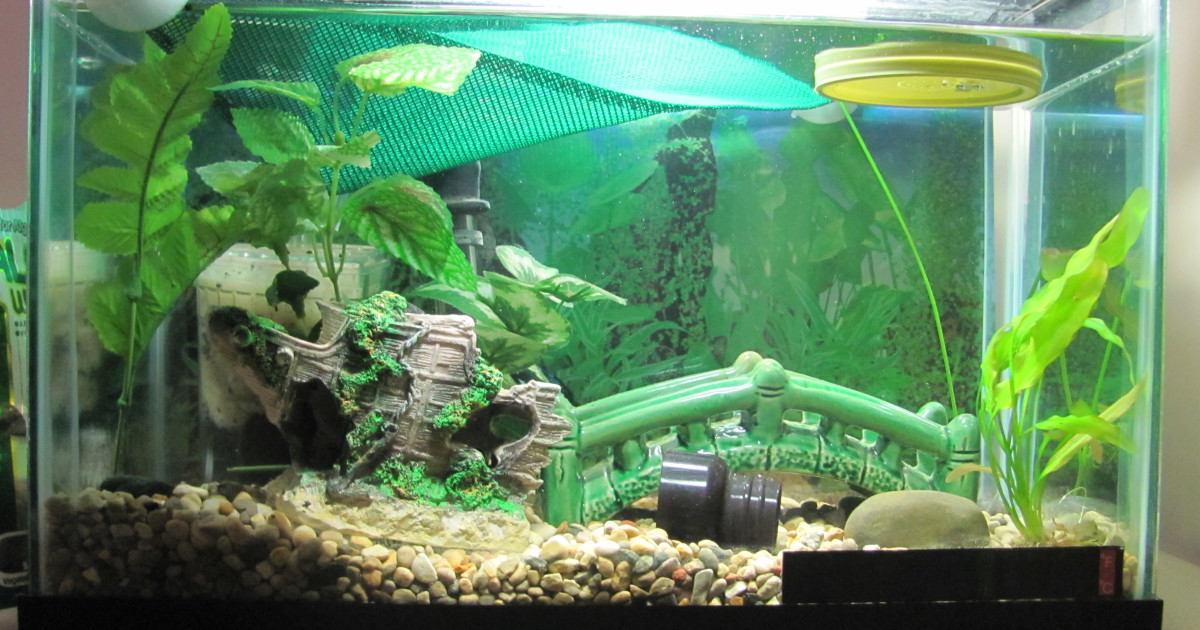
Breeding Hiding Spots
Fish need hiding spots to feel safe during breeding. These spots reduce stress and protect eggs and fry.
Use caves, dense plants, or decorations with holes to create hiding places. Avoid overcrowding the tank.
- Ceramic or resin caves provide secure hiding spots
- Dense plant clusters offer natural cover
- Hollow logs or tubes work well for shy fish
- Keep hiding spots clean to prevent bacteria growth
Selecting Breeding Fish
Choosing the right fish is important for successful breeding. Not all fish can breed well in a home tank.
Start by picking fish that match your tank size and conditions. Healthy fish produce better offspring.
Species Compatibility
Keep fish together that get along well. Some species fight or stress each other.
Choose species with similar water needs and behavior. This helps them breed without problems.
- Peaceful species like guppies and tetras work well together
- Aggressive species should be kept separate
- Avoid mixing fish that eat eggs or fry
Healthy Breeders
Select fish that look active and strong. Healthy fish have bright colors and clear eyes.
Avoid fish with signs of disease or injury. Sick fish often fail to breed or care for eggs.
- Check for smooth scales and fins
- Watch for normal swimming and eating habits
- Choose fish that are at least six months old
Sexing Fish
Identify males and females before breeding. You need both to produce offspring.
Look for differences in size, color, and fin shapes. These features vary by species.
| Fish Species | Male Traits | Female Traits |
|---|---|---|
| Guppies | Bright colors, longer fins | Duller colors, rounder body |
| Betta | Large fins, bright color | Smaller fins, less vivid |
| Angelfish | Longer dorsal fins | Rounder body |
Credit: pethelpful.com
Feeding For Breeding Success
Feeding ornamental fish correctly is key to breeding success. Proper nutrition helps fish grow strong and produce healthy offspring.
Different foods provide nutrients needed for energy and reproduction. Understanding these needs improves your fish tank setup.
Nutritional Needs
Ornamental fish need proteins, fats, vitamins, and minerals. These nutrients support egg development and fry growth.
- Protein boosts muscle and tissue growth.
- Fats provide energy for breeding activities.
- Vitamins A, C, and E improve immune health.
- Minerals like calcium strengthen bones and eggshells.
Live And Prepared Foods
Live foods offer natural nutrition and stimulate fish to feed more actively. Prepared foods add balanced nutrients and convenience.
| Food Type | Examples | Benefits |
| Live Foods | Brine shrimp, daphnia, bloodworms | High protein and natural movement |
| Prepared Foods | Pellets, flakes, frozen mixes | Balanced vitamins and easy storage |
Feeding Schedules
Regular feeding times keep fish healthy and ready to breed. Overfeeding can cause tank problems and health issues.
- Feed small amounts two to three times daily.
- Remove uneaten food after five minutes.
- Adjust food quantity based on fish activity.
- Fast fish one day per week to clear digestion.
Breeding Techniques
Setting up a fish tank for ornamental fish breeding needs careful attention. Understanding breeding techniques helps ensure success.
Each species has unique needs. Knowing how to trigger spawning, pair fish, and care for eggs and fry improves your results.
Spawning Triggers
Spawning triggers are environmental changes that encourage fish to breed. These include temperature shifts, lighting, and water quality.
- Increase water temperature slightly to mimic seasonal changes.
- Adjust light cycles to longer daylight hours.
- Perform partial water changes to improve water quality.
- Add plants or spawning mops for fish to lay eggs.
Pairing Strategies
Choosing the right pairs is important. Compatible fish have better breeding success and reduce aggression.
| Pairing Method | Description |
| Monogamous Pairing | One male and one female kept together for exclusive breeding. |
| Group Spawning | Multiple males and females in one tank to encourage natural selection. |
| Sequential Pairing | Rotate males or females to find compatible mates. |
| Isolated Conditioning | Keep fish separate before pairing to improve breeding readiness. |
Egg And Fry Care
Proper care of eggs and fry increases survival rates. Keep the environment clean and safe.
- Remove adults after spawning to prevent egg eating.
- Maintain stable water temperature and quality.
- Use gentle aeration to provide oxygen without disturbing eggs.
- Feed fry with suitable foods like infusoria or crushed flakes.
- Perform frequent small water changes to keep the tank clean.
Disease Prevention And Treatment
Setting up a fish tank for breeding ornamental fish requires careful attention to prevent diseases. Effective treatment methods are crucial for maintaining a healthy environment.
Understanding common diseases and implementing preventive measures can lead to successful breeding outcomes.
Common Breeding Diseases
Breeding fish can be prone to several diseases. Recognizing symptoms early is vital to manage outbreaks.
- Fin Rot: Caused by bacteria, fins appear ragged.
- Ich: White spots on the body and fins.
- Fungal Infections: Cotton-like growths on skin.
Quarantine Procedures
Quarantine new fish before adding them to the main tank. This prevents the spread of diseases to healthy fish.
| Step | Action |
| 1 | Set up a separate tank with similar conditions. |
| 2 | Keep new fish isolated for at least two weeks. |
| 3 | Monitor for any signs of illness. |
Safe Medication Use
Using medication safely is important to treat fish diseases effectively. Always follow guidelines and consult with a vet if unsure.
Monitoring And Maintenance
Setting up a fish tank for ornamental fish breeding needs constant care. Monitoring and maintenance keep the fish healthy.
Regular checks help prevent diseases and maintain water quality. This creates a good environment for breeding fish.
Regular Water Testing
Test the water often to keep it safe for the fish. Check parameters like pH, ammonia, nitrite, and nitrate levels.
Use simple water test kits to measure these values. Keep the water within safe ranges to avoid stress and illness.
- pH: 6.5 to 7.5 is usually good for most ornamental fish
- Ammonia: should be 0 ppm
- Nitrite: should be 0 ppm
- Nitrate: keep below 20 ppm
Tank Cleaning Routines
Clean the tank regularly to remove waste and uneaten food. This prevents harmful bacteria from growing.
Change 10-20% of the water weekly. Clean the tank glass and decorations gently without harming beneficial bacteria.
- Use a gravel vacuum to clean the substrate
- Wipe algae off the tank walls
- Rinse filters in tank water, not tap water
- Avoid over-cleaning to keep good bacteria alive
Observation Tips
Watch your fish daily for any changes in behavior or appearance. Early signs of stress or illness help you act fast.
Look for unusual swimming, loss of appetite, or spots on the fish. Also, check if the fish are breeding and if eggs look healthy.
- Note any changes in color or fins
- Observe fish interaction and activity levels
- Check for floating or sinking eggs
- Keep a log of observations for tracking health
Frequently Asked Questions
What Is The Ideal Tank Size For Ornamental Fish Breeding?
A 20 to 30-gallon tank is ideal for breeding most ornamental fish. It provides enough space for fish to swim and protects fry from predators. Larger tanks help maintain water quality and reduce stress during breeding.
How Do I Maintain Water Quality For Breeding Fish?
Regular water changes and a good filtration system are essential. Test water parameters like pH, ammonia, and nitrite levels weekly. Stable, clean water promotes healthy breeding and fry survival.
Which Plants Are Best For Ornamental Fish Breeding Tanks?
Live plants like Java moss, Anubias, and hornwort offer hiding spots for fry. They improve water quality and mimic natural habitats, encouraging breeding behavior and protecting young fish.
How To Control Temperature In A Breeding Fish Tank?
Use an adjustable aquarium heater to keep water between 75-80°F. Stable temperature supports breeding and fry development. Monitor daily with a reliable thermometer for consistency.
Conclusion
Setting up a fish tank for ornamental fish breeding takes careful planning. Keep the water clean and at the right temperature. Provide plenty of hiding spots and proper lighting. Feed the fish healthy food regularly. Watch the fish closely for signs of stress or illness.
Patience is key; breeding can take time. Enjoy the process and learn from each step. A well-prepared tank helps fish grow strong and healthy. Your efforts will lead to a beautiful, thriving fish community.