
Setting up a fish tank isn’t just about filling it with water and adding fish. If you want your ornamental fish to thrive and show their natural, beautiful behaviors, your setup plays a huge role.
You might have noticed some fish hiding or acting restless, and that’s often a sign that their environment isn’t quite right. You’ll discover simple yet powerful ways to arrange your tank that encourage your fish to be active, colorful, and happy.
Keep reading to learn how to create the perfect home that brings out the best in your ornamental fish.
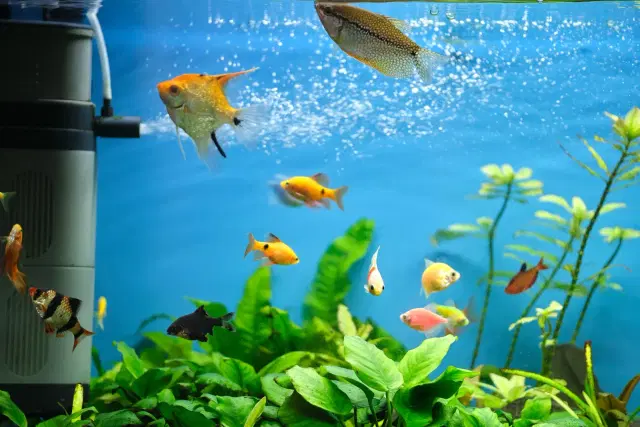
Credit: aquadecorbackgrounds.com
Choosing The Right Tank
Setting up a fish tank for ornamental fish needs careful planning. The right tank helps fish stay healthy and show natural behavior.
Choosing the correct tank size, material, and location can improve fish comfort and tank maintenance.
Tank Size And Shape
Fish need enough space to swim freely and behave naturally. A larger tank reduces stress and helps fish grow well.
The shape of the tank affects swimming areas. Long tanks give more horizontal space. Tall tanks suit fish that swim up and down.
- Small tanks limit fish movement and water quality.
- Long tanks suit active, swimming fish.
- Tall tanks fit species that like vertical space.
- Choose size based on fish type and number.
Material Options
Fish tanks come in glass or acrylic. Glass is strong and scratch-resistant. Acrylic is lighter and clearer.
Choose material based on tank size and your needs. Acrylic is better for large tanks. Glass is easier to clean.
- Glass tanks are heavier but resist scratches.
- Acrylic tanks are lighter and clearer.
- Acrylic is easier to shape for custom tanks.
- Glass is usually less expensive.
Placement And Lighting
Place the tank where it is stable and away from direct sunlight. This helps control water temperature and algae growth.
Lighting affects fish behavior and plant growth. Use soft lights that mimic natural day and night cycles.
- Keep tank away from windows and heat sources.
- Use LED lights for energy efficiency and brightness.
- Provide 8-10 hours of light daily.
- Dim lights help fish rest at night.
Water Quality Essentials
Good water quality is key for healthy ornamental fish. Clean water helps fish live longer and behave naturally.
Maintaining the right water conditions reduces stress and prevents disease in your fish tank.
Filtration Systems
Filtration removes waste and toxins from the water. It keeps the tank clear and safe for fish.
- Mechanical filters trap debris like uneaten food and fish waste.
- Biological filters use good bacteria to break down harmful chemicals.
- Chemical filters remove odors and discoloration using activated carbon.
Water Parameters
Water parameters like pH, ammonia, nitrite, and nitrate affect fish health. Keep these in safe ranges.
| Parameter | Safe Range |
| pH | 6.5 – 7.5 |
| Ammonia | 0 ppm |
| Nitrite | 0 ppm |
| Nitrate | < 20 ppm |
Temperature Control
Fish need stable water temperature. Sudden changes cause stress and illness.
- Use a reliable aquarium heater for tropical fish tanks.
- Check the temperature daily with a good thermometer.
- Avoid placing the tank near windows or heaters that cause temperature swings.
Selecting Ornamental Fish
Choosing the right ornamental fish is key for a peaceful aquarium. You must think about fish size, care needs, and tank space.
Good selection helps prevent stress and aggression. It also keeps your fish healthy and active.
Popular Species
Some fish are popular because they are easy to care for. Others stand out with bright colors or interesting shapes.
- Guppies: Small, colorful, and lively fish
- Neon Tetras: Bright stripes, peaceful nature
- Betta Fish: Vibrant fins, can be aggressive
- Angelfish: Tall shape, graceful swimmers
- Corydoras Catfish: Bottom dwellers, social fish
Compatibility Factors
Not all fish get along well. You should pick fish that live peacefully together.
Consider their size, temperament, and water needs. Mixing aggressive fish with calm fish causes fights.
- Size: Avoid big fish with very small fish
- Temperament: Match peaceful fish with peaceful ones
- Water Conditions: Keep fish with similar temperature and pH needs
- Swimming Levels: Mix fish that swim at different tank levels
Behavioral Traits
Fish have unique behaviors like schooling, hiding, or territorial fights. Knowing this helps you set up the tank well.
Some fish like to live in groups, while others prefer to be alone. Watch for aggressive signs to keep peace.
- Schooling: Fish like Tetras swim in groups for safety
- Territorial: Betta fish guard their space fiercely
- Bottom Dwellers: Corydoras stay near the tank floor
- Shy Fish: Some need plants or decorations for hiding

Credit: www.aqqapet.com
Aquascaping For Behavior
A well-planned fish tank helps ornamental fish act naturally. Aquascaping shapes their environment and affects their behavior.
Choosing the right elements in the tank supports fish comfort and reduces stress. It also encourages natural activities like hiding and exploring.
Choosing Substrate
Substrate is the material on the tank bottom. It affects fish behavior and tank health. Soft substrates let bottom fish dig and search for food.
- Sand: Good for digging and burrowing species
- Gravel: Helps plant roots grow and gives firm footing
- Soil-based: Provides nutrients for live plants
- Mixed: Offers varied textures and hiding spots
Plants And Decorations
Live plants improve water quality and give shelter. Decorations create interest and simulate natural habitats. Both help fish feel safe and reduce aggression.
| Type | Effect on Behavior |
| Floating plants | Provide shade and calm surface swimmers |
| Rooted plants | Offer cover and food for shy fish |
| Rocks and driftwood | Create hiding spots and territorial markers |
| Ornaments | Encourage exploration and play |
Hiding Spots And Territories
Fish need places to hide and claim as territory. This lowers stress and fights. Hiding spots make shy fish feel secure.
- Caves made from rocks or ceramic
- Dense plant clusters
- Decorations with small openings
- Territory dividers like wood or stone walls
Feeding And Nutrition
Proper feeding is key for ornamental fish health and behavior. Good nutrition supports growth and vibrant colors.
Feeding habits also affect how fish interact with each other. Understanding their diet helps keep them active and happy.
Diet Types
Ornamental fish eat different types of food based on their species. Some prefer flakes, others like pellets or live food.
Providing a mix of food types gives balanced nutrition and keeps fish interested in feeding time.
- Flake food: Easy to use and common for many fish
- Pellets: Good for bottom feeders and larger fish
- Live food: Offers natural nutrition and stimulates hunting behavior
- Frozen food: Convenient and nutritious alternative to live food
- Vegetables: Some fish enjoy blanched greens like spinach or peas
Feeding Schedules
Regular feeding times help fish develop a healthy routine. Most ornamental fish do well with two small meals per day.
Young fish may need more frequent feeding, while adult fish require less food to avoid waste.
- Feed twice daily: morning and evening
- Offer only what fish can eat in 2-3 minutes
- Skip feeding once a week to clear fish digestion
- Adjust feeding amount based on fish activity and growth
Avoiding Overfeeding
Overfeeding causes water pollution and fish health problems. Uneaten food breaks down and harms water quality.
Watch fish eat carefully. Stop feeding as soon as food is gone to keep the tank clean and fish healthy.
- Feed small amounts to prevent leftovers
- Remove uneaten food after feeding
- Use feeding rings to contain food in one spot
- Monitor fish weight and adjust food accordingly
Credit: www.maono.com
Monitoring Fish Behavior
Monitoring fish behavior is crucial for maintaining a healthy tank environment. Observing how fish interact can provide insights into their well-being.
Being aware of different behaviors helps in identifying stress, breeding, and aggression. This ensures the fish thrive in their habitat.
Signs Of Stress
Fish can show stress through various signs. Recognizing these signs early can prevent health issues.
- Gasping at the surface for air
- Erratic swimming patterns
- Loss of appetite
- Faded colors
Breeding Behaviors
Breeding behaviors can be fascinating to observe. Fish often change their usual behavior during breeding times.
| Behavior | Description |
| Nesting | Building or cleaning a specific area |
| Courting | Chasing or displaying fins |
| Spawning | Laying eggs in a chosen spot |
Aggression Management
Managing aggression in a fish tank is important for peace. Aggressive fish can stress others and disrupt the tank’s harmony.
Maintenance Routines
Keeping a fish tank clean is vital for fish health. Regular maintenance ensures your fish thrive in a balanced environment.
Let’s explore important maintenance routines to support ornamental fish behavior. These include water changes, tank cleaning, and equipment checks.
Water Changes
Water changes remove harmful waste and refresh the tank. Regular changes keep water conditions stable, which is crucial for fish health.
Change about 10-20% of the water weekly. Use dechlorinated water to protect your fish.
- Gather supplies: bucket, siphon, dechlorinator
- Remove water with a siphon
- Replace with dechlorinated water
Tank Cleaning
Cleaning the tank prevents algae growth and waste buildup. A clean tank supports healthy fish behavior.
Clean the tank glass and decorations monthly. Use a sponge or scraper to remove algae.
- Use an algae scraper for glass cleaning
- Rinse decorations in tank water
- Avoid soap or chemicals
Equipment Checks
Regular checks on equipment ensure proper tank function. This includes filters, heaters, and lights.
Inspect equipment weekly to catch issues early. Properly working equipment maintains a stable environment for fish.
- Check filter operation and clean if needed
- Ensure heater is maintaining correct temperature
- Test lights and replace bulbs if necessary
Frequently Asked Questions
How Does Tank Size Affect Ornamental Fish Behavior?
Tank size impacts fish movement and stress levels. Larger tanks offer more swimming space, reducing aggression. Smaller tanks can cause territorial disputes and limit natural behaviors. Proper tank dimensions ensure fish feel secure and exhibit healthy, natural activity patterns.
What Water Conditions Best Support Ornamental Fish Behavior?
Stable water temperature, pH, and cleanliness promote healthy behavior. Sudden changes cause stress and lethargy. Regular water testing and filtration maintain optimal conditions, encouraging natural feeding, breeding, and social interactions among ornamental fish.
How Does Tank Decoration Influence Fish Behavior?
Decorations provide hiding spots and reduce stress in fish. Plants and rocks mimic natural habitats, encouraging exploration and territorial behavior. Thoughtful decoration supports mental stimulation and comfort, enhancing overall well-being and natural activity levels.
Why Is Lighting Important For Ornamental Fish Behavior?
Lighting regulates fish day-night cycles and activity. Proper lighting mimics natural environments, promoting feeding and breeding. Excessive or insufficient light can disrupt behavior and cause stress. Balanced lighting supports healthy, natural rhythms in ornamental fish.
Conclusion
Setting up a fish tank affects how ornamental fish behave daily. A clean, well-planned tank helps fish feel safe and active. Proper space, plants, and hiding spots reduce stress and encourage natural actions. Watching fish interact shows their true colors and habits.
Remember, caring for their home means caring for their happiness. A good setup makes fish life healthy and fun to observe. Keep learning and adjusting to meet your fish’s needs. Enjoy a lively, beautiful tank with happy fish inside.