
Setting up a fish tank for your ornamental fish is more than just placing water and fish in a glass box. It’s about creating a lively, thriving environment where your fish can swim freely and show their natural behaviors.
You want your fish to be active, colorful, and healthy, right? But how do you make sure your tank supports that? This guide will walk you through simple, effective steps to design a fish tank that brings out the best in your ornamental fish.
Keep reading to discover tips that will transform your aquarium into a vibrant underwater world your fish will love—and you’ll enjoy watching every day.
Choosing The Right Tank
Setting up a fish tank for ornamental fish needs careful thought. The tank you choose affects fish health and appearance.
Consider size, material, and placement to create a happy home for your fish.
Tank Size And Shape
Fish need enough space to swim freely. Bigger tanks are easier to keep stable. Choose a shape that fits your space and shows your fish well.
- Long tanks give more swimming room
- Tall tanks suit fish that swim vertically
- Square tanks fit small rooms easily
- Smaller tanks need careful maintenance
Material Options
Most tanks are made from glass or acrylic. Each has good and bad points for your setup.
| Material | Advantages | Disadvantages |
| Glass | Scratch-resistant, clear view | Heavier, can break |
| Acrylic | Lighter, stronger, warmer | Scratches easily, costs more |
Placement Tips
Choose a spot safe from sunlight and heat. Avoid places near windows or heaters. A stable surface keeps the tank steady.
- Keep tank away from direct sunlight
- Place on a flat, strong surface
- Check that area is quiet and low traffic
- Allow space for maintenance around tank
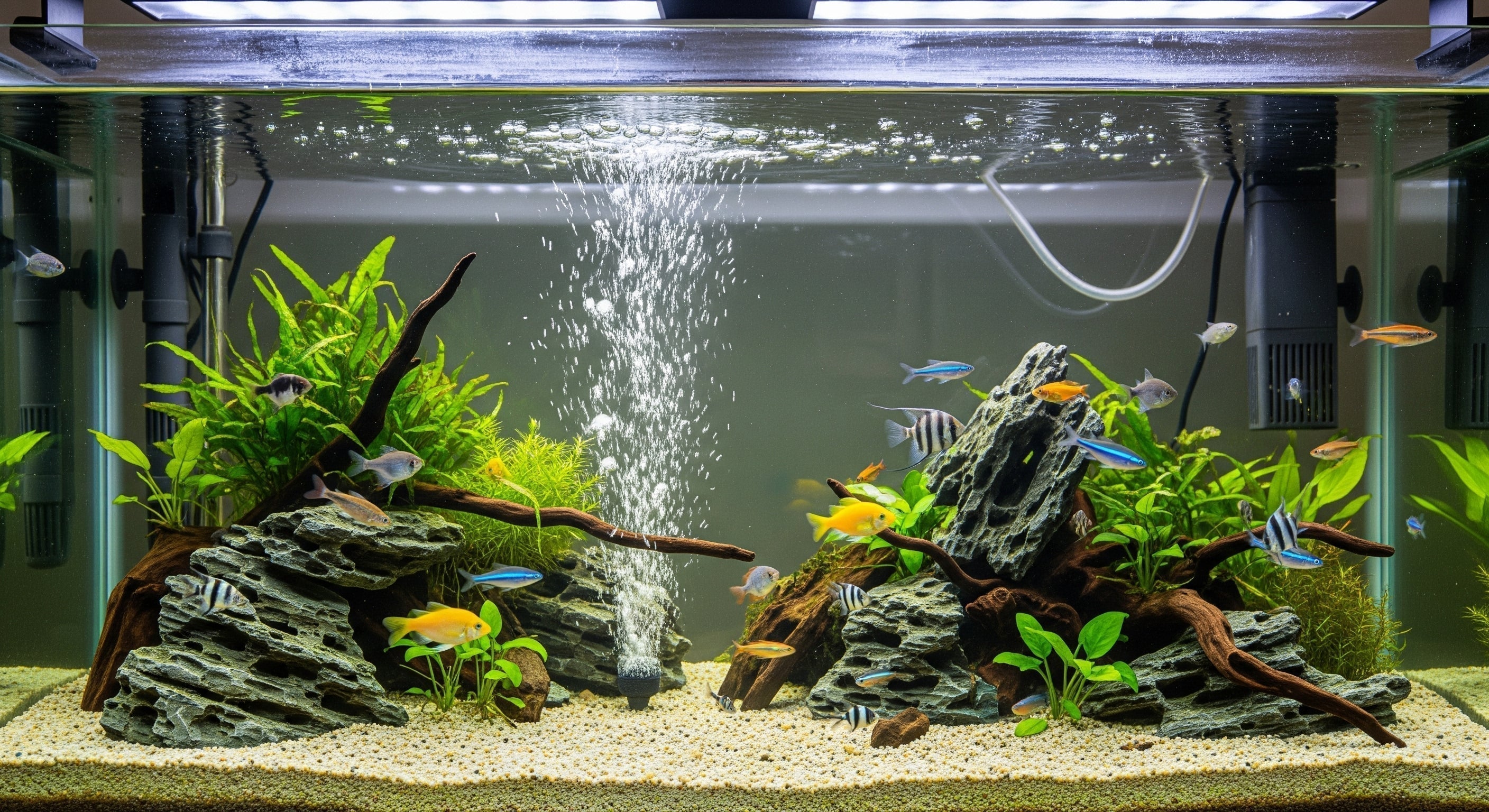
Credit: www.pond-planet.co.uk
Essential Equipment
Setting up a fish tank for ornamental fish needs the right equipment. This helps keep the fish healthy and the tank clean.
We will look at important tools like filters, lighting, heaters, and thermometers.
Filters And Pumps
Filters keep water clean by removing waste and harmful chemicals. Pumps move water to keep it fresh and oxygen-rich.
- Mechanical filters catch debris and particles.
- Biological filters use bacteria to break down waste.
- Water pumps help circulate water evenly.
- Choose filters that fit your tank size.
Lighting Choices
Lighting affects fish behavior and plant growth. Use the right light for your tank’s needs.
| Type of Light | Best For | Notes |
| LED | Energy saving and bright | Long lifespan, low heat |
| Fluorescent | Plant growth | Needs regular replacement |
| Incandescent | Simple setups | Produces more heat |
Heaters And Thermometers
Heaters keep water at a steady temperature. Thermometers help check if the temperature is right for your fish.
Tips for choosing and using heaters and thermometers:
- Select a heater with the correct wattage for your tank size.
- Place the thermometer where you can see it easily.
- Check temperature daily to avoid sudden changes.
- Use heaters with built-in thermostats for better control.
Water Quality Basics
Good water quality is key for healthy ornamental fish. Clean water helps fish grow and stay lively. Poor water can harm fish and plants in the tank.
Understanding water quality starts with knowing what to check and how to keep water safe. This guide covers water conditioning, testing parameters, and keeping water clean.
Water Conditioning
Water conditioning means making tap water safe for fish. Tap water has chemicals like chlorine that can hurt fish. Use a water conditioner to remove these chemicals before adding water to the tank.
Conditioned water also helps keep the right balance of minerals. This balance is important for fish health and plant growth.
Testing Parameters
Regular testing shows if water is safe for fish. Key parameters to test are pH, ammonia, nitrite, and nitrate. Each affects fish health in different ways.
| Parameter | Safe Range | Effect on Fish |
|---|---|---|
| pH | 6.5 – 7.5 | Too low or high can stress fish |
| Ammonia | 0 ppm | Toxic even in small amounts |
| Nitrite | 0 ppm | Can poison fish |
| Nitrate | < 20 ppm | High levels harm fish over time |
Maintaining Clean Water
- Change 10-20% of the water weekly
- Remove uneaten food daily
- Clean the filter as needed
- Do not overfeed the fish
- Keep tank away from direct sunlight
Following these steps helps keep water clean and fish healthy. Clean water reduces disease risk and keeps fish active.
Substrate And Decorations
Setting up a fish tank for ornamental fish needs careful planning. Substrate and decorations affect fish health and tank beauty.
Choosing the right materials helps create a safe and natural environment for your fish to thrive.
Types Of Substrate
Substrate is the material that lines the bottom of the tank. It affects water quality and fish comfort. Common types include gravel, sand, and soil.
- Gravel: Easy to clean and comes in many colors.
- Sand: Soft, good for bottom-dwelling fish.
- Aquarium Soil: Rich in nutrients for plants.
- Crushed Coral: Raises water hardness for specific fish.
Safe Ornaments
Decorations must be safe for fish. Avoid sharp edges and toxic materials. Use natural or aquarium-safe ornaments only.
| Ornament Type | Material | Safety Notes |
| Rocks | Natural stone | Check for sharp edges |
| Driftwood | Natural wood | Soak before use to prevent tannins |
| Plastic Plants | Non-toxic plastic | Choose soft leaves to avoid injury |
| Ceramic Caves | Glazed ceramic | Make sure glaze is fish-safe |
Creating Hiding Spots
Fish need hiding spots to feel safe and reduce stress. You can create hiding places with decorations and plants.
- Use caves or tunnels made from aquarium-safe materials.
- Arrange plants to form dense areas for shelter.
- Place driftwood or rocks to create natural caves.
- Ensure hiding spots are big enough for your fish.
Selecting Ornamental Fish
Choosing the right ornamental fish is important for a thriving fish tank. You must consider species, compatibility, and stocking density.
Each factor affects the health and happiness of your fish. Let’s explore some important aspects in detail.
Popular Species
Many species are popular for ornamental fish tanks. They offer vibrant colors and interesting behaviors.
- Neon Tetras: Bright and active schooling fish.
- Guppies: Known for their colorful tails.
- Betta Fish: Beautiful and territorial.
- Angelfish: Graceful and elegant swimmers.
Compatibility Tips
Fish compatibility is crucial to prevent stress and aggression in your tank.
Consider these compatibility tips:
- Group peaceful species together.
- Avoid mixing aggressive fish with passive ones.
- Research each species’ behavior before buying.
Stocking Density
Stocking density refers to the number of fish in your tank. Maintaining the right density is key to a healthy environment.
| Tank Size (Gallons) | Maximum Number of Fish |
| 10 | 5-7 small fish |
| 20 | 10-14 small fish |
| 30 | 15-21 small fish |
Always research the specific needs of each species to ensure your fish remain healthy and happy.
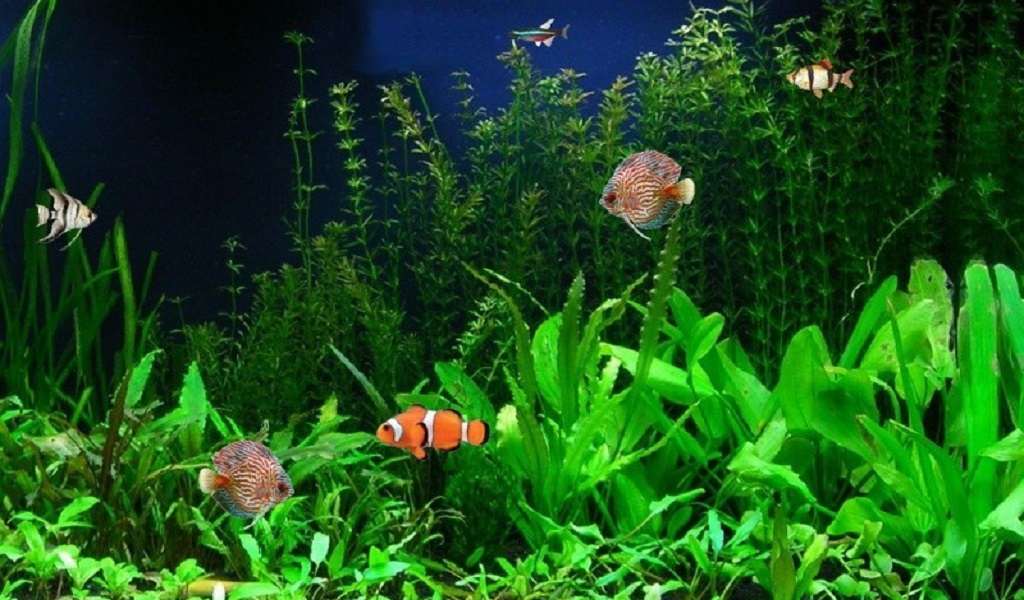
Credit: www.hygger-online.com
Feeding And Nutrition
Proper feeding is key for healthy ornamental fish. Good nutrition helps fish grow and stay active.
Choosing the right food and feeding the right amount keeps your fish happy. Avoiding mistakes will protect your tank.
Types Of Fish Food
Ornamental fish eat many types of food. Each type gives different nutrients. Use a mix for balanced meals.
- Flake food: Easy to use and common for most fish.
- Pellets: Good for bigger fish that need sinking food.
- Frozen food: Offers protein like bloodworms or brine shrimp.
- Live food: Helps stimulate natural hunting and activity.
- Vegetables: Some fish enjoy blanched peas or spinach.
Feeding Schedules
Fish need regular feeding times. Too much or too little food can cause stress.
| Fish Type | Feedings per Day | Amount per Feeding |
| Small tropical fish | 2-3 | Small pinch |
| Medium fish | 2 | Moderate amount |
| Large fish | 1-2 | More food but not excess |
Avoiding Overfeeding
Overfeeding harms fish and pollutes water. Leftover food decays and causes tank problems.
- Feed only what fish eat in 2-3 minutes.
- Remove uneaten food quickly.
- Use a feeding ring to keep food in one place.
- Do not feed extra treats often.
- Check fish health and behavior for signs of overfeeding.
Routine Maintenance
Keeping your fish tank clean and healthy is important for your ornamental fish. Routine maintenance helps prevent disease and keeps the water clear.
Regular care ensures your fish live in a safe, comfortable environment. It also makes the tank look beautiful.
Cleaning Procedures
Cleaning the tank removes dirt, algae, and waste. Use a soft cloth or sponge to clean the glass. Avoid harsh chemicals.
Gravel and decorations can collect debris. Use a gravel vacuum to clean the bottom without removing the fish.
- Wipe glass inside and outside weekly
- Vacuum gravel to remove waste
- Clean decorations gently to avoid damage
- Do not use soap or chemicals
Water Changes
Changing water regularly keeps the tank healthy. Remove 10-20% of the water every week. Replace it with clean, treated water.
Use a water conditioner to remove chlorine and harmful chemicals. Check the water temperature before adding it back to the tank.
- Remove 10-20% of water weekly
- Use water conditioner before adding new water
- Match new water temperature to the tank
- Avoid sudden large water changes
Equipment Checks
Check your tank equipment often. Filters, heaters, and lights must work properly to keep fish healthy.
Clean filters as recommended. Replace filter media when needed. Make sure heaters keep the water at the right temperature.
- Inspect filter for clogging weekly
- Clean or replace filter media monthly
- Test heater temperature regularly
- Check lights for proper operation

Credit: shedhappens.net
Health And Disease Management
Setting up a fish tank for ornamental fish involves keeping them healthy. Understanding common diseases and how to prevent them is vital.
Proper health management ensures your fish live long and vibrant lives. This includes recognizing signs of illness and knowing treatment options.
Common Illnesses
Ornamental fish can suffer from various illnesses. Knowing these helps you act quickly to keep your fish healthy.
- Ich: White spots on fins and body.
- Fin Rot: Frayed and decaying fins.
- Swim Bladder Disease: Difficulty swimming or floating.
Preventive Measures
Preventing diseases in fish tanks is easier than treating them. Consistent care and maintenance are key.
- Regularly change water to keep it clean.
- Avoid overfeeding to prevent waste build-up.
- Quarantine new fish before adding them to the tank.
Treatment Options
If fish become ill, treating them promptly is important. Knowing treatment methods can save their lives.
- Use medication specifically designed for fish diseases.
- Increase tank temperature slightly to speed up recovery.
- Isolate sick fish to prevent spreading of disease.
Enhancing Fish Activity
Setting up a fish tank well can make ornamental fish more active. Active fish look healthy and enjoy their environment.
Simple changes to the tank can help fish move more and show natural behaviors.
Environmental Enrichment
Adding plants, rocks, and decorations creates a lively tank. Fish like places to hide and explore.
Varied environments reduce stress and encourage natural swimming patterns.
- Use live or artificial plants for cover
- Add caves or tunnels for hiding spots
- Include smooth rocks for swimming challenges
- Change decorations occasionally to keep interest
Behavioral Stimulation
Fish need activities to stay active and healthy. Moving food or toys can encourage play and exercise.
Regular feeding routines and gentle interaction help fish stay alert.
- Feed fish varied diets to keep them interested
- Use floating or sinking foods to encourage movement
- Introduce safe objects for fish to explore
- Observe fish reactions and adjust activities
Monitoring Activity Levels
Watch how fish behave daily to know if they are active. Changes in movement can show health or tank issues.
Note times of day when fish swim more or less to keep conditions ideal.
- Record fish swimming patterns and energy levels
- Check water quality to ensure comfort
- Look for signs of stress or illness
- Adjust tank setup based on activity observations
Frequently Asked Questions
How Do I Choose The Right Tank Size For Ornamental Fish?
Choosing the right tank size depends on the fish species and their adult size. Larger tanks provide better water stability and more swimming space. For most ornamental fish, a minimum of 20 gallons is recommended. Always research specific fish needs before purchasing.
What Water Conditions Are Ideal For Ornamental Fish?
Ornamental fish thrive in clean, well-filtered water with stable temperature. Most prefer temperatures between 74-78°F and pH levels of 6. 5-7. 5. Regular water changes and proper filtration keep the environment healthy. Test water parameters weekly to maintain ideal conditions.
How Often Should I Clean And Maintain The Fish Tank?
Clean the tank partially every 1-2 weeks to remove waste and debris. Perform 20-30% water changes regularly to keep water quality high. Avoid over-cleaning to preserve beneficial bacteria. Check filters monthly and replace media as needed.
What Plants And Decorations Are Best For Ornamental Fish Tanks?
Live plants improve water quality and provide hiding spots for fish. Choose hardy plants like Java fern or Anubias. Decorations should be smooth and non-toxic to prevent injuries. Avoid sharp objects and overcrowding to ensure fish comfort.
Conclusion
Setting up a fish tank for ornamental fish takes care and patience. Choose the right tank size and clean water for healthy fish. Provide proper lighting and plants to keep fish active and happy. Regular feeding and tank cleaning help maintain a good environment.
Watch your fish daily to spot any problems early. A well-prepared tank makes fish live longer and look beautiful. Enjoy the peaceful view and the joy these fish bring to your home. Small steps create a big difference in your fish’s life.