
Setting up a fish tank for nano fish can be both exciting and rewarding. If you want a vibrant, lively little aquarium that fits perfectly in your home or office, this is the way to go.
But getting it right isn’t always easy. You might wonder how to create a healthy environment that keeps your tiny fish happy and thriving. In this guide, you’ll discover simple, practical steps to set up your nano fish tank like a pro.
By the end, you’ll know exactly what to do to enjoy a beautiful, stress-free aquarium that draws attention and brings calm to your space. Ready to dive in?

Credit: onthemediapk.medium.com
Choosing The Right Tank
Setting up a fish tank for nano fish needs careful planning. Picking the right tank helps your fish live healthy and happy.
This guide will help you find the best tank size, material, and shape for your nano fish.
Ideal Tank Size For Nano Fish
Nano fish are small, but they need enough space to swim freely. A tank that is too small can stress the fish.
A tank between 5 to 10 gallons works well for most nano fish. Bigger tanks are easier to keep stable and healthy.
- 5 gallons: Good for one or two nano fish
- 10 gallons: Suitable for a small group of nano fish
- More than 10 gallons: Better for multiple fish or plants
Material Options: Glass Vs Acrylic
Fish tanks come in glass or acrylic. Each material has pros and cons for nano fish tanks.
Glass is heavy and strong. It is scratch-resistant but can break if dropped. Acrylic is lighter and clearer. It resists breaking but scratches easily.
- Glass: Durable, harder to scratch, heavier
- Acrylic: Lightweight, clearer, scratches more easily
Shape And Placement Tips
The tank shape affects water flow and fish comfort. Rectangular tanks offer more swimming space than tall or round tanks.
Place the tank where it gets stable temperature and low sunlight. Avoid spots near windows or heaters to keep water conditions steady.
- Choose rectangular tanks for more swim space
- Avoid round tanks that limit swimming
- Keep the tank away from direct sunlight
- Place the tank on a sturdy, level surface
Selecting Substrate And Decorations
Setting up a fish tank for nano fish needs careful choices. The substrate and decorations help create a good home for your fish.
These elements affect water quality, fish health, and tank look. Choose the right ones to keep your fish safe and happy.
Best Substrate Types
Substrate is the material at the bottom of the tank. It affects water chemistry and plant growth. Choose a substrate that fits your fish needs.
Fine gravel and sand are good choices. They are gentle for small fish and easy to clean.
- Fine gravel: helps anchor plants and looks natural
- Sand: soft for fish that like to dig
- Special planted tank substrate: supports plant roots
- Avoid sharp or rough gravel that may hurt fish
Safe Plants And Decorations
Plants and decorations add beauty and comfort to the tank. Use live plants that improve water quality and oxygen levels.
Choose decorations made from fish-safe materials. Avoid sharp edges or toxic substances that harm fish.
- Java moss, Anubias, and Cryptocoryne are easy live plants
- Use smooth stones and driftwood for natural look
- Plastic plants should be soft and free of dyes
- Keep decorations clean to prevent algae growth
Creating Hiding Spots
Hiding spots help nano fish feel safe and reduce stress. Use plants and decorations to build small shelters.
Hiding places also protect fish during tank cleaning or changes. Provide enough spots so all fish can hide if needed.
- Dense plants like Java fern create natural hiding spots
- Small caves or tunnels from smooth rocks work well
- Use coconut shells or aquarium-safe ornaments
- Arrange decorations to allow easy swimming paths
Water Parameters And Filtration
Setting up a fish tank for nano fish needs careful attention to water quality. Good water keeps fish healthy and active.
Filtration and water parameters are key. They help maintain a clean and stable environment for small fish.
Maintaining Optimal Water Conditions
Nano fish need specific water conditions to thrive. Check pH, hardness, and ammonia levels often.
Keep pH between 6.5 and 7.5 for most nano species. Avoid sudden changes in water chemistry.
- Test water weekly for ammonia, nitrites, and nitrates
- Perform partial water changes regularly
- Use a water conditioner to remove chlorine and chloramine
- Keep water hardness moderate, around 4-8 dGH
Choosing The Right Filter
Filters keep the tank water clean by removing waste and toxins. Choose a filter suited for small tanks.
Look for filters with gentle water flow. Strong currents can stress tiny fish.
- Sponge filters provide gentle filtration and good aeration
- Hang-on-back filters are easy to maintain and effective
- Choose filters rated for the tank size, not larger
- Clean filter media monthly to keep it working well
Heaters And Temperature Control
Nano fish need stable water temperatures. Use a heater to keep water warm and steady.
Most nano fish prefer 72°F to 78°F (22°C to 26°C). Avoid big temperature swings.
- Use a small aquarium heater with a thermostat
- Place heater near water flow for even heat distribution
- Check temperature daily with a reliable thermometer
- Turn off heater during water changes to avoid damage

Credit: www.youtube.com
Lighting Setup
Lighting plays a key role in a nano fish tank. It helps fish stay healthy and shows their colors well. Proper lighting also supports plant growth if you have live plants.
Setting up the right light means balancing brightness and duration. This guide explains what nano fish need and how to set lights in your tank.
Lighting Needs For Nano Fish
Nano fish need gentle lighting that is not too bright. Bright lights can stress small fish and cause algae to grow fast. Soft, moderate light keeps fish calm and healthy.
Types Of Aquarium Lights
Choose lighting based on your tank size and fish type. LED lights are popular for nano tanks. They use less power and last longer. Fluorescent lights can work but may be too strong for tiny fish.
- LED lights: energy-saving, adjustable brightness
- Fluorescent lights: bright but can stress fish
- Compact fluorescent lights: smaller but strong
- Incandescent lights: not recommended due to heat
Setting The Light Cycle
Keep a regular light schedule to mimic natural day and night. Most nano fish do well with 8 to 10 hours of light daily. Too much light can cause algae and stress fish.
| Time | Light Status |
| 7:00 AM – 5:00 PM | Light On |
| 5:00 PM – 7:00 PM | Dim Light (Optional) |
| 7:00 PM – 7:00 AM | Light Off (Dark) |
Selecting Nano Fish Species
Choosing the right nano fish is important for your tank’s health and beauty.
You must think about size, colors, and care needs before buying fish.
Popular Nano Fish Choices
Many small fish are perfect for nano tanks. They stay small and are easy to care for.
- Neon Tetra: Bright colors and peaceful nature.
- Endler’s Livebearer: Hardy and active swimmers.
- Betta Fish: Beautiful fins but keep alone.
- Celestial Pearl Danio: Small with unique spots.
- Harlequin Rasbora: Schooling fish with a reddish color.
Compatibility And Schooling
Nano fish often live best in groups. Some fish need companions to feel safe.
| Fish Species | School Size | Compatibility |
| Neon Tetra | 6 or more | Peaceful with other small fish |
| Endler’s Livebearer | 5 or more | Good with similar sized fish |
| Betta Fish | Alone | Aggressive to other males |
| Celestial Pearl Danio | 6 or more | Peaceful and shy |
| Harlequin Rasbora | 6 or more | Peaceful and social |
Feeding Requirements
Different nano fish eat different foods. Many eat flakes, pellets, or live food.
- Neon Tetra: Small flakes and micro pellets.
- Endler’s Livebearer: Flakes and frozen food.
- Betta Fish: Special pellets and live food.
- Celestial Pearl Danio: Tiny flakes and brine shrimp.
- Harlequin Rasbora: Flakes and small live food.
Cycling The Tank
Setting up a fish tank for nano fish requires careful planning. Cycling the tank is crucial for the health of your fish.
This process helps establish a balanced ecosystem. It ensures that your fish thrive in their new environment.
Establishing Beneficial Bacteria
Beneficial bacteria are essential for breaking down waste. They convert harmful substances into less toxic ones.
Testing Water Parameters
Regular testing of water parameters is important. This ensures the tank environment is safe for your nano fish.
- Ammonia levels should be at zero
- Nitrite levels should be at zero
- Nitrate levels should be low
- pH should match the needs of your fish
Signs Of A Cycled Tank
Knowing when your tank is fully cycled is crucial. Look for specific signs before introducing fish to the tank.
| Sign | Description |
| Clear Water | No cloudiness, indicating balance |
| Stable Parameters | Consistent test results over days |
| Healthy Plants | Vibrant, with no decay |
Routine Maintenance
Keeping a nano fish tank clean is important for fish health. Regular maintenance helps keep the water clear and safe.
Small tanks need more care because water conditions change fast. Following a routine keeps fish happy and alive.
Water Changes And Cleaning
Change 10-20% of the water every week to remove waste. Use clean, treated water to avoid harming fish.
Clean the tank glass and decorations gently. Avoid using soap or chemicals that can hurt fish.
- Use a siphon to remove debris from the gravel.
- Rinse filter sponges in tank water, not tap water.
- Check water temperature before adding new water.
Monitoring Fish Health
Watch fish daily for signs of stress or illness. Look for changes in color, behavior, or appetite.
Healthy fish swim actively and eat well. Sick fish may hide or breathe fast.
- Check for white spots, torn fins, or swelling.
- Remove sick fish to a separate tank if possible.
- Keep water parameters stable to prevent illness.
Managing Algae Growth
Algae can grow quickly in small tanks. Control light and nutrients to keep algae low.
Clean algae from glass and decorations with a soft brush. Avoid overfeeding fish to reduce waste.
- Limit tank lighting to 6-8 hours a day.
- Use live plants to compete with algae for nutrients.
- Perform regular water changes to remove excess nutrients.
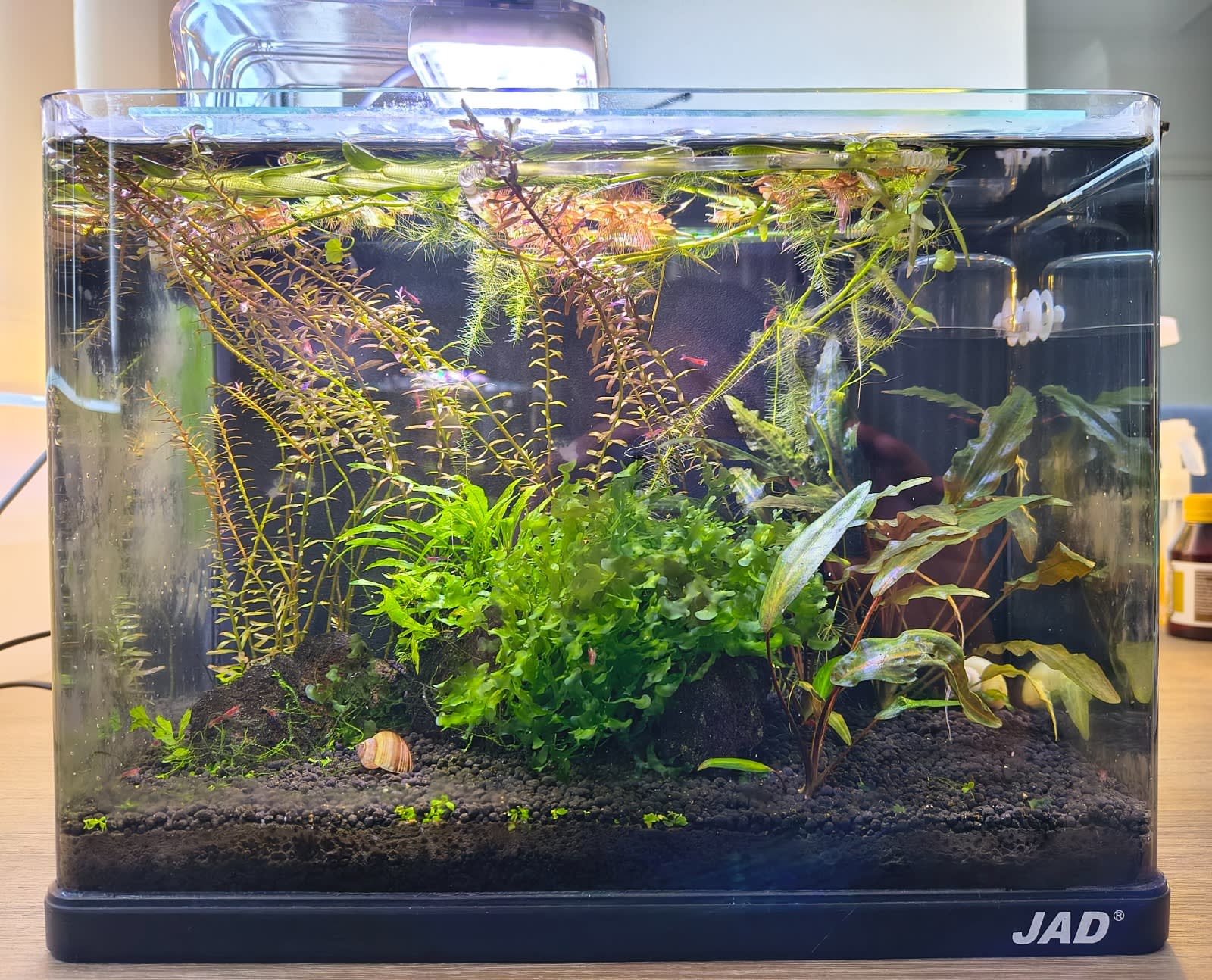
Credit: www.gumtree.com.au
Frequently Asked Questions
What Size Tank Is Best For Nano Fish?
A 5 to 10-gallon tank is ideal for nano fish. It provides enough space for swimming and maintaining water quality. Smaller tanks require frequent maintenance and careful monitoring of water parameters.
How To Maintain Water Quality In Nano Fish Tanks?
Regular water changes, proper filtration, and avoiding overfeeding help maintain water quality. Test water parameters weekly to ensure safe conditions. Clean the tank and remove debris to prevent harmful toxin buildup.
What Substrate Is Suitable For Nano Fish Tanks?
Fine gravel or sand substrates are best for nano fish tanks. They support plant roots and are gentle on small fish. Avoid sharp or large gravel that can harm delicate fish.
Which Plants Are Ideal For Nano Fish Tanks?
Small, low-maintenance plants like Java moss, Anubias, and Marimo balls work well. They provide hiding spots and improve water quality. Avoid large or fast-growing plants that overwhelm the tank space.
Conclusion
Setting up a fish tank for nano fish can be simple and fun. Choose the right tank size and clean water. Add plants and decorations carefully. Keep the temperature steady and feed fish small amounts daily. Watch your fish often to see if they are healthy.
Small tanks need regular care but bring big joy. Enjoy your tiny underwater world and learn as you go. This setup will help your nano fish thrive and stay happy.