
Setting up a fish tank for a nano aquascape can transform any small space into a vibrant underwater world. You might think it’s complicated or expensive, but with the right steps, you can create a stunning mini aquarium that fits perfectly on your desk or shelf.
Imagine watching tiny fish swim through lush green plants, all within a compact, easy-to-manage tank. In this guide, you’ll discover simple tips and tricks to design your own beautiful nano aquascape, even if you’re new to the hobby. Ready to bring nature’s calm and beauty right into your home?
Let’s dive in and make your fish tank setup a success.

Credit: dennerle.com
Choosing The Right Tank
Setting up a nano aquascape starts with picking the right tank. The tank size, material, and shape affect your fish and plants.
Choosing well helps create a healthy and beautiful environment for your aquatic life.
Tank Size Options
Nano tanks are usually small but come in different sizes. The size controls how many fish and plants you can keep.
- 5 to 10 gallons: Good for a few small fish or shrimp.
- 10 to 20 gallons: Allows more plants and small fish species.
- 20 to 30 gallons: Offers space for a diverse aquascape setup.
Material Types
Most nano tanks are made from glass or acrylic. Each material has pros and cons.
| Material | Advantages | Disadvantages |
| Glass | Scratch-resistant, clear view | Heavier, can break if dropped |
| Acrylic | Lighter, more impact resistant | Scratches easily, needs careful cleaning |
Tank Shape Considerations
The tank shape affects space for plants and fish movement. It also changes how the tank fits in your room.
- Rectangular tanks offer more surface area for oxygen exchange.
- Cube tanks save space but may limit swimming room.
- Cylindrical tanks look unique but can be hard to decorate.

Credit: www.youtube.com
Essential Equipment
Setting up a nano aquascape fish tank needs the right tools. Good equipment helps plants and fish live well.
Choosing the right gear makes tank care easier. It keeps the water clean and plants healthy.
Filtration Systems
Filtration keeps water clean by removing waste and toxins. It helps fish stay healthy in small tanks.
Choose filters that fit small spaces. Hang-on-back or sponge filters work well for nano tanks.
- Hang-on-back filters are easy to use and clean
- Sponge filters provide gentle water flow
- Internal filters save space inside the tank
- Regular filter cleaning keeps water clear
Lighting Choices
Good lighting supports plant growth and shows fish colors. Nano tanks need lights that do not create too much heat.
LED lights are popular for nano aquascapes. They use less power and can fit small tanks easily.
- Choose full-spectrum LEDs for healthy plants
- Adjust light time to 8-10 hours daily
- Use timers to keep light consistent
- Check light intensity to avoid algae growth
Heating Needs
Most tropical fish need warm water. A heater keeps the temperature steady in small tanks.
Pick heaters made for nano tanks. They fit small spaces and prevent overheating.
- Choose adjustable heaters for exact temperature control
- Set heater between 72°F and 78°F (22°C – 26°C)
- Use a thermometer to monitor water temperature
- Place heater where water flows for even heat
Co2 Injection Basics
CO2 helps plants grow faster and healthier. Injecting CO2 is useful in planted nano tanks.
Use small CO2 kits made for nano tanks. They keep carbon levels steady without harming fish.
- Start with low CO2 levels and increase slowly
- Use a diffuser for better CO2 distribution
- Monitor pH and fish behavior for safety
- Turn off CO2 at night when plants don’t photosynthesize
Selecting Substrate And Hardscape
Setting up a nano aquascape requires careful choice of substrate and hardscape. These elements create the base and structure for your tiny underwater world.
Good substrate supports plant growth and helps keep water clean. Hardscape adds shape and interest to the tank.
Types Of Substrate
Substrate is the material that covers the tank bottom. It supports plants and affects water quality. Choose substrate based on your plants and fish.
Popular substrates include soil, sand, and gravel. Each has different benefits for your aquascape.
- Aquarium Soil:Rich in nutrients, good for plant growth.
- Sand:Smooth texture, safe for bottom fish.
- Gravel:Good water flow, easy to clean.
- Clay-based substrate:Helps keep water minerals balanced.
Choosing Rocks And Wood
Rocks and wood form the hardscape in your nano tank. They create hiding places and shapes for your aquascape.
Select hardscape materials that are safe and fit your tank size. Avoid sharp edges that can harm fish.
- Rocks:Use smooth stones like river rock or lava rock.
- Wood:Driftwood adds natural look and helps beneficial bacteria.
- Avoid:Rocks that change water pH or wood that releases toxins.
Arranging Hardscape Elements
Arrange rocks and wood to create depth and interest. Plan open spaces for fish to swim.
Use the rule of thirds to place hardscape items. This helps make the tank look balanced and natural.
- Place larger rocks or wood off-center.
- Build small caves or tunnels for fish hiding.
- Keep some open areas for plants to grow.
- Layer substrate to create slopes or terraces.
Picking Plants For Nano Tanks
Setting up a fish tank for a nano aquascape means choosing the right plants. Plants add beauty and help keep the water clean.
Picking plants for small tanks needs care. Not all plants work well in tiny spaces.
Low-maintenance Plant Species
Low-maintenance plants are good for beginners and busy keepers. They grow well without much care.
These plants need little light and can survive in small tanks.
- Anubias: Slow-growing and tough, easy to attach to rocks or wood.
- Java Fern: Does not need soil, grows on driftwood or stones.
- Mosses (e.g., Java Moss): Great for small spaces and hiding fish.
- Cryptocoryne: Adaptable and grows well in low light.
- Marimo Balls: Unique round moss balls, very low care.
Foreground Vs Background Plants
Foreground plants grow close to the tank’s bottom and stay small. They show off the front view.
Background plants grow taller and fill the back of the tank. They add depth and cover.
- Foreground plants:Dwarf Hairgrass, Monte Carlo, Baby Tears.
- Background plants:Vallisneria, Rotala, Ludwigia.
Planting Techniques
Planting in nano tanks needs care to avoid crowding. Use tweezers to place plants gently.
Group plants by size. Put tall plants in the back and small ones in front.
- Prepare the substrate with nutrient-rich soil or gravel.
- Use tweezers to insert roots without damaging plants.
- Leave space between plants to let them grow.
- Attach some plants to rocks or wood instead of burying.
Stocking With Fish And Invertebrates
Setting up a nano aquascape tank requires careful choice of fish and invertebrates. These small creatures add life and movement to your tank.
Choosing the right species helps keep your tank healthy and balanced. It also ensures all animals can live together peacefully.
Suitable Fish Species
Small fish work best in nano tanks. They need little space and do not disturb plants or decorations.
Popular choices include peaceful fish that stay small and swim gently.
- Betta fish
- Neon tetras
- Endler’s livebearers
- Celestial pearl danios
- Ember tetras
Shrimp And Snail Options
Shrimp and snails clean the tank by eating algae and leftover food. They add color and activity without needing much space.
Choose species that are peaceful and stay small for a nano tank.
- Cherry shrimp
- Amano shrimp
- Ghost shrimp
- Malaysian trumpet snails
- Nerite snails
Community Compatibility
Make sure fish and invertebrates get along well. Avoid species that may harm or stress each other.
Small peaceful fish and gentle shrimp/snails usually live together without problems.
- Do not mix aggressive fish with small shrimp
- Avoid large fish that may eat snails
- Keep water conditions stable for all species
- Watch for signs of stress or aggression
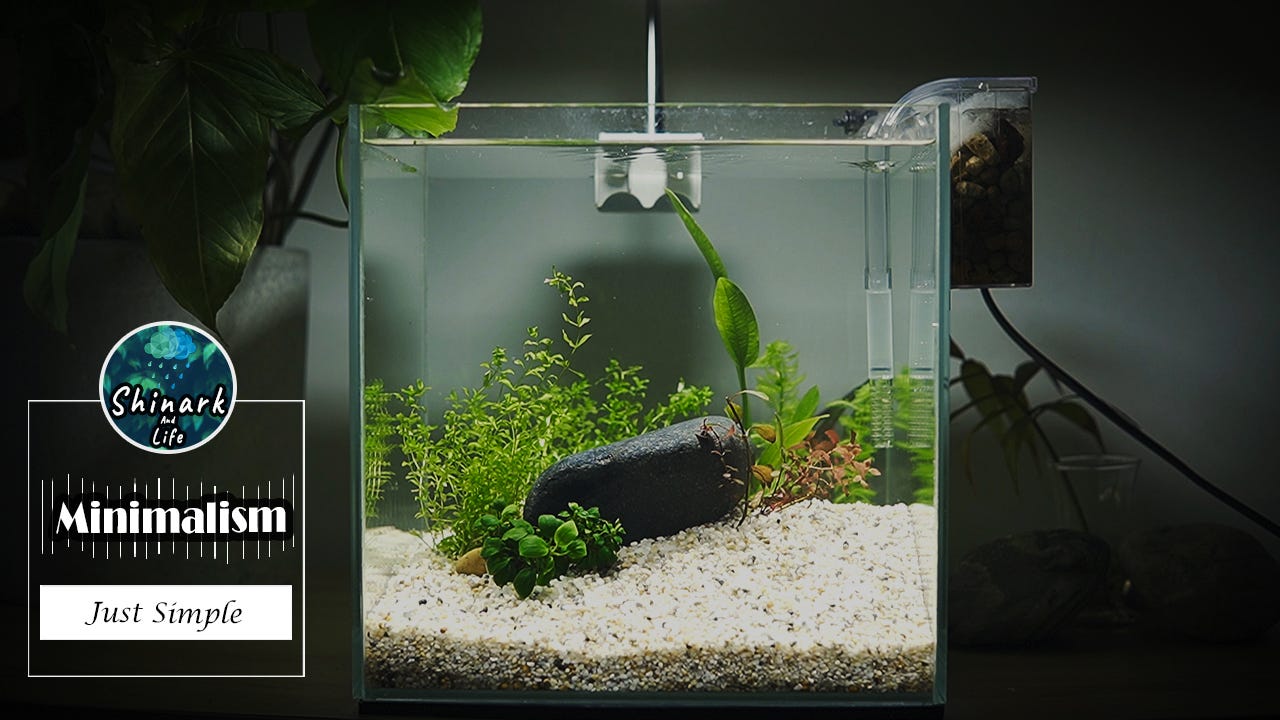
Credit: shinarkandlife.medium.com
Water Parameters And Maintenance
Setting up a nano aquascape fish tank is an exciting project. Maintaining the right water parameters is key for a healthy environment.
Regular maintenance keeps the water clean and safe. Let’s explore how to manage water quality and prevent issues.
Monitoring Water Quality
Check water quality regularly to ensure fish health. Testing kits can help you measure important parameters.
Keep an eye on pH levels, ammonia, nitrite, and nitrate. These elements affect fish and plant health.
- pH should be around 6.5 to 7.5
- Ammonia levels must be 0 ppm
- Nitrite levels should be 0 ppm
- Nitrate levels should be below 20 ppm
Regular Maintenance Tasks
Regular maintenance tasks keep the tank in good condition. They also help prevent problems before they start.
Change a portion of the water weekly. Clean the tank walls and check equipment for proper function.
- Change 10-15% of the water weekly
- Clean algae from tank walls
- Inspect the filter and heater
- Trim and care for plants
Preventing Common Issues
Preventing issues before they arise is crucial. Keep an eye on fish behavior and water clarity.
Adjust feeding amounts to prevent uneaten food. Uneaten food can cause water quality issues.
- Observe fish for stress signs
- Keep water clear and odor-free
- Avoid overfeeding the fish
- Quarantine new fish before adding
Aquascaping Design Tips
Nano aquascaping is a fun way to create a small, beautiful water world. Designing the perfect aquascape takes creativity and planning.
Focus on how elements fit together. Use these tips to make your fish tank amazing.
Creating Depth And Perspective
Depth makes your aquascape look bigger. Use different heights to create this effect.
Place taller plants in the back. Shorter plants go in the front. This adds layers to your tank.
- Use rocks to create hills
- Arrange plants by height
- Add background and foreground elements
Balancing Colors And Textures
Colors and textures make your tank interesting. Mix them for a balanced look.
Choose plants with different leaf shapes. Add colorful fish for a lively scene.
- Combine smooth and rough textures
- Use contrasting colors sparingly
- Match fish and plant colors
Using Negative Space
Negative space is empty space. It helps your design breathe. Use it wisely for a clean look.
Don’t overcrowd your tank. Leave open areas for fish to swim freely.
- Leave space between plants
- Create open paths for fish
- Avoid cluttering the tank
Frequently Asked Questions
What Size Tank Is Best For A Nano Aquascape?
A 5 to 10-gallon tank is ideal for nano aquascapes. It offers enough space for plants and small fish while being easy to maintain. Smaller tanks can be challenging due to water stability issues.
How To Choose Plants For A Nano Fish Tank?
Select small, slow-growing plants like Anubias, Java moss, or dwarf hairgrass. These plants fit well in limited space and require minimal maintenance. Avoid large or fast-growing plants to maintain balance.
What Filtration System Suits A Nano Aquascape?
Use a sponge filter or small hang-on-back filter. These provide gentle water flow and effective filtration without disturbing the delicate setup. Proper filtration ensures water quality and fish health.
How Often Should Water Be Changed In A Nano Tank?
Change 20-30% of the water weekly to maintain water quality. Regular water changes prevent toxin buildup and keep fish and plants healthy. Avoid drastic changes to protect the ecosystem.
Conclusion
Setting up a nano aquascape tank takes care and patience. Choose the right plants, fish, and decorations carefully. Keep the water clean and balanced to help life thrive. Small tanks need regular attention to stay healthy. Enjoy watching your tiny underwater world grow and change.
This simple setup can bring calm and beauty to any space. Start small, stay consistent, and watch your aquascape flourish.