
Setting up a fish tank for multi-species breeding can feel tricky, but it doesn’t have to be. If you want a thriving aquarium where different fish live and breed happily together, you need the right setup.
Imagine watching your tank come alive with vibrant colors, active fish, and new baby fry swimming around. You’re about to discover the simple steps to create that perfect environment. Keep reading, and you’ll learn how to balance water conditions, choose compatible species, and design a tank that supports healthy breeding.
This guide is made for you to succeed, whether you’re a beginner or looking to improve your current aquarium.
Choosing Compatible Species
Setting up a fish tank for multiple species can be exciting. Choosing fish that live well together is very important.
Not all fish get along. Some may fight or need different water conditions. Picking the right species helps keep them healthy and happy.
Temperament And Behavior
Fish have different moods and ways of acting. Some are peaceful, while others are aggressive or territorial.
It is best to select fish with similar temperaments. Mixing calm fish with very aggressive ones can cause stress and injury.
- Peaceful fish like tetras and guppies do well together
- Aggressive fish like cichlids need their own space
- Schooling fish prefer to live in groups of the same kind
- Bottom dwellers usually stay out of the way of mid-level swimmers
Water Parameter Requirements
Different fish need different water conditions to survive. Parameters like pH, temperature, and hardness matter a lot.
Choose species that share similar water needs. This keeps the tank environment stable and safe for all fish.
| Water Parameter | Compatible Range |
|---|---|
| pH | 6.5 to 7.5 |
| Temperature | 72°F to 78°F (22°C to 26°C) |
| Hardness (GH) | 4 to 12 dGH |
| Ammonia/Nitrite | 0 ppm (safe level) |
Size And Space Considerations
Fish need enough room to swim and hide. Overcrowding causes stress and illness.
Pick fish sizes that fit your tank. Provide enough space for each species to reduce fights.
- Small fish need at least 1 gallon per inch of their size
- Active swimmers require more open space
- Territorial species need hiding places and separate zones
- Plants and decorations help create natural boundaries
Tank Size And Layout
Setting up a fish tank for multiple species needs careful planning. The tank size and layout affect fish health and behavior.
Good layout helps reduce stress and allows each species to thrive. Let’s explore how to set up your tank.
Optimal Tank Dimensions
The tank size depends on the number and types of fish you want to keep. Bigger tanks give more space for swimming and hiding.
Choose a tank with enough length and width for different species to stay apart. Depth matters less but should allow easy cleaning.
- Minimum 30 gallons for small groups
- 50 gallons or more for many species
- Long tanks provide better territory space
- Wide tanks allow more hiding spots
Zoning For Different Species
Divide the tank into zones for each species’ needs. Some fish like open swimming areas. Others prefer dense plants or caves.
Use decorations and plants to create boundaries. This reduces fights and stress among fish.
- Open zone for active swimmers
- Plant-dense zone for shy species
- Rock or wood caves for hiding
- Separate feeding spots for different diets
Aquascaping Tips
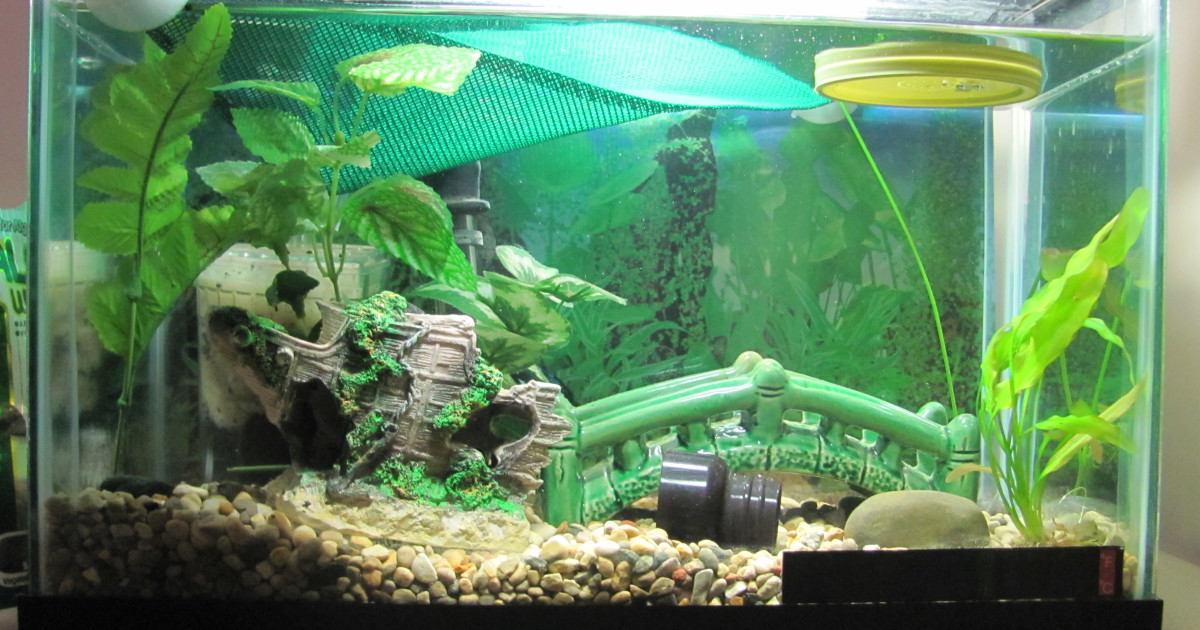
Use plants, rocks, and driftwood to build natural spaces. These help fish feel safe and show natural behaviors.
Arrange decorations to allow swimming space but also provide cover. Keep some areas open for easy movement.
- Choose hardy plants that suit all species
- Use rocks to build caves and borders
- Place driftwood for resting spots
- Keep open swimming lanes clear
Water Quality Management
Maintaining good water quality is key for breeding different fish species together. Clean water helps fish stay healthy and grow well. It also keeps diseases away.
Understanding how to manage water quality will improve your tank environment. This guide covers filtration, testing, and temperature control.
Filtration Systems
Filtration removes waste and harmful chemicals from the water. It helps keep the tank clear and safe for all fish.
- Mechanical filters trap debris and particles.
- Biological filters use beneficial bacteria to break down toxins.
- Chemical filters remove dissolved impurities and odors.
- Choose a filter that fits your tank size and fish load.
Regular Testing And Maintenance
Test water quality regularly to catch problems early. Check pH, ammonia, nitrite, and nitrate levels often. Keep records for comparison.
| Test | Safe Range | Purpose |
| pH | 6.5 – 7.5 | Measures acidity or alkalinity |
| Ammonia | 0 ppm | Toxic waste from fish |
| Nitrite | 0 ppm | Intermediate toxin |
| Nitrate | < 40 ppm | Less toxic waste |
Replace part of the water weekly to reduce toxins. Clean filters as needed without killing good bacteria.
Temperature Control
Stable temperature helps fish stay healthy and breed well. Sudden changes can cause stress and illness.
Use a reliable aquarium heater and thermometer. Set the temperature based on the species you keep. For example:
- Tropical fish: 74°F to 80°F (23°C to 27°C)
- Goldfish: 65°F to 75°F (18°C to 24°C)
Credit: pethelpful.com
Feeding Strategies
Feeding a multi-species fish tank needs careful planning. Each species has unique dietary needs. Proper feeding helps fish stay healthy and breed well.
Understanding feeding strategies avoids problems like overfeeding or nutrient deficiencies. It keeps your tank clean and balanced.
Dietary Needs Of Various Species
Different fish species eat different foods. Carnivores need protein-rich diets. Herbivores need plants or algae. Omnivores eat both.
- Live or frozen foods suit carnivores well.
- Vegetables and algae sheets work for herbivores.
- Pellets or flakes are good for omnivores.
- Some species prefer small insects or larvae.
- Check each species’ natural diet for best results.
Feeding Schedules
Set regular feeding times for all fish. Most species eat one to two times daily. Young fish may need more frequent feeding.
| Species Type | Feeding Frequency | Best Time |
| Carnivores | 1-2 times a day | Morning and evening |
| Herbivores | 1-2 times a day | Midday |
| Omnivores | 2 times a day | Morning and evening |
| Fry (young fish) | 3-4 times a day | Throughout the day |
Avoiding Overfeeding
Overfeeding harms fish and water quality. Leftover food causes pollution and illness. Feed small amounts and watch the fish eat.
- Offer only what fish can eat in 2-3 minutes.
- Remove uneaten food quickly.
- Feed less if water appears cloudy.
- Observe fish behavior to adjust portions.
- Use sinking or floating food to feed different species properly.
Breeding Techniques
Setting up a fish tank for multi-species breeding needs careful planning. Different species have unique breeding needs.
Understanding breeding techniques helps create a healthy environment for all fish. This improves chances of successful spawning and fry growth.
Spawning Triggers
Spawning triggers are conditions that make fish ready to breed. These include changes in water temperature, light, and water quality.
Fish sense these changes and start their breeding behavior. It is important to mimic natural conditions to encourage spawning.
- Raise water temperature slowly to simulate spring
- Increase light hours to match longer days
- Perform partial water changes to improve water quality
- Add plants or hiding spots to reduce stress
Nest Building And Egg Protection
Some fish build nests to protect their eggs. Others scatter eggs in plants or on surfaces. Knowing each species’ habits is important.
Provide materials like plants, rocks, or spawning mops for nest building. Guarding fish may protect eggs from other tank mates.
- Use fine-leaved plants for egg laying
- Place flat stones or spawning mops for egg attachment
- Separate aggressive fish if needed to protect eggs
- Keep water clean to prevent fungus on eggs
Raising Fry In A Community Tank
Raising fry with other fish can be tricky. Fry need special care and protection from bigger fish.
Provide hiding places and feed fry small, frequent meals. Monitor tank mates to avoid fry being eaten.
- Add floating plants or small caves for fry shelter
- Feed crushed flakes or baby brine shrimp
- Keep water clean with regular changes
- Observe fish behavior to protect fry from predators

Credit: www.reddit.com
Disease Prevention And Treatment
Setting up a fish tank for multi-species breeding requires careful planning. It’s important to prevent and treat diseases to keep your fish healthy.
Understanding common diseases and knowing how to handle them can save your fish. Here’s a guide on disease prevention and treatment in mixed tanks.
Common Diseases In Mixed Tanks
Fish in mixed tanks can suffer from various diseases. Knowing the symptoms helps in quick identification and treatment.
- Ich: White spots on fins and body
- Fin Rot: Frayed or ragged fins
- Swim Bladder Disease: Difficulty swimming
- Fungal Infections: Cotton-like growths
- Parasitic Infections: Flashing or rubbing against objects
Quarantine Procedures
Quarantining new fish is crucial. It prevents the spread of diseases to other tank inhabitants.
A separate quarantine tank is ideal. New fish should stay there for 2-4 weeks. This ensures they are healthy before joining the main tank.
- Keep the quarantine tank clean
- Monitor fish for any signs of illness
- Maintain stable water conditions
- Use a sponge filter to reduce stress
Natural And Medicinal Remedies
Both natural and medicinal treatments are available for fish diseases. Choosing the right remedy depends on the disease and fish species.
Natural remedies include salt baths and temperature adjustments. Medicinal treatments often require specific aquarium medications.
| Remedy | Use |
| Aquarium Salt | Treats Ich and Fungal Infections |
| Medicated Food | Helps with Internal Parasites |
| Antibiotics | Used for Bacterial Infections |
Monitoring And Adjustments
Setting up a fish tank for multi-species breeding requires careful monitoring. Adjustments are essential for maintaining a healthy environment. Observing fish behavior and checking water conditions are key tasks.
Regular monitoring helps identify issues early. It ensures that all species thrive. Proper adjustments prevent conflicts and health problems.
Behavioral Observations
Watch how fish interact with each other. Notice any aggressive or shy behavior. This helps you understand their needs and make changes if necessary.
Look for signs like chasing or hiding. These may indicate stress or territorial disputes. Addressing these behaviors can prevent harm.
- Identify dominant fish
- Monitor feeding interactions
- Note unusual swimming patterns
Water Parameter Tweaks
Water quality is crucial for fish health. Regularly test the water for pH, temperature, and ammonia levels. Adjusting these can create a better environment.
Each species may prefer different water conditions. Balance the needs of all fish by tweaking parameters carefully. This helps avoid stress and promotes breeding.
| Parameter | Ideal Range |
| pH | 6.5 – 7.5 |
| Temperature | 24°C – 28°C |
| Ammonia | 0 ppm |
Handling Conflicts
Conflicts can arise when fish compete for resources. Provide ample hiding spots and feeding areas. This reduces stress and aggression.
If conflicts persist, consider separating aggressive fish. Rearrange the tank to disrupt territorial claims. This can help establish peace among your fish.
- Increase decor to break sight lines
- Feed fish in different tank areas
- Use dividers if necessary

Credit: www.aqqapet.com
Frequently Asked Questions
What Is The Ideal Tank Size For Multi-species Breeding?
An ideal tank size depends on species compatibility and quantity. Generally, a 30-gallon tank or larger supports diverse species. Bigger tanks reduce aggression and provide enough space for breeding activities.
How To Maintain Water Quality For Multi-species Breeding?
Regular water changes and proper filtration are key. Test water parameters like pH, ammonia, and nitrate weekly. Stable, clean water reduces stress and supports healthy breeding conditions.
Which Fish Species Breed Well Together In One Tank?
Choose species with similar water and temperature needs. Avoid aggressive fish to prevent conflicts. Examples include livebearers with peaceful tetras and rasboras for successful breeding.
How To Set Up Breeding Zones In A Multi-species Tank?
Create separate areas using plants, rocks, and hiding spots. Each species needs its own space to spawn and protect fry. This minimizes territorial disputes and improves breeding success.
Conclusion
Setting up a fish tank for multi-species breeding takes careful planning. Choose compatible fish that can live peacefully together. Provide hiding spots and plants for safety and comfort. Keep the water clean and stable for healthy fish. Watch for signs of stress or illness regularly.
Adjust the tank as needed to meet all species’ needs. This way, your tank will thrive and grow beautifully. Enjoy the rewarding experience of a lively, mixed-species aquarium.