
Setting up a fish tank can be a joyful experience, but the cleaning part often feels like a chore you want to avoid. What if you could create a beautiful, healthy aquarium that needs very little cleaning?
Imagine spending more time enjoying your fish and less time scrubbing the tank. In this guide, you’ll discover simple, effective ways to set up your fish tank so it stays cleaner for longer. Ready to make your aquarium maintenance easier and more enjoyable?
Keep reading, and your fish tank will thank you.

Credit: www.alarbeaa.com
Choosing Low-maintenance Fish
Selecting the right fish is key for a fish tank that needs less cleaning. Some fish need more care, while others are tough and easy to keep.
Low-maintenance fish help keep your tank clean and reduce the time you spend on upkeep. Knowing which fish to pick can make your aquarium simple to manage.
Hardy Fish Species
Hardy fish live well in different water conditions. They are less likely to get sick and can handle small mistakes in care. These fish are good for beginners and low-cleaning tanks.
- Guppies: Small, colorful, and easy to feed.
- Zebra Danios: Active swimmers that tolerate many water types.
- Platies: Peaceful fish that adapt well to tank life.
- Corydoras Catfish: Bottom dwellers that clean leftover food.
Algae-eating Fish
Algae-eating fish help control algae growth. They keep the tank walls clean, reducing the need for manual scrubbing. These fish also eat leftover food and debris.
| Fish | Tank Role | Care Level |
| Otocinclus Catfish | Algae eater | Easy |
| Siamese Algae Eater | Removes algae | Moderate |
| Amano Shrimp | Algae and debris cleaner | Easy |
| Chinese Algae Eater | Algae remover | Moderate |
Fish Size And Tank Compatibility
Choosing fish that match your tank size is important. Bigger fish need more space and create more waste. Small fish usually need less cleaning and less food.
- Small fish fit well in tanks under 20 gallons.
- Medium fish need at least 20 to 40 gallons.
- Large fish require tanks over 40 gallons.
- Keep fish with similar sizes together to avoid stress.
- Check if fish species get along before adding them.
Selecting The Right Tank Size
Choosing the correct fish tank size is important for easy maintenance. A well-sized tank helps reduce cleaning frequency and keeps fish healthy.
Consider how much space you have and how many fish you want to keep. This will guide you in picking the best tank size for minimal cleaning.
Benefits Of Larger Tanks
Larger tanks hold more water, which helps keep the water quality stable. Fish waste and toxins dilute better in bigger tanks.
- More stable water temperature and chemistry
- Less frequent water changes needed
- Fish have more space to swim
- Better filtration efficiency
- Reduces stress for fish
Space Considerations
Measure your available space before buying a tank. Make sure the tank fits well and allows room for cleaning and accessories.
| Tank Size | Approximate Dimensions (L × W × H) | Space Needed for Setup |
| 10 gallons | 20 × 10 × 12 inches | 2 feet wide shelf |
| 20 gallons | 24 × 12 × 16 inches | 3 feet wide stand |
| 40 gallons | 36 × 18 × 16 inches | 4 feet wide stand |
| 55 gallons | 48 × 13 × 21 inches | 5 feet wide stand |
Using Efficient Filtration Systems
Keeping a fish tank clean takes effort. Efficient filtration helps reduce cleaning needs. It keeps water clear and healthy for fish.
Choosing the right filter and maintaining it properly can save time. It also improves water quality and fish health.
Types Of Filters
There are different filter types for fish tanks. Each type works in a special way to clean water.
- Mechanical Filters:Remove debris and particles from the water.
- Biological Filters:Use beneficial bacteria to break down waste.
- Chemical Filters:Remove toxins and impurities with activated carbon or other media.
- Canister Filters:External units that combine multiple filtration methods.
- Hang-on-back Filters:Easy to install and maintain, good for small tanks.
Filter Maintenance Tips
Regular maintenance keeps filters working well and reduces cleaning time. Follow these simple tips.
| Maintenance Task | Frequency | Details |
| Rinse Filter Media | Every 2-4 weeks | Use tank water to avoid killing bacteria |
| Check Flow Rate | Monthly | Ensure water flows freely through filter |
| Replace Carbon | Every 4-6 weeks | Carbon loses effectiveness over time |
| Clean Filter Housing | Monthly | Remove dirt and algae buildup |
| Inspect Parts | Monthly | Look for wear or damage to pump and seals |
Setting Up Live Plants
Live plants create a natural environment in your fish tank. They help keep the water clean and healthy. Adding plants reduces the need for frequent cleaning.
Choosing the right plants makes your setup easier. Some plants grow fast and need little care. Others help stop algae growth in your tank.
Easy-to-grow Plants
Easy plants fit well in most tanks. They survive in different light and water conditions. These plants need less trimming and care.
- Java Fern: Grows well in low light and sticks to rocks or wood.
- Anubias: Slow-growing and tough, good for beginners.
- Amazon Sword: Large leaves that help oxygenate the water.
- Cryptocoryne: Adapts to many water types and stays healthy.
- Hornwort: Fast-growing and floats or roots easily.
Plants That Reduce Algae
Some plants use nutrients that algae need. This stops algae from growing too much. These plants keep your tank clearer for longer.
| Plant | How It Reduces Algae | Care Level |
| Water Wisteria | Absorbs excess nutrients quickly | Easy |
| Vallisneria | Grows tall and shades algae | Medium |
| Duckweed | Floats on surface, blocking light | Easy |
| Java Moss | Competes for nutrients and space | Easy |
Optimizing Water Conditions
For a thriving aquarium, maintaining optimal water conditions is crucial. Regular water testing and adjustments help prevent water-borne diseases and promote healthy fish growth.
Ideal Temperature And Ph
Most fish species thrive in temperatures between 72°F and 82°F (22°C and 28°C). However, some species require specific temperature ranges, so research the ideal temperature for your fish.
| Temperature Range (°F) | Temperature Range (°C) | Fish Species |
|---|---|---|
| 72-82 | 22-28 | Goldfish, Guppies |
| 78-82 | 25-28 | Betta Fish |
| 68-72 | 20-22 | Neon Tetras |
Avoid extreme pH fluctuations, as they can stress fish. Most freshwater fish thrive in pH levels between 6.5 and 8.5.
Regular Water Testing
- Test water pH and temperature regularly.
- Monitor ammonia, nitrite, and nitrate levels.
- Adjust water parameters as needed to maintain optimal conditions.
Regular water testing helps identify potential issues before they become major problems. By staying on top of water conditions, you can create a healthy environment for your fish to thrive.
Credit: monsteraquariumon9.com
Automating Feeding And Cleaning
Setting up a fish tank with less cleaning is easier with automation. Feeding and cleaning can be done by devices. This saves time and keeps the tank healthy.
Automatic tools help maintain water quality and provide food regularly. They make fish care simple and reduce manual work.
Automatic Feeders
Automatic feeders drop food into the tank at set times. You can set the amount and frequency. This stops overfeeding and keeps fish healthy.
These feeders work with dry or pellet food. They help when you are busy or away from home. Fish get food on time every day.
- Programmable feeding schedules
- Adjustable portion sizes
- Easy to refill and clean
- Battery or electric powered
Self-cleaning Devices
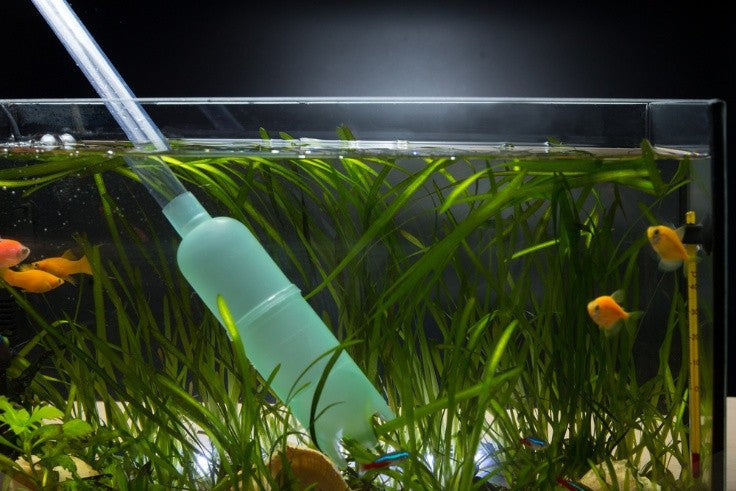
Self-cleaning devices help remove waste and dirt from the tank. They reduce the need for frequent manual cleaning. This keeps the tank clear and safe for fish.
These devices include filters and gravel cleaners. Some have sensors to start cleaning only when needed. This saves energy and maintains water quality.
- Automatic water filters
- Gravel vacuum cleaners
- Sensor-based cleaning cycles
- Easy to install and use
Routine Maintenance Schedule
Keeping your fish tank clean takes regular care. A good schedule helps reduce work. It also keeps fish healthy and happy.
Focus on small tasks each week and a deep clean monthly. This balance keeps the tank clear with less effort.
Weekly Tasks
Do these simple tasks every week to keep the tank tidy and water safe for your fish.
- Check water temperature and adjust if needed
- Test water for ammonia, nitrate, and pH levels
- Remove algae from glass and decorations
- Clean the filter intake with a soft brush
- Vacuum the gravel to remove waste and debris
- Replace 10-15% of the tank water with fresh water
- Feed fish the right amount to avoid leftover food
Monthly Deep Cleaning
Once a month, do a deeper clean to keep the tank healthy and clear of buildup.
| Task | Description | Tools Needed |
| Filter Cleaning | Rinse filter media with tank water to keep beneficial bacteria | Bucket, tank water |
| Decorations | Soak and scrub decorations to remove algae and dirt | Soft brush, warm water |
| Glass Cleaning | Use an algae scraper or pad to clean all glass surfaces | Algae scraper or sponge |
| Gravel Cleaning | Deep vacuum to remove compacted waste | Gravel vacuum |
| Water Change | Replace 25-30% of water with fresh conditioned water | Bucket, water conditioner |
Common Mistakes To Avoid
Setting up a fish tank can be a fun and rewarding hobby, but it requires attention to detail and a willingness to learn from mistakes. One of the most common mistakes new aquarium owners make is neglecting the importance of proper fish tank setup for minimal cleaning.
Overfeeding
Overfeeding is a common mistake that can lead to poor water quality, stressed fish, and even tank crashes. Fish have different appetites and feeding schedules, so it’s essential to research the specific needs of your fish species before feeding them.
- Feed your fish only what they can consume within 1-2 minutes of feeding.
- Use a high-quality flake or pellet food that meets the nutritional needs of your fish.
- Avoid overfeeding on weekends or during holidays when you may be away from the tank.
Ignoring Water Quality
Regular water changes and monitoring of water quality are crucial for maintaining a healthy fish tank. Ignoring water quality can lead to the buildup of toxins, which can be fatal to your fish.
| Water Parameter | Target Range |
|---|---|
| Ammonia | 0 ppm |
| Nitrite | 0 ppm |
| Nitrate | 10-20 ppm |
Regularly test your water parameters and perform water changes as necessary to maintain optimal water quality for your fish.

Credit: www.reddit.com
Frequently Asked Questions
How To Choose Low-maintenance Fish For Minimal Cleaning?
Select hardy fish like bettas, guppies, or goldfish. These species produce less waste and tolerate varied conditions, reducing tank cleaning frequency. Avoid overstocking to maintain water quality and minimize debris buildup, making your fish tank easier to manage.
What Type Of Filter Reduces Aquarium Cleaning?
Use a high-quality canister or sponge filter. These filters efficiently remove waste and promote beneficial bacteria growth. Proper filtration maintains water clarity and reduces debris, resulting in less frequent cleaning and a healthier environment for your fish.
How Often Should I Clean A Minimal Maintenance Fish Tank?
Clean the tank partially every 2-4 weeks. Perform 20-30% water changes and vacuum the substrate lightly. Regular but minimal cleaning prevents algae buildup and maintains water quality without stressing your fish or disrupting the tank’s balance.
Can Live Plants Reduce Fish Tank Cleaning?
Yes, live plants absorb excess nutrients and waste. They compete with algae for resources, limiting its growth. Plants also improve oxygen levels and provide natural filtration, making your aquarium cleaner and reducing the need for frequent maintenance.
Conclusion
Setting up a fish tank for minimal cleaning saves time and effort. Choose the right filter and plants to keep water clean. Feed fish carefully to avoid extra waste. Regular, small water changes help maintain a healthy tank. A good tank setup keeps fish happy and reduces chores.
Keep things simple and watch your tank stay clear. Enjoy the beauty of your fish without constant cleaning. Small steps make a big difference in tank care.