
Setting up a fish tank can be exciting, but it can also feel overwhelming—especially when you want to care for low-light fish. You might wonder how to create the perfect environment where your fish can thrive without bright lights.
The good news is, with the right setup, you can build a beautiful, calming aquarium that fits your space and lifestyle. This guide will help you understand exactly what your low-light fish need, so you can enjoy a healthy, stunning tank that’s easy to maintain.
Keep reading to discover simple tips and tricks that will make your fish tank the perfect home for your aquatic friends.
Choosing Low-light Fish
Setting up a fish tank for low-light fish means picking species that thrive without bright light. These fish live well in shaded or dim environments.
Choosing the right fish helps keep your tank healthy and peaceful. Learn about popular species, their behavior, and size before buying.
Popular Low-light Species
Some fish do best in low light. These species need less light to stay active and healthy. Here are common low-light fish:
- Betta fish
- Cherry barb
- Otocinclus catfish
- Neon tetra
- Bristlenose pleco
Behavior And Compatibility
Fish behavior affects how well they live together. Some low-light fish are peaceful, while others can be territorial.
| Fish Species | Behavior | Compatibility |
| Betta fish | Territorial | Keep alone or with peaceful species |
| Cherry barb | Active and social | Good with other peaceful fish |
| Otocinclus catfish | Shy and calm | Good tank mates for community tanks |
| Neon tetra | Schooling and peaceful | Best in groups, peaceful community fish |
| Bristlenose pleco | Bottom dweller, mild | Compatible with most fish |
Size And Growth Considerations
Know how big your fish will get. Some low-light fish stay small, but others grow larger and need more space.
- Betta fish grow up to 3 inches
- Cherry barb reaches about 2 inches
- Otocinclus catfish stay under 2 inches
- Neon tetra grows to 1.5 inches
- Bristlenose pleco can grow up to 5 inches
Selecting The Right Tank
Setting up a fish tank for low-light fish starts with choosing the right tank. The tank should match the needs of the fish and the space where it will live.
A proper tank helps fish stay healthy and happy. It also makes caring for them easier.
Tank Size Options
Choose a tank size that fits the number and size of your fish. Low-light fish often do well in small to medium tanks.
Small tanks are easier to clean but need more care to keep water healthy. Larger tanks offer more stable conditions.
- 5 to 10 gallons for small groups or single fish
- 20 gallons or more for multiple fish or bigger species
- Consider tank shape for fish swimming space
Material Choices
Most tanks are made from glass or acrylic. Both materials have good qualities for low-light fish tanks.
Glass tanks resist scratches and are clear. Acrylic tanks are lighter and less likely to break.
- Glass: heavier, clear view, scratch-resistant
- Acrylic: lightweight, impact-resistant, can scratch easier
- Choose based on tank size and your budget
Placement And Environment
Place the tank in a quiet area away from direct sunlight. Low-light fish prefer soft, indirect light.
Keep the tank away from heat sources and drafts. Stable room temperature helps fish stay healthy.
- Choose a sturdy surface that can hold tank weight
- Avoid spots near windows or heaters
- Check for easy access to power outlets for equipment
Lighting For Low-light Fish
Low-light fish need special lighting to feel comfortable. Proper light helps fish stay healthy and active. It also supports plant growth in the tank.
Choosing the right lighting can make your aquarium look natural and calm. It can reduce stress for fish that prefer dim environments.
Types Of Lighting Suitable
Low-light fish do best with soft, gentle lighting. Bright lights can scare them or cause stress. Some common light types include:
- LED lights with adjustable brightness
- Fluorescent lights designed for low intensity
- Incandescent bulbs with low wattage
- Natural light filtered through curtains or blinds
Duration And Intensity
Low-light fish need moderate light for about 8 to 10 hours a day. Too much light can harm fish and plants. Too little light can stop plants from growing.
| Light Duration | 8 to 10 hours daily |
| Light Intensity | Low to medium |
| Recommended Timer Use | Yes, for consistency |
Effects On Fish And Plants
Proper lighting helps fish keep their natural colors and behavior. Plants grow better with the right light, improving water quality. Poor lighting can cause fish to hide or lose color.
Benefits of Good Lighting:
- Improves fish health and activity
- Supports plant photosynthesis
- Creates a natural tank environment
- Reduces algae growth by avoiding excess light

Credit: www.reddit.com
Substrate And Decorations
Setting up a fish tank for low-light fish needs careful choice of substrate and decorations. These elements create a natural home and help fish feel safe.
Good substrate and decorations support plant growth and provide hiding spots. This improves fish health and reduces stress.
Best Substrate Types
Choose a substrate that suits low-light fish and plants. Soft and natural substrates work best. They allow roots to grow and keep water clean.
- Fine sand helps bottom-dwelling fish stay comfortable.
- Gravel provides good water flow and plant support.
- Clay-based substrates add minerals for plant health.
- Specialized planted tank substrates boost root growth.
Natural Vs Artificial Decor
Natural decor looks real and helps fish feel at home. It also supports tank life by adding beneficial bacteria.
Artificial decor lasts longer and is easy to clean. Choose safe, non-toxic materials to protect your fish.
- Natural decor: driftwood, rocks, live plants
- Artificial decor: resin caves, plastic plants, ceramic ornaments
- Natural items may change water chemistry slightly
- Artificial items keep water stable and clear
Creating Hiding Spots
Low-light fish need places to hide and feel safe. Adding hiding spots reduces their stress and aggression.
Use plants, rocks, and decorations to build hiding areas. Make sure spots are easy to access and big enough.
- Dense plants create natural cover
- Rock caves offer shelter and privacy
- Decorative tunnels let fish explore safely
- Leaf litter adds soft hiding places
Water Parameters And Filtration
Setting up a fish tank for low-light fish requires attention to water conditions. Proper water parameters and filtration ensure a healthy habitat.
Understanding the needs of low-light fish helps in maintaining a balanced aquarium environment. Let’s explore the ideal temperature, pH, and filtration systems.
Ideal Temperature And Ph
Maintaining the right temperature and pH levels is crucial for low-light fish. These conditions mimic their natural habitat.
| Fish Type | Temperature (°F) | pH Level |
| Tetras | 72-78 | 6.5-7.5 |
| Betta | 75-80 | 6.0-7.5 |
| Guppies | 74-82 | 7.0-8.0 |
Filtration Systems
A good filtration system is essential for keeping the water clean. It removes waste and toxins, making the water safe for fish.
- Mechanical filters trap debris and waste.
- Biological filters encourage beneficial bacteria growth.
- Chemical filters remove harmful chemicals.
Water Change Routine
Regular water changes are important to maintain water quality. This helps in reducing pollutants and keeping fish healthy.
Perform a water change every week:
- Remove 10-15% of the tank water.
- Replace with dechlorinated water.
- Check water parameters after each change.
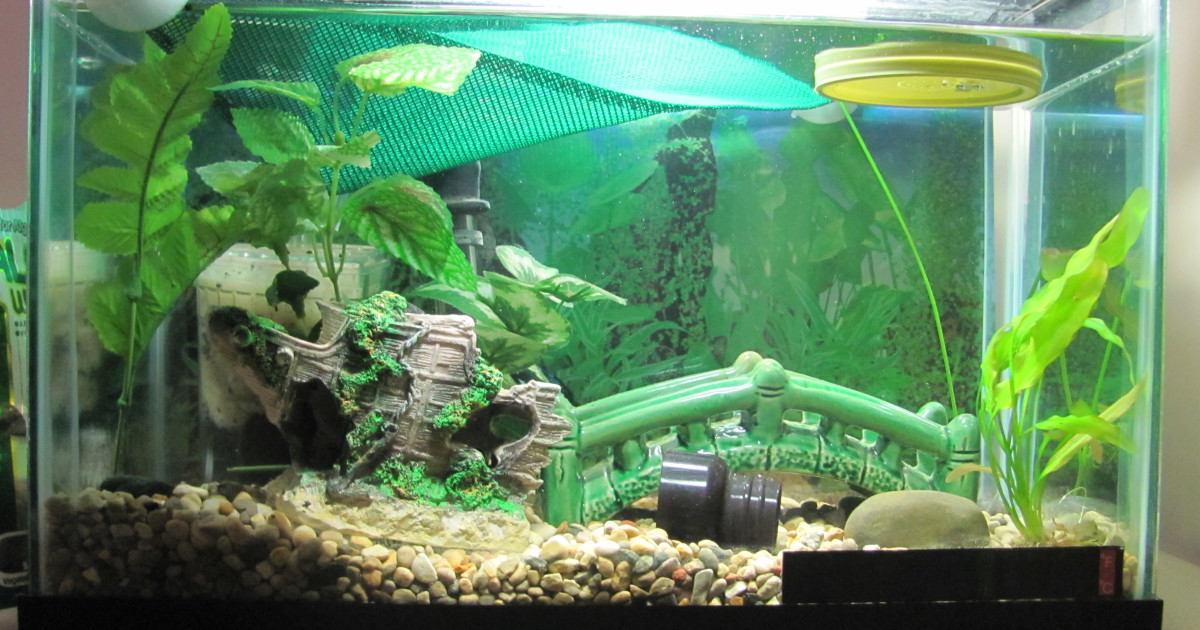
Credit: pethelpful.com
Feeding Low-light Fish
Feeding low-light fish requires understanding their special diet needs. These fish live in dim environments and have different eating habits than bright-water fish.
Proper feeding helps keep them healthy and active. Let’s explore how to feed these fish well.
Diet Requirements
Low-light fish often eat smaller prey and plant matter. They need food that is easy to find and digest in their environment.
- High-quality flakes or pellets made for low-light species
- Live or frozen foods like brine shrimp and bloodworms
- Vegetable matter such as blanched spinach or algae wafers
- Occasional treats like daphnia or mosquito larvae
Feeding Frequency
Feed low-light fish in small amounts more often. This suits their slow metabolism and helps avoid waste build-up.
| Age of Fish | Number of Feedings per Day |
| Juvenile | 3 to 4 times |
| Adult | 2 to 3 times |
| Senior | 1 to 2 times |
Avoiding Overfeeding
Overfeeding causes water pollution and fish health issues. Watch for leftover food and reduce amounts if needed.
- Feed only what fish can eat in 2 to 3 minutes
- Remove uneaten food after feeding
- Observe fish behavior and adjust feeding accordingly
- Keep a feeding schedule to avoid random overfeeding
Plant Selection For Low Light
Choosing the right plants is key for a low-light fish tank. These plants grow well with little sunlight.
They help keep the water clean and provide a natural home for your fish.
Low-light Aquatic Plants
Some plants survive well in tanks with low light. They need less care and still look good.
- Java Fern
- Anubias
- Cryptocoryne
- Amazon Sword
- Marimo Moss Ball
Plant Care Tips
| Care Tip | Description |
| Lighting | Use low to medium light for 8-10 hours daily |
| Water Quality | Keep water clean with regular changes |
| Fertilizer | Add liquid fertilizer monthly if needed |
| Plant Trimming | Trim dead leaves to keep plants healthy |
| Substrate | Use nutrient-rich substrate for root feeders |
Benefits To Fish And Tank
Low-light plants give fish places to hide and feel safe. They also reduce harmful chemicals in water.
- Provide oxygen to the water
- Help control algae growth
- Improve tank’s natural look
- Offer shelter for shy fish
- Help keep water clean

Credit: www.reddit.com
Common Challenges And Solutions
Setting up a fish tank for low-light fish can be tricky. There are several common challenges that fish owners face. Knowing how to solve these challenges is key to a successful tank.
We will explore solutions for algae control, disease prevention, and maintaining water quality. These tips will help you keep your fish healthy and happy.
Algae Control
Algae growth is a common issue in fish tanks. It can make the tank look dirty and harm the fish. Controlling algae is important for a clean tank.
- Keep the tank out of direct sunlight
- Limit the amount of food given to fish
- Add algae-eating fish or snails
Disease Prevention
Diseases can spread quickly among fish. Preventing disease is easier than treating it. Regular checks and cleanliness help keep diseases at bay.
- Quarantine new fish before adding them to the tank
- Remove sick fish immediately to prevent spread
- Keep the tank clean and well-maintained
Maintaining Water Quality
Good water quality is vital for fish health. Poor water can stress fish and lead to disease. Regular water changes and monitoring are key.
- Test water weekly for pH, ammonia, and nitrates
- Change 10-15% of the water weekly
- Use a good quality filter to keep water clean
Frequently Asked Questions
What Are The Best Low-light Fish For Beginners?
Best low-light fish for beginners include Betta, Corydoras, and Neon Tetras. These species thrive in minimal light and are easy to care for, making them ideal for new aquarists.
How To Set Up A Fish Tank For Low-light Fish?
Use subdued lighting, add live plants, and ensure proper filtration. Choose a dark substrate and decorate with hiding spots to mimic natural low-light environments.
Can Low-light Fish Survive Without Special Lighting?
Yes, many low-light fish can thrive under standard room lighting. However, minimal artificial light helps maintain their natural behavior and supports live plant growth.
What Plants Grow Well In Low-light Fish Tanks?
Java Fern, Anubias, and Cryptocoryne are excellent low-light plants. They require minimal light and help maintain tank health by improving water quality.
Conclusion
Setting up a fish tank for low-light fish takes some care. Choose the right plants and decorations that thrive in less light. Keep the water clean and check the temperature often. Low-light fish need calm places to hide and explore.
With patience and attention, your aquarium will stay healthy and beautiful. Enjoy watching your peaceful underwater world grow every day.