
Setting up a fish tank for large species observation can be both exciting and challenging. You want to create a space where your big fish feel comfortable and you can watch their natural behaviors up close.
But how do you make sure your tank is just right? From choosing the right size to picking the perfect accessories, every detail matters. You’ll discover simple steps that help you build the ideal environment for your large fish. Get ready to transform your tank into a vibrant, thriving home that keeps both you and your fish happy.
Keep reading to learn how to make your fish tank setup a success!
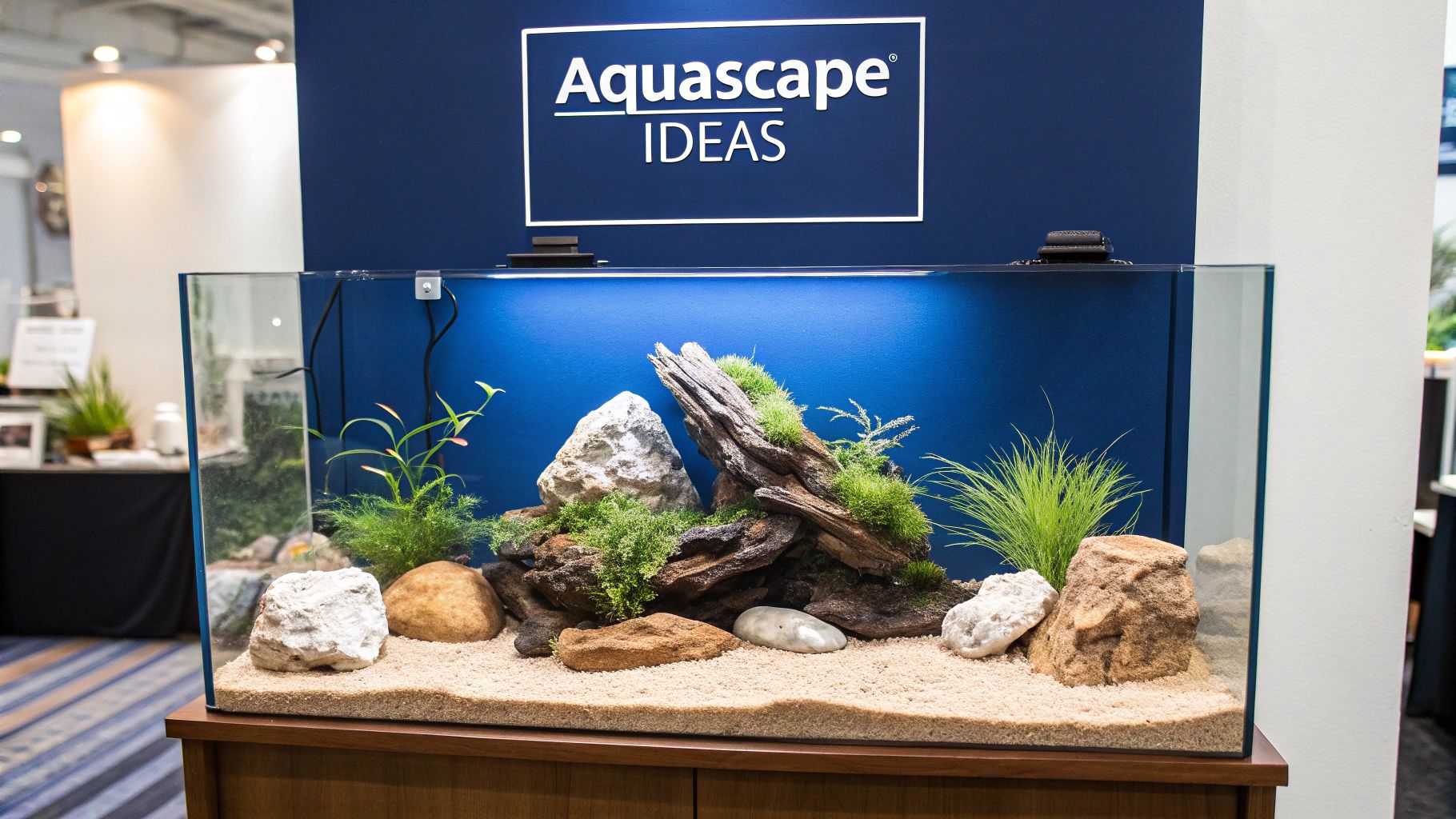
Credit: clixfueling.com
Choosing The Right Tank Size
Setting up a fish tank for large species needs careful size planning. The right tank size helps fish live comfortably and stay healthy.
Large fish need enough room to swim freely. This guide explains how to pick the proper tank size and shape for big fish.
Minimum Dimensions For Large Fish
Large fish require tanks with enough length, width, and height. The tank size depends on the fish species and their adult size.
- Length should be at least three times the fish’s adult length.
- Width must allow side-to-side swimming without crowding.
- Height should suit the fish’s vertical movement and jumping behavior.
- Provide extra space for decorations and plants.
Tank Shape And Space Considerations
Choosing the tank shape affects the fish’s comfort and your room space. Some shapes fit better in small rooms or corners.
| Tank Shape | Advantages | Space Needs |
|---|---|---|
| Rectangular | Good swimming space, easy to clean | Needs flat, wide surface |
| Bow Front | Wide viewing angle, stylish look | Requires more depth |
| Cylindrical | Attractive and compact | Limited swimming space |
| Corner | Saves room space | May restrict fish movement |
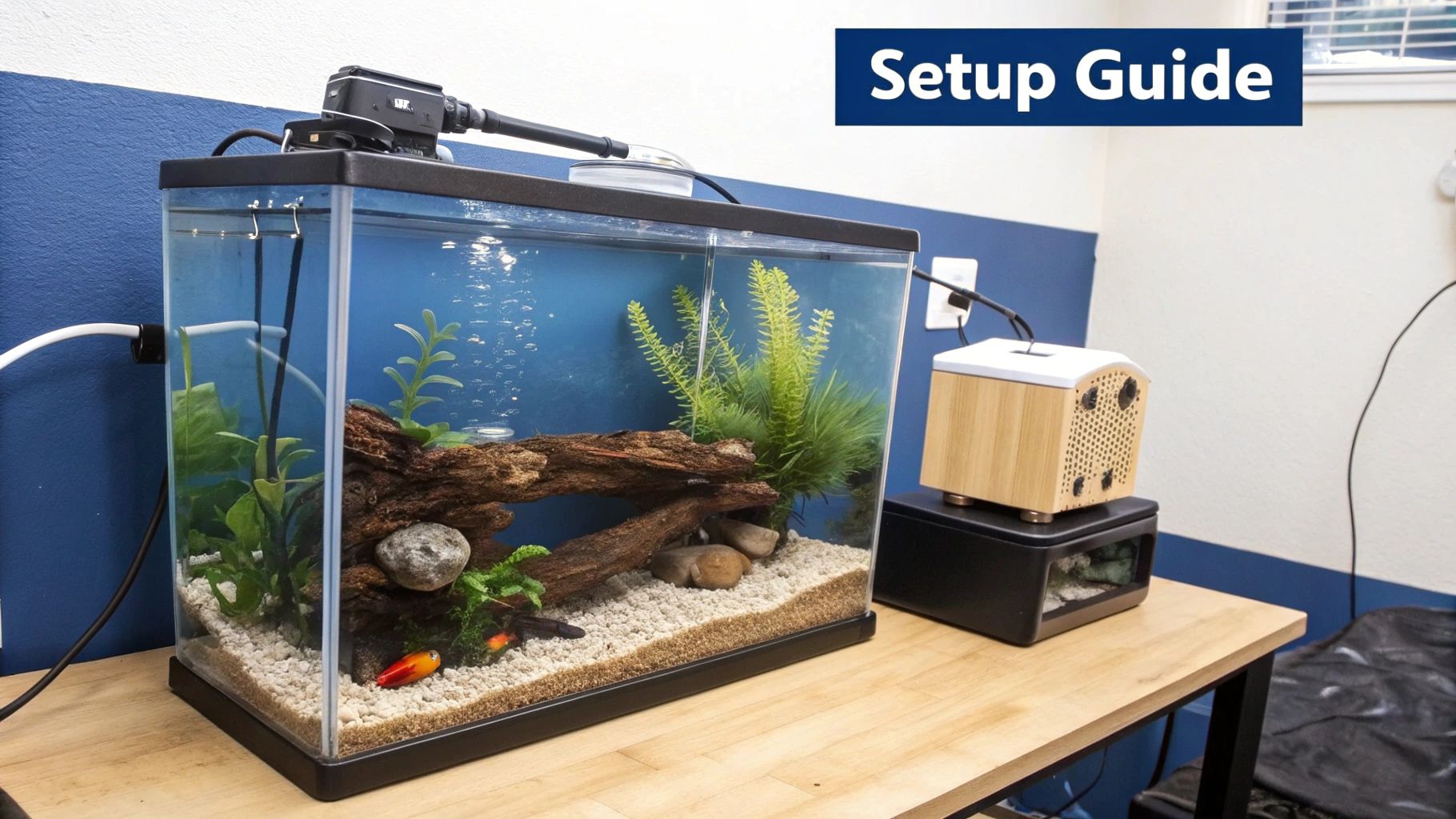
Credit: clixfueling.com
Selecting Suitable Filtration Systems
Choosing the right filtration system is key for large fish tanks. It keeps the water clean and safe for big fish species.
Good filtration helps remove waste and controls harmful chemicals. It supports a healthy environment for your fish to grow and thrive.
Types Of Filters For Large Tanks
There are several filter types to consider for large tanks. Each has benefits depending on the tank size and fish species.
- Canister Filters:Powerful and efficient. They sit outside the tank and use multiple media types.
- Sump Filters:Large capacity. They add water volume and allow customized media.
- Wet/Dry Filters:Great for biological filtration. They expose water to air for oxygenation.
- Internal Filters:Easy to install inside the tank. Best for smaller large tanks or extra filtration.
- Undergravel Filters:Use substrate as a filter medium. Less common for very large tanks.
Maintaining Water Quality
| Task | Frequency | Purpose |
| Check Filter Media | Monthly | Replace or clean to avoid clogging |
| Test Water Parameters | Weekly | Monitor ammonia, nitrites, and pH levels |
| Perform Water Changes | Biweekly | Remove toxins and replenish minerals |
| Clean Tank Surfaces | Monthly | Prevent algae buildup and debris |
Optimal Water Parameters
Setting up a fish tank for large species requires careful attention to water conditions. Good water quality keeps fish healthy and active.
Maintaining the right water parameters helps reduce stress and disease risks for your fish.
Temperature Control
Large fish need stable water temperatures to stay healthy. Sudden changes can harm their immune system.
Use an aquarium heater and a reliable thermometer to keep water steady within the right range for your species.
- Check temperature daily
- Adjust heater as needed
- Avoid placing tank near windows or vents
Ph And Hardness Levels
The pH level shows how acidic or basic the water is. Large fish thrive best in a specific pH range.
Water hardness affects fish health and tank plants. It is important to match hardness to your fish’s natural habitat.
- Test pH weekly
- Adjust with pH buffers if needed
- Measure hardness with test kits
- Use minerals to correct low hardness
Oxygenation Techniques
Large fish require plenty of oxygen in the water to breathe easily. Poor oxygen levels can cause stress.
Use air pumps, filters, or water movement to keep oxygen levels high in your tank.
- Install air stones or diffusers
- Use strong filters that move water
- Add plants that release oxygen
- Perform regular water changes
Decor And Substrate Choices
Setting up a fish tank for large species needs careful planning. The right decor and substrate keep fish safe and healthy.
Choose decorations and substrate that match the size and behavior of your fish. Avoid sharp or unstable items.
Safe Decorations For Large Species
Large fish need decorations that do not hurt them. Avoid sharp edges and small parts that can break.
Use strong and smooth items that can hold the weight of big fish. Decorations should be stable and not easily tipped.
- Large smooth rocks without sharp points
- Sturdy driftwood with no loose bark
- Wide, heavy ceramic caves
- Plastic plants with strong stems
- Aquarium-safe pipes or tunnels
Choosing The Right Substrate
The substrate is the material at the tank bottom. It affects fish comfort and tank cleanliness.
Large species often like soft or smooth substrates. Sharp gravel can harm their skin or fins.
- Fine sand is soft and safe for bottom-dwelling fish
- Rounded gravel helps plants grow and is gentle
- Avoid large, sharp rocks that can cause injury
- Consider substrate depth for burrowing species
- Choose natural colors to reduce fish stress
Lighting For Observation
Proper lighting helps you see large fish clearly. It also keeps fish healthy and calm.
Good lighting shows the true colors and behaviors of your fish. It makes watching them more enjoyable.
Light Intensity And Spectrum
Light intensity means how bright the light is. Bright light helps you see fish details well.
The light spectrum means the range of colors in the light. Fish see colors differently than humans.
- Use moderate brightness to avoid stressing fish
- Include blue and white light for natural look
- Red light can highlight fish colors at night
- Avoid too bright or harsh lights that cause glare
Creating Natural Day-night Cycles
Fish need a regular day and night cycle to stay healthy. Light timers can help create this cycle.
Turn lights on in the morning and off at night. This mimics natural sunlight and darkness.
- Set lights for 8 to 12 hours of daylight
- Use dim lighting or moonlight mode at night
- Keep a consistent schedule every day
- Watch fish behavior to adjust light timing if needed
Feeding Large Fish Species
Large fish species need special care in their diet. It’s important to know what they eat and when.
A balanced diet keeps them healthy and active. Let’s explore their dietary needs and feeding schedules.
Dietary Needs
Large fish have specific dietary needs. These include proteins, fats, and vitamins.
| Nutrient | Importance |
| Protein | Growth and repair |
| Fats | Energy source |
| Vitamins | Overall health |
Feeding Schedules And Techniques
Feeding schedules are crucial for fish health. Consistency helps them thrive.
- Feed twice daily
- Morning and evening are best
- Use floating pellets for surface feeders
- Use sinking pellets for bottom dwellers
Health And Disease Prevention
Setting up a fish tank for large species is exciting. It’s important to keep your fish healthy. Proper care prevents diseases and promotes their well-being.
Understanding common health issues and treatment methods helps in maintaining a thriving aquarium. Let’s explore some key aspects of fish health.
Common Ailments In Large Fish
Large fish species can face various health challenges. It’s crucial to identify symptoms early. This ensures timely intervention and treatment.
Some common ailments include fin rot, ich, and swim bladder disorder. Each condition requires specific care to prevent escalation.
- Fin Rot: Caused by bacteria. Look for ragged fins.
- Ich: White spots on skin. Fish may scratch against objects.
- Swim Bladder Disorder: Fish struggles to maintain buoyancy.
Quarantine And Treatment Protocols
Quarantine new fish before adding them to your tank. This helps prevent diseases from spreading. A separate tank is ideal for this process.
Observe the quarantined fish for two weeks. Check for any signs of illness. This allows for timely treatment if needed.
- Use a clean tank with a filter for quarantine.
- Monitor water quality regularly.
- Administer medication as required for specific diseases.
Tank Maintenance Routines
Maintaining a large fish tank for big species needs regular care. Good routines keep fish healthy and the tank clean.
Following set maintenance steps helps prevent problems and makes observation easier. Let’s look at key parts of tank care.
Cleaning Strategies
Cleaning the tank removes dirt and waste that harm fish. Use gentle tools to avoid stressing the fish or damaging plants.
- Use a gravel vacuum to clear debris from the bottom.
- Clean algae from glass with a soft scraper or sponge.
- Rinse filter media in tank water to keep beneficial bacteria.
- Do not use soap or chemicals inside the tank.
- Remove uneaten food daily to avoid water pollution.
Water Change Frequency
Water changes keep the tank environment safe by reducing toxins. The amount and timing depend on tank size and fish load.
| Tank Size | Change Amount | Frequency |
| Large tanks (100+ gallons) | 10-15% | Weekly |
| Medium tanks (50-100 gallons) | 20-25% | Weekly |
| Small tanks (below 50 gallons) | 25-30% | Twice a week |
Behavioral Observation Tips
Watching large fish species helps you learn their habits and needs. Careful observation keeps your fish healthy and happy.
Notice small changes in behavior to catch problems early. This guide offers tips on what to look for and how to support your fish.
Recognizing Stress Signs
Stress can harm large fish and lower their immune system. Look for these signs to act quickly and protect your fish.
- Loss of appetite or refusal to eat
- Erratic swimming or hiding more than usual
- Gasping at the water surface
- Faded or dull colors on the body
- Clamped fins or unusual posture
- Scratching against objects in the tank
Encouraging Natural Behaviors
Help your fish show natural habits by setting up the tank right. Create a space that feels safe and close to their wild home.
| Behavior | Tank Setup Tip |
| Exploring | Provide rocks and caves for hiding |
| Foraging | Scatter food on different surfaces |
| Schooling | Keep similar species together |
| Territorial | Use plants or dividers to create zones |
| Breeding | Include flat stones or plants for egg laying |

Credit: www.aqqapet.com
Frequently Asked Questions
What Size Tank Is Ideal For Large Fish Species?
A large tank should be at least 75 gallons to accommodate big fish comfortably. Bigger tanks provide ample swimming space and stable water conditions, essential for large species’ health and behavior.
How To Maintain Water Quality For Large Fish Tanks?
Regular water changes, proper filtration, and testing are key. Large fish produce more waste, so a strong filter and weekly partial water changes keep water clean and healthy.
Which Decorations Are Safe For Large Fish Tanks?
Use smooth, non-toxic decorations without sharp edges. Large fish can injure themselves on rough surfaces, so opt for sturdy rocks, driftwood, and large plants for a safe environment.
What Feeding Practices Suit Large Fish Species?
Feed large fish high-quality pellets or frozen food suited to their diet. Avoid overfeeding to prevent water pollution and ensure all fish get enough nutrition without waste buildup.
Conclusion
Setting up a fish tank for large species takes careful planning. Choose a tank size that gives fish plenty of room to swim. Use strong filters to keep water clean and healthy. Add hiding spots and decorations for comfort and safety.
Watch water temperature and quality every day. Healthy fish show bright colors and active behavior. Enjoy the beauty of large fish in a well-prepared tank. With patience and care, your tank will thrive. Keep learning and adjusting to help your fish live well.