
Setting up a fish tank for juvenile fish is more than just placing water and decorations. If you want your young fish to grow healthy and safe, you need the right environment from the start.
Imagine watching your tiny fish swim freely, protected from harm and stress. This guide will show you exactly how to create that safe space. By following simple steps, you can keep your juvenile fish safe, happy, and thriving. Ready to learn how to protect your little swimmers and enjoy a beautiful, healthy tank?
Let’s dive in.
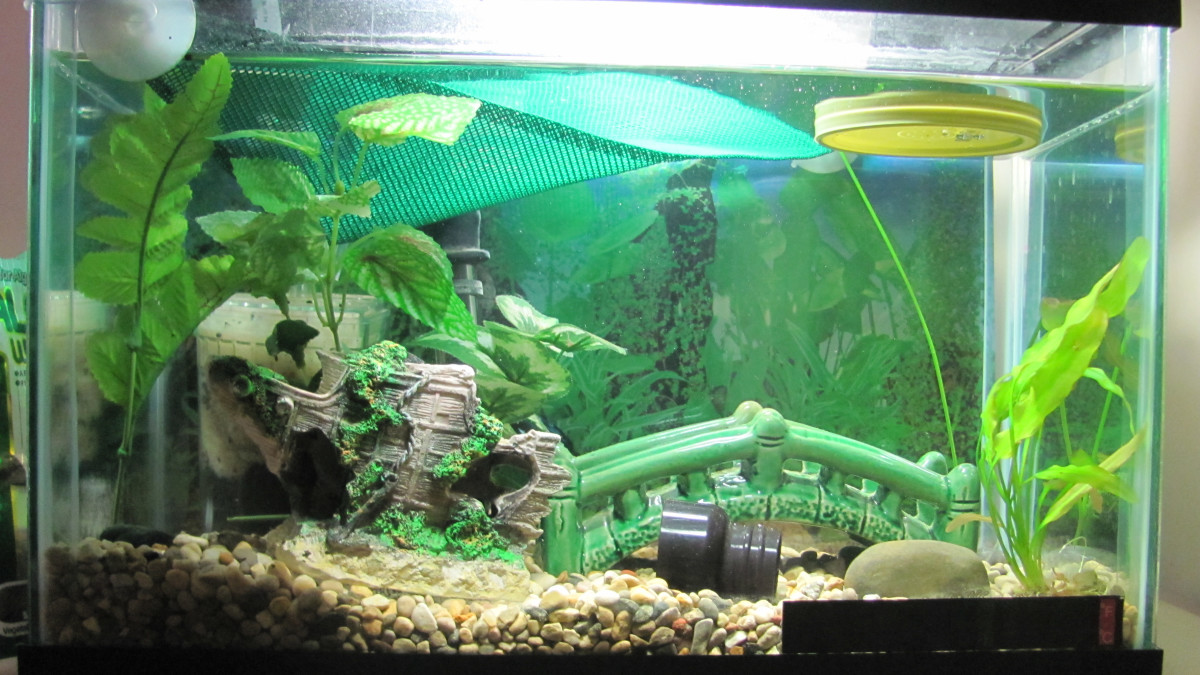
Credit: pethelpful.com
Choosing The Right Tank Size
Picking the right tank size is key to keeping juvenile fish safe. The tank must give enough space for swimming and growth.
A tank that is too small can cause stress and health problems. A bigger tank helps maintain water quality and comfort.
Consider The Number Of Juvenile Fish
Think about how many young fish you want to keep. Each fish needs enough space to swim freely.
Overcrowding can lead to fights and poor water quality. Make sure to have extra room for new fish as they grow.
- Keep 1 gallon of water for every inch of fish
- Juvenile fish grow fast, so plan for size increase
- Avoid putting too many fish in a small tank
Allow Space For Decorations And Plants
Juvenile fish need hiding spots to feel safe. Decorations and plants create shelter and reduce stress.
Choose a tank size that leaves room for these items. Crowded tanks limit movement and comfort.
- Provide open swimming areas
- Include plants for hiding
- Use decorations that do not take too much space
Think About Filtration And Maintenance
Bigger tanks hold cleaner water longer. They make it easier to keep fish healthy.
Smaller tanks need more frequent cleaning. Choose a size that fits your maintenance routine.
- Large tanks reduce harmful waste buildup
- Smaller tanks require more water changes
- Good filtration is essential regardless of size
Credit: www.bettafish.com
Selecting Safe Tank Materials
Choosing the right materials for a fish tank is key to protecting juvenile fish. Safe materials keep water clean and fish healthy. Avoid materials that can release harmful chemicals or break easily.
Some materials work better than others for young fish tanks. Knowing the options helps you pick a tank that lasts and keeps fish safe.
Types Of Tank Materials
Common tank materials include glass, acrylic, and plastic. Each has pros and cons for juvenile fish protection. Glass is strong and clear but heavy. Acrylic is lighter and less likely to crack. Plastic is cheap but can release toxins.
- Glass: durable, scratch-resistant, but heavy
- Acrylic: lightweight, impact-resistant, may scratch
- Plastic: affordable, can leach chemicals, less durable
Material Safety And Fish Health
Materials must not release harmful substances into water. Some plastics contain toxins that hurt fish. Glass and acrylic are safer choices. Always check for non-toxic labels and certifications.
| Material | Toxicity | Durability | Weight |
| Glass | Non-toxic | High | Heavy |
| Acrylic | Non-toxic | Medium | Light |
| Plastic | Potential toxins | Low | Light |
Choosing The Right Material For Juvenile Fish
Young fish need gentle environments. Acrylic tanks provide a safer space with less risk of injury. Glass tanks offer strong protection but can break. Avoid plastics that may harm fish health.
Tip:Use smooth materials to prevent fish scrapes. Check seals and edges carefully.
Optimal Water Parameters
Setting the right water parameters helps protect juvenile fish. Young fish are sensitive to water changes. Keeping water stable supports their growth and health.
Good water conditions reduce stress and prevent diseases. Watch key factors like temperature, pH, and hardness closely.
Temperature Control
Temperature affects juvenile fish metabolism and immune systems. Keep water temperature steady to avoid shock. Sudden changes can harm young fish.
Most tropical juvenile fish need water between 74°F and 78°F. Use a reliable heater and thermometer to maintain this range.
- Check temperature daily
- Avoid placing tank near windows or vents
- Use a heater with a thermostat
Ph Levels
The pH level shows how acidic or basic the water is. Juvenile fish need stable pH for good health. Rapid pH changes cause stress and sickness.
Most juvenile fish do well with a pH between 6.5 and 7.5. Test pH regularly and adjust gently if needed.
- Use pH test kits weekly
- Adjust pH with natural products
- Avoid sudden pH shifts
Water Hardness
Water hardness means the amount of minerals in water. Juvenile fish prefer soft to moderately hard water. Hard water may stress young fish.
Measure hardness in degrees (dGH). Aim for 3-10 dGH for most juvenile species. Keep hardness stable to support their development.
- Test water hardness monthly
- Use filtered or softened water if needed
- Avoid mixing water with very different hardness
Effective Filtration Systems
Setting up a fish tank for juvenile fish involves careful planning. Effective filtration systems are vital for their protection and health. These systems keep the water clean and safe.
Filtration systems remove waste and toxins. There are three main types: mechanical, biological, and chemical filtration. Each plays a unique role in maintaining a healthy environment.
Mechanical Filtration
Mechanical filtration removes debris from the water. It traps particles like uneaten food and fish waste. This process keeps the water clear and reduces harmful bacteria.
A good mechanical filter is easy to clean. It needs regular maintenance to work effectively. Check the filter pads often and replace them when dirty.
- Sponge filters trap small particles
- Cartridge filters are easy to replace
- Regular cleaning ensures efficiency
Biological Filtration
Biological filtration uses beneficial bacteria. These bacteria break down harmful ammonia into less toxic substances. This process is crucial for fish health and safety.
Biological filters need time to establish. They grow on surfaces like rocks and filter media. Never clean biological filters with tap water as it kills bacteria.
- Ceramic rings provide surface for bacteria
- Bio-balls enhance bacterial growth
- Use tank water for gentle cleaning
Chemical Filtration
Chemical filtration removes toxins using special media. It helps control odors and discoloration in the water. Activated carbon is a common choice for chemical filtration.
Chemical filters are effective but need replacing. They lose effectiveness over time. Check and change the media as instructed by the manufacturer.
- Activated carbon absorbs impurities
- Replace media every few weeks
- Follow manufacturer’s guidelines
Creating Hiding Spots
Juvenile fish need safe places to hide. These spots help them feel secure. Hiding spaces reduce stress and protect young fish.
Setting up your fish tank with hiding spots is easy. Use plants, decorations, caves, and shelters to create secure areas.
Plants And Decorations
Live or artificial plants give young fish cover. Decorations add texture and shapes where fish can hide. Use a mix for best results.
- Use tall plants near the tank edges
- Add floating plants for shade
- Include leafy decorations with holes
- Place driftwood or rocks to create shadows
Caves And Shelters
Caves and shelters offer safe retreats. Juvenile fish can rest inside away from larger tank mates. Choose caves with smooth edges to avoid injury.
| Type | Material | Benefit |
| Clay Cave | Natural Clay | Safe, natural look |
| Plastic Shelter | Non-toxic Plastic | Lightweight and easy to clean |
| Rock Formation | Natural Stone | Provides many hiding spots |
| Wooden Tunnel | Driftwood | Natural and attractive |
Safe Tank Mates
Setting up a fish tank for juvenile fish requires careful planning. Choosing the right tank mates is crucial for their safety.
Safe tank mates help reduce stress and prevent harm. Selecting compatible species is important for a peaceful environment.
Compatible Species
Juvenile fish need friends that won’t bully or eat them. Peaceful species can live together without conflict.
Small tetras and guppies are good choices. They are gentle and friendly, making them great companions for young fish.
- Tetras: Neon, Cardinal
- Guppies: Fancy, Endler’s
- Danios: Zebra, Pearl
Avoiding Predators
Predators can harm or eat juvenile fish. It is important to avoid adding aggressive species to the tank.
Some fish are naturally territorial and may attack smaller ones. Avoid cichlids and large catfish in a juvenile tank.
- Cichlids: Avoid all types
- Catfish: Avoid large species
- Barbs: Avoid tiger barbs
Proper Feeding Practices
Feeding juvenile fish correctly helps them grow healthy and strong. It also protects them from diseases and stress.
Understanding how often and what to feed juvenile fish is key to their survival in a fish tank.
Feeding Frequency
Juvenile fish need small, frequent meals each day. This keeps their energy up and prevents overfeeding.
- Feed young fish 3 to 5 times daily.
- Offer only as much food as they can eat in 2-3 minutes.
- Remove leftover food to keep water clean.
- Adjust feeding as fish grow bigger.
Suitable Diets
Choose foods that are easy to digest and rich in nutrients. Variety helps juvenile fish develop well.
| Food Type | Description | Benefits |
|---|---|---|
| Flake Food | Small flakes made for young fish | Easy to eat and digest |
| Frozen or Live Foods | Brine shrimp, daphnia, or bloodworms | High protein, boosts growth |
| Pellets | Small sinking pellets | Good for bottom feeders |
| Vegetable Matter | Blanched peas or spinach | Supports digestion and health |
Maintaining Water Quality
Keeping water clean is very important for juvenile fish. Good water quality helps young fish grow healthy and avoid diseases.
Clear water with the right balance of chemicals creates a safe home for juvenile fish. Regular care keeps the tank environment stable.
Regular Water Changes
Changing part of the water often keeps the tank clean. It removes harmful waste and replaces old water with fresh water.
Small water changes every week are best. They help keep the water safe without stressing the fish.
- Change 10-20% of the water weekly
- Use a water conditioner to remove chlorine
- Match new water temperature to tank water
- Clean gravel and decorations during changes
Monitoring Ammonia And Nitrite
Ammonia and nitrite are toxic chemicals that harm fish. They come from fish waste and uneaten food.
Testing these levels helps keep them low. Safe water means ammonia and nitrite are near zero.
- Test water with an aquarium test kit
- Keep ammonia and nitrite levels at 0 ppm
- Increase water changes if levels rise
- Use live plants to absorb some toxins
Lighting And Environment
Setting up a fish tank for juvenile fish needs careful lighting and environment control. Proper light helps young fish grow and stay healthy.
The environment should mimic natural conditions to reduce stress and encourage natural behavior. This guide covers light duration and simulating natural conditions.
Light Duration
Juvenile fish need a balanced light schedule to support their development. Too much light can cause stress. Too little light affects feeding and activity.
- Provide 10 to 12 hours of light daily.
- Use a timer to keep the schedule consistent.
- Turn off lights at night to allow rest.
- Adjust light duration based on fish species needs.
Simulating Natural Conditions
Creating a natural environment helps juvenile fish feel safe. Use plants, hiding places, and soft lighting to mimic their home habitat.
| Environmental Element | Details |
| Lighting | Soft, diffused light with natural color tones |
| Plants | Live or artificial plants for shelter and comfort |
| Substrate | Sand or fine gravel similar to natural riverbeds |
| Water Movement | Gentle flow to simulate streams and prevent stress |
Health Monitoring
Keeping juvenile fish healthy needs close watching. Healthy fish grow well and avoid sickness.
Regular health checks help catch problems early. This keeps your tank safe for young fish.
Identifying Common Diseases
Juvenile fish get sick from bacteria, fungi, and parasites. Signs include spots, frayed fins, and strange swimming.
- White spots on body or fins
- Red or inflamed areas on skin
- Gasping at the water surface
- Clamped fins or loss of color
- Unusual swimming like spinning or hanging upside down
Quarantine Procedures
New or sick fish should stay in a separate tank. This stops diseases from spreading to others.
| Quarantine Step | Purpose | Details |
| Observation | Watch behavior | Check for signs of illness daily |
| Isolation | Prevent spread | Keep fish separate for 2 to 4 weeks |
| Treatment | Heal fish | Use medicines if needed after diagnosis |
| Water Care | Maintain health | Keep water clean and stable temperature |

Credit: www.amazon.ca
Frequently Asked Questions
How To Protect Juvenile Fish In A New Tank Setup?
Use tank dividers, hiding spots, and gentle filtration. Avoid overcrowding and aggressive fish to reduce stress and predation risks for juveniles.
What Tank Size Is Best For Juvenile Fish Protection?
A 20-gallon or larger tank provides ample space. It allows safe zones and reduces competition, promoting healthy growth of juvenile fish.
Which Plants Help Juvenile Fish Stay Safe?
Dense plants like Java moss and Anubias offer hiding places. They reduce stress and provide shelter from larger, aggressive fish.
How Often Should I Clean A Juvenile Fish Tank?
Clean the tank weekly, removing uneaten food and debris. Maintain water quality to prevent diseases and ensure a healthy environment for juveniles.
Conclusion
Setting up a safe fish tank helps juvenile fish grow strong. Use plants and hiding spots for their protection. Keep water clean and temperature steady. Avoid overcrowding to reduce stress and fights. Regular checks help catch problems early. A well-prepared tank means healthy fish.
Enjoy watching your young fish thrive every day. Small steps make a big difference in their care. Protecting juvenile fish keeps your aquarium lively and bright.