
Setting up your own fish tank can be an exciting and rewarding hobby. Whether you’re a beginner or looking to improve your current setup, getting it right makes all the difference.
Imagine watching your colorful fish swim happily in a clean, well-maintained tank that you’ve carefully arranged. This guide will help you understand the essentials and avoid common mistakes. By the end, you’ll feel confident and ready to create a beautiful underwater world that brings calm and joy to your space.
Keep reading to discover simple steps that make your fish tank thrive.

Credit: www.youtube.com
Choosing The Right Aquarium
Setting up a fish tank is exciting for hobbyists. Picking the right aquarium is the first step.
The right tank keeps fish healthy and makes your hobby fun and easy to manage.
Types Of Aquariums
There are several aquarium types for different fish and styles. Choose one that fits your needs.
- Freshwater tanks are common and easy to maintain.
- Saltwater tanks require more care but have colorful fish.
- Brackish tanks mix fresh and saltwater for special species.
- Planted tanks focus on live plants for a natural look.
Size And Space Considerations
Think about the space where you want the aquarium. Size affects fish health and tank maintenance.
Bigger tanks are more stable but need more room. Smaller tanks fit small spaces but need careful care.
- Measure the area before buying a tank.
- Choose tank size based on fish type and number.
- Allow space for equipment like filters and lights.
Material Options
Aquariums come in glass or acrylic. Each material has its pros and cons for hobbyists.
| Material | Advantages | Disadvantages |
|---|---|---|
| Glass | Scratch resistant, clear view, affordable | Heavier, can break if dropped |
| Acrylic | Lightweight, impact resistant, easy to shape | Scratches easily, can yellow over time |
Essential Equipment
Setting up a fish tank needs the right tools to keep fish healthy. Using proper equipment makes tank care easier.
This guide covers key gear for clean water, good light, steady heat, and fresh air in your tank.
Filtration Systems
Filters remove waste and keep water clear. They help fish live in a clean home. Choose a filter size for your tank volume.
- Mechanical filters catch debris and dirt.
- Chemical filters remove toxins and odors.
- Biological filters support helpful bacteria growth.
Lighting Solutions
Lighting helps fish see and plants grow. Use a light that fits the tank size and type of fish. Avoid too bright or too dim lights.
| Light Type | Best For | Duration |
| LED | Energy saving and plant growth | 8-12 hours daily |
| Fluorescent | General lighting | 8-10 hours daily |
| Incandescent | Low cost but less efficient | 6-8 hours daily |
Heating And Temperature Control
Fish need steady warmth. Use a heater to keep water at the right temperature. A thermometer helps check heat levels.
- Choose a heater with the correct wattage for your tank size.
- Place the heater near water flow for even heat.
- Set the temperature to match your fish needs, usually 74-78°F.
Aeration Devices
Aeration adds oxygen to the water. Air pumps and air stones create bubbles to keep water fresh.
Common aeration devices:
- Air Pumps: Provide steady airflow.
- Air Stones: Spread air in small bubbles.
- Bubble Wands: Create large bubble curtains.
Selecting Substrate And Decorations
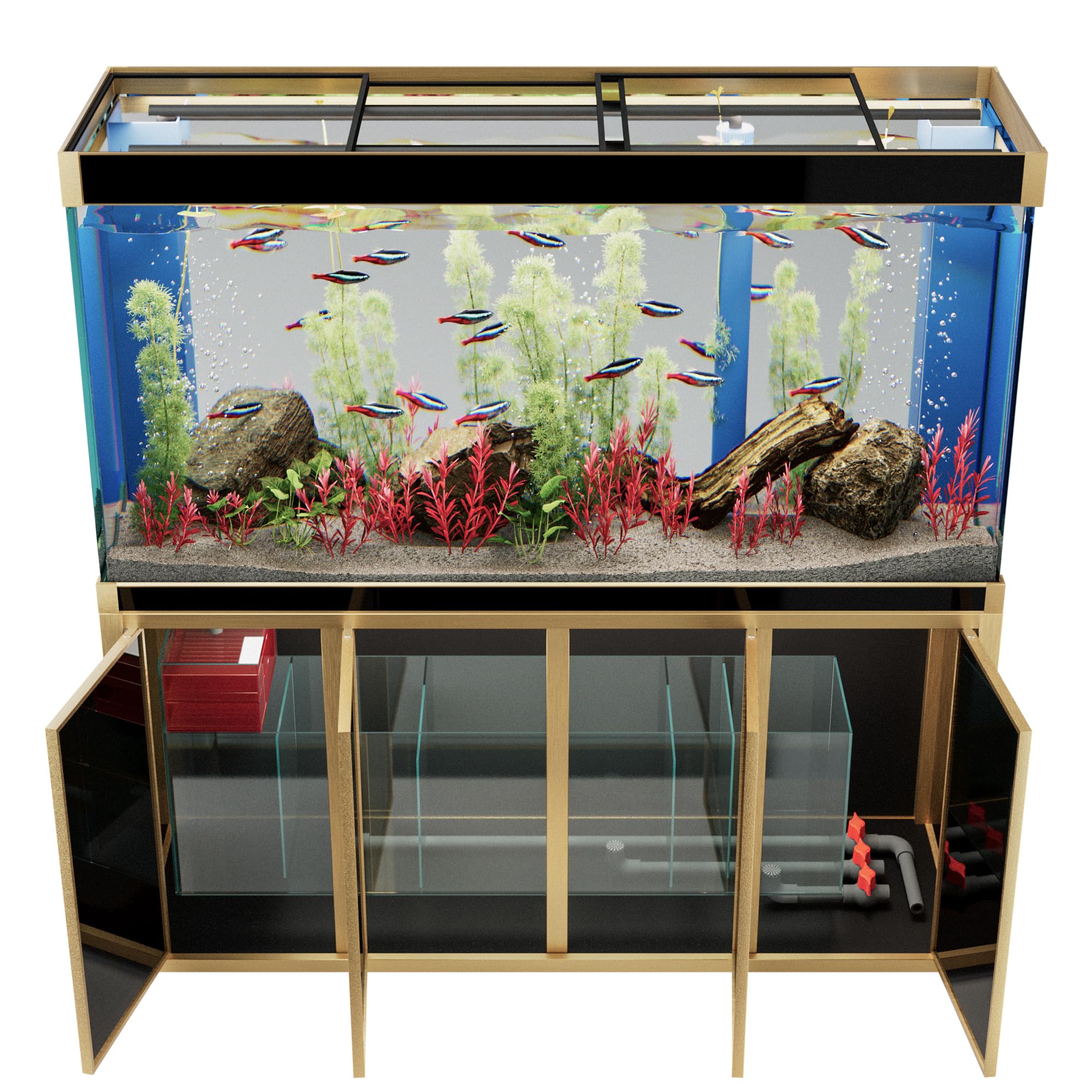
Setting up a fish tank is fun and needs good choices. Substrate and decorations help keep fish safe and happy. They also make the tank look nice.
Choosing the right base and decorations helps plants grow and fish swim well. This guide covers the key points to help you decide.
Choosing The Best Substrate
Substrate is the material at the tank bottom. It affects water quality and fish health. Gravel, sand, and soil are common types.
- Gravel: Good for most fish, easy to clean.
- Sand: Soft for bottom dwellers, can compact easily.
- Soil: Best for planted tanks, helps plant roots.
- Mixed substrates: Combine types for special needs.
Adding Plants And Hardscape
Plants and hardscape give the tank a natural look. They offer hiding spots and improve water quality. Rocks, wood, and plants are popular choices.
| Decoration | Benefit | Care Tips |
| Live Plants | Oxygen and shelter | Use fertilizer and light |
| Driftwood | Natural look and fish shelter | Soak to remove tannins |
| Rocks | Strong hiding places | Check for sharp edges |
| Artificial Plants | Easy to clean | Replace if damaged |
Balancing Aesthetics And Functionality
The tank should look good and be safe. Choose decorations that fit your fish and plants. Avoid overcrowding to keep swimming space open.
- Pick colors and shapes that blend well.
- Use soft materials to avoid fish injury.
- Leave open areas for swimming.
- Keep easy access for cleaning.
Credit: www.amazon.com
Water Quality Management
Good water quality is key for a healthy fish tank. It keeps fish safe and happy.
Managing water means checking and cleaning regularly. This helps stop diseases and problems.
Cycling Your Tank
Cycling means growing good bacteria in the tank. These bacteria help break down fish waste.
It usually takes 4 to 6 weeks to cycle a new tank. Do not add many fish during this time.
- Set up the tank with water and filter
- Add ammonia or fish food for bacteria to grow
- Test water for ammonia, nitrite, and nitrate levels
- Wait until ammonia and nitrite drop to zero
- Then add fish slowly to keep water safe
Testing Water Parameters
Testing water helps you know if it is safe for fish. Use test kits to check key chemicals.
Check these parameters regularly to catch problems early. Some are more important than others.
- Ammonia: Should be zero, toxic to fish
- Nitrite: Should be zero, also toxic
- Nitrate: Keep low by doing water changes
- pH: Stable pH is best for fish health
- Temperature: Match fish species needs
Maintaining Water Cleanliness
Clean water reduces fish stress and illness. Remove waste and change water often.
Use a gravel vacuum to clean the bottom. Change 10-20% of water weekly or biweekly.
- Remove uneaten food to prevent decay
- Clean filter media but keep some bacteria alive
- Do not clean all filter parts at once
- Avoid using soap or chemicals in the tank
Picking Fish And Inhabitants
Setting up a fish tank is an exciting hobby. Choosing the right fish is important for a happy aquarium.
Consider the needs of your fish and how they interact. This will ensure a peaceful tank environment.
Species Compatibility
Not all fish get along. Some species are territorial or aggressive. Research which fish can live together peacefully.
- Tetras and guppies are peaceful and mix well.
- Betta fish may fight with others, keep them alone.
- Angelfish can be aggressive with smaller fish.
Stocking Levels
Stocking levels refer to how many fish you can keep in your tank. Overcrowding can cause stress and health issues.
A general rule is one inch of fish per gallon of water. This helps maintain a healthy environment.
Feeding Requirements
Different fish have different diets. Some eat flakes, while others prefer live food.
Feed your fish small amounts once or twice a day. Make sure to provide a balanced diet for all species.
- Herbivores need plant-based food.
- Carnivores require protein-rich meals.
- Omnivores eat both plants and proteins.
Tank Maintenance Tips
Keeping your fish tank clean is important for healthy fish. Good maintenance helps prevent problems.
Learn simple ways to care for your tank. Follow easy tips to keep your aquarium fresh and safe.
Regular Cleaning Routines
Clean your tank regularly to remove waste and algae. This keeps water clear and fish happy.
- Change 10-15% of water weekly
- Use a gravel vacuum to clean the substrate
- Wipe the glass to remove algae
- Clean or replace filter media monthly
- Check water temperature and quality often
Handling Common Issues
Fish tanks may face problems like cloudy water or sick fish. Find solutions to common troubles below.
| Issue | Cause | Solution |
| Cloudy water | Overfeeding or poor filtration | Feed less and clean filter |
| Algae growth | Too much light | Reduce light hours and clean tank |
| Fish illness | Stress or bad water | Test water and isolate sick fish |
| Bad odor | Decaying food or waste | Remove uneaten food and clean tank |
Upgrading Equipment
Better equipment makes tank care easier and fish healthier. Upgrade tools as your tank grows.
Consider these upgrades:
- Install a stronger filter for clearer water
- Use a heater to keep stable temperature
- Buy a good water test kit for regular checks
- Add LED lighting for better plant growth
Creating Stunning Aquarium Designs
Setting up a fish tank is a fun hobby that lets you design a beautiful underwater world.
Choosing the right theme, colors, and lighting makes your aquarium stand out.
Theme Ideas
Pick a theme that fits your style and the fish you want. Themes help guide your design choices.
- Natural: Use rocks, driftwood, and live plants for a forest look.
- Tropical: Bright colors and exotic plants create a warm vibe.
- Zen: Keep it simple with sand, stones, and minimal decoration.
- Fantasy: Add colorful decorations and unusual plants for a creative touch.
Color Coordination
Colors bring life to your aquarium. Match fish, plants, and decorations carefully.
| Color | Effect | Examples |
| Blue | Calm and cool | Neon Tetras, Blue plants |
| Red | Bright and bold | Cherry Barbs, Red stones |
| Green | Natural and fresh | Java Fern, Green moss |
| Yellow | Warm and cheerful | Goldfish, Yellow coral |
Lighting Effects
Good lighting shows off your aquarium’s colors and helps plants grow.
Try these lighting tips:
- Use LED lights to save energy and get bright colors.
- Place lights above the tank for even coverage.
- Change light colors to match your theme or mood.
- Set a timer to mimic day and night cycles.

Credit: www.reddit.com
Frequently Asked Questions
What Is The Best Tank Size For Beginners?
A 20 to 30-gallon tank is ideal for beginners. It provides enough space for fish to thrive. It’s easier to maintain stable water conditions. This size supports a variety of fish species. It balances cost, space, and ease of care effectively.
How Do I Cycle A New Fish Tank?
Cycling establishes beneficial bacteria in the tank. Add ammonia or fish food to start the process. Test water parameters regularly for ammonia, nitrites, and nitrates. The cycle usually takes 4-6 weeks. Only add fish after the cycle completes to ensure safety.
What Equipment Is Essential For Fish Tank Setup?
Essential equipment includes a filter, heater, and lighting. A filter maintains water cleanliness and oxygen levels. A heater keeps water temperature stable for tropical fish. Proper lighting supports fish health and plant growth. Additionally, a water testing kit is crucial for monitoring.
How Often Should I Clean My Fish Tank?
Clean your tank partially every 1-2 weeks. Perform 20-30% water changes to remove waste. Clean algae off glass and decorations as needed. Avoid over-cleaning to preserve beneficial bacteria. Regular maintenance keeps fish healthy and water clear.
Conclusion
Setting up a fish tank is fun and rewarding. Choose the right tank size for your fish. Use clean water and check the temperature often. Add plants and decorations for a natural look. Keep the tank clean to help fish stay healthy.
Watch your fish daily to see how they behave. Small steps make a big difference in fish care. Enjoy your new hobby and the peaceful tank view. Fish tanks bring calm and joy to any room. Start simple, learn as you go, and have fun!