
Setting up a fish tank to protect your fry isn’t just about filling a tank with water and adding fish. It’s about creating a safe, nurturing environment where your tiny fish can grow strong and healthy.
If you want to see your fry thrive without constant worry, you need the right setup. In this guide, you’ll discover simple, effective ways to shield your fry from harm and give them the best start in life. Keep reading, and you’ll learn how to turn your tank into a fry-friendly haven that boosts their chances of survival.
Choosing The Right Tank
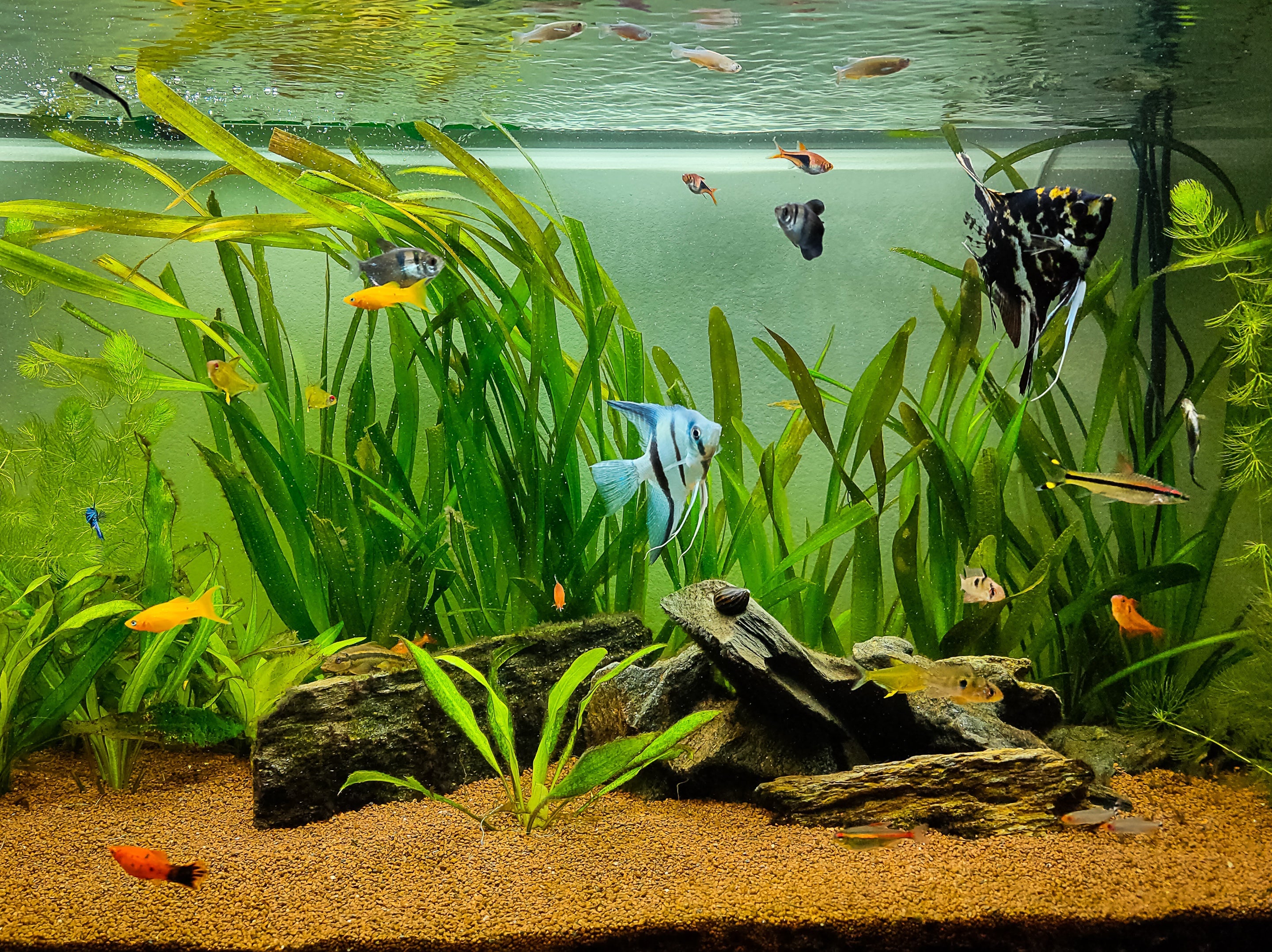
Setting up a fish tank for fry protection starts with picking the right tank. The tank must support the safety and growth of the young fish.
A good tank provides enough space, is made of safe materials, and fits well in its environment.
Size And Shape Considerations
Choose a tank size that gives fry plenty of swimming space. Avoid tanks that are too small or too crowded.
The tank shape affects water flow and hiding spots. Long tanks offer more surface area for oxygen.
- Minimum 10 gallons for small fry groups
- Long tanks help with oxygen levels
- Avoid tall tanks with limited surface area
- Wide tanks allow more plants and hiding places
Material Options
Most tanks are made from glass or acrylic. Both are safe but have different features.
Glass is scratch-resistant and clear. Acrylic is lighter and less likely to break.
- Glass tanks are heavy but very durable
- Acrylic tanks weigh less and are easier to move
- Both materials should be free from harmful chemicals
- Check for smooth edges to protect fry from injury
Location And Environment
Place the tank where temperature stays stable. Avoid direct sunlight to prevent algae growth.
Keep the tank away from loud noises and vibrations. Fry need calm surroundings to reduce stress.
- Choose a spot with stable room temperature
- Avoid windows with direct sunlight
- Keep the tank on a sturdy, vibration-free surface
- Place the tank where it is easy to access for care
Credit: splashyfishstore.com
Essential Equipment
Setting up a fish tank to protect fry needs the right equipment. This helps keep the water clean and the environment safe. Good tools support healthy growth for baby fish.
Choosing the right gear makes it easier to control the tank conditions. This guide covers key equipment to help your fry thrive.
Filtration Systems
Filters remove waste and harmful chemicals from the water. A good filtration system keeps the tank clean and oxygen-rich. For fry tanks, gentle filters that do not suck in small fish are best.
- Sponge filters are safe and provide gentle water flow.
- Canister filters offer strong cleaning but need protection for fry.
- Internal filters are easy to install and maintain.
- Regular cleaning of filter media is essential.
Heaters And Thermometers
Fry need stable water temperature to grow well. Heaters keep the tank warm, especially for tropical species. Thermometers help monitor the temperature to avoid sudden changes.
| Equipment | Purpose | Tip |
| Submersible Heater | Keeps water temperature steady | Choose one with adjustable thermostat |
| Thermometer | Measures water temperature | Place where fry swim mostly |
| Heating Pad | Warms bottom areas gently | Use with caution to avoid overheating |
Lighting Needs
Proper lighting supports fry growth and plant health. Too much light can stress fry, while too little can stunt plants. Use lighting that mimics natural daylight.
- Use LED lights with adjustable brightness.
- Set a timer for about 8-10 hours of light daily.
- Place lights to avoid overheating the water.
- Check for light spectrum suitable for live plants.
Water Parameters For Fry
Setting the right water conditions is key for fry survival. Fry are young fish that need gentle care.
Good water parameters help fry grow strong and avoid stress or disease.
Optimal Temperature Range
Keep the tank temperature steady to help fry develop well. Most fry do best in warm water.
The temperature should not change quickly. Avoid sudden drops or spikes.
- Ideal temperature: 75°F to 80°F (24°C to 27°C)
- Use a reliable heater for stability
- Check temperature daily with a thermometer
Ph Levels And Hardness
Fry need water with balanced pH and hardness. These affect their health and growth.
Most fry prefer slightly soft to moderately hard water with neutral to slightly acidic pH.
- pH range: 6.5 to 7.2
- General hardness (GH): 4 to 12 dGH
- Keep pH stable to reduce stress
Water Quality Maintenance
Clean water is vital for fry health. Dirty water can cause illness or death.
Change small amounts of water often and remove waste carefully.
- Perform 20% water changes twice a week
- Use a gentle filter to avoid sucking fry
- Test ammonia, nitrite, and nitrate levels weekly
- Keep ammonia and nitrite at 0 ppm
- Keep nitrate below 20 ppm
Creating Safe Hiding Spots
Protecting fry is important for their survival in a fish tank. Safe hiding spots help small fish avoid predators. These spots give fry a place to rest and grow safely.
Setting up the tank with proper hiding areas can reduce stress for fry. It also encourages natural behavior and healthy growth.
Using Plants And Decorations
Plants and decorations create natural hiding places for fry. Live plants offer shelter and oxygen. They also provide places to hide from larger fish.
Decorations like caves, rocks, and driftwood add extra cover. Choose items with small openings that fry can fit into. Avoid sharp edges to prevent injuries.
- Use dense plants like Java moss or Anubias
- Add small caves or ceramic pots
- Include driftwood with crevices
- Avoid overcrowding the tank
Breeding Traps And Nets
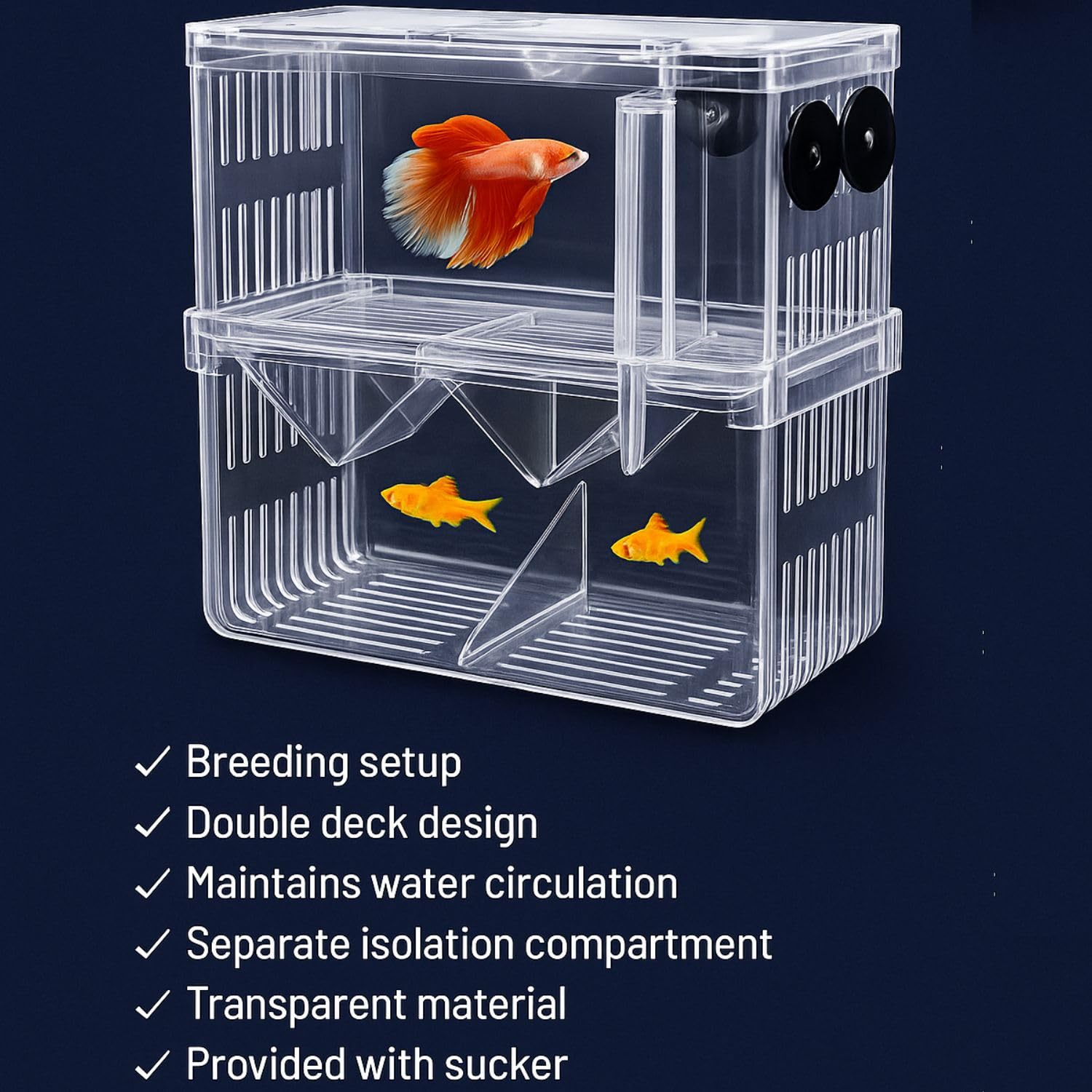
Breeding traps and nets help separate fry from adult fish. These tools protect fry from being eaten. They also make feeding easier.
Use a breeding trap that fits inside your tank. Nets can catch and move fry safely. Make sure the trap or net does not harm the fish.
- Choose traps with small holes
- Place traps away from strong currents
- Check traps regularly for fry health
- Use soft nets to avoid damage
Substrate Choices
The substrate affects how fry hide and move in the tank. Fine gravel or sand is best for fry safety. It prevents them from getting stuck or hurt.
Dark substrates can make fry feel safer. Avoid sharp or rough substrates that can injure small fish. Keep the substrate clean to maintain healthy water.
- Use fine sand or smooth gravel
- Choose darker colors for better hiding
- Avoid sharp or jagged materials
- Regularly vacuum substrate to remove waste
Feeding Fry Properly
Feeding fry the right way helps them grow strong and healthy. Fry need special care with their food and feeding schedule.
Proper feeding avoids health problems and keeps the tank clean. Let’s look at food types, feeding times, and how to avoid overfeeding.
Suitable Food Types
Fry need small, easy-to-eat foods rich in nutrients. Choose foods that match their size and help build their immune system.
- Infusoria: Tiny water creatures ideal for very young fry.
- Baby brine shrimp: Nutritious and easy to catch.
- Crushed flakes or pellets: Ground finely for small mouths.
- Microworms: Good live food for extra protein.
- Powdered fry food: Commercially made for fry growth.
Feeding Frequency
Young fry need frequent feedings to keep their energy up. Feeding often helps them grow without stress or hunger.
| Age of Fry | Feeding Times per Day | Notes |
| 1–7 days | 4 to 6 | Small amounts each time |
| 8–14 days | 3 to 4 | Increase food size slightly |
| 15 days and older | 2 to 3 | Feed more but less often |
Avoiding Overfeeding
Overfeeding can pollute the water and harm fry health. Feed only what they can eat in a few minutes.
Signs of overfeeding to watch for:
- Uneaten food on the tank bottom
- Cloudy water or bad smell
- Slow or sick fry
Remove leftover food quickly and adjust feeding amount as needed.
Preventing Predation
Setting up a fish tank for fry protection is important. Young fish are vulnerable to predation. Proper setup helps keep them safe.
Predation can be reduced by choosing the right tank mates. Separating fry from adults also helps. Monitoring behavior is key to a safe environment.
Selecting Compatible Tank Mates
Choose fish that will not harm the fry. Peaceful species are best. Avoid aggressive fish that may eat the young.
Research is important when picking tank mates. Knowing which species are compatible helps in preventing predation.
- Guppies are usually safe with fry
- Tetras can be good companions
- Avoid cichlids as they may eat fry
Using Separation Techniques
Separation can protect fry from being eaten. A breeding box or net can keep them safe. Use dividers to create safe spaces within the tank.
It is crucial to ensure that fry have enough room. Overcrowding can cause stress and increase risk of predation.
- Breeding boxes keep fry separate
- Tank dividers create safe zones
- Ensure enough space for fry growth
Monitoring Behavior
Watch the fish to ensure safety. Notice any signs of aggression. Promptly remove any fish that threaten the fry.
Behavior changes can indicate stress or danger. Regular observation helps maintain a peaceful tank environment.
| Check for chasing | Look for hiding fry |
| Remove aggressive fish | Ensure fry are eating well |
Tank Maintenance Tips
Keeping your fish tank clean is vital for the safety of fry. A clean tank ensures a healthy environment for young fish.
Follow these simple tips to maintain your fish tank and protect fry from harm. Regular maintenance helps in reducing stress and disease.
Regular Cleaning Schedule
Regular cleaning keeps the tank environment balanced. It prevents the buildup of harmful substances.
| Task | Frequency |
| Scrub Algae | Weekly |
| Clean Decorations | Bi-weekly |
| Filter Maintenance | Monthly |
Water Changes
Water changes remove toxins that can harm fry. Fresh water keeps the tank balanced and healthy.
- Remove 10-15% of water weekly.
- Use a siphon to clean the substrate.
- Add dechlorinated water back to the tank.
Equipment Checks
Checking equipment ensures it functions properly. This prevents sudden failures that could endanger fry.
Inspect the following equipment regularly for faults:
- Heater
- Filter
- Aeration system
Credit: www.amazon.in
Troubleshooting Common Issues
Setting up a fish tank for fry protection can be challenging. Common problems may arise that affect the health of young fish.
Knowing how to spot and fix these issues quickly helps keep fry safe and healthy in the tank.
Fungal And Bacterial Infections
Fungal and bacterial infections can spread fast in fry tanks. Watch for white patches or slimy film on fry and plants.
- Keep water clean by changing 25% weekly
- Avoid overcrowding to reduce stress and disease
- Use antifungal treatments if white patches appear
- Quarantine new fish before adding them to the tank
Stress And Mortality Signs
Stress weakens fry and can cause death. Signs include erratic swimming, gasping, or hiding.
| Sign | Possible Cause | Action |
| Gasping at surface | Low oxygen | Increase aeration |
| Clamped fins | Water quality issues | Test and change water |
| Loss of color | Stress or illness | Check tank parameters |
Adjusting Environment Quickly
Quick changes in water temperature or chemistry can harm fry. Act fast to stabilize the tank environment.
Follow these steps to adjust your tank safely:
- Measure water temperature and pH.
- If temperature is too high or low, adjust heater or cooling method slowly.
- Test ammonia, nitrite, and nitrate levels.
- Perform partial water changes to correct chemical imbalances.
- Remove any sick fry to a separate tank.

Credit: www.reddit.com
Frequently Asked Questions
How Do I Protect Fry In A Fish Tank Setup?
Use a separate breeding tank or tank divider to isolate fry. Add plenty of hiding spaces with plants and decorations. Maintain clean water and stable parameters. Avoid aggressive tank mates to prevent fry predation.
What Tank Size Is Ideal For Fry Protection?
A 10 to 20-gallon tank is ideal for fry protection. It provides enough space for hiding spots and proper filtration. Smaller tanks can cause water quality issues, while larger tanks may stress fry if not properly managed.
Which Plants Are Best For Fry Protection?
Fine-leaved plants like Java moss, Hornwort, and Water sprite are excellent. They offer shelter and breeding surfaces. These plants create safe hiding spots that reduce fry stress and increase survival rates.
How Often Should I Clean A Fry Protection Tank?
Clean the tank weekly to maintain water quality. Perform 20-30% water changes regularly. Avoid disturbing fry during cleaning to reduce stress and prevent accidental harm.
Conclusion
Protecting fry starts with a good tank setup. Use plants and hiding spots to keep them safe. Keep water clean and check temperature often. Avoid overcrowding to reduce stress and harm. Feeding small amounts helps fry grow strong. Watch your fish daily for any signs of trouble.
A simple, safe environment helps fry thrive well. Small changes make a big difference in care. Enjoy watching your fry grow healthy and happy.