
Setting up a fish tank for freshwater species might seem simple, but getting it right makes all the difference for your fish’s health and happiness. You want clear water, vibrant fish, and a tank that feels like a little underwater world.
But where do you start? What equipment do you really need? And how do you keep everything balanced so your fish thrive? This guide will walk you through every step, helping you create a beautiful, easy-to-maintain freshwater tank that you’ll love watching every day.
Keep reading, and soon your fish will be swimming in the perfect home.
Choosing The Right Tank
Setting up a fish tank for freshwater species starts with picking the right tank. The tank you choose affects your fish’s health and happiness.
Consider the tank size, shape, and material carefully. Also, think about where to place the tank in your home.
Tank Size And Shape
Choose a tank size based on the type and number of fish you want. Bigger tanks are easier to maintain and keep stable.
The shape of the tank affects swimming space and decoration. Rectangular tanks offer more surface area for oxygen exchange.
- Small tanks are good for beginner fish but need more care
- Large tanks keep water conditions stable
- Long tanks give fish more horizontal swimming room
- Tall tanks may limit surface area for oxygen
Material Options
Most tanks are made from glass or acrylic. Both materials have pros and cons for freshwater tanks.
Glass tanks are heavy and scratch-resistant. Acrylic tanks are lighter and clearer but scratch easier.
- Glass tanks are more affordable and sturdy
- Acrylic tanks are lighter and better insulated
- Choose based on your budget and placement needs
Placement Tips
Place your tank in a quiet, stable area away from direct sunlight. This helps keep water temperature steady.
Avoid spots near heaters, air conditioners, or windows to prevent sudden temperature changes.
- Keep the tank on a strong, level surface
- Choose a spot with easy access for maintenance
- Ensure the area can support the tank’s weight when full

Credit: www.youtube.com
Essential Equipment
Setting up a freshwater fish tank needs the right tools. Good equipment keeps fish healthy and happy.
This guide covers the main equipment for freshwater tanks. Use it to prepare your aquarium properly.
Filters And Pumps
Filters clean the water by removing waste and debris. Pumps help move water through the filter and around the tank.
Choose a filter suitable for your tank size. A strong pump ensures good water flow and oxygen levels.
- Mechanical filters remove particles
- Chemical filters remove toxins
- Biological filters help good bacteria grow
- Pumps keep water moving evenly
Heaters And Thermometers
Most freshwater fish need stable water temperatures. Heaters keep the water warm and steady.
Thermometers help you check the water temperature daily. Choose one that is easy to read and accurate.
- Set heaters to match fish needs
- Check temperature twice a day
- Use glass or digital thermometers
Lighting Choices
Lighting helps fish see and plants grow. Too much light can stress fish, so balance is key.
Use lights designed for aquariums. LED lights are popular because they use less energy and last long.
- Provide 8 to 12 hours of light daily
- Use timers to control lighting
- Choose light color that suits plants and fish
Selecting Substrate And Decorations
Choosing the right substrate and decorations is key for a healthy freshwater fish tank. These elements affect water quality and fish comfort.
Proper substrate and decorations also help create a natural environment. This supports fish behavior and plant growth.
Types Of Substrate
Substrate is the material that covers the bottom of the tank. It can be gravel, sand, or soil. Each type suits different fish and plants.
- Gravel: Good for most freshwater tanks. It allows water flow and root growth.
- Sand: Soft and natural-looking. It is best for fish that like to dig.
- Soil: Rich in nutrients for plants. Use it under a layer of gravel or sand.
Safe Plants And Ornaments
Plants and ornaments add beauty and shelter for fish. Choose items that will not harm your fish or water quality.
| Item | Description | Safety Tips |
| Live Plants | Help oxygenate water and reduce algae. | Use freshwater species only. |
| Plastic Plants | Low maintenance and colorful. | Pick smooth ones to avoid fish injury. |
| Driftwood | Creates hiding spots and natural look. | Soak well before adding to tank. |
| Ceramic Ornaments | Decorative and safe if unpainted. | Avoid sharp edges or toxic paints. |
Creating Natural Habitats
Natural habitats help fish feel secure and show natural behaviors. Use the right mix of substrate, plants, and decorations.
Tips to create natural habitats:
- Use varied substrate layers for depth.
- Place plants in groups for cover.
- Add hiding spots with rocks or driftwood.
- Keep open swimming areas clear.
Water Preparation And Cycling
Setting up a fish tank for freshwater species needs clean and safe water. Water preparation and cycling are key to a healthy tank.
Proper cycling ensures fish stay safe by removing harmful chemicals. This guide covers tap water conditioning, the nitrogen cycle, and testing water.
Conditioning Tap Water
Tap water contains chlorine and chloramine. These chemicals can harm fish and beneficial bacteria. Use a water conditioner to remove them before adding water to the tank.
- Use a liquid water conditioner to neutralize chlorine and chloramine.
- Let tap water sit for 24 hours to allow chlorine to evaporate if no conditioner is available.
- Check the water temperature to match the tank before adding it.
- Use a dechlorinator safe for fish and plants.
Nitrogen Cycle Basics
The nitrogen cycle turns fish waste into less harmful substances. This cycle happens in three main steps that keep water safe.
| Stage | Description |
| Ammonia | Fish waste and uneaten food create toxic ammonia. |
| Nitrites | Beneficial bacteria change ammonia into nitrites, which are still harmful. |
| Nitrates | Another bacteria converts nitrites into nitrates, which are less harmful. |
Regular water changes help keep nitrates low. Cycling can take 4 to 6 weeks before the tank is safe for fish.
Testing Water Parameters
Testing water is important to keep fish safe. Check water often during tank setup and cycling.
- Test for ammonia, nitrites, and nitrates using test kits.
- Check pH to keep it within the right range for your fish species.
- Measure water hardness and temperature regularly.
- Keep records of water tests to track changes.
Choosing Freshwater Fish
Selecting the right fish is key to a healthy freshwater tank. Careful choices help fish thrive and reduce tank problems.
Consider fish size, behavior, and water needs before buying. This keeps your aquarium balanced and enjoyable.
Popular Beginner Species
Some fish are easier to care for. They adjust well to tank life and are less sensitive to water changes.
- Guppies – colorful and active, good for small tanks
- Platies – peaceful and hardy, easy to feed
- Neon Tetras – small and schooling fish, bright colors
- Zebra Danios – fast swimmers, very tolerant of conditions
- Corydoras Catfish – bottom dwellers, clean leftover food
Compatibility Considerations
Fish should get along well. Avoid mixing aggressive and peaceful species to prevent fights.
| Fish Type | Behavior | Tankmate Tips |
|---|---|---|
| Guppy | Peaceful | Good with other small peaceful fish |
| Betta | Aggressive | Avoid males together; keep with calm fish |
| Cichlid | Territorial | Keep with same species or large tanks only |
| Corydoras | Peaceful | Works well in community tanks |
Stocking Density Guidelines
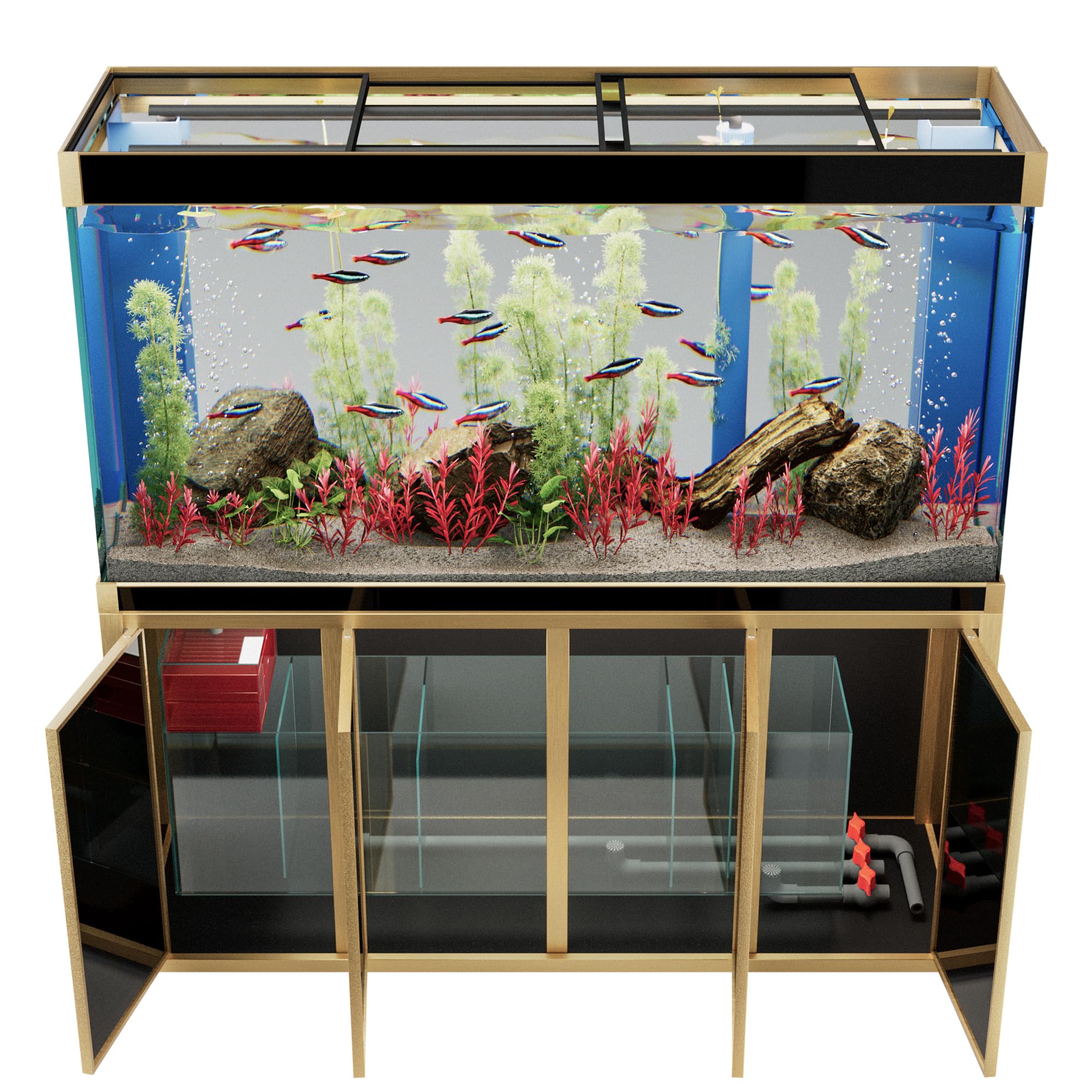
Do not overcrowd the tank. Too many fish cause stress and poor water quality.
- Calculate at least 1 gallon of water per inch of fish
- Include adult size, not just current size
- Leave space for plants and decorations
- Adjust for fish activity level and waste production
Credit: www.amazon.com
Feeding And Nutrition
Proper feeding is important for the health of your fish. They need the right nutrients to grow and thrive. Different fish species have different dietary needs.
Understanding what to feed and how often is essential. This ensures your fish live a long and healthy life in your aquarium.
Types Of Fish Food
Fish food comes in various forms. Each type is suited for different fish species and their needs. Always choose food that meets the nutritional requirements of your fish.
- Flake food: Ideal for surface feeders
- Pellet food: Sinks for bottom feeders
- Frozen food: Offers protein-rich meals
- Live food: Mimics natural diet
- Vegetable-based food: For herbivorous fish
Feeding Frequency
How often you feed your fish depends on their species. Some fish need food more often than others. It is crucial to find the right balance.
Most fish do well with small feedings twice a day. Always observe your fish to ensure they are eating properly.
Avoiding Overfeeding
Overfeeding can harm fish and the aquarium environment. It leads to poor water quality and health problems.
Feed only what fish can eat in a few minutes. Remove uneaten food to keep the tank clean and healthy.
Maintaining Water Quality
Keeping water clean in a fish tank is crucial. Freshwater fish need good water quality to thrive.
Fish waste, uneaten food, and plant debris can spoil the water. Regular maintenance ensures a healthy environment.
Regular Water Changes
Changing water helps remove waste. Freshwater tanks need regular water changes to stay clean.
Replace 10-15% of the water weekly. Use a water conditioner to remove chlorine.
- Prepare clean water before removing old water
- Avoid changing more than 30% at once
- Check water temperature to match tank
Filter Maintenance
Filters keep the tank water clear. They trap debris and promote good bacteria growth.
Check filters regularly to ensure they work well. Clean them if water flow decreases.
- Rinse filter media in tank water, not tap water
- Replace filter media as needed
- Ensure proper water flow through the filter
Monitoring Parameters
Monitoring water parameters is essential. It helps you keep the tank balanced for your fish.
Test the water weekly for pH, ammonia, nitrite, and nitrate levels. Adjust as needed to keep fish healthy.
| Parameter | Ideal Range |
| pH | 6.5 – 7.5 |
| Ammonia | 0 ppm |
| Nitrite | 0 ppm |
| Nitrate | Below 20 ppm |
Credit: www.hygger-online.com
Preventing Diseases
Keeping freshwater fish healthy starts with good care. Disease prevention helps avoid stress and death in fish. Clean water and proper feeding play key roles.
Understanding common illnesses and how to act quickly protects your aquarium. Follow safe steps to keep fish safe and strong.
Common Freshwater Fish Illnesses
Freshwater fish can face several illnesses. Some spread fast and cause big problems. Watch for signs like spots, swimming problems, or loss of appetite.
- Ich (White Spot Disease): Small white dots on fish body and fins.
- Fin Rot: Fins look ragged or have dark edges.
- Fungal Infections: Cotton-like growths on skin or fins.
- Swim Bladder Disorder: Fish have trouble swimming or float oddly.
- Velvet Disease: Fish look dusty with gold or rust-colored spots.
Quarantine Procedures
Always isolate new or sick fish in a separate tank. Quarantine stops diseases from spreading to healthy fish. Keep quarantine tanks clean and monitor fish daily.
| Quarantine Step | Purpose |
|---|---|
| Observe new fish for 2 weeks | Detect any hidden illness before adding to main tank |
| Use separate equipment | Prevent cross-contamination between tanks |
| Maintain clean water | Reduce stress and help fish heal |
| Treat any signs of disease | Stop illness before it spreads |
Treatment Options
Treat fish diseases early for best results. Use medicines made for fish and follow instructions. Keep water clean and stable during treatment.
- Medicated baths or dips for external parasites
- Antibiotics for bacterial infections
- Antifungal treatments for fungal growths
- Salt baths to reduce stress and kill some parasites
- Improve water quality to support fish recovery
Enhancing Tank Aesthetics
A beautiful fish tank adds life to any room. Freshwater tanks can be both peaceful and eye-catching.
Enhancing the tank’s look makes fish feel more at home. It also creates a better view for you.
Aquascaping Techniques
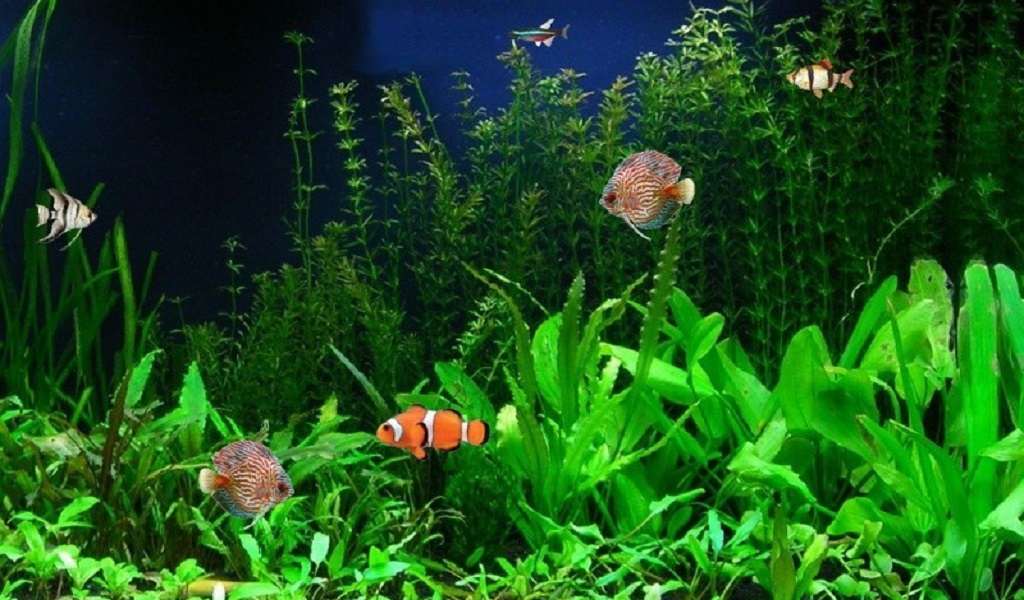
Aquascaping is the art of arranging plants, rocks, and wood inside the tank. It creates a natural and balanced look.
Use different heights and textures to add depth. Place tall plants in the back and shorter ones in front.
- Use smooth rocks for a calm feeling
- Add driftwood for a natural touch
- Plant live aquatic plants for color and oxygen
- Leave open space for fish to swim freely
Lighting Effects
Lighting brightens the tank and shows off colors. It also helps plants grow well and stay healthy.
Use LED lights with adjustable brightness. Soft lighting creates a calm mood. Brighter lights highlight details.
- Choose daylight tones for a natural look
- Use blue lights for a moonlight effect
- Set timers for regular day and night cycles
Backgrounds And Themes
Backgrounds add depth and style to your tank. They hide wires and equipment behind the tank.
Pick themes that match your room or fish type. Simple colors or underwater scenes work well.
- Use solid dark colors for a clean look
- Choose natural scenes like plants or rocks
- Try 3D backgrounds for more texture
Troubleshooting Common Issues
Setting up a freshwater fish tank can be fun and rewarding. Sometimes, problems arise that need fixing.
Knowing how to spot and fix common issues helps keep your fish healthy and happy.
Algae Control
Algae can grow quickly and make your tank look dirty. It also harms water quality and fish health.
Reduce algae by limiting light and keeping the tank clean. Avoid overfeeding your fish.
- Keep the tank away from direct sunlight
- Clean the glass and decorations regularly
- Use a good filter to remove waste
- Feed fish only what they can eat in a few minutes
- Consider adding algae-eating fish or snails
Fish Behavior Problems
Fish may act strange due to stress, illness, or poor water conditions. Watch for unusual swimming or hiding.
Fix problems by testing water and adjusting temperature, pH, or cleaning the tank. Quarantine sick fish.
- Check water temperature and keep it stable
- Test water for ammonia, nitrite, and nitrate levels
- Look for signs of disease or injury
- Remove aggressive fish causing stress
- Keep tank clean with regular water changes
Equipment Failures
Filters, heaters, and lights can stop working and cause tank problems. Check equipment often to avoid issues.
Replace broken parts or clean equipment if it is clogged. Make sure power sources are safe and secure.
- Clean filter media every few weeks
- Test heater with a thermometer regularly
- Check light timers and bulbs
- Keep power cords dry and away from water
- Have backup equipment if possible
Frequently Asked Questions
What Is The Best Tank Size For Freshwater Fish?
A 20-gallon tank is ideal for beginners. It provides enough space for most freshwater species to thrive comfortably. Larger tanks help maintain stable water conditions and reduce stress for fish.
How Do I Cycle A Freshwater Fish Tank?
Cycling establishes beneficial bacteria that break down waste. It usually takes 4-6 weeks. Use ammonia sources and test water regularly to ensure safe conditions before adding fish.
Which Freshwater Plants Are Easy To Maintain?
Java fern, Anubias, and Amazon sword are low-maintenance plants. They require minimal light and nutrients, making them perfect for beginners and enhancing tank aesthetics naturally.
How Often Should I Clean My Freshwater Tank?
Clean your tank every 2-4 weeks. Perform partial water changes of 20-30% and clean the substrate gently to remove debris without disturbing beneficial bacteria.
Conclusion
Setting up a freshwater fish tank takes time and care. Choose the right tank size and filter for your fish. Add plants and decorations for a natural look. Test water often to keep fish healthy and happy. Feed fish the right food and avoid overfeeding.
Clean the tank regularly to prevent problems. Enjoy watching your fish swim and thrive. A well-set tank brings calm and joy to your home. Start simple and learn as you go. Freshwater fish keeping can be a fun and rewarding hobby.