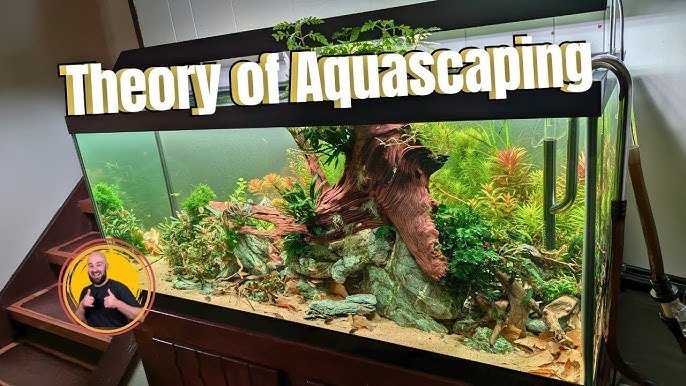
Setting up a fish tank for a freshwater aquascape can transform any space into a peaceful, living work of art. If you want to create a stunning underwater garden that thrives, you need the right setup from the start.
Imagine watching your colorful fish swim among lush plants and carefully arranged rocks every day. This guide will help you avoid common mistakes and give you simple, clear steps to build your perfect aquascape. Ready to turn your tank into a vibrant, natural world?
Keep reading, and you’ll discover everything you need to know to make it happen.
Choosing The Right Tank
Setting up a freshwater aquascape starts with picking the right tank. The tank you choose affects how your plants and fish will grow.
Think about the space you have and the look you want. A good tank gives your aquascape a strong base.
Tank Size And Shape
Tank size controls how many plants and fish you can keep. Bigger tanks are easier to maintain stable water conditions.
The shape matters too. Rectangular tanks give more surface area for oxygen exchange. Tall tanks are good for plants that grow up.
- Small tanks (10-20 gallons) fit small spaces but need more care
- Medium tanks (20-40 gallons) balance size and ease of use
- Large tanks (40+ gallons) allow more plants and fish
- Choose rectangular for better light and oxygen
- Tall tanks suit vertical plant growth
Material Options
Most tanks are made from glass or acrylic. Each has benefits and drawbacks for aquascaping.
Glass tanks are clear and scratch-resistant. Acrylic tanks are lighter and stronger but scratch more easily.
- Glass: clear view, heavy, scratch-resistant
- Acrylic: lighter, flexible shapes, scratches easily
- Consider weight if you move the tank often
- Check for good seals to avoid leaks
Placement Tips
Where you put your tank changes how it looks and how easy it is to care for. Pick a stable, level surface.
Avoid direct sunlight to stop algae growth and temperature swings. Keep it near power outlets for equipment.
- Place tank on a sturdy, level stand
- Avoid spots with direct sunlight
- Keep near electrical outlets for filters and lights
- Leave space around tank for maintenance

Credit: www.horizonaquatics.co.uk
Selecting Substrate And Hardscape
Setting up a freshwater aquascape starts with choosing the right base. The substrate and hardscape create the tank’s foundation. These elements affect plant growth and fish health. Careful selection helps build a natural and stable environment.
Substrate supports plant roots and influences water chemistry. Hardscape includes rocks and wood, adding shape and texture. Both need to match the tank’s style and the needs of its inhabitants.
Types Of Substrates
Different substrates serve different purposes in a freshwater tank. Some help plants grow, while others keep water clean. Here are common types used in aquascapes.
- Gravel:Easy to clean and available in many colors. It allows good water flow but may not hold nutrients well.
- Aquarium Soil:Rich in nutrients for plants. It helps create a natural look but can be costly.
- Sand:Smooth and fine. Good for bottom-dwelling fish but may compact and reduce oxygen.
- Clay-based Substrate:Provides minerals and helps plants root firmly. It blends well with soil or gravel.
Choosing Rocks And Wood
Rocks and wood shape the visual style and provide hiding spots. Choose materials safe for freshwater tanks. Avoid sharp edges that may harm fish.
| Material | Pros | Cons |
|---|---|---|
| Slate | Flat, stacks easily, natural color | Can alter water pH if not tested |
| Dragon Stone | Attractive texture, lightweight | May leach minerals initially |
| Mopani Wood | Dark color, slow to decay | Can release tannins, may float at first |
| Malaysian Driftwood | Good for fish hiding, natural look | Needs soaking to sink |
Arranging Hardscape Elements
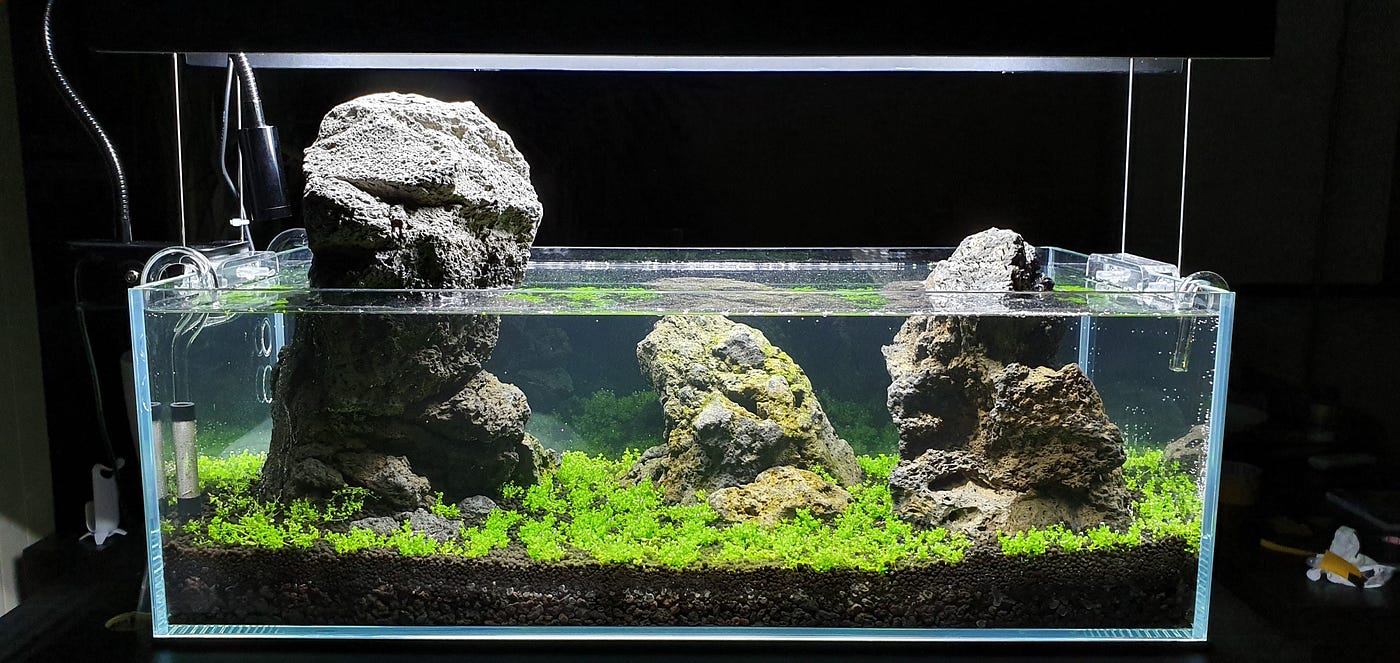
Proper arrangement creates balance and depth. Plan the layout before placing objects. Use the rule of thirds for a natural look.
- Place larger rocks or wood near the back or sides.
- Add smaller pieces in front to create layers.
- Leave space for plants and swimming areas.
- Secure wood or rocks so they do not shift.
- Build paths or open areas for visual interest.
Picking Aquatic Plants
Choosing the right aquatic plants helps create a healthy freshwater aquascape. Plants add color, oxygen, and shelter for fish.
Pick plants based on your tank size, lighting, and maintenance ability. Some plants need less care than others.
Low-maintenance Plants
Low-maintenance plants suit beginners or busy hobbyists. They grow well without special care or strong light.
- Anubias: slow grower, needs low light, attaches to rocks or wood
- Java Fern: tough leaves, low light, easy to plant
- Cryptocoryne: adapts to many conditions, slow growing
- Hornwort: fast grower, floats or plants in substrate
- Amazon Sword: large leaves, moderate light, good background plant
Foreground Vs Background Plants
Foreground plants stay small and grow close to the tank bottom. Use them to cover the front area.
Background plants grow tall and fill the back space. They create depth and hide equipment.
| Plant Type | Examples | Purpose |
| Foreground | Dwarf Hairgrass, Baby Tears, Monte Carlo | Cover substrate, create carpet |
| Background | Amazon Sword, Vallisneria, Water Wisteria | Add height, hide tank back |
Planting Techniques
Plant roots need gentle handling. Make small holes in the substrate before placing plants.
- Trim dead leaves from the plant before planting.
- Use tweezers to place plants in substrate without damaging roots.
- Space plants properly to avoid crowding.
- Press substrate gently around roots to secure plants.
- Place delicate plants away from strong water flow.
Tip:Use nutrient-rich substrate to help plants grow strong roots.

Credit: www.youtube.com
Water Parameters And Filtration
Setting up a freshwater aquascape requires careful attention to water quality. Good water conditions help plants and fish thrive.
Filtration plays a key role in keeping the water clean and balanced. Proper maintenance keeps the tank healthy.
Ideal Water Conditions
Freshwater aquascapes need stable water parameters. Keep temperature, pH, and hardness in the right range.
| Parameter | Ideal Range |
| Temperature | 72°F to 78°F (22°C to 26°C) |
| pH Level | 6.5 to 7.5 |
| Hardness (GH) | 3 to 8 dGH |
| Ammonia | 0 ppm |
| Nitrite | 0 ppm |
| Nitrate | Less than 20 ppm |
Choosing A Filter
Pick a filter that fits your tank size and bioload. It should clean water without disturbing plants.
- Canister filters offer strong mechanical and biological filtration.
- Hang-on-back filters are easy to install and maintain.
- Sponge filters provide gentle filtration and aeration.
- Choose filters with adjustable flow to protect delicate plants.
Maintaining Water Quality
Keep water quality high with regular care. Test water weekly and change water as needed.
- Test pH, ammonia, nitrite, and nitrate levels weekly.
- Change 20-30% of tank water every 1-2 weeks.
- Clean filter media monthly without using soap.
- Remove decaying plants and waste regularly.
Lighting Setup
Setting up the right lighting is crucial for a successful freshwater aquascape. It ensures that plants thrive and fish live comfortably.
Choosing the correct type and intensity of light plays a vital role in maintaining a balanced aquarium ecosystem.
Types Of Aquarium Lights
There are several types of aquarium lights to consider. Each type affects plant growth and fish behavior differently.
- Fluorescent Lights: Common and energy-efficient, suitable for beginners.
- LED Lights: Long-lasting, customizable, and energy-saving.
- Metal Halide Lights: Powerful and great for deep tanks, but generate heat.
Light Duration And Intensity
Proper light duration and intensity are key to a healthy aquascape. Too much light can cause algae growth.
| Light Duration | Recommended Hours |
| Low-light plants | 6-8 hours |
| Medium-light plants | 8-10 hours |
| High-light plants | 10-12 hours |
Impact On Plant Growth
The type and duration of light affect how well your plants grow. Proper lighting helps plants produce energy.
Adding Fish And Invertebrates
Adding the right fish and invertebrates is key to a healthy freshwater aquascape. Choose species that live well together and suit your tank size.
Proper care during introduction helps reduce stress and keeps your tank environment stable.
Compatible Species
Pick fish and invertebrates that share similar water needs and temperaments. Avoid mixing aggressive species with peaceful ones.
- Small tetras and rasboras make good community fish
- Corydoras catfish are peaceful bottom dwellers
- Shrimp like Amano and Cherry shrimp help clean algae
- Snails such as Nerite snails control algae without harming plants
- Avoid large or aggressive fish that can harm smaller tank mates
Stocking Density
Do not overcrowd your tank. Overcrowding causes stress and poor water quality.
| Tank Size (Gallons) | Number of Small Fish | Number of Invertebrates |
|---|---|---|
| 10 | 5-7 | 10-15 |
| 20 | 10-14 | 20-30 |
| 30 | 15-20 | 30-45 |
Introducing Inhabitants Safely
Introduce new fish and invertebrates slowly to avoid shock and disease.
- Float the sealed bag in your tank for 15-20 minutes to match temperatures.
- Gradually add small amounts of tank water to the bag every 5 minutes for 30 minutes.
- Use a net to transfer animals to the tank; avoid adding bag water.
- Keep the tank lights low and observe new arrivals closely for signs of stress.
- Quarantine new species if possible before adding them to the main tank.
Maintenance And Care
Keeping a freshwater aquascape healthy needs regular care. Proper maintenance keeps plants and fish thriving. It also prevents common problems.
This guide covers the key parts of caring for your fish tank. Learn how to clean, prune, and watch your fish closely.
Regular Cleaning Routine
Cleaning your tank regularly keeps water clear and safe. Remove algae and waste to avoid toxic buildup. Change some water weekly to refresh the environment.
- Remove algae from glass and decorations
- Siphon debris from gravel or sand
- Change 20-30% of the water with fresh water
- Clean filters and check equipment
- Test water parameters for balance
Pruning And Plant Care
Plants need trimming to grow well and look good. Cut dead or overgrown leaves to help new growth. Use sharp scissors to avoid damage.
| Plant Type | Pruning Frequency | Notes |
| Stem plants | Weekly | Cut tops to keep bushy |
| Carpet plants | Every 2 weeks | Trim edges to control spread |
| Floating plants | As needed | Remove excess to prevent shading |
Monitoring Fish Health
Watch your fish daily for signs of illness or stress. Healthy fish swim actively and eat well. Look for changes in color or behavior.
- Clamped fins
- Loss of appetite
- Unusual spots or marks
- Rapid breathing
- Hiding more than usual
Troubleshooting Common Issues
Setting up a freshwater aquascape can be rewarding. Sometimes, issues arise that need attention. Let’s explore common problems and how to fix them.
Addressing these issues promptly ensures a healthy and beautiful fish tank. Here are some common challenges and solutions.
Algae Control
Algae can quickly take over your tank. It is important to manage its growth. Too much light or nutrients can cause algae to flourish.
Reducing the light duration and amount of food helps control algae. Regular cleaning is also essential.
- Limit light to 8 hours a day
- Avoid overfeeding fish
- Clean the tank weekly
Dealing With Plant Die-off
Plants can sometimes start to die unexpectedly. This can be due to poor lighting or lack of nutrients. Ensuring proper conditions is key.
Check if the plants are getting enough light. Use fertilizers to provide essential nutrients.
- Ensure proper lighting for plants
- Use liquid fertilizers weekly
- Trim dead leaves regularly
Water Quality Problems
Good water quality is crucial for the health of fish and plants. Poor water quality can lead to various issues.
Test the water regularly for pH, ammonia, and nitrates. Perform partial water changes to maintain balance.
- Test water weekly with a test kit
- Change 20% of the water every two weeks
- Use a good filter to keep water clean
Credit: medium.com
Frequently Asked Questions
How To Choose The Best Tank Size For Freshwater Aquascape?
Select a tank size based on space, budget, and desired aquascape complexity. A 20-30 gallon tank suits beginners and small setups.
What Substrate Is Ideal For Freshwater Aquascaping?
Use nutrient-rich substrates like aqua soil to promote plant growth. It supports root development and maintains water quality effectively.
Which Plants Are Best For A Freshwater Aquascape?
Choose hardy plants like Java fern, Anubias, and Cryptocoryne. These thrive in low to moderate light and require minimal care.
How To Maintain Water Quality In A Freshwater Aquascape?
Perform regular water changes, use a good filter, and monitor parameters. Stable temperature and pH levels keep fish and plants healthy.
Conclusion
Setting up a freshwater aquascape fish tank takes patience and care. Choose the right plants, substrate, and fish for balance. Keep water clean and check parameters often. Small changes make a big difference in tank health. Enjoy watching your aquascape grow and thrive daily.
This simple routine helps create a beautiful, peaceful underwater world. Start with basics and learn as you go. Your fish will thank you with vibrant colors and lively behavior. A well-set tank brings calm and joy to any room.