
Setting up a fish tank with beautiful foreground plants can transform your aquarium into a vibrant underwater garden. If you want your tank to look stunning and natural, choosing the right plants and arranging them properly is key.
You might wonder where to start or how to keep those delicate plants healthy and thriving. This guide will walk you through everything you need to know to create a perfect home for your foreground plants—and make your fish tank truly stand out.
Keep reading, and you’ll discover simple tips that make a big difference.
Choosing The Right Tank
Setting up a fish tank for foreground plants starts with choosing the right tank. The tank affects plant growth and fish health. It is important to pick a tank that fits your space and needs.
Consider the size, shape, and material before buying. These factors help create a good environment for plants and fish.
Tank Size And Shape
The size and shape of the tank affect how plants grow and how easy it is to arrange them. Small tanks suit small spaces but need more care. Larger tanks give plants more room and stable conditions.
- Choose a tank wide enough for spreading foreground plants.
- Shallow tanks help plants get more light.
- Taller tanks may limit light at the bottom.
- Rectangular tanks offer more surface area for plants.
- Round tanks can distort the view and reduce planting space.
Material Considerations
Tank material influences durability, clarity, and weight. Common materials are glass and acrylic. Each has pros and cons for planted tanks.
| Material | Advantages | Disadvantages |
| Glass | Scratch-resistant, clear view, affordable | Heavier, can break if dropped |
| Acrylic | Lightweight, strong, easy to shape | Scratches easily, costs more |
Selecting Foreground Plants
Choosing the right plants for the front of your fish tank helps create depth and beauty. Foreground plants stay low and show off the tank’s layout.
Pick plants that fit your tank size and lighting. Some are easy to care for, while others need more attention.
Popular Low-growing Species
Many plants work well in the foreground. They stay short and spread slowly, making them good for small spaces.
- Dwarf Hairgrass:Thin green blades that form a soft carpet.
- Java Moss:Moss that attaches to rocks or wood easily.
- Cryptocoryne Parva:Small bushy leaves that grow slowly.
- Staurogyne Repens:Bright green with a compact shape.
- Monte Carlo:Small round leaves that create a lush carpet.
Growth Rate And Maintenance
| Plant | Growth Rate | Care Level | Light Needs |
|---|---|---|---|
| Dwarf Hairgrass | Moderate | Medium | Medium to High |
| Java Moss | Slow | Low | Low to Medium |
| Cryptocoryne Parva | Slow | Medium | Low to Medium |
| Staurogyne Repens | Fast | Medium | Medium to High |
| Monte Carlo | Moderate | Medium | Medium to High |
Plants with faster growth need more trimming. Slow growers need less care but take longer to fill the space.
Substrate Options
Choosing the right substrate is important for growing healthy foreground plants in a fish tank. The substrate supports plant roots and provides nutrients.
There are different substrate types to consider. Each type affects plant growth and tank appearance in its own way.
Nutrient-rich Substrates
Nutrient-rich substrates help plants get the minerals they need to grow strong. These substrates often contain iron and other trace elements.
They promote healthy root development and vibrant plant colors. Using nutrient-rich substrates reduces the need for frequent fertilizing.
- Clay-based substrates hold nutrients well
- Laterite is rich in iron and good for roots
- Commercial plant substrates often mix clay and minerals
- Natural soil can be used but needs careful preparation
Layering Techniques
Layering substrates helps create a healthy environment for plants. It also keeps nutrients available while controlling water quality.
A common method uses a base layer of nutrient-rich substrate and a top layer of inert gravel or sand. This stops the water from becoming cloudy.
- Start with a thick layer of nutrient-rich substrate
- Add a thinner layer of fine gravel or sand on top
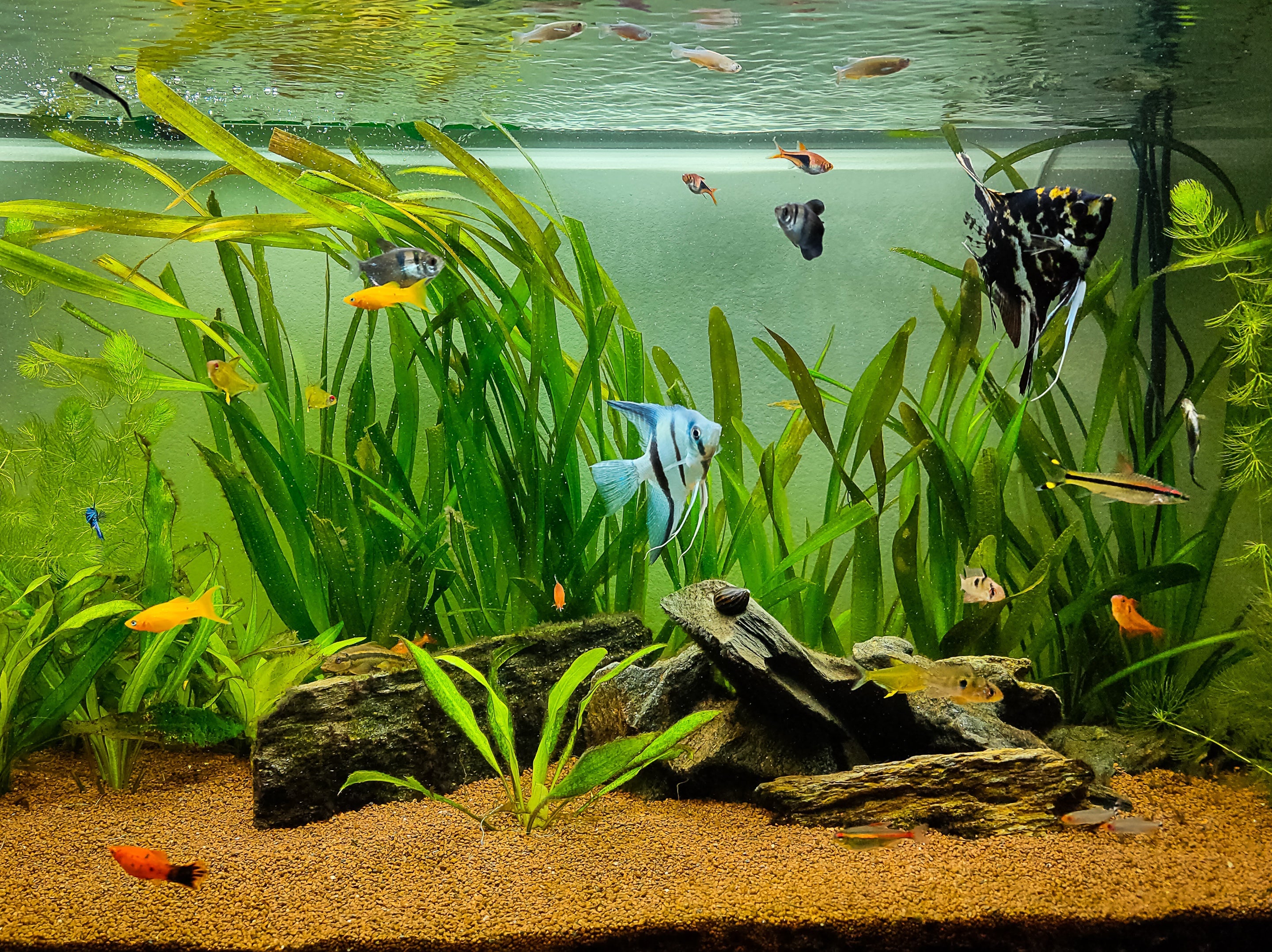
- The top layer anchors plants and keeps substrate in place
- Use gentle water flow to avoid mixing layers
Credit: splashyfishstore.com
Lighting Requirements
Setting up a fish tank with foreground plants needs proper lighting. Good light helps plants grow healthy and stay green.
Lighting affects plant growth and aquarium appearance. Choosing the right light is important for your tank.
Light Intensity And Duration
Foreground plants need medium to high light intensity. This helps them grow low and full.
Too little light makes plants grow thin and weak. Too much light can cause algae growth.
- Keep light intensity moderate, about 30-50 PAR (Photosynthetically Active Radiation)
- Provide light for 8-10 hours daily
- Use a timer to keep light consistent
Types Of Aquarium Lights
There are many types of lights for fish tanks. Each has benefits and fits different needs.
Choosing the right light helps plants grow and makes your tank look good.
- LED Lights:Energy-saving, bright, and last long. Good for most tanks.
- Fluorescent Lights:Affordable and easy to find. Works well for low to medium light plants.
- T5 High Output (HO):Bright fluorescent light. Good for tanks with high light plants.
- Metal Halide Lights:Very bright and warm. Used for deep or large tanks.
Co2 And Fertilization
Setting up a fish tank with foreground plants needs careful care. Two key factors are CO2 injection and fertilization. Both help plants grow strong and healthy.
CO2 helps plants make food through photosynthesis. Fertilizers add minerals and nutrients plants need. Together, they create a green and vibrant tank.
Benefits Of Co2 Injection
CO2 injection increases the amount of carbon dioxide in water. This boosts plant growth and leaf color. Plants absorb more nutrients with enough CO2.
- Speeds up plant growth rates
- Improves leaf color and health
- Reduces algae by helping plants outgrow it
- Supports dense and compact foreground plants
- Helps plants absorb fertilizers better
Fertilizer Types And Application
Fertilizers add needed nutrients to the tank water or substrate. Different fertilizers serve different purposes. Use the right type for your plants.
| Fertilizer Type | Main Nutrients | Application Method |
| Liquid Fertilizer | Nitrogen, Phosphorus, Potassium | Added to water column weekly |
| Root Tabs | Iron, Potassium, Trace elements | Placed in substrate near roots |
| Trace Element Mix | Iron, Manganese, Zinc | Dosed in small amounts regularly |
| CO2 Boost Fertilizer | Supports plant growth with CO2 | Used with CO2 injection systems |

Credit: www.reddit.com
Planting Techniques
Setting up a fish tank with foreground plants needs careful planning. Proper planting techniques help plants grow well and look beautiful.
Foreground plants are usually small and delicate. It is important to plant them correctly to avoid damage and ensure they thrive.
Spacing And Arrangement
Spacing is vital for plant health. Plants need room to grow and spread. Crowding can lead to poor growth.
- Plan the layout before planting.
- Use a grid pattern for even spacing.
- Leave gaps for water flow and light penetration.
Handling Delicate Plants
Delicate plants need gentle handling. Rough planting can damage roots and stems, affecting plant health.
| Tool | Purpose |
| Tweezers | Plant small stems safely |
| Scissors | Trim leaves and roots |
| Spatula | Level the substrate |
Water Parameters
Setting up a fish tank for foreground plants needs careful attention to water parameters. These conditions help plants grow healthy and strong.
Understanding the right water parameters ensures your plants thrive. Let’s explore the key factors to consider.
Ideal Ph And Hardness
The pH level affects plant growth. Most foreground plants prefer a pH of 6.5 to 7.5. This range helps plants absorb nutrients effectively.
Water hardness is also important. Soft to moderately hard water is best for these plants. Hardness between 3 to 8 dGH is ideal.
- Check pH weekly with a reliable test kit
- Adjust pH using safe methods if needed
- Monitor water hardness and use softeners if necessary
Temperature Control
Temperature affects how plants grow. Most foreground plants thrive in temperatures between 72°F to 78°F. Keeping a stable temperature is crucial.
Sudden changes in temperature can stress plants. Use a reliable aquarium heater to maintain the right temperature.
- Regularly check the water temperature
- Place the tank away from direct sunlight
- Use a heater with a thermostat for accuracy
Maintenance Tips
Keeping foreground plants healthy needs regular care. Proper maintenance helps plants grow well and stay green.
Simple habits can prevent problems like overgrowth and algae. This guide shows easy ways to care for your plants.
Trimming And Pruning
Trim plants to keep their shape and size. Pruning helps remove dead or old leaves.
Regular trimming stops plants from blocking light for others. It also helps water flow well in the tank.
- Use sharp scissors to cut plants carefully
- Cut stems above the leaf node for new growth
- Remove yellow or brown leaves to keep plants healthy
- Trim weekly or as needed to control size
Preventing Algae Growth
Algae can harm plants and make the tank look dirty. Keep algae under control for a healthy aquarium.
Good water quality and balanced light help stop algae from growing too fast.
- Change 10-20% of water weekly to reduce nutrients
- Limit tank light to 8-10 hours daily
- Avoid overfeeding fish to prevent excess waste
- Add algae-eating fish or snails for natural control
- Manually remove visible algae during maintenance
Troubleshooting Common Issues
Setting up a fish tank with foreground plants can be tricky. Sometimes plants show signs of stress that need quick action.
This guide helps you solve two common problems: yellowing leaves and plant melting. Follow these tips to keep your plants healthy.
Yellowing Leaves
Leaves turn yellow when plants lack key nutrients or light. It can also mean poor water quality or wrong tank conditions.
- Check if the tank gets enough light for at least 8 hours daily.
- Test the water for nitrates and phosphates; high levels harm plants.
- Add liquid fertilizers if nutrients are low.
- Trim yellow leaves to help new growth.
- Ensure the substrate supports root development.
Plant Melting
Plant melting means leaves and stems dissolve or become mushy. This usually happens after changing water or moving plants.
| Cause | Solution |
| Sudden water changes | Change water slowly over several days |
| Temperature shock | Keep tank temperature steady between 72-78°F (22-26°C) |
| Poor water quality | Perform regular water tests and partial water changes |
| Lack of CO2 | Use a CO2 system or add liquid carbon supplements |
| Old or damaged plants | Remove melted parts and replant healthy stems |
Credit: www.pond-planet.co.uk
Frequently Asked Questions
What Are The Best Foreground Plants For Fish Tanks?
The best foreground plants are low-growing and carpet-forming. Examples include Java Moss, Dwarf Hairgrass, and Anubias Nana. These plants thrive in low to medium light and provide excellent aesthetics and oxygenation for your tank.
How Do I Prepare Substrate For Foreground Plants?
Use a nutrient-rich substrate like aqua soil or fine gravel. Layer it about 1-2 inches deep to support root growth. Avoid compacting the substrate to allow water circulation and healthy plant roots.
How Much Light Do Foreground Plants Need In Tanks?
Foreground plants usually require moderate to high light levels. Aim for 8-10 hours of light daily. Using LED lights designed for planted tanks enhances plant growth and vibrant green color.
Can I Use Fertilizers For Foreground Aquarium Plants?
Yes, liquid or root-tab fertilizers boost nutrient availability. Use fertilizers specially formulated for aquatic plants. Follow dosage instructions carefully to avoid algae growth and maintain balanced water conditions.
Conclusion
Setting up a fish tank with foreground plants brings life and beauty. These plants create a natural look and provide hiding spots for fish. Choose the right plants that stay small and grow slowly. Use good lighting and clean substrate for healthy growth.
Regular care helps keep plants green and vibrant. A well-planted foreground makes your aquarium more peaceful and interesting. Enjoy watching your fish swim among the lush greenery every day. Simple steps lead to a stunning tank that anyone can create.