
Setting up a fish tank can feel overwhelming, especially if you worry about constant cleaning and upkeep. What if your tank could stay beautiful and healthy with less effort?
Imagine enjoying your colorful underwater world without the stress of complicated maintenance. In this guide, you’ll discover simple, smart ways to set up your fish tank so it stays clean and thriving with ease. Ready to make your fish tank a hassle-free centerpiece?
Let’s dive in and transform your aquarium experience.
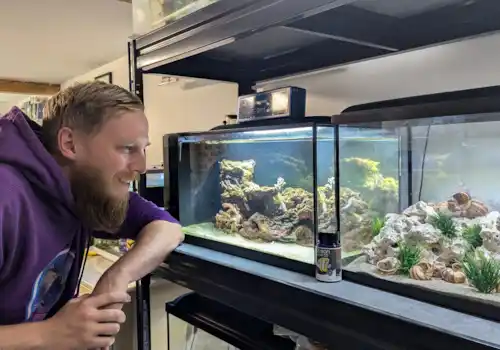
Credit: www.practicalfishkeeping.co.uk
Choosing The Right Tank
Setting up a fish tank starts with picking the right tank. The tank size, material, and placement affect how easy it is to maintain.
This guide helps you choose a tank that fits your space and skill level, making tank care simple and enjoyable.
Ideal Size For Beginners
Beginners should choose a tank that is not too big or too small. A tank between 10 and 20 gallons works well. It is easier to keep water conditions stable in this size.
- A 10-gallon tank is compact and fits small spaces.
- A 20-gallon tank offers more room for fish and plants.
- Larger tanks need more equipment and effort.
- Smaller tanks may require daily care.
Material Options
| Material | Pros | Cons |
| Glass | Clear view, scratch-resistant | Heavier, can break |
| Acrylic | Lighter, shatter-resistant | Scratches easily |
Glass tanks are classic and sturdy. Acrylic tanks weigh less and resist cracking. Choose based on your needs and budget.
Placement Tips
Place your tank where it is easy to reach and away from direct sunlight. Avoid spots near heaters or air conditioners.
- Keep the tank on a strong, level surface
- Choose a low-traffic area to reduce stress on fish
- Ensure power outlets are nearby for equipment
- Leave space around the tank for cleaning

Credit: www.reddit.com
Selecting Low-maintenance Fish
Choosing fish that require little care helps keep your tank clean. It also saves time and effort on daily tasks.
Low-maintenance fish are great for beginners or busy owners. They adapt well and stay healthy with simple care.
Hardy Species
Hardy fish survive in many water conditions and resist diseases. They need less attention than sensitive species.
Popular hardy fish include guppies, mollies, and platies. These fish tolerate changes in temperature and water quality.
- Guppies: colorful and active
- Mollies: peaceful and easy to feed
- Platies: friendly and adaptable
- Zebra danios: very tough and fast
Compatibility Considerations
Choose fish that live well together to avoid stress and fights. Peaceful species make tank care easier.
Avoid mixing aggressive fish with calm ones. Group fish with similar sizes and behaviors for harmony.
- Keep community fish like tetras and guppies
- Do not mix large fish with small fish
- Research fish temperament before buying
- Provide hiding spots to reduce stress
Feeding Habits
Select fish that eat common foods and do not need special diets. This reduces feeding mistakes and waste.
Feed fish small amounts once or twice a day. Overfeeding causes water problems and extra cleaning.
- Choose fish that eat flakes or pellets
- Use frozen or live food sparingly
- Feed only what fish consume quickly
- Remove uneaten food to keep water clean
Essential Equipment
Setting up a fish tank requires the right tools to keep it clean and healthy. Proper equipment helps maintain water quality and comfort for your fish.
This guide covers key equipment that makes tank care easier and keeps your fish happy.
Filters That Simplify Cleaning
Filters remove waste and debris from the water. They stop harmful substances from building up. Using the right filter helps reduce cleaning time.
- Mechanical filters trap particles like fish waste and uneaten food.
- Biological filters use beneficial bacteria to break down harmful chemicals.
- Chemical filters remove toxins and odors with activated carbon or other materials.
- Choose a filter with a flow rate fit for your tank size.
Heaters And Thermometers
Most tropical fish need stable water temperatures. Heaters keep the tank warm, while thermometers help you check the temperature easily.
| Equipment | Purpose | Tip |
| Heater | Maintains warm water | Pick one with adjustable settings |
| Thermometer | Shows water temperature | Use digital or stick-on types |
Lighting Choices
Good lighting helps fish show their colors and supports plant growth. It also makes your tank look nice. Choose lights that fit your tank’s needs.
- LED lights use less energy and last longer.
- Fluorescent lights work well for planted tanks.
- Set a timer to keep a consistent light schedule.
Setting Up The Aquarium
Setting up your fish tank correctly makes cleaning easier. A well-planned aquarium keeps fish healthy and happy.
Focus on choosing the right substrate, decorations, and water treatment. These help keep maintenance simple and effective.
Substrate Selection
Pick a substrate that is easy to clean and suits your fish. Fine gravel or sand works well. Avoid sharp edges that can hurt fish.
- Choose smooth, rounded gravel or sand
- Avoid substrates that trap too much waste
- Consider color to hide dirt between cleanings
- Rinse substrate thoroughly before adding it
Decorations For Easy Cleaning
Use simple decorations that do not trap debris. Plastic or ceramic items are good choices. Live plants help oxygenate water and reduce algae.
| Type | Cleaning Ease | Fish Safety |
|---|---|---|
| Plastic Ornaments | Easy to wipe and rinse | Safe if smooth and free of sharp edges |
| Ceramic Decorations | Washable and durable | Safe and natural-looking |
| Live Plants | Requires trimming and care | Beneficial for fish health |
| Wood Pieces | Needs soaking and scrubbing | Can release tannins; monitor water |
Water Conditioning
Prepare tap water before adding it to the tank. Remove chlorine and harmful chemicals. Check temperature and pH levels for your fish species.
- Use water conditioner to remove chlorine and chloramine
- Test water pH and hardness regularly
- Keep water temperature steady and suitable for fish
- Change 10-20% of water weekly to keep it clean
Routine Maintenance Tips
Keeping your fish tank clean helps fish stay healthy. Routine care makes your tank look good and work well.
Simple steps done regularly prevent problems and keep the water safe for fish and plants.
Efficient Water Changes
Change part of the water often to remove waste and toxins. This keeps the tank clean without stressing the fish.
Use a siphon to take water from the bottom and clean the gravel at the same time.
- Change 10-20% of water each week
- Use dechlorinated water to refill
- Check water temperature before adding
- Remove uneaten food and debris first
Cleaning Techniques
Clean tank walls and decorations to stop algae buildup. Use soft tools to avoid damage.
Do not clean all parts at once. Clean filters and plants carefully to keep beneficial bacteria alive.
- Use algae scrubbers or pads for tank walls
- Rinse filter media in tank water only
- Clean decorations gently with a brush
- Remove dead plant leaves regularly
Monitoring Water Quality
Test water often to keep safe levels of ammonia, nitrites, and nitrates. Good water means healthy fish.
Use simple test kits and write down results to track changes over time.
- Check pH level weekly
- Test ammonia and nitrite after water changes
- Keep nitrate levels low by regular cleaning
- Adjust conditions if test results are off
Preventing Common Issues
Setting up a fish tank can be fun, but it requires proper care. Proper setup helps avoid common problems. This guide will focus on preventing algae, diseases, and managing waste in fish tanks.
Algae Control
Algae can make fish tanks look dirty. It grows when there is too much light or nutrients. Control it by managing light and cleaning regularly.
- Limit light exposure to 8 hours a day
- Clean the tank walls weekly
- Use algae-eating fish for natural control
Disease Prevention
Fish can get sick if the tank conditions are poor. Keeping the water clean and balanced helps prevent diseases. Quarantine new fish before adding them to the tank.
- Test water quality weekly
- Maintain proper temperature and pH levels
- Isolate sick fish promptly
Managing Waste
Fish waste can build up quickly. This makes the tank dirty and unhealthy. Regular cleaning and the right equipment keep waste under control.
- Use a good filter to remove debris
- Perform partial water changes weekly
- Avoid overfeeding to reduce waste
Automation For Convenience
Setting up a fish tank can be fun and relaxing. Automation makes it easier to maintain.
Using the right tools, you can keep your fish happy and healthy with less effort.
Automatic Feeders
Automatic feeders help ensure your fish are fed at the right time each day.
- Set feeding times to match your fish’s schedule
- Prevent overfeeding by controlling portion sizes
- Ideal for when you are on vacation or busy
Timers For Lighting And Equipment
Timers can control lights and other equipment in your fish tank.
| Equipment | Recommended Timing |
| Lights | 10-12 hours per day |
| Heater | 24 hours (constant) |
| Filters | 24 hours (constant) |
Smart Monitoring Systems
Smart monitoring systems track water conditions and alert you to changes.
These systems monitor temperature, pH levels, and other vital stats.
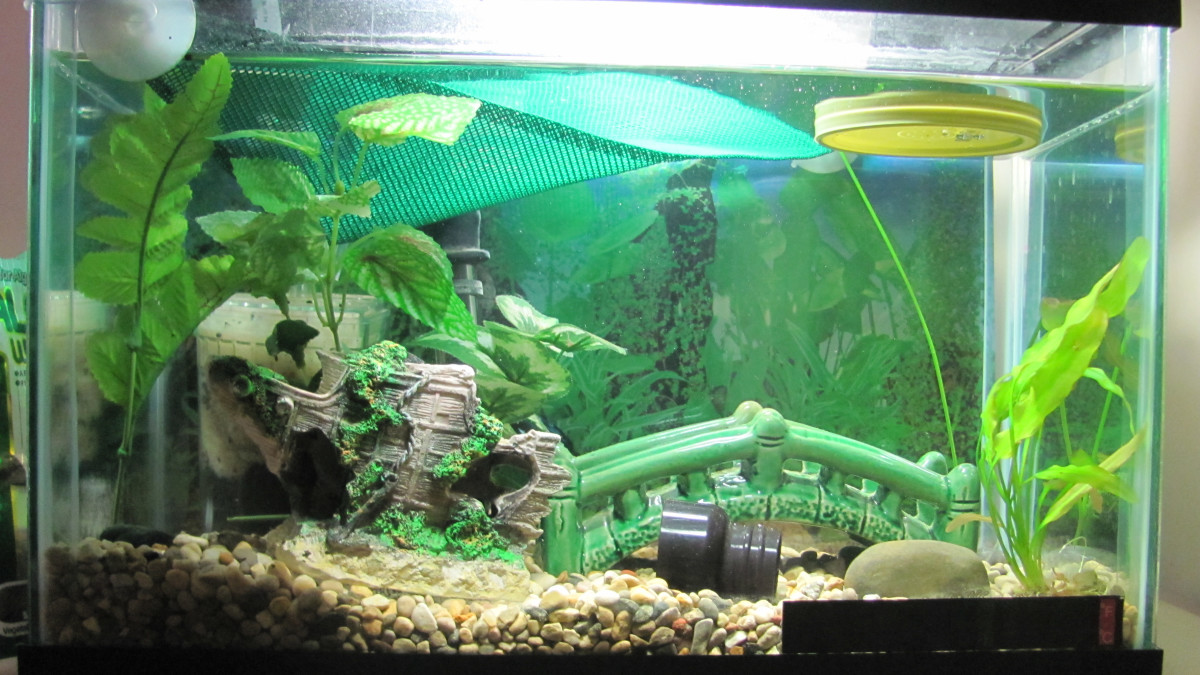
Credit: pethelpful.com
Frequently Asked Questions
How To Choose The Best Fish Tank For Easy Maintenance?
Select a tank size suitable for your space and fish type. Choose materials like glass or acrylic for durability. Consider tanks with built-in filtration and easy access for cleaning.
What Equipment Ensures Low-maintenance Fish Tanks?
Use efficient filters, heaters, and LED lighting. Opt for automatic feeders and water testing kits. These tools help maintain water quality with minimal effort.
How Often Should I Clean My Fish Tank?
Clean the tank partially every 1-2 weeks. Replace 10-20% of water during each cleaning. Avoid deep cleaning too often to protect beneficial bacteria.
Which Fish Species Require Minimal Tank Maintenance?
Betta fish, guppies, and zebra danios are easy to care for. They adapt well to various water conditions and need less frequent cleaning.
Conclusion
Setting up a fish tank for easy maintenance saves time and effort. Choose simple equipment and keep the tank clean regularly. Healthy fish need a balanced environment and fresh water. Use filters and plants to help keep the water clear.
Regular checks prevent problems before they start. A well-planned tank makes fish care less stressful. Enjoy watching your fish grow in a neat, calm space. Simple steps lead to a happy, easy-to-manage aquarium. Your fish will thank you with bright colors and lively swimming.