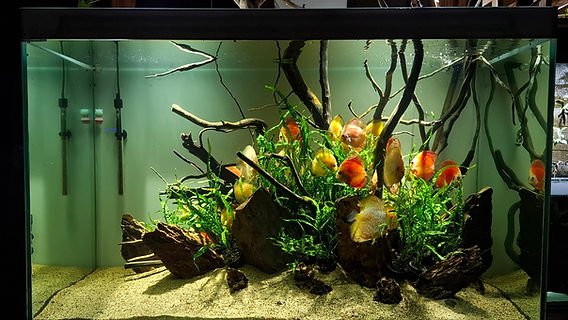
Setting up a fish tank can feel overwhelming, especially if you want low-maintenance fish that fit your busy lifestyle. But what if you could create a beautiful, thriving aquarium without spending hours on care every week?
This guide will show you exactly how to set up a fish tank perfect for easy-care fish, so you enjoy the calming beauty of underwater life without the hassle. Keep reading, and you’ll discover simple steps that make fishkeeping fun and stress-free—whether you’re a beginner or just want a hassle-free tank.
Your perfect, low-maintenance aquarium is closer than you think.

Credit: www.reddit.com
Choosing The Right Tank
Setting up a fish tank for easy-care fish starts with picking the right tank. The tank size, materials, and location affect fish health and maintenance.
This guide helps you choose the best tank to keep your fish safe and happy.
Ideal Tank Size
Choose a tank size that fits the number and size of your fish. Bigger tanks give fish more space to swim and help keep water stable.
- Small tanks (5-10 gallons) suit a few small fish.
- Medium tanks (20-30 gallons) work for more fish or larger breeds.
- Large tanks (50+ gallons) provide a stable environment for many fish.
Material Options
Fish tanks usually come in glass or acrylic. Each material has pros and cons to consider.
| Material | Pros | Cons |
| Glass | Scratch resistant, clear view | Heavier, can break |
| Acrylic | Lighter, stronger, better insulation | Scratches easily, can yellow over time |
Location Tips
Place your tank where fish can thrive and you can enjoy it. Avoid spots with direct sunlight and temperature changes.
- Keep the tank away from windows and heaters.
- Choose a flat, sturdy surface to support tank weight.
- Ensure easy access for feeding and cleaning.
- Place near an electrical outlet for equipment.
Selecting Easy-care Fish
Choosing the right fish is key for a simple and enjoyable aquarium. Easy-care fish need less attention and adapt well to common tank conditions.
Learn about popular beginner species, how to mix fish safely, and their feeding needs. This helps keep your fish healthy and your tank balanced.
Top Beginner Species
Some fish are perfect for new aquarists because they are hardy and peaceful. These species tolerate a wide range of water conditions and are easy to feed.
- Guppies: Small, colorful, and active fish that breed easily.
- Platies: Peaceful fish that come in many bright colors.
- Betta Fish: Vibrant and low-maintenance, best kept alone.
- Zebra Danios: Fast swimmers that thrive in groups.
- Neon Tetras: Small schooling fish with striking blue and red stripes.
Compatibility Considerations
Not all fish get along. Some may fight or stress each other. Choose species that live peacefully together to avoid problems.
| Fish Species | Temperament | Tank Size Needed |
| Guppy | Peaceful | 10 gallons |
| Betta | Aggressive to males | 5 gallons |
| Zebra Danio | Active and social | 15 gallons |
| Neon Tetra | Peaceful schooling | 10 gallons |
| Platy | Peaceful | 10 gallons |
Feeding Habits
Different fish eat different foods. Feeding the right diet helps keep fish healthy and active. Most easy-care fish accept flakes or pellets.
| Fish | Preferred Food | Feeding Frequency |
|---|---|---|
| Guppy | Flakes, frozen | 2 times daily |
| Betta | Pellets, live food | Once daily |
| Zebra Danio | Flakes, small pellets | 2 times daily |
| Neon Tetra | Flakes, micro pellets | 2 times daily |
| Platy | Flakes, vegetables | 2 times daily |
Setting Up Filtration
Filtration is key to keeping fish tanks clean and healthy. It removes waste and harmful substances from the water.
Good filtration helps easy-care fish stay happy and live longer. Choose the right filter and maintain it well.
Filter Types
There are several types of filters for fish tanks. Each works differently to clean the water.
Choose a filter that fits your tank size and fish needs. Some filters are better for beginners.
- Hang-on-back (HOB) filters:Easy to use and clean. Hang on the tank’s back.
- Canister filters:Powerful and quiet. Good for larger tanks.
- Internal filters:Placed inside the tank. Suitable for small tanks.
- Sponge filters:Gentle water flow. Best for small or fry tanks.
Maintenance Tips
Regular cleaning keeps the filter working well. Dirty filters can harm your fish.
Check and clean the filter parts every 2 to 4 weeks. Replace filter media as needed.
- Rinse filter sponges in tank water to keep beneficial bacteria.
- Do not use soap or chemicals to clean filter parts.
- Watch for slow water flow, which means cleaning is needed.
- Keep the filter running all the time for steady water flow.
Ensuring Water Quality
Good water quality is vital for easy-care fish health. Filtration helps keep water clear and safe.
Test water regularly for ammonia, nitrites, and nitrates. These chemicals affect fish health.
- Perform partial water changes weekly to remove toxins.
- Keep the tank temperature stable for your fish species.
- Use a water conditioner to remove chlorine and chloramine.
- Avoid overfeeding to reduce waste buildup.

Credit: jungleaquatics.com
Maintaining Water Parameters
Keeping water conditions steady is key for easy-care fish. Good water quality helps fish stay healthy and active.
Watch the water parameters closely. This keeps the tank safe and comfortable for your fish.
Temperature Control
Most easy-care fish prefer a stable temperature. Use a heater to keep the water warm if needed. Avoid sudden temperature changes.
- Check the temperature daily with a reliable thermometer.
- Keep the temperature between 72°F and 78°F (22°C to 26°C) for most species.
- Place the heater where water flows well for even heat.
- Turn off the heater during water changes to avoid shocks.
Ph And Hardness
pH shows how acidic or basic the water is. Hardness tells how many minerals the water holds. Both affect fish health.
| Parameter | Ideal Range | Effect on Fish |
| pH | 6.5 – 7.5 | Good for most easy-care fish |
| General Hardness (GH) | 4 – 12 dGH | Supports fish metabolism |
| Carbonate Hardness (KH) | 3 – 8 dKH | Keeps pH stable |
Use test kits to check pH and hardness weekly. Adjust water if readings are outside the ideal range.
Regular Testing
Test water often to catch problems early. Test kits measure ammonia, nitrite, and nitrate levels. These affect fish health.
- Test ammonia weekly; it should be 0 ppm.
- Check nitrites; keep at 0 ppm.
- Measure nitrates; keep below 20 ppm.
- Record results to track changes over time.
- Do partial water changes if levels rise too high.
Decorating For Comfort
Setting up a fish tank for easy-care fish involves thoughtful decoration. This helps create a comfortable environment. Fish feel safe and less stressed when their home is well-decorated.
Fish need spaces to explore and hide. This keeps them active and healthy. Here are some ways to decorate for their comfort.
Substrate Choices
Choosing the right substrate is important. It affects water quality and fish comfort. Gravel and sand are common choices.
- Gravel: Easy to clean and comes in various colors.
- Sand: Soft for bottom-dwellers, but needs careful cleaning.
- Aquarium soil: Great for planted tanks, enhances plant growth.
Plants And Hiding Spots
Plants provide oxygen and hiding spots. They make the tank look natural. Live plants are best but require care.
Safe Decorations
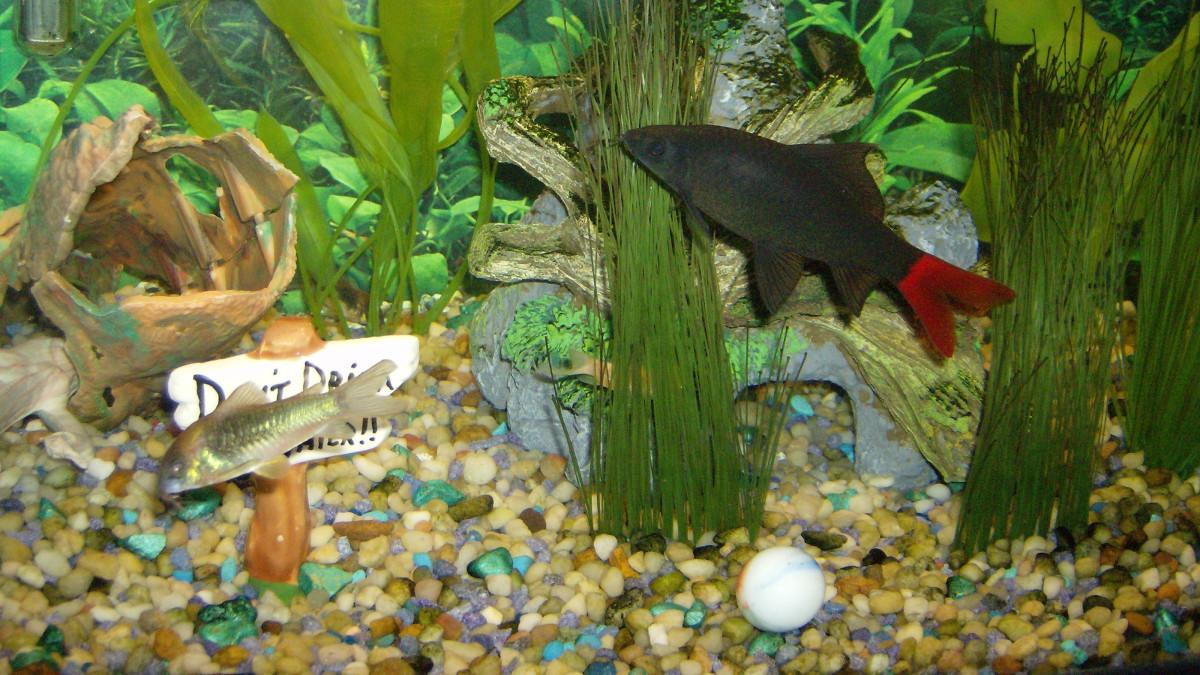
Safe decorations include rocks, caves, and driftwood. These offer places to explore and hide. Ensure all items are aquarium-safe.
| Decoration | Benefit |
| Rocks | Provide hiding spots |
| Caves | Offer secure resting areas |
| Driftwood | Natural appearance, tannins for water |
Credit: pethelpful.com
Routine Care Practices
Setting up a fish tank for easy-care fish is just the start. Regular care keeps fish healthy and happy.
Routine care includes cleaning, feeding, and watching fish health closely. These tasks keep the tank safe.
Cleaning Schedule
Clean the tank regularly to keep the water fresh. Remove leftover food and waste to stop harmful buildup.
Change about 10-20% of the water weekly. Use a gravel vacuum to clean the bottom without harming fish.
- Remove algae from glass and decorations
- Clean filter parts monthly without soap
- Check water temperature and pH weekly
Feeding Routine
Feed fish once or twice a day. Give only as much food as they can eat in 2-3 minutes.
Use high-quality fish food made for easy-care fish. Avoid overfeeding to prevent water pollution.
- Feed small amounts to reduce waste
- Remove uneaten food after feeding
- Offer varied food like flakes and pellets
Monitoring Fish Health
Watch fish daily for signs of illness or stress. Look for changes in behavior, color, or appetite.
Keep a log of any unusual signs. Early detection helps treat problems before they get worse.
- Check for clamped fins or spots
- Look for quick breathing or hiding
- Note if fish stop eating
Frequently Asked Questions
What Is The Best Tank Size For Easy-care Fish?
A 10 to 20-gallon tank is ideal for most easy-care fish. It provides enough space for swimming and stable water conditions. Larger tanks reduce maintenance and stress on fish. Always avoid overcrowding to keep fish healthy and happy.
How Often Should I Clean An Easy-care Fish Tank?
Clean your fish tank every 2 to 4 weeks. Partial water changes of 20-30% help maintain water quality. Remove uneaten food and debris regularly. Consistent cleaning prevents harmful toxin buildup and keeps fish healthy.
What Type Of Filter Is Best For Beginner Fish Tanks?
A sponge or hang-on-back filter works best for beginners. These filters are easy to install and maintain. They provide good biological and mechanical filtration. Reliable filtration keeps water clear and fish stress-free.
Which Plants Are Suitable For Easy-care Fish Tanks?
Low-maintenance plants like Java fern, Anubias, and Amazon sword are perfect. They require minimal light and care. Live plants improve water quality and provide hiding spots. Adding plants creates a natural and healthy environment.
Conclusion
Setting up a fish tank for easy-care fish can be simple and fun. Choose the right tank size and equipment for your fish. Keep the water clean and change it regularly. Add decorations that provide hiding spots and reduce stress.
Feed your fish the right amount and type of food. Watch your fish often to catch any problems early. Enjoy the calm and beauty your fish bring to your space. With a little effort, your fish will stay healthy and happy.
A well-planned tank makes fish care easy and rewarding.