
Are you ready to transform your fish tank into a lush underwater garden? Setting up a tank for carpeting plants can seem tricky, but with the right steps, you can create a vibrant, green carpet that brings your aquarium to life.
Imagine your fish swimming above a soft, green floor that looks natural and stunning. In this guide, you’ll discover simple tips and tricks to make your carpeting plants thrive. Keep reading, and you’ll soon have a beautiful, healthy tank that’s sure to impress.

Credit: www.horizonaquatics.co.uk
Choosing The Right Tank
Setting up a fish tank for carpeting plants needs careful planning. The right tank helps plants grow well and look healthy.
Choosing the right tank size, material, and place will support your aquatic plants. This guide explains what to consider.
Size And Shape Considerations
Carpeting plants need enough space to spread and grow. A wide tank helps plants get light and room.
Shallow tanks are better than tall ones for these plants. They let light reach the bottom easily.
- Choose a tank at least 20 gallons for good coverage
- Look for tanks with a large footprint (wide base)
- Avoid very tall tanks that block light at the bottom
Material Options
Most tanks are made from glass or acrylic. Both work but have different features for plants.
Glass is heavy and scratch-resistant. Acrylic is lighter and clearer but scratches easily.
- Glass tanks are durable and easy to clean
- Acrylic tanks are lighter and better for large sizes
- Choose clear materials to help plants get enough light
Placement Tips
Place your tank where it gets steady light without direct sunlight. Too much sun can cause algae growth.
Keep the tank away from heaters and air vents. Stable temperature helps plants grow strong.
- Choose a spot with good, indirect light
- Avoid direct sunlight to limit algae
- Keep the tank on a sturdy, level surface
- Ensure easy access for maintenance and water changes
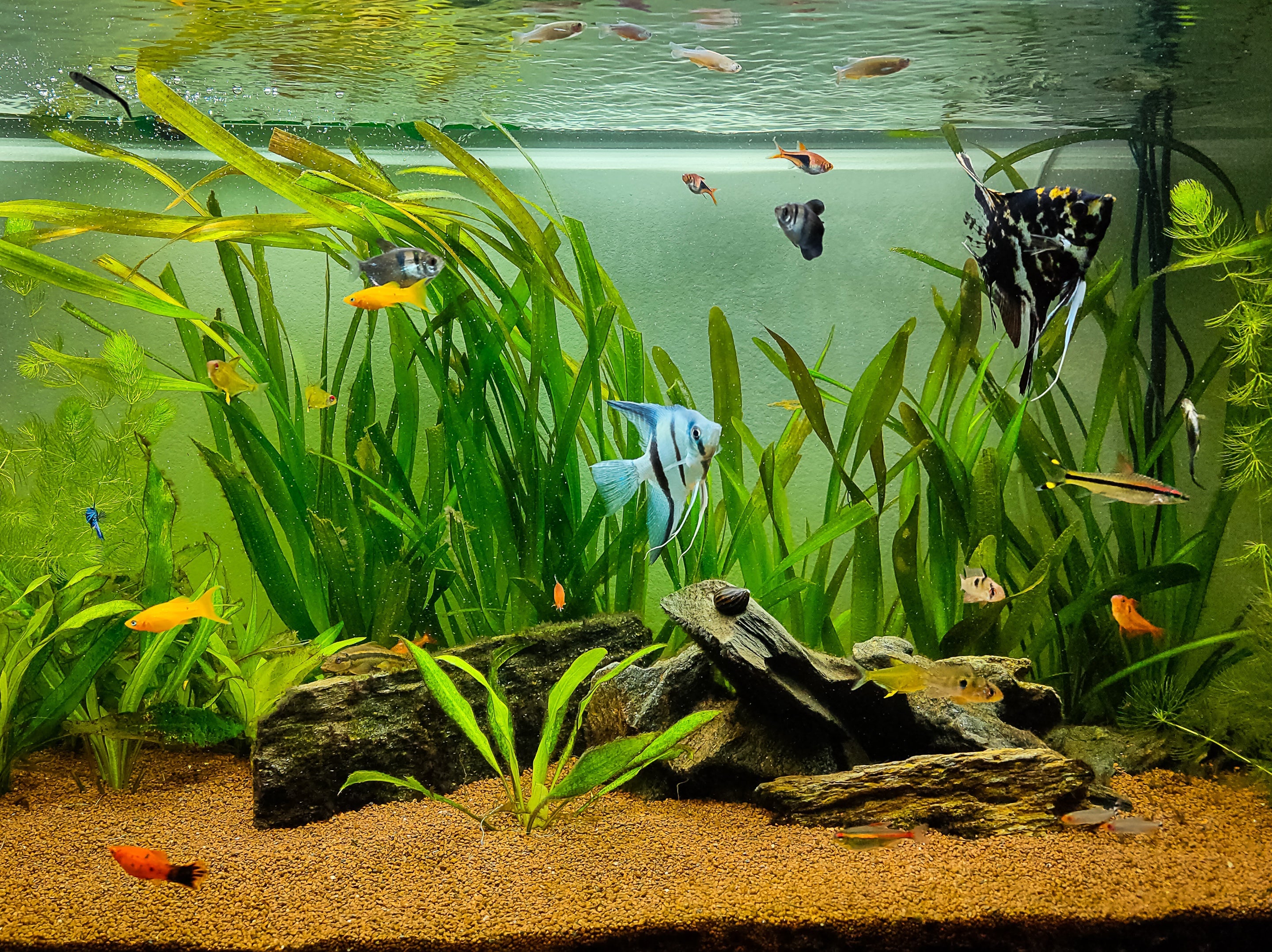
Credit: splashyfishstore.com
Selecting Suitable Carpeting Plants
Choosing the right carpeting plants is key for a healthy fish tank. These plants cover the tank floor and create a natural look.
Each plant type has unique needs and works best with certain fish. Learning about these helps you pick the best fit.
Popular Species
- Dwarf Hairgrass (Eleocharis parvula) – thin grass-like leaves, easy to grow.
- Java Moss (Taxiphyllum barbieri) – fast-growing and low light tolerant.
- Glossostigma (Glossostigma elatinoides) – small leaves, needs high light.
- Baby Tears (Hemianthus callitrichoides) – dense, bright green carpet.
- Monte Carlo (Micranthemum tweediei) – hardy and fast-spreading.
Growth Requirements
| Plant | Light | CO2 | Substrate | Growth Speed |
|---|---|---|---|---|
| Dwarf Hairgrass | Medium | Optional | Sandy | Moderate |
| Java Moss | Low | No | Any | Fast |
| Glossostigma | High | Yes | Fine | Fast |
| Baby Tears | High | Yes | Fine | Moderate |
| Monte Carlo | Medium | Yes | Fine | Moderate |
Compatibility With Fish
Not all fish live well with carpeting plants. Some fish may uproot or eat them.
- Small peaceful fish like tetras and rasboras are good choices.
- Shrimp help keep plants clean and do not harm them.
- Avoid digging fish like goldfish or cichlids.
- Snails are safe and can help with algae control.
Preparing The Substrate
Setting up a fish tank with carpeting plants starts with preparing the right substrate. The substrate supports plant roots and helps keep the plants healthy.
Good substrate preparation makes it easier for plants to grow and spread evenly across the tank floor.
Types Of Substrate
There are several substrate types to choose from for carpeting plants. Each type affects how plants grow and how easy it is to maintain the tank.
Choosing the right substrate depends on your plant type and tank conditions.
- Aquarium soil: Rich in nutrients and good for root growth
- Sand: Fine grains, easy for roots to spread but low in nutrients
- Gravel: Larger particles, good for water flow but may need added nutrients
- Clay-based substrates: Help hold nutrients and support roots well
Layering Techniques
Layering the substrate helps provide nutrients and stability for plants. A proper layer setup supports healthy root systems.
Use different layers to balance nutrients and keep the substrate stable over time.
- Start with a nutrient-rich base layer to feed the plants
- Add a middle layer of fine substrate for root support
- Top with a thin layer of sand or fine gravel to keep everything in place
Nutrient Enrichment
Carpeting plants need nutrients in the substrate to grow thick and green. Adding nutrients helps roots absorb what they need.
You can enrich the substrate with special additives or natural materials that release nutrients slowly.
- Use root tabs or nutrient pellets placed in the substrate
- Add organic materials like peat or composted soil
- Choose substrates that contain minerals like iron and potassium
Lighting Needs
Setting up a fish tank with carpeting plants requires the right lighting. Proper lighting helps plants grow well and stay healthy.
Understanding the lighting needs is important for a successful aquarium. Let’s explore the key aspects of lighting for your tank.
Light Intensity
Light intensity is crucial for carpeting plants. They need enough light to photosynthesize efficiently. Too little light can hinder their growth.
| Plant Type | Light Intensity (PAR) |
| Carpeting Plants | 30-50 |
| Low Light Plants | 10-20 |
| Medium Light Plants | 20-40 |
Duration And Scheduling
The duration of lighting affects plant health. Carpeting plants benefit from a consistent light schedule. Aim for 8-10 hours of light daily.
- Morning: Turn on lights at 8 AM.
- Evening: Turn off lights at 6 PM.
Best Light Fixtures
Choosing the right light fixtures is essential. LED lights are energy-efficient and provide good intensity for plant growth.
- LED Lights: Long-lasting and bright.
- Fluorescent Lights: Suitable for smaller tanks.
- Metal Halide: Ideal for deep tanks.
Water Parameters
Setting up a fish tank for carpeting plants needs careful attention to water parameters. These parameters ensure plants grow healthy and vibrant.
Key factors include temperature, pH, and filtration systems. Each plays a vital role in plant growth.
Temperature Control
Temperature affects plant and fish health in the tank. Carpeting plants usually thrive in water temperatures between 72 and 82 degrees Fahrenheit.
Use a reliable aquarium heater to maintain consistent water temperature. Check the temperature regularly to ensure stability.
- Set temperature between 72-82°F
- Use a reliable heater
- Check temperature daily
Ph And Hardness Levels
pH levels affect nutrient absorption in plants. Carpeting plants prefer a pH range of 6.5 to 7.5.
Water hardness should be soft to moderately hard. This helps plants absorb minerals efficiently.
- Keep pH between 6.5-7.5
- Monitor water hardness
- Adjust levels using water conditioners
Filtration Systems
Filtration is crucial for a healthy fish tank. It removes waste and keeps water clear for plant growth.
Choose a filter that suits your tank size. Ensure it provides mechanical, chemical, and biological filtration.
- Pick a filter for your tank size
- Ensure three types of filtration
- Clean filter regularly

Credit: www.reddit.com
Planting Techniques
Setting up a fish tank with carpeting plants needs good planting skills. Proper techniques help plants grow evenly and look nice.
Carpeting plants cover the tank floor like grass. You must plant them carefully to get a green carpet effect.
Spacing And Arrangement
Space plants correctly to let them spread and grow well. Too close means less light and slow growth. Too far means gaps in the carpet.
Arrange plants in small groups or rows to create a natural look. Start with fewer plants and add more as they grow.
- Leave 1-2 inches between plants
- Plant in clusters for quick coverage
- Use the front of the tank for low plants
Anchoring Methods
Anchoring keeps plants in place until roots grow. Use gentle ways to avoid damaging delicate plants.
Small weights or planting tools help keep plants steady. Avoid pushing too deep in the substrate to protect roots.
- Use tweezers for precise planting
- Place tiny stones on plants if needed
- Choose soft substrate for easy root growth
Avoiding Common Mistakes
Do not plant too deep or cover leaves with substrate. This can cause plants to rot and die.
Avoid overcrowding plants. It stops water flow and can cause algae problems.
- Plant shallow to keep roots safe
- Give enough space for water to move
- Check plants often for health
Maintenance And Care
Carpeting plants need regular care to stay healthy and look good. Proper maintenance helps them grow evenly and cover the tank floor.
Good care includes trimming, fertilizing, and controlling algae. These steps keep the plants strong and the tank clean.
Trimming And Pruning
Trim your carpeting plants to stop them from growing too tall or thick. Pruning helps new shoots grow and keeps the carpet dense.
Use sharp scissors to cut the top leaves. Avoid removing too much at once to prevent stress.
- Trim every 1-2 weeks
- Cut no more than one-third of the plant
- Remove dead or yellow leaves
Fertilizing Schedule
Carpeting plants need nutrients to grow well. Use liquid or root fertilizers to provide essential minerals.
Feed plants regularly but do not over-fertilize. Too much fertilizer can cause algae and harm fish.
- Fertilize once or twice a week
- Use root tabs for nutrient-poor substrate
- Follow product instructions for dosage
Algae Control
Algae can cover carpeting plants and block light. Keep algae under control to protect your plants.
Maintain good water quality and avoid excess nutrients. Adding algae-eating fish or snails can help reduce algae.
- Change 25% of water weekly
- Control light exposure, 8-10 hours daily
- Add algae-eating tank mates
- Remove visible algae manually
Troubleshooting Growth Issues
Carpeting plants in your fish tank need good care to grow well. Sometimes, they face problems that stop their growth.
This guide helps you find common problems and fix them to keep your plants healthy.
Identifying Nutrient Deficiencies
Plants need nutrients like nitrogen, iron, and potassium. Lack of these causes slow growth and yellow leaves.
| Nutrient | Signs of Deficiency | Fix |
| Nitrogen | Yellow leaves, slow growth | Add nitrogen-rich fertilizer |
| Iron | Yellow leaves with green veins | Use iron supplements or chelates |
| Potassium | Brown leaf edges, holes | Apply potassium fertilizer |
Dealing With Plant Meltdown
Plant meltdown happens when plants lose leaves fast or turn brown. It often shows stress or poor conditions.
- Check water quality for high ammonia or nitrite
- Reduce strong water currents that damage plants
- Remove dead leaves to avoid decay
- Trim plants gently to help regrow
Adjusting Environmental Factors
Light, temperature, and CO2 affect plant health. Wrong settings stop growth and cause leaf loss.
- Keep light 8 to 10 hours daily with moderate brightness
- Maintain water temperature between 72°F and 78°F (22°C to 26°C)
- Ensure stable CO2 levels around 15 to 30 ppm
- Test water regularly to keep pH near 6.5 to 7.0
Frequently Asked Questions
What Are The Best Substrate Options For Carpeting Plants?
Carpeting plants thrive in nutrient-rich, fine substrates like aqua soil or sand. These substrates promote root growth and nutrient absorption, ensuring healthy plant development and a lush carpet effect in your fish tank.
How Much Light Do Carpeting Plants Need Daily?
Carpeting plants generally require 8 to 10 hours of moderate to high light daily. Consistent lighting helps photosynthesis, encouraging dense, even growth and preventing algae buildup in your aquarium.
Do Carpeting Plants Need Co2 Injection?
Yes, CO2 injection greatly benefits carpeting plants. It enhances growth rate, color vibrancy, and overall health, leading to a thick, green carpet. However, low-tech tanks can survive with slower growth and careful maintenance.
How Often Should I Trim Carpeting Plants?
Trim carpeting plants every 1 to 2 weeks to maintain shape and encourage horizontal growth. Regular trimming prevents overgrowth, promotes healthy spreading, and keeps the tank visually appealing.
Conclusion
Setting up a fish tank for carpeting plants takes patience and care. Choose the right substrate and lighting for healthy growth. Keep water clean and stable to help plants thrive. Regular trimming keeps the carpet neat and full. Watch your tank transform with lush green carpets.
Enjoy the peaceful beauty of your planted aquarium. Small steps lead to a vibrant underwater garden. Try these tips and see your tank flourish.