
Are you struggling to find the right food for your peaceful fish? Feeding your calm aquatic friends the right diet is key to keeping them healthy and happy.
Choosing the wrong food can cause stress, illness, or even aggression in your tank. But don’t worry—this guide will help you understand exactly what your peaceful species need to thrive. Keep reading to discover simple tips and expert advice that will make your fish glow with vitality and keep your aquarium a tranquil oasis.
Choosing Food For Peaceful Fish
Peaceful fish need the right food to stay healthy and happy. Choosing the right diet helps them grow and live longer.
It is important to select food that matches their gentle nature and nutritional needs.
Types Of Fish Food
There are many types of fish food available. Each type suits different fish and tank conditions.
Common types include flakes, pellets, frozen, and live food. Flakes and pellets are easy to use and store.
- Flakes: Thin, float on water surface, good for small peaceful fish
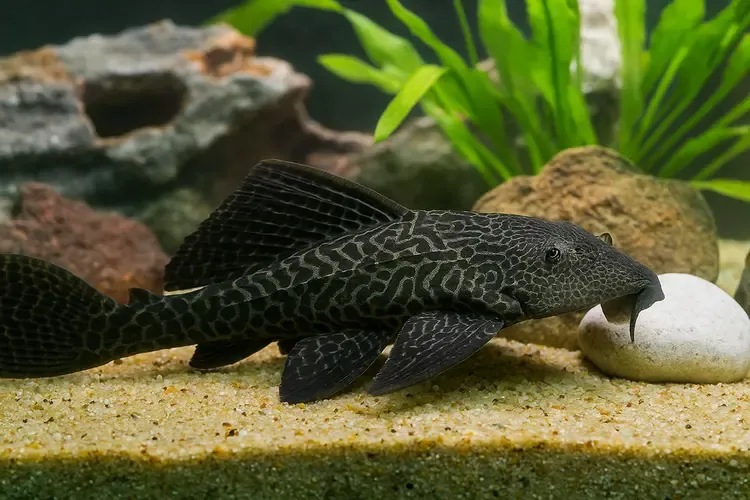
- Pellets: Sink slowly, help bottom feeders
- Frozen food: Contains frozen bloodworms or brine shrimp
- Live food: Includes small insects or worms, best for variety
Benefits Of Natural Diets
Natural diets provide essential nutrients that help peaceful fish thrive. They support good health and strong immune systems.
Natural food also encourages natural feeding behaviors. This keeps fish active and reduces stress.
- Better digestion
- Improved color and vitality
- Reduced risk of disease
- Encourages natural hunting instincts
Avoiding Aggressive Feeders
Avoid foods that cause fighting or stress among peaceful fish. Aggressive feeders can harm gentle tank mates.
Choose slow-sinking or floating foods to reduce competition. Feed small amounts often to keep peace in the tank.
- Use small, frequent feedings
- Pick food that does not sink too fast
- Avoid large chunks that cause fighting
- Separate aggressive feeders if needed
Credit: aquadecorbackgrounds.com
Nutritional Needs Of Peaceful Species
Peaceful fish species need balanced food for good health. Their diet must meet their unique nutritional needs.
Feeding the right nutrients helps them stay active and live longer in home aquariums.
Protein Requirements
Proteins support growth and repair in peaceful fish. These species need moderate protein levels in their diet.
- Fish meal is a common protein source
- Insects provide natural protein
- Plant proteins can supplement animal proteins
Vitamins And Minerals
Vitamins and minerals keep fish immune systems strong. They also help with bone and scale development.
| Vitamin/Mineral | Benefit |
| Vitamin C | Boosts immune health |
| Vitamin D | Supports bone growth |
| Calcium | Strengthens bones and teeth |
| Iron | Helps oxygen transport |
Balancing Plant-based And Animal-based Diets
Peaceful fish eat both plant and animal foods. A good balance keeps their diet complete and natural.
Tips for balancing diets:
- Feed leafy greens like spinach or lettuce
- Include small live or frozen foods like brine shrimp
- Use pellets with mixed ingredients
- Adjust feeding based on fish species and activity
Top Food Options For Common Peaceful Fish
Feeding peaceful fish the right food helps them stay healthy. Choosing foods that match their needs is important.
There are many types of fish food to pick from. Some foods are better for certain species than others.
Flake And Pellet Foods
Flake and pellet foods are easy to find in stores. They come in many formulas for different fish types.
These foods float or sink slowly, making them easy for peaceful fish to eat. They provide balanced nutrition.
- Flake foods are good for small or surface-feeding fish
- Pellets suit bottom feeders and larger fish
- Look for flakes or pellets with vitamins and minerals
Live And Frozen Foods
Live and frozen foods offer natural nutrients and encourage fish to hunt. They help keep fish active.
Common live or frozen foods include brine shrimp, bloodworms, and daphnia. These foods suit many peaceful species.
- Brine shrimp support growth and color
- Bloodworms add protein for energy
- Daphnia help with digestion
Vegetable And Algae-based Foods
Vegetable and algae-based foods are great for herbivorous peaceful fish. They provide fiber and vitamins.
These foods include spirulina flakes, blanched vegetables, and algae wafers. They help maintain healthy digestion.
- Spirulina flakes boost immune systems
- Blanched spinach or peas aid digestion
- Algae wafers support bottom grazers

Credit: blog.petloverscentre.com
Feeding Techniques For Healthy Aquariums
Feeding your peaceful fish the right way helps keep your aquarium healthy. Proper feeding supports fish growth and water quality.
Using good feeding habits prevents problems like overfeeding and poor water conditions. Learn simple techniques to feed your fish well.
Portion Control
Giving the right portion size is key to healthy fish. Too much food can pollute the tank and harm fish health.
- Feed only what your fish can eat in 2-3 minutes.
- Remove any leftover food after feeding time.
- Use small amounts several times a day instead of one big meal.
- Adjust portions as fish grow or if you add new fish.
Feeding Frequency
How often you feed affects fish health and tank cleanliness. Most peaceful fish do well with regular, moderate feeding.
| Fish Type | Feedings per Day |
| Small Peaceful Fish | 2-3 times |
| Juvenile Fish | 3-4 times |
| Adult Fish | 1-2 times |
| Bottom Dwellers | Once daily |
Preventing Overfeeding
Overfeeding can cause water pollution and fish illness. Watch your fish and tank to avoid extra food buildup.
- Feed small amounts and watch fish eat quickly.
- Use a feeding ring or spot to control food location.
- Clean the tank regularly to remove excess food and waste.
- Do not feed if fish are not hungry or if the tank is not clean.
Special Considerations For Sensitive Species
Peaceful fish species need gentle care, especially with their food. Sensitive fish may react badly to wrong diets.
Feeding these fish requires attention to their habits and special needs. Proper food helps keep them healthy and calm.
Feeding Shy Or Slow Eaters
Shy or slow fish can miss food when fast eaters are around. They need quiet feeding times or separate spaces.
Feed small amounts often to avoid waste and ensure they get enough nutrition. Use sinking pellets to help them eat.
- Feed in small groups to reduce competition
- Use a feeding ring to keep food in one spot
- Observe and adjust feeding times for best results
Food For Bottom Dwellers
Bottom dwellers eat food that sinks fast. They need heavy pellets or wafers that stay near the tank floor.
Include vegetables and algae wafers in their diet. These foods match their natural feeding habits and keep them healthy.
- Sinking pellets for protein
- Vegetable flakes or wafers for fiber
- Occasional frozen foods like bloodworms
Adjusting Diet For Breeding Fish
Breeding fish need extra nutrition to support eggs and fry. Increase protein and offer varied foods during breeding time.
Feed small amounts multiple times daily. Remove leftover food quickly to keep water clean for eggs and fry.
- High-protein flakes or pellets
- Live or frozen foods like brine shrimp
- Vegetable matter for balanced nutrition
Common Feeding Mistakes To Avoid
Feeding fish might seem simple, but it needs care. Mistakes can harm their health. It’s important to know what not to do.
Here are some common feeding mistakes you should avoid to keep your fish happy and healthy.
Using Inappropriate Food Types
Not all fish eat the same food. Some fish need flakes, others need pellets. Giving the wrong type can make fish sick.
Always check what type of food your fish species requires. Proper food ensures they get the nutrients they need.
- Flakes for surface feeders
- Pellets for bottom feeders
- Special diets for herbivores
Ignoring Water Quality
Dirty water affects how fish eat and digest food. Feeding too much makes water dirty fast. Clean water is key for healthy fish.
Regularly check water quality. Use filters and change water often. This keeps your fish environment safe and healthy.
- Test water weekly
- Change 10-15% water regularly
- Clean filters monthly
Neglecting Variety In Diet
Fish need a varied diet to stay healthy. Only one type of food can cause deficiencies. Mixing different foods keeps them active.
Offer a range of foods. Include live, frozen, and dried options. This ensures balanced nutrition for your fish.
- Live foods for protein
- Frozen foods for variety
- Veggie flakes for plant-eaters
Enhancing Aquarium Health Through Diet
Fish need a balanced diet to thrive in aquariums. Proper nutrition keeps them healthy and happy.
Feeding the right food enhances their colors and boosts their immunity. It also supports their growth and longevity.
Boosting Immunity With Food
Foods rich in vitamins strengthen the fish’s immune system. They help fish fight off diseases.
Garlic and spirulina are good for boosting immunity. They are natural and safe for peaceful fish species.
- Garlic helps in disease prevention
- Spirulina boosts overall immunity
- Vitamin C reduces stress effects
Promoting Vibrant Colors
Colorful fish make aquariums look beautiful. Certain foods can enhance these vibrant colors.
Carotenoids in food help fish develop bright colors. They are found in foods like krill and shrimp.
- Carotenoids enhance red and orange hues
- Astaxanthin promotes deep red colors
- Beta-carotene boosts yellow shades
Supporting Growth And Longevity
Proper diet supports fish growth and extends their lifespan. Protein is essential for young fish.
Feeding a variety of foods ensures they get all the nutrients. This helps them grow strong and live longer.
| Protein Sources | Fish Meal, Brine Shrimp |
| Essential Fats | Algae, Fish Oil |
| Fibers | Vegetables, Seaweed |
Credit: www.aquariumsource.com
Frequently Asked Questions
What Is The Best Fish Food For Peaceful Species?
The best fish food for peaceful species is high-quality flakes or pellets. These foods are gentle on their digestive systems. Supplement with occasional live or frozen foods like brine shrimp to enhance nutrition and keep fish active and healthy.
How Often Should I Feed Peaceful Fish Species?
Feed peaceful fish species 1-2 times daily in small amounts. Overfeeding can cause water quality issues. Remove uneaten food after a few minutes to prevent contamination and maintain a clean aquarium environment.
Can Peaceful Fish Eat Live Food Safely?
Yes, peaceful fish can safely eat live food like daphnia or brine shrimp. Live food provides essential nutrients and stimulates natural hunting behaviors. Always source live food from reputable suppliers to avoid introducing diseases.
Are Plant-based Foods Suitable For Peaceful Fish?
Many peaceful fish enjoy plant-based foods like spirulina flakes or blanched vegetables. These foods support their health and mimic natural diets. Offering varied food types ensures balanced nutrition and vibrant fish coloration.
Conclusion
Choosing the right food helps keep peaceful fish healthy and happy. Small flakes, pellets, and live foods suit most gentle species well. Feeding them regularly in small amounts prevents stress and illness. Watch your fish eat and adjust the food type if needed.
Clean water and proper care support their diet and well-being. Peaceful fish thrive best with simple, balanced meals every day. Healthy fish create a calm and beautiful aquarium environment. Keep their needs in mind for long-lasting enjoyment.