
Are you struggling to find the right food for your young fish? Choosing the best fish food for juvenile fish is key to helping them grow healthy and strong.
The wrong diet can slow their growth or even harm their health. You’ll discover simple tips and expert advice to feed your juvenile fish the nutrients they need. Keep reading to unlock the secrets to a thriving, vibrant aquarium that you’ll be proud of!

Credit: www.amazon.com
Nutritional Needs Of Juvenile Fish
Juvenile fish need special food to grow strong and healthy. Their bodies develop fast and require many nutrients.
Proper nutrition helps young fish build muscles, bones, and resist diseases. Feeding them the right food is very important.
Essential Proteins And Amino Acids
Proteins are the building blocks of fish muscles and tissues. Juvenile fish need high-quality proteins to grow well.
Amino acids from proteins help repair cells and support metabolism. Some amino acids are essential because fish cannot make them.
- Proteins provide energy and support growth
- Essential amino acids include lysine, methionine, and tryptophan
- Balanced amino acids improve fish health and development
Vitamins And Minerals For Development
Vitamins and minerals help juvenile fish grow strong bones and healthy skin. They also boost the immune system.
Fish need vitamins like A, D, E, and C. Minerals such as calcium, phosphorus, and iron are also important.
| Vitamin | Role in Fish Development |
|---|---|
| Vitamin A | Supports vision and skin health |
| Vitamin D | Helps calcium absorption for bones |
| Vitamin E | Protects cells from damage |
| Vitamin C | Improves disease resistance and healing |
| Calcium | Builds strong bones and scales |
| Phosphorus | Works with calcium for bone growth |
| Iron | Needed for oxygen transport in blood |
Importance Of Fatty Acids
Fatty acids are fats that provide energy and help brain growth. Juvenile fish need omega-3 and omega-6 fatty acids.
These fats also support healthy skin and help reduce inflammation. Good fat balance improves survival rates in young fish.
- Omega-3 fatty acids support brain and eye development
- Omega-6 fatty acids help with growth and energy
- Fatty acids maintain healthy cell membranes
Types Of Fish Food For Juveniles
Juvenile fish need special food to grow strong and healthy. Different types of food suit their small size and fast metabolism.
Choosing the right food helps young fish develop well. Some foods are natural, while others are processed to keep nutrients.
Live Foods
Live foods are natural and easy for juvenile fish to eat. They provide good protein and keep fish active and healthy.
- Baby brine shrimp
- Micro worms
- Daphnia
- Moina
- Infusoria
Frozen And Freeze-dried Options
Frozen and freeze-dried foods keep nutrients well. They offer a safe alternative to live foods and are easy to store.
- Frozen baby brine shrimp
- Freeze-dried bloodworms
- Frozen daphnia
- Freeze-dried tubifex worms
Pellets And Flakes
Pellets and flakes are common foods for juvenile fish. They come in sizes that fit small mouths and contain balanced nutrients.
| Type | Description | Example |
| Pellets | Small, sinking or floating pieces. Easy to control feeding. | Micro pellets |
| Flakes | Thin, flat pieces that float on water. Good for surface feeders. | Juvenile flakes |
Top Nutritious Live Foods
Juvenile fish need live foods rich in nutrients to grow strong. Feeding them the right live foods helps their health and development.
This guide covers three top live foods that provide essential nutrition for young fish.
Brine Shrimp
Brine shrimp are small crustaceans full of protein and fat. They are easy for juvenile fish to eat and digest. These shrimp boost growth and energy.
Daphnia
Daphnia, also called water fleas, provide fiber and vitamins. They help improve digestion in young fish. Daphnia live foods are rich in natural nutrients.
- Rich in fiber
- Good source of vitamins
- Aids digestion
- Easy to culture at home
Microworms
Microworms are tiny worms high in protein. They are ideal for very small juvenile fish. Microworms move slowly, making them easy to catch.
| Live Food | Main Nutrients | Benefits for Juvenile Fish |
| Brine Shrimp | Protein, Fat | Growth and energy |
| Daphnia | Fiber, Vitamins | Improves digestion |
| Microworms | Protein | Easy to catch, high nutrition |
Best Frozen And Freeze-dried Foods
Juvenile fish need special food to grow healthy and strong. Frozen and freeze-dried foods are good options. They keep nutrients fresh and taste natural to young fish.
These foods are easy to store and feed. They help provide variety in your fish’s diet. Below are some top choices for frozen and freeze-dried foods.
Bloodworms
Bloodworms are popular frozen and freeze-dried foods for juvenile fish. They are rich in protein and easy to digest. Many young fish enjoy their bright red color and soft texture.
Use bloodworms as a treat or regular meal. Thaw frozen bloodworms before feeding. Freeze-dried bloodworms are convenient and last longer.
Tubifex Worms
Tubifex worms are small and full of nutrients. Juvenile fish find them tasty and easy to eat. Frozen tubifex worms keep their natural flavor and nutrients well.
Freeze-dried tubifex worms are lightweight and easy to store. Soak them in water before feeding to soften. Use tubifex worms to boost growth and health in young fish.
Krill
Krill is a small shrimp-like food rich in protein and omega-3. It supports strong growth and bright colors in juvenile fish. Frozen krill keeps fresh nutrients and flavor.
Freeze-dried krill is easy to handle and store. Soaking it before feeding helps young fish eat it better. Krill adds variety and nutrition to young fish diets.
High-quality Commercial Pellets And Flakes
Choosing the right food is key for healthy juvenile fish growth. Commercial pellets and flakes offer balanced nutrition for young fish.
These foods come in various types and sizes, designed to meet the needs of growing fish at different stages.
Protein Content Considerations
Protein supports strong muscle and tissue growth in juvenile fish. Look for foods with high protein levels, usually between 40% and 50%.
Animal-based proteins like fish meal and shrimp meal are excellent sources. Avoid foods with too many fillers or low-quality protein.
Size And Texture For Juveniles
- Small pellet size fits juvenile fish mouths.
- Soft texture helps easy digestion.
- Floating pellets allow surface feeding.
- Sinking pellets work for bottom feeders.
- Flakes should break down quickly in water.
Choosing the right size and texture ensures juveniles can eat comfortably and get full nutrition.
Brand Recommendations
| Brand | Type | Protein % | Best For |
| OmegaFeed | Pellets | 45% | Fast growers |
| FreshFlake | Flakes | 42% | Surface feeders |
| JuviPellet | Pellets | 48% | All juvenile types |
| MiniBite | Flakes | 40% | Small mouth fish |

Credit: www.amazon.com
Feeding Tips For Optimal Growth
Feeding juvenile fish is important for their growth. Proper feeding ensures they grow healthy and strong. Here are some tips to help you feed your fish the right way.
Understanding the needs of juvenile fish can make a big difference. Let’s explore some key aspects of feeding them effectively.
Feeding Frequency And Portions
Juvenile fish need to eat often. This supports their fast growth. Feed them small amounts at a time. This prevents waste and keeps the tank clean.
- Feed small portions several times a day
- Adjust portions based on fish size
- Observe their eating habits
Avoiding Overfeeding
Overfeeding can harm your fish. It leads to dirty tanks and health issues. Be careful with the amount you give them.
Monitoring Fish Health
Keeping an eye on your fish’s health is crucial. Healthy fish are active and have bright colors. Regular checks can help spot problems early.
| Signs of Health | Action Needed |
| Active swimming | Continue regular feeding |
| Faded colors | Check water quality |
| Refusal to eat | Consult a specialist |
Homemade Fish Food Recipes
Making fish food at home can be fun and easy. It also ensures your juvenile fish get the nutrients they need.
Homemade recipes let you control ingredients. This helps in providing a balanced diet for your fish.
Simple Diy Protein Mixes
Protein is essential for growing fish. You can create simple protein mixes at home.
Use ingredients like boiled egg yolks, chicken liver, and fish fillets. These provide high protein content.
- Boiled egg yolks are easy to mash and feed.
- Chicken liver should be cooked and chopped finely.
- Fish fillets can be steamed and blended.
Incorporating Vegetables And Supplements
Vegetables are important for vitamins and minerals. Adding supplements ensures complete nutrition.
Blend vegetables like spinach and peas into the mix. Add fish oil for extra nutrients.
- Spinach is rich in vitamins and easy to blend.
- Peas should be boiled and peeled before mixing.
- Fish oil is a great source of Omega-3.
Credit: reefnutrition.com
Frequently Asked Questions
What Is The Best Fish Food For Juvenile Fish?
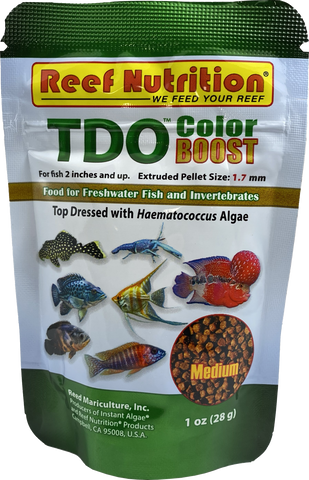
The best fish food for juvenile fish is high-protein, small-sized pellets or flakes. These provide essential nutrients for growth. Foods rich in vitamins and minerals support healthy development and immune function. Choose brands designed specifically for juvenile or fry fish to ensure proper nutrition.
How Often Should Juvenile Fish Be Fed Daily?
Juvenile fish should be fed 2 to 3 times daily. Frequent small meals help maintain their energy and growth. Avoid overfeeding to prevent water pollution and health issues. Monitor their feeding behavior and adjust portions accordingly for optimal health.
Can Juvenile Fish Eat Live Or Frozen Food?
Yes, juvenile fish can eat live or frozen food like brine shrimp or daphnia. These foods enhance nutrition and stimulate natural hunting behavior. Live and frozen options are rich in protein and beneficial nutrients essential for young fish growth.
Why Is Protein Important For Juvenile Fish Food?
Protein is crucial for juvenile fish as it supports muscle and tissue development. High-protein diets promote faster growth and stronger immune systems. Juvenile fish need more protein than adults to meet their energy and developmental needs.
Conclusion
Feeding juvenile fish the right food helps them grow strong and healthy. Small, nutritious bites suit their tiny mouths best. Choose food with balanced proteins and vitamins for their development. Keep feeding schedules regular to build good habits. Watch your fish closely to spot any problems early.
A happy juvenile fish means a thriving aquarium. Simple care and proper food make all the difference. Start with good choices, and your fish will flourish. Easy steps lead to lasting success in fish care.