
If you want your fish to shine with bright, healthy scales, what you feed them is key. The right fish food doesn’t just keep them alive—it boosts their color, strength, and overall health.
Imagine watching your fish swim proudly, their scales sparkling like tiny jewels. Sounds great, right? You’ll discover simple, effective ways to choose and use fish food that helps your aquatic friends look and feel their best. Keep reading to unlock the secrets to healthy, beautiful scales your fish will thank you for.

Credit: flavorfulife.com
Choosing The Right Fish Food
Fish need the right food to stay healthy and grow strong. Choosing the right fish food helps keep their scales bright and their bodies active.
Different fish have different needs. Knowing what type of food to give them ensures they get the right nutrition every day.
Types Of Fish Food
Fish food comes in many forms. Each type offers different benefits for your fish’s health and scale condition.
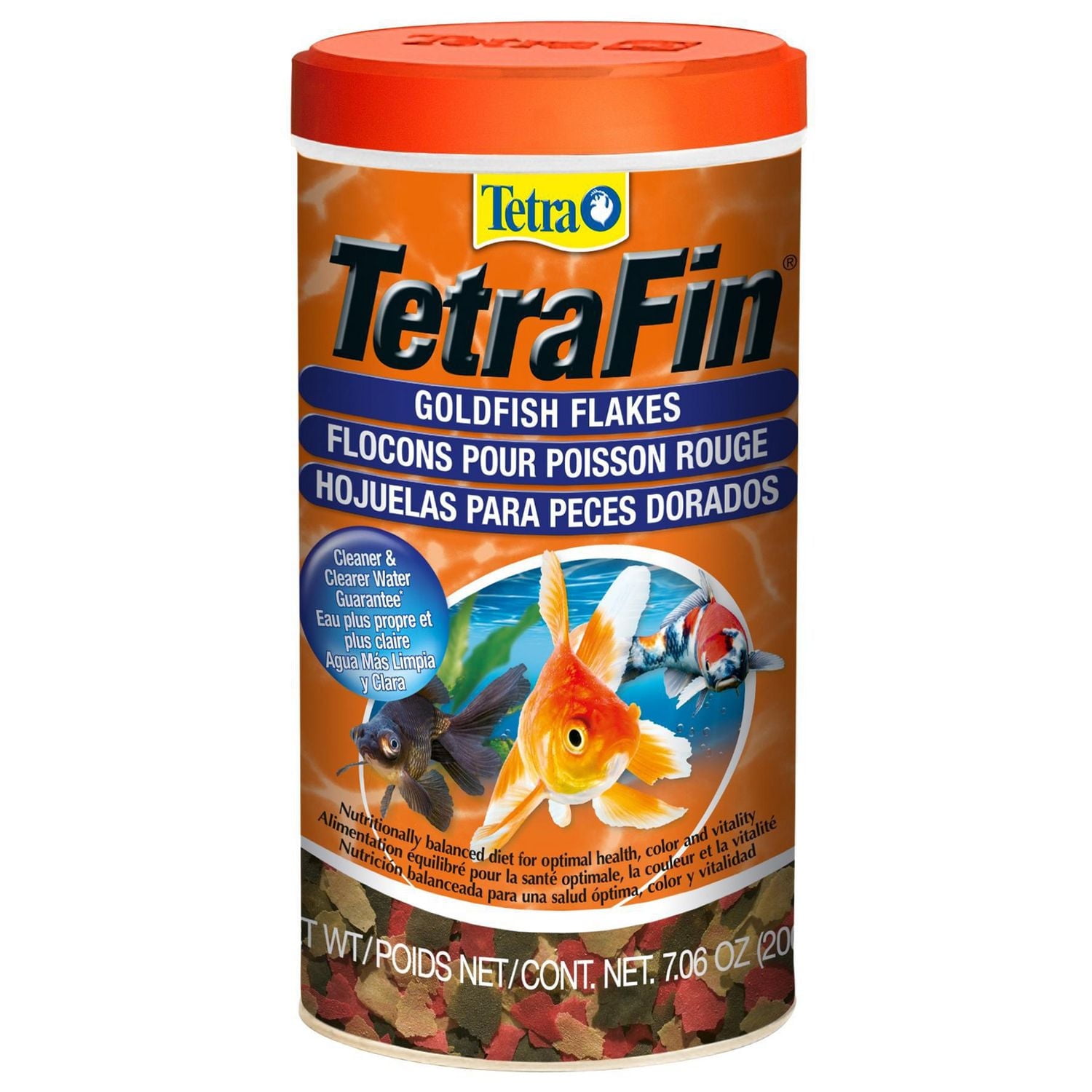
- Flakes: Easy to feed and good for surface feeders.
- Pellets: Sink slowly, good for bottom and middle feeders.
- Freeze-dried: Keeps nutrients but needs soaking before feeding.
- Live food: Natural and high in protein, best for carnivorous fish.
- Frozen food: Offers variety and preserves nutrition well.
Nutritional Needs By Species
Each fish species needs different nutrients. Tailor their diet to match their natural habits and health needs.
| Fish Type | Main Nutrients Needed | Recommended Food |
| Goldfish | Carbohydrates, fiber | Flakes, pellets |
| Betta | High protein, fats | Live food, pellets |
| Cichlids | Protein, vitamins | Pellets, frozen food |
| Guppies | Protein, fats | Flakes, live food |
| Catfish | Vegetable matter, protein | Sinking pellets, vegetables |
Organic Vs. Commercial Options
Organic fish food has no chemicals or additives. Commercial food is easy to find and has balanced nutrients.
Compare the two types:
- Organic:Natural ingredients, less processed, may cost more.
- Commercial:Widely available, tested for nutrient balance, may contain fillers.
Essential Nutrients For Vibrant Scales
Healthy scales show that your fish is well cared for. Good nutrition helps scales stay bright and strong. Fish food must have key nutrients for vibrant scales.
These nutrients support skin health and protect fish from diseases. Feeding your fish the right food keeps their scales shiny and colorful.
Proteins And Amino Acids
Proteins build and repair fish tissues. Amino acids are parts of proteins that support scale growth. Fish need enough protein for healthy scale development.
Essential amino acids help maintain strong skin and scales. Fish food with high-quality protein improves scale texture and color.
- Supports tissue repair
- Promotes scale growth
- Maintains skin strength
- Improves scale color
Vitamins And Minerals
Vitamins A, C, and E protect fish skin and scales from damage. Minerals like zinc and selenium help keep scales firm and healthy.
These nutrients support immune health and reduce scale infections. A balanced vitamin and mineral mix keeps fish scales vibrant.
- Vitamin A helps skin repair
- Vitamin C boosts immunity
- Vitamin E acts as an antioxidant
- Zinc strengthens scales
- Selenium supports tissue health
Fatty Acids And Oils
Omega-3 and omega-6 fatty acids keep fish skin soft and flexible. These fats reduce scale dryness and improve shine.
Healthy oils in fish food support cell growth and prevent scale damage. Fatty acids also help reduce inflammation in fish skin.
- Maintain skin moisture
- Enhance scale shine
- Support cell growth
- Reduce skin inflammation
Feeding Techniques For Optimal Health
Feeding your fish the right way helps keep their scales shiny and healthy. Good feeding habits improve their growth and color.
Learn simple feeding tips to avoid health problems and keep your fish happy.
Proper Feeding Frequency
Feed your fish small amounts two to three times a day. Young fish need more frequent meals than adults. Avoid feeding at irregular times to prevent stress.
Portion Control Tips
Give only as much food as your fish can eat in five minutes. Overfeeding causes water pollution and health issues.
- Use a small spoon or feeding ring to control portions
- Observe your fish during feeding to adjust amounts
- Remove leftover food after feeding time
- Feed a varied diet for balanced nutrition
Avoiding Overfeeding
Overfeeding can cause bloating and scale damage. Keep track of feeding habits to protect your fish.
| Sign of Overfeeding | How to Fix |
| Cloudy water | Reduce food amount and clean tank |
| Uneaten food on bottom | Feed less and remove leftovers |
| Swollen belly | Feed smaller portions less often |
Credit: immigrantstable.com
Homemade Fish Food Recipes
Making fish food at home helps keep your fish healthy. You control the ingredients and avoid harmful additives.
Homemade recipes can include fresh vegetables, proteins, and supplements. This supports bright, healthy scales on your fish.
Simple Diy Blends
Start with easy mixes using common ingredients. Blend proteins like shrimp or fish with vegetables like peas.
Add gelatin to bind the mix. Cut into small pieces or freeze in molds for portion control.
- Cooked shrimp or fish fillets
- Cooked peas or spinach
- Gelatin powder
- Vitamin supplements (optional)
Using Fresh Ingredients
Fresh ingredients provide essential nutrients. Choose high-quality vegetables and protein sources for best results.
Rinse vegetables well and cook if needed. Fresh fish or shrimp should be cleaned and chopped into small pieces.
- Use fresh peas, spinach, or zucchini
- Include fresh fish or shrimp
- Avoid spoiled or old ingredients
- Wash all ingredients before use
Storage And Shelf Life
Store homemade fish food in the fridge or freezer. This keeps it fresh and safe for your fish.
Use refrigerated food within three days. Frozen portions last up to one month. Thaw before feeding.
- Refrigerate for up to 3 days
- Freeze for up to 1 month
- Keep portions small and sealed
- Thaw frozen food before use
Signs Of Nutritional Deficiencies
Healthy scales show that your fish is getting good nutrition. If fish food lacks key nutrients, problems appear.
Spotting signs early helps you fix the diet and keep your fish healthy and active.
Dull Or Fading Scales
Scales lose their shine when fish do not get enough vitamins or minerals. They may look pale or faded.
Dull scales can mean a lack of vitamin C, vitamin A, or zinc in their food. This weakens their natural color.
- Pale color on the body
- Scales appear less shiny
- Scales may start to fall off
Behavioral Changes
Fish with poor nutrition often act differently. They may swim less or hide more than usual.
Loss of energy and lack of interest in food are common signs of missing nutrients like proteins or fats.
- Less active swimming
- Hiding in corners
- Reduced appetite
Growth And Development Issues
Fish need good food to grow strong. Nutritional gaps can slow growth and cause deformities.
Young fish are most affected by missing calcium, phosphorus, or vitamin D. Their bones and scales may not form well.
- Slow growth rate
- Small size compared to others
- Deformed fins or scales
Credit: www.walmart.ca
Supplements To Enhance Scale Health
Fish scales need proper nutrients to stay healthy. Supplements can help with this. They support the growth and shine of fish scales.
Adding supplements to fish food can improve scale health. This helps fish look vibrant and strong.
Natural Additives
Natural additives are a good choice for fish scales. They provide extra nutrients without chemicals.
- Spirulina boosts color and growth
- Garlic strengthens immune systems
- Aloe Vera soothes and protects scales
When To Use Supplements
Supplements should be used when fish show signs of scale damage. They help in recovery and maintenance.
Use supplements during seasonal changes or stress. This supports overall fish health and scale appearance.
Safety Precautions
Always follow instructions on supplement packages. Overuse can harm fish instead of helping them.
Introduce supplements slowly to watch for any negative reactions. Observe fish closely for any changes.
- Check expiration dates on products
- Store supplements in a cool, dry place
- Consult with a vet if unsure
Common Feeding Mistakes To Avoid
Feeding fish the right food is very important for their health. Many fish owners make mistakes that harm fish scales and skin. Avoiding these mistakes helps keep fish bright and healthy.
This guide covers common feeding errors. Learn what to avoid for healthy scales and happy fish.
Using Inappropriate Food Types
Using the wrong food can cause poor scale health. Some foods lack the nutrients fish need. Others are too hard to digest and harm the fish.
Always pick foods designed for your fish type. Avoid human food or random leftovers. These can cause scale damage and illness.
- Do not feed bread or chips
- Choose high-quality fish flakes or pellets
- Use frozen or live food for carnivorous fish
- Avoid overfeeding to prevent waste buildup
Ignoring Species-specific Diets
Each fish species needs a special diet. Some fish need more protein, while others need plants. Feeding the wrong diet causes weak scales and sickness.
Learn your fish’s natural diet. Match their food to keep scales shiny and strong.
- Carnivores need meat-based food
- Herbivores need plant-based food
- Omnivores need a mix of both
- Check care guides for species-specific needs
Poor Water Quality Impact
Bad water harms fish scales even with good food. Dirty or wrong water causes stress and scale loss. Feeding right won’t help if water is poor.
Keep water clean and balanced. Test water often. Clean tanks help fish absorb nutrients better for healthy scales.
- Change water regularly
- Use a good filter system
- Keep pH and temperature stable
- Remove uneaten food quickly
Monitoring Fish Health Through Diet
Fish need a balanced diet to maintain healthy scales. Feeding them the right food helps improve their overall health.
Understanding what to feed and how much can be crucial. Let’s explore the ways to keep fish healthy through their diet.
Regular Health Checks
Regular health checks help identify any changes in fish appearance. Observing their scales, fins, and behavior is important.
- Look for dull or discolored scales.
- Check for any unusual spots or growths.
- Notice any changes in swimming patterns.
Adjusting Diet Based On Observations
If fish show signs of poor health, their diet might need adjusting. Providing a variety of foods can help meet their nutritional needs.
| Sign | Diet Adjustment |
| Dull Scales | Increase vitamins |
| Slow Movement | Add protein-rich foods |
| Weight Loss | Feed more frequently |
Working With Aquatic Veterinarians
Consulting with an aquatic veterinarian can be beneficial. They can provide expert advice on fish nutrition and health.
Veterinarians offer tailored diet plans for specific fish species. They monitor health progress and suggest necessary changes.
Frequently Asked Questions
What Is The Best Fish Food For Healthy Scales?
The best fish food for healthy scales is rich in vitamins A and C. These nutrients support scale growth and repair. High-quality flakes, pellets, and frozen foods with balanced nutrition promote vibrant and strong scales in fish.
How Does Fish Food Improve Scale Health?
Fish food improves scale health by providing essential nutrients. Proteins and vitamins boost cell regeneration and immunity. Omega-3 fatty acids reduce inflammation and support shiny scales. Regular feeding with nutrient-rich food helps maintain fish’s overall scale condition.
Can Homemade Fish Food Enhance Scale Quality?
Yes, homemade fish food can enhance scale quality if it contains balanced nutrients. Include ingredients like shrimp, spinach, and spirulina for vitamins and minerals. Fresh, natural ingredients support healthy scales and improve fish vitality when properly prepared.
How Often Should I Feed Fish For Healthy Scales?
Feed fish small portions two to three times daily for healthy scales. Consistent feeding ensures nutrient absorption without overfeeding. Balanced feeding schedules help maintain fish metabolism and promote continuous scale growth and repair.
Conclusion
Healthy fish scales show a happy, well-fed fish. Good food helps scales stay bright and strong. Feed your fish with balanced meals daily. Avoid overfeeding to keep water clean and fish healthy. Watch your fish for signs of scale problems.
Clean water and proper food work hand in hand. Small steps make a big difference in fish care. Keep learning about fish nutrition for best results. Your fish will thank you with shining scales.