
If you want to breed healthy, vibrant fish, the food you choose for your breeding tanks is one of the most important decisions you’ll make. The right fish food not only boosts the health of your adult fish but also increases the survival rate of their fry.
You might be wondering what types of food work best and how to feed your fish for optimal breeding success. Keep reading to discover simple, effective tips that will help you create the perfect feeding routine and give your fish the best start possible.
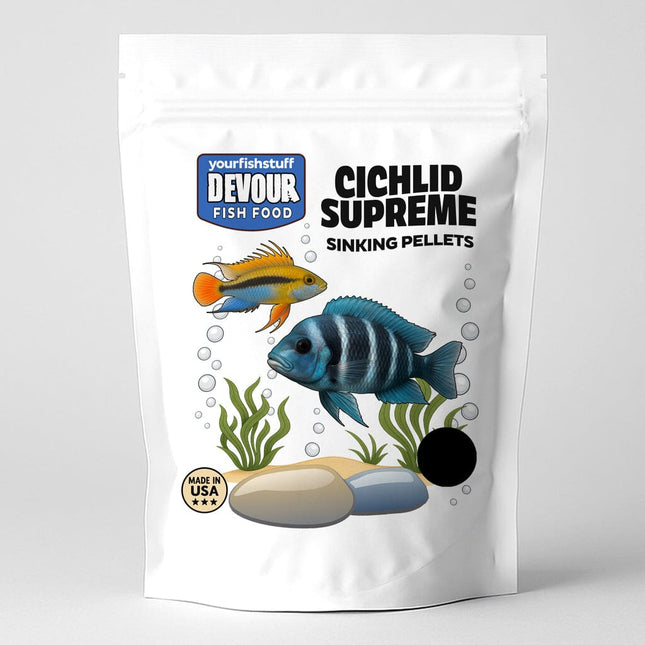
Credit: www.yourfishstuff.com
Choosing The Right Food
Feeding fish in breeding tanks needs special care. The right food helps fry grow strong and healthy.
Choosing the correct type of food supports the needs of both adult fish and their young fry.
Types Of Fish Food
There are many fish foods available. Some are better for breeding tanks than others.
Common types include flakes, pellets, frozen, and live foods. Each has pros and cons for breeding.
- Flakes: Easy to use, good for adult fish.
- Pellets: Less messy, often nutrient-rich.
- Frozen food: Includes bloodworms and brine shrimp.
- Live food: Best for stimulating fry feeding.
Nutritional Needs Of Fry
Fry need more protein than adult fish. Protein helps them grow fast and stay healthy.
Vitamins and minerals also support strong bones and good immune systems in young fish.
- High protein content (40% or more)
- Essential fatty acids for energy
- Vitamins like A, C, and D for growth
- Minerals for healthy development
Size And Texture Considerations
Fry have tiny mouths and weak teeth. Food size and texture must match their needs.
Small, soft foods are easier to eat and digest for young fish.
- Use crushed flakes or micro pellets for small fry
- Live foods should be small enough to swallow easily
- Avoid large pellets or hard foods that fry cannot eat
- Soft textures help prevent digestive problems
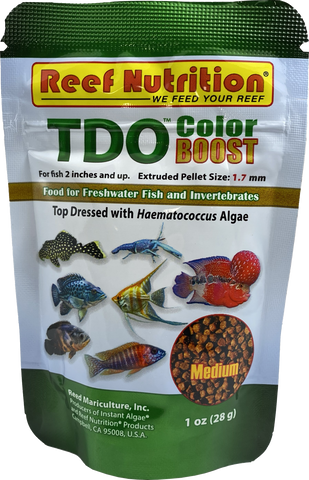
Credit: reefnutrition.com
Live Food Options
Live food is very important for fish breeding tanks. It gives baby fish, called fry, the nutrients they need. Live food is fresh and easy to digest for small fish.
Using live food helps fry grow strong and healthy. It also keeps them active and interested in eating. Many fish breeders prefer live food over dry food for breeding tanks.
Benefits Of Live Food
Live food has many benefits for breeding tanks. It is rich in nutrients that baby fish need to grow. Live food also helps improve fry survival rates.
Fry find live food easier to catch and eat. This encourages natural hunting behavior. Live food also helps develop strong immune systems in young fish.
- High in essential nutrients
- Easy for fry to digest
- Promotes natural feeding habits
- Improves fry survival rates
- Supports immune system development
Popular Live Foods For Fry
There are several live foods commonly used for fry in breeding tanks. Each type offers different benefits and sizes. Choosing the right live food depends on the fry species.
- Infusoria:Tiny microorganisms perfect for very small fry.
- Baby Brine Shrimp:Nutritious and easy to hatch at home.
- Microworms:Small worms that fry enjoy eating.
- Daphnia:Small crustaceans that improve fry growth.
- Fruit Flies:Good for larger fry that need more protein.
Cultivating Live Food At Home
Growing live food at home is simple and cost-effective. It ensures a fresh supply of food for breeding tanks. You can start with small containers and easy-to-grow species.
Keep the live food cultures clean and feed them regularly. Use proper water and temperature to help them grow fast. Harvest live food carefully to avoid harming fry.
- Use clean water and containers
- Feed cultures with yeast or vegetable matter
- Keep temperature stable for faster growth
- Harvest small amounts often for freshness
- Separate cultures to avoid contamination
Frozen And Prepared Foods
Feeding fish in breeding tanks needs special care. Frozen and prepared foods offer good nutrition for breeding fish.
These foods provide balanced diets and help improve fish health and fry survival rates.
Advantages Of Frozen Food
Frozen food keeps nutrients fresh for fish. It is easy to store and lasts longer than live food.
Frozen food reduces the risk of disease and provides a natural diet for breeding fish.
- Preserves essential vitamins and minerals
- Less chance of parasites or bacteria
- Convenient and ready to use
- Variety of food types available
Top Prepared Food Choices
Prepared foods are made to meet fish dietary needs. They come in flakes, pellets, or granules.
Good prepared foods contain proteins and nutrients that support breeding and growth.
- High-protein flakes for adult breeders
- Pellets designed for fry and juveniles
- Specialized breeding formulas
- Vitamin-enriched options for health
How To Thaw And Serve
Thaw frozen food slowly to keep quality. Use cool water or leave it in the fridge.
Serve small portions to avoid leftover waste. Remove uneaten food after feeding time.
- Place frozen food in a sealed bag
- Submerge bag in cool water for 5-10 minutes
- Drain excess water before feeding
- Feed fish small amounts multiple times daily
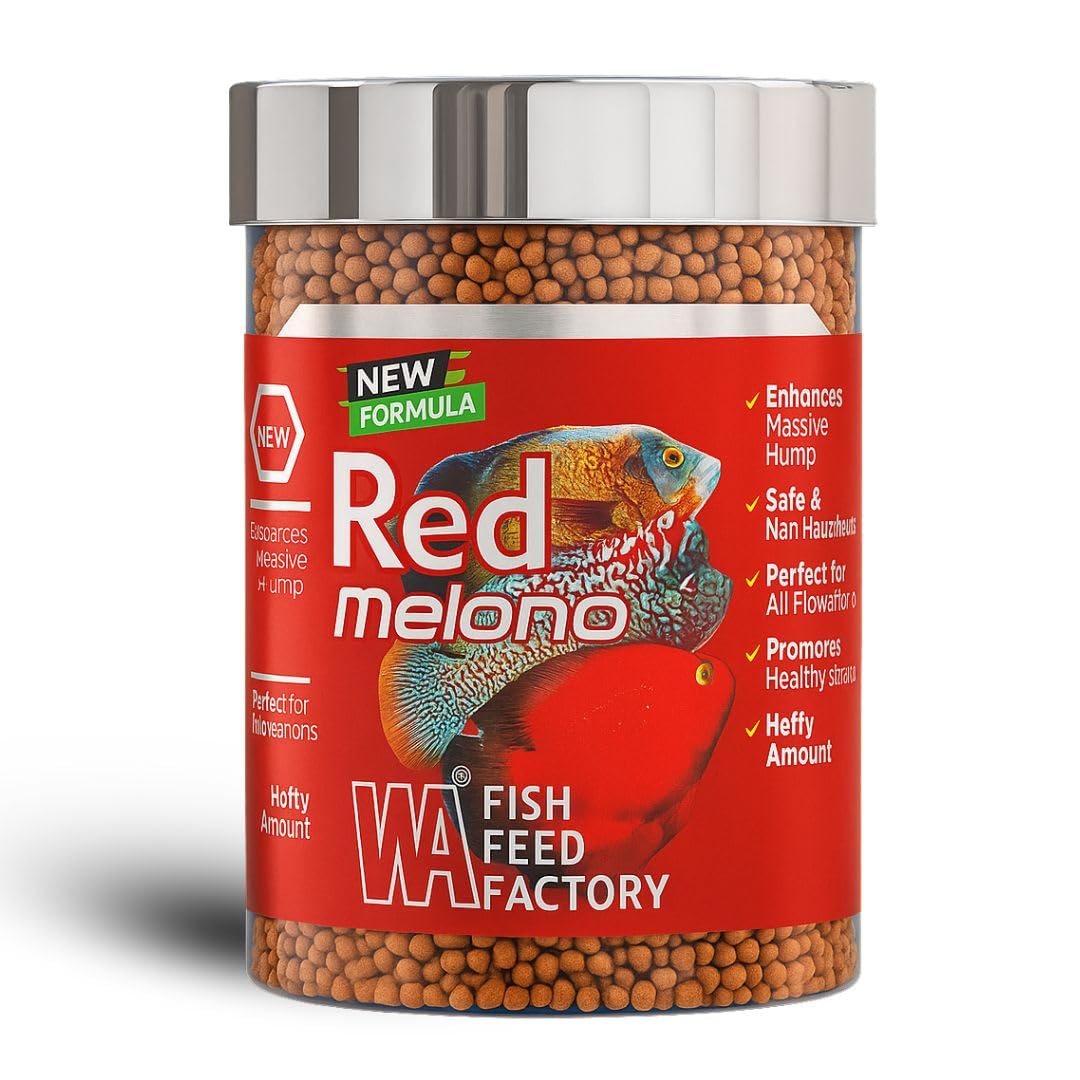
Credit: www.petzlifeworld.in
Feeding Frequency And Quantity
Feeding fish in breeding tanks requires careful attention. You must provide the right amount of food at the right times. This helps fish grow healthy and supports breeding success.
Too much or too little food can harm fish. Learning the proper feeding schedule and quantity keeps your breeding tank balanced and clean.
Optimal Feeding Schedule
Feed your breeding fish small amounts several times a day. Frequent feedings match their natural eating habits and help reduce waste.
- Feed 2 to 3 times daily
- Offer only what fish can eat in 2-3 minutes
- Adjust feeding based on fish activity and growth
- Skip feeding once a week to help digestion
Avoiding Overfeeding
Overfeeding causes water pollution and fish health problems. Uneaten food decays and raises harmful ammonia levels in the tank.
| Problem | Cause | Effect |
|---|---|---|
| Cloudy water | Excess food decays | Reduces oxygen levels |
| Algae growth | Extra nutrients from food | Blocks light and uses oxygen |
| Fish illness | Poor water quality | Stress and disease risk |
Signs Of Proper Nutrition
Healthy fish show clear signs of good nutrition. Watch for active swimming and bright colors. Proper diet helps fish grow strong and reproduce well.
- Fish eagerly eat food at feeding times
- Body shape is full, not thin or bloated
- Fins are intact and move smoothly
- Breeding pairs show normal courtship behavior
Water Quality And Feeding
Feeding fish in breeding tanks needs care to keep water clean. Good water helps fish grow strong and healthy.
Choosing the right food and feeding amount protects water quality. This keeps the tank safe for baby fish.
Impact Of Food On Water Parameters
Fish food changes water chemistry. Uneaten food can cause ammonia and nitrite levels to rise.
Too much food causes cloudiness and bad odors. It harms fish and baby fry in the tank.
- Overfeeding increases waste and toxins
- High protein food raises ammonia faster
- Small, frequent feedings reduce water impact
Maintaining Clean Breeding Tanks
Clean tanks keep fish safe from diseases. Remove leftover food and fish waste often.
Regular water changes help keep parameters stable. Use a siphon to clean the gravel and corners.
- Feed small amounts that fish eat quickly
- Remove uneaten food after 5 minutes
- Change 20-30% of water weekly
Filtering And Waste Management
Filters remove harmful waste and keep water clear. Use gentle filters to avoid stressing baby fish.
Good waste management stops toxins from building up. Clean filter media regularly to keep it working well.
- Use sponge or gentle hang-on-back filters
- Clean filter sponges every 2-3 weeks in tank water
- Monitor water tests for ammonia, nitrite, and nitrate
Special Considerations For Different Species
Fish breeding tanks require special care when it comes to feeding. Different species need different diets to grow healthy and strong. Understanding these needs helps improve their survival rates.
Providing the right food for fry is crucial. This ensures they get the nutrients they need. Different species have varying dietary requirements. It’s essential to know what each species needs.
Carnivorous Fry Diets
Carnivorous fry eat other small creatures. They need protein-rich foods to grow well. Their diet often includes small insects or specially made fry food.
Live food is often best for these fry. Options include brine shrimp and micro worms. These foods are rich in protein and easy for fry to digest.
- Feed small portions multiple times a day
- Ensure food is small enough for fry to eat
- Monitor water quality due to leftover food
Herbivorous Fry Diets
Herbivorous fry prefer plant-based foods. They need diets rich in plant matter to thrive. Algae and specially formulated vegetable foods work well.
These fry benefit from frequent feedings. Fresh vegetables, such as zucchini slices, can also be offered. Make sure the food is soft and easy to consume.
- Include spirulina flakes in their diet
- Offer blanched vegetables like spinach
- Keep feeding areas clean to prevent mold
Omnivorous Fry Diets
Omnivorous fry eat both plants and meat. They require a balanced diet to develop properly. Their meals should include both protein and plant-based foods.
Variety is key for these fry. Offer them a mix of live food and vegetable matter. This ensures they get all essential nutrients.
- Include both flakes and live food
- Feed them small amounts several times daily
- Rotate foods to provide variety and balance
Frequently Asked Questions
What Type Of Fish Food Is Best For Breeding Tanks?
High-protein foods like live or frozen brine shrimp, daphnia, and bloodworms are ideal. They boost fish health and increase breeding success.
How Often Should I Feed Fish In A Breeding Tank?
Feed small amounts 2-3 times daily. Overfeeding can pollute water and harm fry development.
Can I Use Dry Food In Breeding Tanks?
Yes, but prioritize live or frozen foods. Dry food can supplement but lacks essential nutrients for breeding fish.
Why Is Protein Important In Breeding Fish Food?
Protein supports egg production, fry growth, and overall fish vitality. It’s crucial for successful spawning and healthy offspring.
Conclusion
Choosing the right fish food helps fish breed healthy and strong. Fresh, natural foods give baby fish good nutrients. Small, frequent feedings keep fish active and growing well. Avoid overfeeding to keep water clean and safe. Good food supports fish health and boosts breeding success.
Remember, happy fish start with proper nutrition every day. Simple care makes a big difference in breeding tanks. Keep food fresh, varied, and suited for your fish type. Success in breeding comes from patience and good feeding habits.