
If you have aggressive fish in your aquarium, you know they come with special needs—especially when it comes to food. Choosing the right fish food for aggressive species isn’t just about keeping them alive; it’s about keeping them healthy, strong, and satisfied.
Are you worried that your fish might not be getting enough nutrition or that feeding time turns into a battle? You’re not alone. You’ll discover the best types of food to match your fish’s fierce appetite and how to feed them without stress.
Keep reading to make sure your aggressive fish thrive and your tank stays peaceful.
Aggressive Fish Diet Needs
Aggressive fish need a special diet to stay healthy and strong. Their food must support their active behavior and natural instincts.
Choosing the right nutrients and feeding schedule helps reduce stress and fights between fish. Proper care starts with good nutrition.
Key Nutrients For Aggression
Aggressive fish require food rich in proteins and fats. These nutrients give them energy and support muscle growth.
- High protein content to fuel activity
- Healthy fats for energy and brain function
- Vitamins to boost immunity and color
- Minerals for strong bones and scales
- Fiber to aid digestion and prevent bloating
Feeding Frequency And Portions
Feeding aggressive fish requires careful timing and portion control. Overfeeding can cause fights and water problems.
| Feeding Times | Portion Size | Notes |
| 2 to 3 times daily | Small amounts | Feed what they finish in 2 minutes |
| Observe behavior | Adjust if needed | Prevent leftover food to keep water clean |
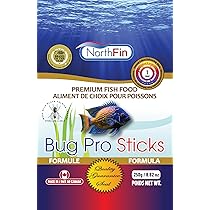
Credit: www.amazon.ca
High-protein Food Choices
Aggressive fish need strong nutrition to stay healthy. High-protein foods help them grow and keep their energy up.
Choosing the right food supports their active nature and reduces stress in the tank. Protein-rich options work best.
Live Foods For Energy
Live foods give aggressive fish natural movement that sparks hunting instincts. They are full of protein and nutrients.
- Bloodworms: Rich in protein and easy to digest
- Brine shrimp: Small and active, perfect for many species
- Blackworms: High in fat and protein for extra energy
- Crickets: Good for larger aggressive fish, provide roughage
Frozen And Freeze-dried Options
Frozen and freeze-dried foods keep nutrients while lasting longer. They offer a convenient way to feed protein-rich meals.
| Food Type | Protein Content | Best For |
| Frozen Bloodworms | 14% | Small aggressive fish |
| Freeze-Dried Brine Shrimp | 12% | Medium-sized fish |
| Frozen Blackworms | 16% | High-energy feeders |
| Freeze-Dried Krill | 15% | Large aggressive species |
Balanced Pellet And Flake Foods
Feeding aggressive fish needs care and balance. Their diet must support health and reduce fights.
Pellets and flakes are common foods. They provide nutrients needed for strong, active fish.
Selecting Quality Pellets
Choose pellets made with high protein and vitamins. These help aggressive fish stay healthy.
Look for pellets that sink slowly. This allows all fish to eat without rushing or fighting.
- High protein content supports muscle growth
- Added vitamins boost immunity
- Slow sinking pellets reduce feeding stress
- Pellets sized for your fish’s mouth
Top Flake Foods For Aggressive Fish
Flake foods are good for quick feeding. Choose flakes with balanced nutrition and easy digestion.
Flakes with natural ingredients help reduce aggression. They keep fish calmer during feeding time.
- Flakes rich in proteins and fats
- Contains vitamins and minerals
- Natural plant extracts for calm behavior
- Small, thin flakes for easy eating

Credit: www.amazon.com
Supplements For Enhanced Health
Feeding aggressive fish requires care to keep them healthy. Supplements help meet their special needs.
These supplements add vitamins and minerals that support strong bodies and active behavior.
Vitamins And Minerals
Vitamins and minerals are vital for fish growth and healing. They boost energy and keep fish vibrant.
- Vitamin A helps maintain good eyesight and healthy skin.
- Vitamin D supports bone strength and development.
- Calcium aids in strong bones and fin repair.
- Iron is important for blood health and oxygen transport.
- Zinc promotes healing and immune function.
Boosting Immunity Naturally
Strong immune systems protect fish from diseases and stress. Natural boosters keep fish active and safe.
| Supplement | Benefit |
| Garlic Extract | Enhances disease resistance |
| Spirulina | Rich in antioxidants and nutrients |
| Probiotics | Supports gut health and digestion |
| Vitamin C | Helps fight infections and heal wounds |
Feeding Tips To Reduce Aggression
Feeding aggressive fish species requires care to keep peace in your tank. The right feeding habits help lower fights and stress.
Adjusting when and how you feed your fish can make a big difference in their behavior.
Timing And Environment
Feed your fish at the same times each day to create a routine. This helps reduce competition and confusion among fish.
- Feed in small amounts several times a day instead of one large meal.
- Choose calm, quiet times to feed, avoiding sudden movements.
- Place food in different areas to spread out the fish.
- Keep the tank clean to prevent leftover food from causing fights.
Avoiding Overfeeding
Overfeeding can cause aggression as fish compete for excess food. It can also harm water quality.
| Problem | Effect |
| Too much food | Increases fighting and stress |
| Leftover food | Pollutes water, harms fish health |
| Irregular feeding | Raises competition and aggression |

Credit: www.amazon.ca
Frequently Asked Questions
What Is The Best Fish Food For Aggressive Species?
The best fish food for aggressive species is high-protein pellets or flakes. These foods support their energy needs and reduce aggression by promoting health.
How Often Should Aggressive Fish Be Fed Daily?
Aggressive fish should be fed 2 to 3 times daily. Small, frequent meals prevent overeating and maintain their active behavior.
Can Aggressive Fish Eat Live Or Frozen Food?
Yes, aggressive fish benefit from live or frozen foods like bloodworms or brine shrimp. These enhance nutrition and stimulate natural hunting instincts.
Should I Avoid Certain Foods For Aggressive Fish?
Avoid overfeeding and foods high in fillers. Low-quality food can cause health issues and increase aggression in fish.
Conclusion
Choosing the right food keeps aggressive fish healthy and strong. They need high-protein meals that match their nature. Feeding them well reduces fights and stress in the tank. Remember to feed the right amount and at regular times. Watch how your fish react to new foods.
Healthy fish show bright colors and active behavior. Good nutrition helps your tank stay peaceful and lively. Keep learning about your fish’s needs for best results. Careful feeding makes your aquarium a happy home.