
Are you tired of feeding your small fish only to see most of the food wasted or scattered all over the tank? Finding the right way to feed your tiny aquatic friends can be tricky.
That’s where fish feeding trays come in. These simple tools help you control food portions, keep the tank cleaner, and make feeding time easier and more enjoyable for you and your fish. You’ll discover why fish feeding trays are a game-changer for small fish owners and how to choose the perfect one for your tank.
Keep reading to make feeding your fish a hassle-free experience!
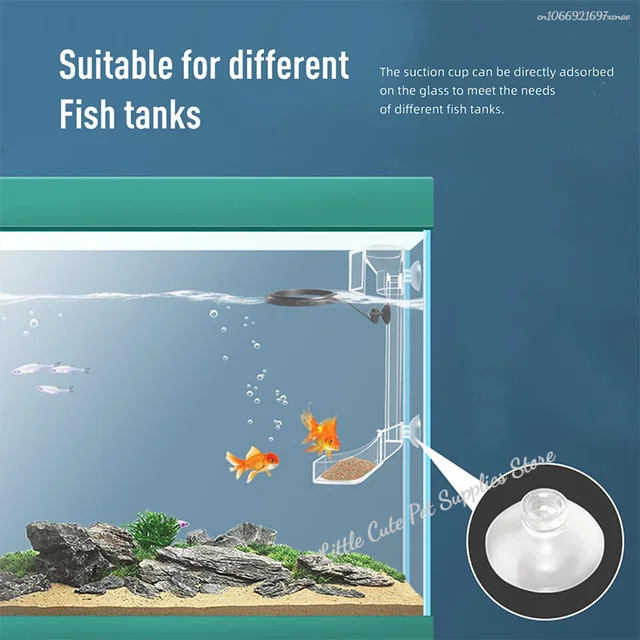
Credit: www.aliexpress.com
Benefits Of Fish Feeding Trays
Fish feeding trays help fish owners feed their small fish easily and cleanly. These trays keep food in one place. They make feeding more organized and less messy.
Using a feeding tray can improve the health of your fish and the water quality. It also helps control how much food your fish get every day.
Preventing Food Waste
Fish feeding trays stop food from spreading all over the tank. This prevents food from sinking to the bottom and rotting. It keeps the tank cleaner and fish healthier.
Trays make it easier to feed the right amount. Leftover food is less likely to pollute the water or attract unwanted pests.
Maintaining Water Quality
Feeding trays reduce the amount of food that falls into the water. This helps keep the water clear and clean. Clean water means fish stay healthy and active.
Less waste in the water lowers the chance of bad smells and algae growth. A feeding tray helps keep the tank environment stable.
Controlling Feeding Portions
Feeding trays help measure the right amount of food for small fish. This stops overfeeding, which can harm fish and water quality. It also saves money on fish food.
- Easy to add the right food amount
- Prevents fish from eating too much
- Helps keep fish healthy and active
Types Of Feeding Trays
Feeding trays help small fish eat in a clean and controlled way. They keep food in one spot, making feeding easier and reducing waste. There are several types of feeding trays designed for different needs and tank setups.
Choosing the right feeding tray can improve feeding time and keep your aquarium tidy. Below are common types you can use for small fish.
Floating Feeding Trays
Floating feeding trays stay on the water surface. They are easy to see and help prevent food from sinking. These trays move gently with the water, making food accessible for surface feeders.
Suction Cup Feeding Trays
Suction cup feeding trays attach to the aquarium glass. They stay in place and prevent food from spreading all over the tank. These trays are good for bottom feeders and keep food off the gravel or sand.
Magnetic Feeding Trays
Magnetic feeding trays use magnets to stick together through the aquarium glass. One part goes inside the tank, and the other stays outside. These trays hold food securely and are easy to remove for cleaning.
- Easy to attach and remove
- Good for tanks with thick glass
- Help keep feeding area clean
- Can be used at different tank heights
Diy Feeding Tray Ideas
Making your own feeding tray can save money and fit your tank perfectly. You can use simple materials like plastic lids, mesh, or small containers. DIY trays can be customized for size and shape.
| Material | Use | Notes |
|---|---|---|
| Plastic Lid | Floating Tray | Lightweight and easy to clean |
| Mesh Screen | Bottom Tray | Allows water flow, traps food |
| Small Container | Stationary Tray | Can be fixed with suction cups |
| Foam Piece | Floating Tray | Buoyant and soft for fish |
Choosing The Right Tray For Small Fish
Feeding trays help keep your aquarium clean and food in one place. Choosing the right tray is key for small fish health.
This guide explains how to pick the best tray based on size, material, and aquarium setup.
Size Considerations
Pick a tray size that fits your fish tank and the number of small fish. Too big trays waste food. Too small trays cause crowding.
- Choose a tray that fits comfortably inside your aquarium
- Ensure the tray is large enough for all fish to reach food
- Avoid trays that block swimming space
Material Options
Tray materials affect durability and safety. Common materials include plastic, silicone, and ceramic.
| Material | Advantages | Disadvantages |
| Plastic | Lightweight, affordable | Can scratch, less durable |
| Silicone | Flexible, easy to clean | May attract algae |
| Ceramic | Durable, natural look | Heavy, can break |
Compatibility With Aquarium Setup
Your tray must suit your tank’s design and filter system. Some trays attach to walls or sit on the floor.
Consider these points:
- Check if tray fits without blocking filters or decorations
- Choose trays that do not float or tip easily
- Look for designs that allow easy cleaning

Credit: neurocirugiachile.org
Setting Up Feeding Trays
Feeding trays help keep fish food in one place. They make feeding small fish easier and less messy.
Setting up trays correctly is important. It ensures your fish can eat safely and comfortably.
Placement Tips
Put the feeding tray where fish can reach it easily. Avoid places with strong water currents.
Place the tray near hiding spots. This makes shy fish feel safe while eating.
- Choose a calm area in the tank
- Keep the tray away from filters
- Place it near plants or decorations
Securing The Tray
Make sure the tray stays stable in the tank. A moving tray can scare fish or spill food.
Use suction cups or weights to hold the tray in place. Check it often to keep it secure.
- Attach suction cups to the tray bottom
- Add small stones or weights inside the tray
- Check stability before feeding time
Preparing Food For Trays
Use small amounts of food to avoid waste. Cut flakes or pellets into smaller pieces if needed.
Mix dry food with water to make it softer. This helps small fish eat easier from the tray.
- Break large pellets into smaller bits
- Soak dry food briefly before feeding
- Feed only what fish can eat quickly
Feeding Techniques Using Trays
Fish feeding trays are useful tools for feeding small fish. They help to maintain a clean tank and ensure that fish get the right amount of food.
These trays can simplify feeding by keeping food in one place. This makes it easier to monitor how much food is consumed.
Scheduled Feeding
Setting a feeding schedule helps fish know when to expect food. This routine reduces stress for the fish.
Feed your fish at the same time each day. Use the tray to measure and distribute food consistently.
Portion Control Strategies
Controlling portions is important to prevent overfeeding. Overfeeding can harm fish and pollute the tank.
Use the tray to measure exact portions. This ensures each fish gets what it needs without excess food.
- Measure food before adding to the tray
- Adjust portions based on fish size
- Remove uneaten food to keep the tank clean
Monitoring Fish Behavior
Watching how fish behave during feeding can show their health. Use the tray to observe how each fish eats.
If a fish is not eating, it may be sick. The tray makes it easy to see which fish are not eating well.
| Healthy Behavior | Signs of Concern |
| Active eating | Refusal to eat |
| Competing for food | Hiding during feeding |
Cleaning And Maintenance
Fish feeding trays for small fish need regular cleaning. Dirt and leftover food can harm fish health.
Proper maintenance keeps trays safe and extends their life. Clean trays also help keep water clear.
Frequency Of Cleaning
Clean feeding trays often to avoid waste buildup. Daily cleaning is best for active feeders. At least clean trays twice a week if feeding is less frequent.
- Remove leftover food after each feeding
- Rinse trays with clean water daily
- Deep clean with soap once or twice a week
- Check trays for cracks or damage during cleaning
Safe Cleaning Methods
Use gentle cleaning methods to protect your fish. Avoid harsh chemicals that can leave harmful residues.
| Cleaning Step | Recommended Method |
| Rinsing | Use warm water only |
| Scrubbing | Soft brush or sponge |
| Disinfecting | Mild vinegar solution (1:10 ratio with water) |
| Drying | Air dry completely before reuse |
Preventing Algae Buildup
Algae can grow quickly on trays in water. Keep algae under control to protect fish health.
- Place trays where they get some shade
- Clean trays regularly to remove algae spots
- Limit light exposure in the fish tank
- Use algae-eating fish or snails if possible
Common Challenges And Solutions
Fish feeding trays are useful for small fish. They help organize feeding and reduce food waste. But, they come with some challenges.
Understanding these challenges helps improve the feeding process. Let’s explore common issues and their solutions.
Tray Displacement
Trays can move around in the tank. This may happen due to water currents or active fish. Moving trays scatter food.
To solve this, secure the tray to the tank bottom. Use suction cups or weights. This keeps the tray in place.
Uneaten Food Issues
Sometimes, food remains uneaten in the tray. This can cause water pollution. It can harm fish health.
To reduce waste, feed small amounts. Adjust the quantity based on what the fish eat. Remove leftover food after feeding.
- Feed small portions
- Observe fish eating habits
- Remove uneaten food promptly
Fish Avoiding The Tray
Some fish may avoid the feeding tray. This can happen if they are not used to it. New objects can scare them.
Encourage fish by placing familiar food in the tray. Gradually, they will associate the tray with feeding. Patience is key.
- Introduce the tray slowly
- Use familiar food
- Be patient with the process
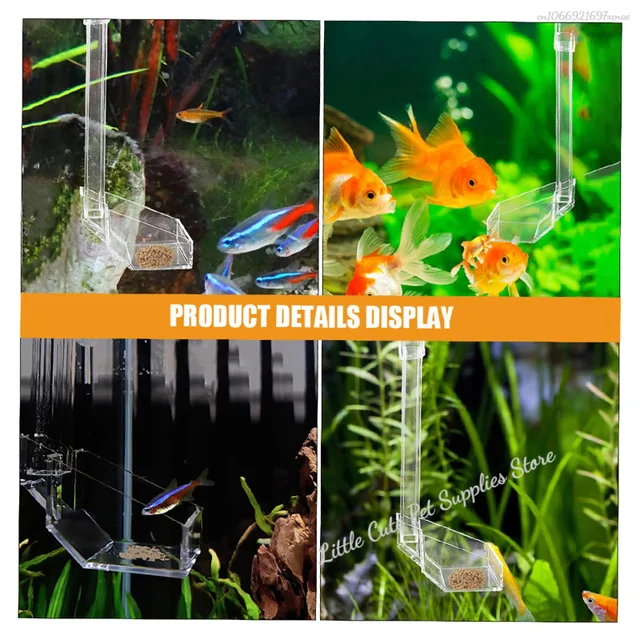
Credit: www.aliexpress.com
Enhancing Feeding Experience
Fish feeding trays help make feeding small fish easier and cleaner. They keep food in one place so it does not spread all over the tank.
Using feeding trays can reduce waste and improve fish health. They also make feeding time more fun and organized.
Using Feeding Trays For Treats
Feeding trays are great for offering special treats to small fish. You can place different foods on the tray without mixing them in the tank water.
Treats stay clean and easy to find on the tray. This helps fish enjoy their snacks and reduces leftover food in the tank.
- Use feeding trays for flakes, pellets, or freeze-dried foods
- Keep treats separate from daily food
- Clean trays after each feeding to avoid mold
Incorporating Feeding Trays In Training
Feeding trays help train small fish to come to a specific spot during feeding time. This makes it easier to observe and care for them.
Using trays creates a routine. Fish learn to associate the tray with food and start feeding there quickly.
- Place the tray in the same spot each day
- Feed fish at regular times to build habits
- Use the tray to reward good behavior during training
Creating Feeding Zones
Feeding trays help make clear feeding zones in the tank. This keeps fish from fighting over food and reduces stress.
Zones also make it easier to clean the tank and monitor how much food fish eat each day.
- Use one tray per group of fish or per species
- Place trays in different areas to avoid crowding
- Keep feeding zones clean to maintain water quality
Frequently Asked Questions
What Are Fish Feeding Trays For Small Fish?
Fish feeding trays are small platforms designed to hold food for small fish. They help prevent food from spreading and polluting the water. These trays make feeding easier and keep the aquarium clean. They are ideal for controlled feeding and reducing waste.
How Do Feeding Trays Benefit Small Fish?
Feeding trays help control food portions, preventing overfeeding. They reduce food waste and water contamination. Small fish can easily access food on trays. Trays also encourage natural foraging behavior. This improves fish health and tank cleanliness.
What Materials Are Best For Fish Feeding Trays?
Feeding trays are commonly made from plastic, silicone, or ceramic. Plastic trays are lightweight and affordable. Silicone trays are flexible and easy to clean. Ceramic trays are durable and stable. Choose non-toxic materials safe for aquatic environments.
Can Feeding Trays Prevent Overfeeding In Aquariums?
Yes, feeding trays limit the amount of food given at once. They help monitor fish food intake effectively. This reduces the risk of overfeeding and water pollution. Controlled feeding improves fish health and tank maintenance.
Conclusion
Fish feeding trays help keep small fish safe during feeding. They reduce food waste and keep the tank clean. These trays make feeding easier and more controlled. Small fish get the right amount of food without stress. Using a feeding tray supports fish health and tank hygiene.
It’s a simple tool that improves daily care. Try adding a feeding tray to your aquarium setup. Watch your small fish thrive with proper feeding habits. Feeding trays bring calm and order to fish feeding time.