
Feeding your fish should be simple, safe, and stress-free—for both you and your aquatic pets. But handling fish food can sometimes get messy, tricky, or even risky if you’re not using the right tools.
What if you could make every feeding session easier and more enjoyable? You’ll discover the best fish feeding tools designed to give you full control, reduce waste, and keep your fish healthy. Ready to transform the way you feed your fish?
Keep reading to find out how.
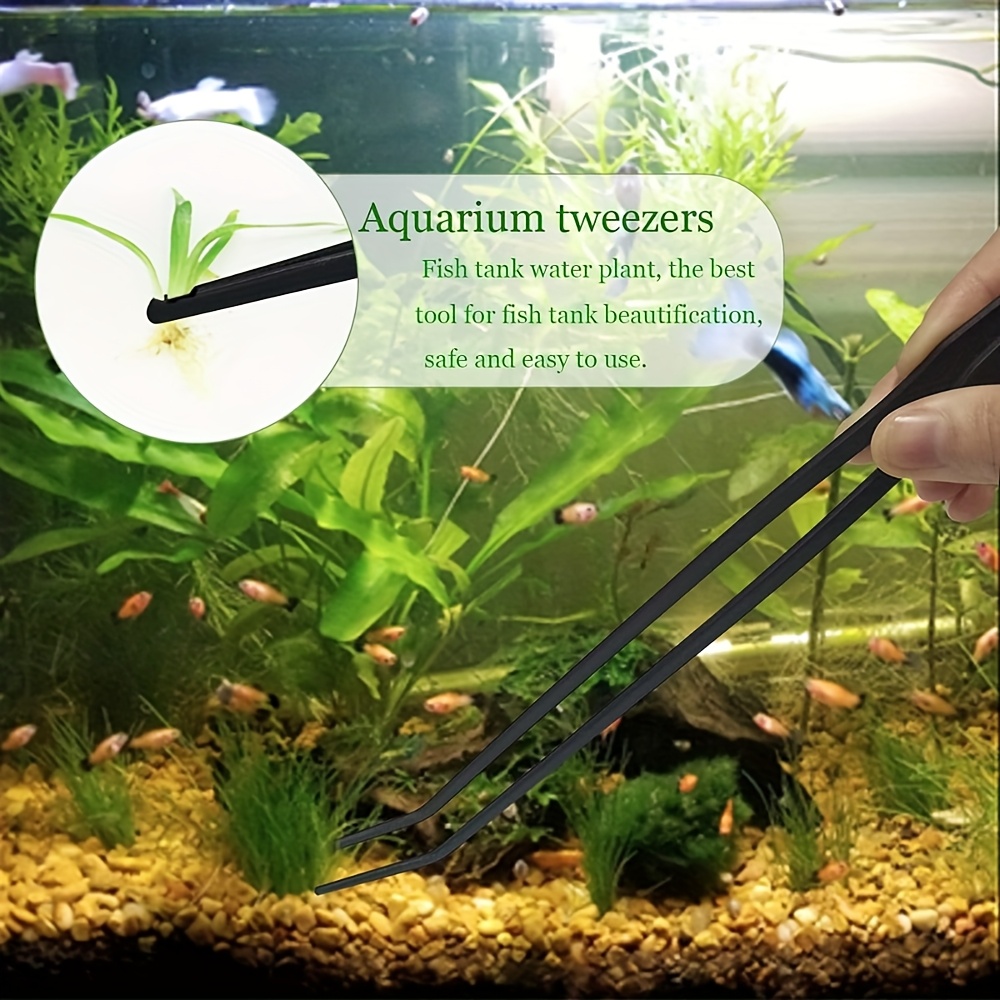
Credit: www.temu.com
Types Of Fish Feeding Tools
Fish feeding tools help make feeding easier and more precise. Different tools fit different needs and fish types.
Choosing the right tool can save time and reduce waste. It also helps keep fish healthy and active.
Handheld Feeders
Handheld feeders let you feed fish directly by hand. They give you control over the amount of food.
These feeders are easy to use for small tanks and ponds. They help avoid overfeeding and keep water clean.
Automatic Feeders
Automatic feeders release food at set times. They are helpful for busy fish owners or those who travel often.
Many models allow you to adjust feeding frequency and portion size. This keeps fish fed even when you are away.
Feeding Rings
Feeding rings float on the water surface. They keep food in one place and prevent it from spreading too much.
These rings make feeding easier and reduce waste. They work well in ponds and large tanks with surface feeders.
Syringe Feeders
Syringe feeders deliver liquid or paste food directly to fish. They are useful for feeding sick or young fish.
This tool allows precise feeding in small amounts. It helps ensure each fish gets enough nutrition.

Credit: www.amazon.ca
Choosing The Right Feeder
Choosing the right feeder is key for feeding fish easily and safely. The feeder should fit your tank and fish needs.
Different feeders suit different situations. Consider tank size, fish species, feeding habits, and budget before buying.
Tank Size Considerations
Tank size affects feeder choice. Small tanks need compact feeders. Large tanks may require feeders with more capacity.
- Small tanks: use small, simple feeders
- Medium tanks: choose feeders with adjustable portions
- Large tanks: pick feeders with large storage and timers
Fish Species Needs
Different fish eat different foods. Some like flakes, others prefer pellets or live food. The feeder must match their diet.
| Fish Type | Food Type | Feeder Type |
| Goldfish | Flakes | Standard automatic feeder |
| Cichlids | Pellets | Portion control feeder |
| Betta | Live or frozen food | Manual feeding preferred |
Feeding Frequency
How often you feed your fish changes feeder needs. Some feeders hold food for many days. Others work for daily feeding.
- Once a day: simple automatic feeders work well
- Twice a day: choose feeders with multiple meals settings
- Less often: large capacity feeders or manual feeding
Budget Factors
Feeder prices vary. Set your budget before picking a feeder. Cheaper feeders may have fewer features.
| Price Range | Features |
| Low ($10-$20) | Basic, manual or simple automatic |
| Medium ($21-$50) | Timed feeding, portion control |
| High ($51+) | Multiple meals, app control, large capacity |
Benefits Of Using Feeding Tools
Feeding tools make it easier to feed fish properly. They help control how much food the fish get every time.
Using these tools can improve the health of your fish and keep their environment clean. They also save time and reduce stress for the fish.
Precise Portion Control
Feeding tools help give the right amount of food to your fish. This avoids overfeeding or underfeeding. Precise portions keep fish healthy and prevent food waste.
Reduced Water Contamination
Too much food can pollute the water. Feeding tools stop this by giving only what the fish can eat. Clean water means healthier fish and less work cleaning tanks.
Stress Reduction For Fish
Fish feel calmer with feeding tools. The tools deliver food gently and quickly. This lowers stress and helps fish grow better.
Time-saving Advantages
- Feed multiple tanks faster with one tool
- Set exact amounts to avoid repeat feeding
- Reduce cleaning time by preventing leftover food
How To Use Feeding Tools Effectively
Feeding fish properly is key to their health and growth. Using the right tools helps make feeding easier and more efficient. This guide explains how to use common fish feeding tools in simple steps.
Learn how to set up automatic feeders, use manual techniques, keep tools clean, and watch your fish for signs of good feeding habits.
Setting Up Automatic Feeders
Automatic feeders save time and give fish food at set times. Place the feeder where fish can easily reach the food. Check the feeder daily to make sure it works well and does not clog.
- Fill the feeder with the right amount of food
- Set feeding times based on your fish species
- Place the feeder away from strong water currents
- Test the feeder to ensure it releases food properly
- Refill and clean the feeder regularly
Manual Feeding Techniques
Manual feeding helps you watch your fish closely. Feed small amounts several times a day. Spread the food evenly to avoid crowding and waste.
- Measure the correct food amount before feeding
- Feed fish at the same times daily
- Use tools like feeding rings or scoops for control
- Observe fish eating to spot any problems
- Remove leftover food to keep water clean
Cleaning And Maintenance Tips
Clean feeding tools often to avoid bacteria and mold. Dry tools completely before storing. Check parts for damage or wear to keep them working well.
| Tool | Cleaning Frequency | Method |
| Automatic Feeder | Weekly | Wipe and rinse with water |
| Feeding Rings | After each use | Wash with mild soap and water |
| Feeding Scoops | Weekly | Rinse and dry fully |
| Food Storage Containers | Monthly | Clean with warm water and dry |
Monitoring Fish Behavior
Watch fish closely during feeding. Healthy fish eat actively and show interest in food. If fish stop eating or act weak, check water and feeding tools.
- Fish gather quickly at feeding spots
- Fish eat all the food within minutes
- No signs of stress or aggression during feeding
Common Mistakes To Avoid
Using fish feeding tools makes handling food easier. Yet, mistakes can harm your fish and tools.
Learn common errors to keep your fish healthy and your tools effective.
Overfeeding Risks
Overfeeding causes water pollution and fish health problems. Avoid giving too much food at once.
- Feed small amounts several times daily.
- Remove uneaten food after feeding.
- Watch fish behavior to adjust food amount.
Ignoring Feeder Calibration
Wrong feeder settings lead to underfeeding or waste. Calibrate your feeding tool often for accuracy.
| Calibration Tip | Details |
|---|---|
| Check feeder output | Measure how much food is dispensed per use |
| Adjust settings | Set tool to release correct food amount |
| Test regularly | Ensure consistent feeding amounts |
Neglecting Tool Hygiene
Dirty feeders spread bacteria and mold. Clean your tools after each use to keep fish safe.
- Rinse tools with fresh water.
- Use mild soap if needed.
- Dry completely before storage.
- Inspect for damage or buildup.
Inappropriate Food Types
Not all foods suit your fish species or feeding tools. Choose the right food size and type.
| Food Type | Suitable For | Feeder Compatibility |
|---|---|---|
| Pellets | Most fish species | Good for automatic feeders |
| Flakes | Surface feeders | Not ideal for mechanical feeders |
| Frozen food | Coldwater fish | Manual feeding only |
| Live food | Predatory fish | Use hand feeding tools |
Innovations In Fish Feeding Technology
Fish feeding technology has advanced greatly. Innovations make feeding fish easier and more efficient.
These new tools save time and help keep fish healthy. Let’s explore some of the latest advancements.
Smart Feeders With Apps
Smart feeders connect to your phone. They let you control feeding times and amounts from anywhere.
- Download the feeder app on your smartphone.
- Set feeding schedule through the app.
- Receive alerts when the feeder is low on food.
Solar-powered Devices
Solar-powered feeders use sunlight to work. They are eco-friendly and save energy costs.
Solar panels charge during the day, powering the feeder for nighttime use.
Customizable Feeding Schedules
Customizable schedules allow you to set feeding times that suit your fish’s needs. Adjustments are easy to make.
| Time | Amount |
| 8:00 AM | 10 grams |
| 12:00 PM | 15 grams |
| 6:00 PM | 10 grams |
Diy Fish Feeding Tools
Feeding fish can be simple with homemade tools. You can create feeders using items around the house.
DIY feeding tools save money and offer convenience. They are easy to make with basic materials.
Simple Homemade Feeders
Making a fish feeder at home is easy. You can use simple materials like plastic bottles.
Cut a small hole in a bottle to let food through. This allows fish to feed slowly.
- Use a clean bottle to avoid harming fish
- Ensure the hole is the right size for food
- Place the bottle where fish gather
Repurposing Household Items
Old items can become useful fish feeders. Egg cartons and ice cube trays are good options.
Simply place the food in the compartments. This keeps the food organized and easy to reach.
- Use non-toxic materials
- Check for sharp edges
- Rinse items before use
Safety Tips For Diy Tools
Safety is important when making fish feeders. Always choose safe materials for your DIY projects.
Avoid materials that can harm fish. Check that feeders do not have sharp parts.
- Use food-safe plastics
- Ensure feeders do not float away
- Regularly clean homemade feeders
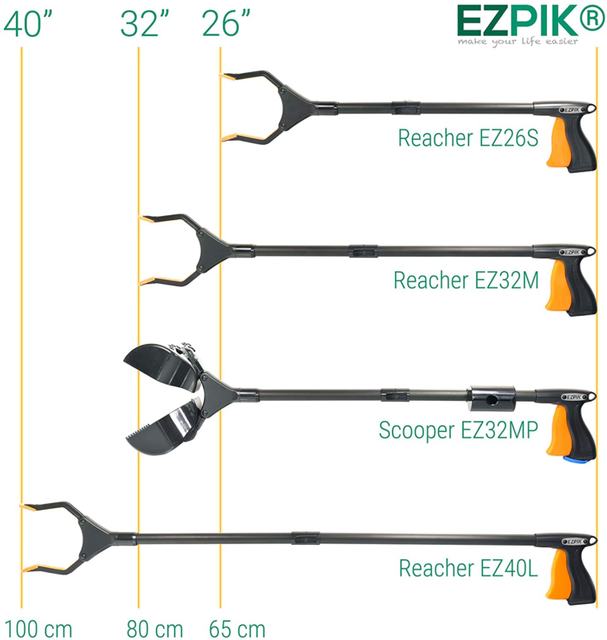
Credit: infrakraft.com
Frequently Asked Questions
What Are The Best Fish Feeding Tools For Beginners?
Beginner-friendly fish feeding tools include automatic feeders and simple scoopers. They ensure precise feeding and reduce waste. These tools help maintain consistent feeding schedules and prevent overfeeding. Beginners benefit from easy handling and cleaning features in these tools.
How Do Automatic Fish Feeders Improve Feeding Routines?
Automatic fish feeders provide timed, consistent feeding without manual effort. They reduce the risk of overfeeding and maintain healthy fish diets. These tools are ideal for busy fish keepers and ensure food is dispensed evenly. They support better fish growth and tank cleanliness.
Can Fish Feeding Tools Prevent Overfeeding And Waste?
Yes, fish feeding tools like portion-controlled feeders help limit food quantity. They reduce uneaten food, preventing water pollution and tank issues. Proper feeding tools promote fish health by avoiding overfeeding-related diseases. Efficient tools save money on fish food over time.
Which Fish Feeding Tool Is Best For Large Aquariums?
For large aquariums, automatic feeders with large capacity are ideal. They handle frequent feedings and large food quantities effectively. These feeders often have adjustable settings for different fish species. Their durability and ease of use make them perfect for big tanks.
Conclusion
Using the right fish feeding tools makes the task much easier. You save time and reduce mess around the tank. These tools help feed fish accurately and gently. Choosing simple, effective tools improves your fish care routine. Remember, consistent feeding keeps fish healthy and happy.
Try different tools to find what fits best. Enjoy feeding time without stress or hassle. Simple tools bring big benefits for fish lovers everywhere.