
Are you tired of fish food scattering all over your pond or aquarium? Fish feeding rings for surface feeders might be the simple solution you’ve been looking for.
These handy tools keep food in one spot, making feeding time cleaner and easier for you. Plus, they help your fish get the right amount of food without waste. Keep reading to discover how fish feeding rings can improve your feeding routine and keep your aquatic friends happy and healthy.

Credit: www.amazon.ca
Benefits Of Fish Feeding Rings
Fish feeding rings help keep food in one place on the water surface. This makes feeding easier for surface feeders.
Using feeding rings has many benefits for pond or aquarium owners. They help maintain a clean and healthy environment.
Keeps Food Contained
Feeding rings stop fish food from spreading all over the water. This helps fish eat in one spot.
Food stays inside the ring instead of floating away. This reduces mess and food loss.
Reduces Waste
By keeping food contained, feeding rings cut down on leftover food. Fish eat more of the food given.
Less uneaten food means less waste. This saves money and keeps the pond cleaner.
Improves Water Quality
Waste food can pollute the water and harm fish. Feeding rings help stop this by limiting leftover food.
Better water quality helps fish stay healthy and active. It also reduces algae growth and foul smells.
Easy Monitoring Of Feeding
Feeding rings make it simple to watch how much fish eat. You can see if fish finish their food quickly.
This helps adjust feeding amounts to avoid overfeeding or underfeeding. It keeps fish well-fed and happy.
Choosing The Right Feeding Ring
Feeding rings help keep fish food in one place for surface feeders. They make feeding easier and reduce waste.
Picking the right feeding ring depends on several factors. These include the material, size, shape, buoyancy, and compatibility.
Material Options
Feeding rings come in different materials like plastic, foam, and rubber. Each material has its own benefits.
Plastic rings are durable and easy to clean. Foam rings float well and are gentle on fish. Rubber rings are flexible and less likely to damage plants.
- Plastic: Strong and long-lasting
- Foam: Lightweight and floats easily
- Rubber: Flexible and soft
Size And Shape Considerations
Choose a feeding ring size that fits your pond or aquarium. A ring too small may spill food outside. A large ring may take up too much space.
Shape matters too. Round rings are common and keep food contained well. Square or oval rings can fit different tank corners or edges.
- Small rings suit small tanks
- Large rings fit bigger ponds
- Round shape holds food best
- Oval or square fits corners
Buoyancy And Stability
Feeding rings must float on the water surface. Good buoyancy keeps the ring visible and food contained.
Stable rings do not tip or move with water flow. Stability helps prevent food from escaping and keeps fish feeding in one spot.
- Foam rings have high buoyancy
- Plastic rings may need extra floaters
- Wide base adds stability
- Heavier rings resist water movement
Compatibility With Pond Or Aquarium
Check if the feeding ring fits well in your pond or aquarium. Consider water size, plants, and fish behavior.
Some rings work better in small indoor tanks. Others suit outdoor ponds with waves or wind. Pick a ring that matches your environment.
- Small tanks need compact rings
- Outdoor ponds require stable, durable rings
- Choose non-toxic material safe for fish
- Consider rings that do not harm plants
Setting Up Feeding Rings
Feeding rings help keep food in one place for surface feeders. They make feeding easier and reduce waste.
Setting up feeding rings correctly ensures your fish find their food quickly. This guide covers key setup tips.
Placement Tips
Place feeding rings where fish like to feed near the water surface. Avoid areas with strong currents.
Choose a spot visible from outside the tank or pond. This helps you monitor feeding easily.
- Pick calm water zones
- Stay away from filters or pumps
- Keep feeding area away from plants or decorations
- Place near fish gathering spots
Securing The Ring
Make sure the feeding ring stays in place during feeding. Loose rings can float away and waste food.
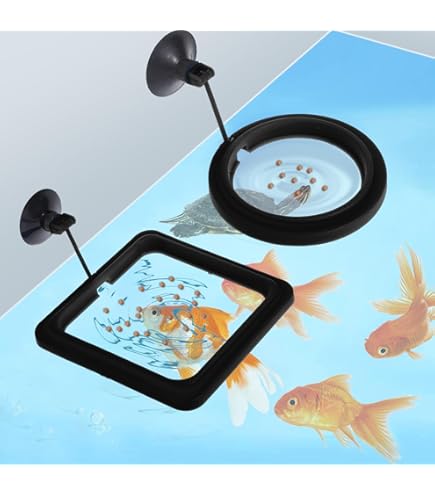
Use weights or anchors designed for feeding rings. Some rings come with suction cups for tanks.
- Attach suction cups on smooth surfaces
- Add small weights if needed
- Check ring stability before feeding
- Replace damaged parts quickly
Adjusting For Water Conditions
Water flow and temperature affect feeding ring use. Adjust placement and securing methods as needed.
In strong currents, use heavier anchors. In warmer water, feed smaller amounts more often.
- Test ring position in different water flows
- Use larger rings in cooler water
- Feed smaller portions in warm water to avoid waste
- Move ring if water conditions change
Feeding Techniques With Rings
Fish feeding rings help keep food in one spot on the water surface. This makes it easier to feed surface feeders like koi and goldfish. Feeding rings also reduce food waste and keep the pond cleaner.
Using feeding rings correctly improves fish health and pond hygiene. It also helps you control how much and how often you feed your fish. This guide explains the best feeding techniques with rings.
Best Feed Types
Choose feed that floats well inside the feeding ring. Floating pellets or flakes are good choices. They stay on the surface, making it easy for surface feeders to eat.
Feed with high protein helps fish grow strong and stay healthy. Avoid sinking foods as they can fall outside the feeding ring and waste food.
- Floating pellets
- Flake food
- Freeze-dried or live foods that float
- Avoid sinking pellets or heavy foods
Portion Control
Only feed the amount fish can eat in 5 minutes. Overfeeding causes water pollution and fish health problems. Use the feeding ring to measure the right portion.
Start with small amounts and add more if needed. Watch how fast fish eat and adjust portions each feeding. This keeps fish healthy and water clean.
- Feed small amounts first
- Observe fish eating speed
- Adjust portions to finish in 5 minutes
- Never leave uneaten food in the ring
Feeding Frequency
Feed fish 1-2 times a day in warm weather. Fish eat less in cold weather, so reduce feedings then. Consistent feeding times help fish learn and come to the ring.
Avoid feeding late in the day. Uneaten food can spoil overnight and harm water quality. Use the feeding ring to train fish to eat at set times.
- Feed 1-2 times daily during warm months
- Feed less in cold months
- Feed at the same times each day
- Avoid feeding late in the day
Encouraging Surface Feeders
Place the feeding ring where surface feeders swim often. This helps fish find food quickly. Use the ring regularly so fish get used to feeding there.
Start by dropping a few pieces of food near the ring. Gradually place food inside the ring. This trains fish to gather and feed inside the ring area.
- Put the ring in a calm, visible area
- Feed near the ring first, then inside it
- Feed at regular times to build habit
- Watch fish adapt to feeding inside the ring
Maintenance And Cleaning
Fish feeding rings help keep food in one spot for surface feeders. Keeping these rings clean helps fish stay healthy.
Regular care stops dirt and algae from building up. It also keeps the rings safe and long-lasting.
Routine Cleaning Methods
Clean feeding rings often to remove leftover food and dirt. Use warm water and a soft brush for best results.
Avoid harsh chemicals. These can harm fish or plants in the water.
- Remove the ring from the water
- Rinse with warm water
- Use a soft brush to scrub gently
- Rinse again before placing back
Preventing Algae Buildup
Algae can grow fast on feeding rings, making them slippery and dirty. Stop algae by cleaning often and limiting sunlight.
Placing rings in shaded areas helps reduce algae growth. You can also wipe algae off with a soft cloth regularly.
- Clean rings weekly to stop algae
- Keep rings away from direct sunlight
- Use natural scrubbing tools like soft cloths
- Remove algae as soon as it appears
Inspecting For Damage
Check feeding rings for cracks or breaks often. Damaged rings can hurt fish or let food escape.
Look for loose parts or worn areas. Replace or fix rings that show signs of damage to keep fish safe.
- Look for cracks or sharp edges
- Check for broken or loose parts
- Replace damaged rings quickly
- Keep spare rings on hand
Credit: www.amazon.com
Troubleshooting Common Issues
Fish feeding rings are useful for surface feeders. They help keep food in one place. Sometimes, problems occur that need fixing.
This guide addresses common issues. It will help ensure your fish get their meals without fuss.
Rings Sinking Or Moving
If your feeding ring sinks or drifts, it can cause trouble. This might scare your fish or make the food scatter.
- Check if the ring is weighted correctly.
- Ensure it is not too large or small for your tank.
- Adjust placement to avoid strong currents.
Uneaten Food Accumulation
Food gathering at the bottom can harm water quality. It may also lead to algae growth or clog filters.
| Problem | Solution |
| Excess food | Reduce feeding amount |
| Fish not eating | Check if food is fresh |
| Ring placement | Adjust ring to calmer area |
Fish Not Using The Ring
If fish avoid the ring, they might miss out on food. This can be due to stress or unfamiliarity with the ring.
Introduce the ring gradually. Allow fish time to adapt. Use treats to entice them to the ring.

Credit: www.amazon.ca
Frequently Asked Questions
What Are Fish Feeding Rings For Surface Feeders?
Fish feeding rings are floating devices that keep food contained on the water surface. They prevent food from scattering and sinking. This helps surface-feeding fish find and eat food easily. Feeding rings improve feeding efficiency and reduce water pollution in ponds or tanks.
How Do Feeding Rings Benefit Surface-feeding Fish?
Feeding rings concentrate food in one area, making it easier for surface feeders to access. They reduce food waste and prevent other fish from stealing food. This ensures all surface feeders get adequate nutrition, promoting healthier growth and less stress in the fish.
Can Feeding Rings Reduce Water Pollution?
Yes, feeding rings help reduce water pollution by containing food. They prevent excess food from sinking and decomposing on the bottom. This reduces harmful ammonia and nitrate buildup. Cleaner water improves fish health and lowers maintenance needs for aquariums or ponds.
Are Fish Feeding Rings Easy To Use And Maintain?
Feeding rings are simple to use and require minimal maintenance. Just place the ring on the water surface and add food inside. Clean the ring regularly to remove algae or debris. They are durable and suitable for both indoor and outdoor use.
Conclusion
Fish feeding rings help keep food on the water’s surface. They make feeding easier for surface feeders like bettas and gouramis. These rings reduce wasted food and keep the tank cleaner. They also help you control how much your fish eat.
Using feeding rings can improve your fish’s health and tank environment. Small changes like these make fish care simple and better. Try a feeding ring to see the difference it brings to your aquarium. Easy, effective, and helpful for both you and your fish.