
If you want a healthy and clear aquarium, choosing the right filter media is key. But with so many options out there, how do you know which one suits your tank best?
Understanding the different filter media types can make a huge difference in keeping your water clean and your fish happy. You’ll discover the secrets behind each type and learn how to pick the perfect filter media for your aquarium. Ready to unlock the full potential of your tank’s filtration?
Let’s dive in!
Credit: www.chewy.com
Mechanical Filter Media
Mechanical filter media traps solid waste and particles from aquarium water. It helps keep the water clear and clean. This type of media is important in any filtration system.
There are several common types of mechanical filter media. Each has its own features and uses. Choosing the right one depends on your tank size and needs.
Foam Pads And Sponges
Foam pads and sponges are popular for trapping debris. They come in different thicknesses and pore sizes. These pads are easy to clean and reusable.
- Foam pads capture large and small particles.
- Sponges allow water to flow while filtering.
- Both can house beneficial bacteria for biological filtration.
Filter Floss
Filter floss is a soft, fibrous material. It removes very fine particles and suspended debris. It is often used as a final polishing step in filtration.
| Feature | Description |
| Texture | Soft and fibrous |
| Particle size | Fine particles |
| Use | Polishing filter stage |
| Maintenance | Replace regularly |
Polyester Pads
Polyester pads are durable and dense. They trap larger debris and particles. These pads are often used in canister and hang-on-back filters.
Benefits of polyester pads include:
- Good water flow through the media
- Easy to rinse and reuse
- Effective at removing visible waste
Biological Filter Media
Biological filter media helps keep aquarium water clean by growing good bacteria. These bacteria break down harmful waste in the water.
Choosing the right media helps create a healthy environment for fish and plants.
Ceramic Rings
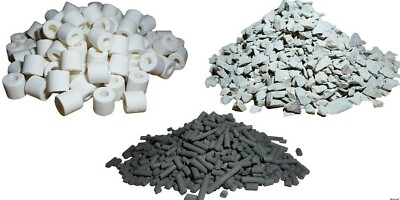
Ceramic rings are small tubes made from fired clay. They have many tiny holes that give bacteria space to grow.
They are durable and easy to clean without harming the bacteria inside.
Bio Balls
Bio balls are plastic balls with many slots and holes. Their surface area allows bacteria to grow well.
They are lightweight and float if not placed correctly in the filter.
Lava Rock
Lava rock is a natural volcanic stone with a rough and porous surface. It offers many spots for bacteria to attach.
This rock is heavy and stays in place inside the filter system.
Sintered Glass
Sintered glass is made by fusing glass particles at high heat. It creates tiny pores that support bacterial growth.
This media is highly effective and easy to clean without damaging bacteria.
Chemical Filter Media
Chemical filter media remove harmful substances from aquarium water. They help keep water clean and safe for fish.
This media works by absorbing or changing chemicals in the water. It improves water clarity and quality.
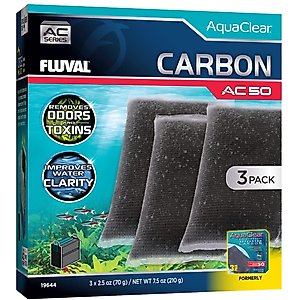
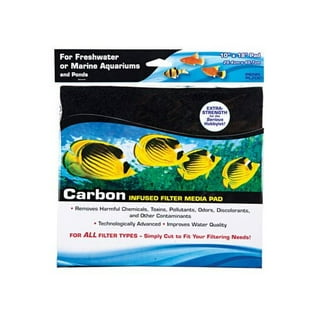
Activated Carbon
Activated carbon removes impurities by trapping them in its pores. It helps clear cloudy water and remove odors.
This media also absorbs harmful chemicals like chlorine and medications. It works best when replaced regularly.
Zeolite
Zeolite is a natural mineral that removes ammonia from aquarium water. Ammonia is toxic to fish.
It works well in freshwater tanks and helps keep fish healthy. Zeolite can be rinsed and reused.
Phosphate Removers
Phosphate removers reduce phosphate levels in aquarium water. High phosphate causes algae growth.
These media help control algae and keep the tank clean. They are useful in both freshwater and saltwater tanks.
Resins And Ion Exchange
Resins use ion exchange to remove unwanted ions from water. They can remove nitrates, phosphates, and heavy metals.
This media improves water quality by balancing chemicals. It needs regular replacement for best results.
Choosing The Right Media
Choosing the correct filter media is crucial for a healthy aquarium. It helps maintain water clarity and supports aquatic life.
Consider the needs of your tank and its inhabitants when selecting filter media. Let’s explore key factors to guide your choice.
Tank Size Considerations
The size of your aquarium impacts the type and amount of filter media required. Larger tanks need more robust filtration systems.
- Small tanks (up to 20 gallons): Use sponge or carbon filters.
- Medium tanks (20-50 gallons): Consider bio-media with activated carbon.
- Large tanks (over 50 gallons): Opt for canister filters with layered media.
Fish And Plant Compatibility
Different fish and plants have varied filtration needs. Understand the specific requirements of your aquatic life.
| Fish/Plant Type | Recommended Media |
| Tropical Fish | Bio-media and carbon |
| Live Plants | Bio-media only |
| Goldfish | Sponge and carbon |
Filter Type Compatibility
Ensure your filter media matches the type of filter you are using. Proper compatibility enhances filtration efficiency.
Maintaining Filter Media
Filter media helps keep aquarium water clean and safe for fish. Proper care of filter media improves its performance and extends its life.
Regular maintenance avoids problems like clogged filters or poor water quality. It is important to know how often to clean and when to replace filter media.
Cleaning Frequency
Cleaning filter media depends on the type of media and aquarium size. Some media need cleaning every few weeks, others less often.
Do not clean filter media too often. It can remove helpful bacteria that keep water healthy.
- Check filter media every 2 to 4 weeks.
- Rinse mechanical media like sponges in tank water.
- Do not clean biological media unless very dirty.
- Use water from the tank to keep beneficial bacteria alive.
Replacing Media
Filter media wears out over time and stops working well. Replace media based on its type and condition.
Some media last a few months, others can last a year or more. Always follow the manufacturer’s guidelines for replacement.
- Replace chemical media like carbon every 4-6 weeks.
- Replace mechanical media when it falls apart or looks dirty.
- Replace biological media only if damaged or very old.
- Keep some media in the filter to preserve bacteria during changes.
Avoiding Common Mistakes
Many beginners make mistakes that harm filter media and fish health. Avoid these errors to keep the aquarium clean and safe.
- Do not use tap water with chlorine to clean media.
- Avoid cleaning all filter media at once to keep bacteria alive.
- Do not over-replace media, as it can reduce water quality.
- Do not use harsh soaps or chemicals on filter media.
- Do not ignore regular checks for clogged or damaged media.
Credit: www.walmart.ca
Combining Media For Best Results
Filter media types work together to keep aquarium water clean. Combining them improves filtration efficiency.
Using different media layers helps remove particles, toxins, and improve water quality. Let’s explore some techniques and custom solutions.
Layering Techniques
Layering filter media means placing different types in a specific order. This helps in effective cleaning.
- Top layer: Mechanical media catches large particles.
- Middle layer: Biological media supports beneficial bacteria.
- Bottom layer: Chemical media removes toxins and odors.
Customizing For Specific Issues
Each aquarium has unique needs. Customizing filter media helps address specific problems effectively.
Consider the type of fish, plants, and water conditions. Adjust media types to fix issues like cloudiness or high ammonia levels.
| Problem | Suggested Media |
| Cloudy water | Extra mechanical media |
| High ammonia | More biological media |
| Bad odor | Activated carbon |
Troubleshooting Cloudy Water
Cloudy water in an aquarium can be frustrating. It often means something is wrong with the filter media.
Knowing the causes linked to filter media helps fix the problem fast. Clear water keeps fish healthy.
Causes Linked To Filter Media
Dirty or clogged filter media can stop water from cleaning properly. This causes cloudy water.
Using the wrong type of filter media can also lead to water problems. Some media trap debris poorly.
- Filter media buildup blocks water flow
- Old filter media loses its cleaning ability
- Improper media size lets dirt pass through
- New filter media may cause a temporary cloud
Corrective Actions
Clean or replace filter media regularly to keep water clear. Follow the manufacturer’s guide.
Use the correct filter media type for your aquarium size and fish load. This improves water quality.
- Rinse filter media with aquarium water, not tap water
- Replace old media every few months
- Choose filter media designed for your filter model
- Allow new media to settle before full use
Credit: www.ebay.co.uk
Frequently Asked Questions
What Are Common Filter Media Types For Aquariums?
Common aquarium filter media include mechanical sponges, biological bio-balls, ceramic rings, and chemical activated carbon. Each type serves to trap debris, promote beneficial bacteria, or remove toxins, ensuring clean and healthy water for fish and plants.
How Does Biological Filter Media Work In Aquariums?
Biological media provide surfaces for beneficial bacteria to grow. These bacteria break down harmful ammonia and nitrites into less toxic nitrates. This natural process is essential for maintaining a stable and safe aquatic environment.
Why Use Chemical Filter Media In Aquarium Filtration?
Chemical media like activated carbon remove dissolved pollutants, odors, and discoloration. They help keep water clear and odor-free by absorbing impurities, improving overall water quality and aquarium aesthetics.
When Should You Replace Aquarium Filter Media?
Replace mechanical media every 2-4 weeks to prevent clogging. Chemical media should be changed monthly, while biological media only needs replacement if damaged. Proper timing maintains filtration efficiency and a healthy aquarium ecosystem.
Conclusion
Choosing the right filter media keeps your aquarium water clean. Each type helps in a unique way. Mechanical media traps debris and dirt. Biological media supports helpful bacteria growth. Chemical media removes odors and toxins. Use a mix for best results.
Keep your fish healthy and happy. Change media regularly for clear water. A clean tank looks beautiful and feels fresh. Proper filtration makes fish care easier. Simple steps lead to a thriving aquarium.