
Are you noticing your filter isn’t working as well as it used to? Over time, filter media can get clogged or worn out, affecting how clean your air, water, or pool stays.
Knowing when and how to replace your filter media is key to keeping everything running smoothly. In this guide, you’ll discover simple steps to spot when it’s time for a change, choose the right replacement, and install it easily yourself.
Keep reading to save money, improve efficiency, and breathe or swim in cleaner, fresher surroundings.
Credit: www.lakeair.com
Types Of Filter Media
Filter media are materials used in filters to clean water or air. They help remove dirt, bacteria, and chemicals.
Different types of filter media work in unique ways. Knowing these types helps in choosing the right one.
Mechanical Media
Mechanical media trap and remove large particles from water or air. They act like a sieve to catch dirt and debris.
Common mechanical media include sponges, filter pads, and filter floss. These materials need regular cleaning or replacement.
- Sponges trap large debris and particles
- Filter pads catch smaller dirt pieces
- Filter floss removes fine particles
Biological Media
Biological media support beneficial bacteria growth. These bacteria break down harmful waste in water.
Materials like bio-balls, ceramic rings, and lava rock are common biological media. They have a large surface area for bacteria to grow.
- Bio-balls provide space for bacteria
- Ceramic rings are porous and durable
- Lava rock is natural and rough
Chemical Media
Chemical media remove dissolved impurities and odors from water. They use chemical reactions or adsorption.
Activated carbon is a popular chemical media. Other types include zeolite and ion exchange resins.
- Activated carbon absorbs chemicals and odors
- Zeolite removes ammonia and toxins
- Ion exchange resins soften water
Signs To Replace Filter Media
Filter media helps keep water clean by trapping dirt and particles. Over time, it gets clogged and less effective.
Knowing when to replace filter media can save your equipment and improve water quality.
Reduced Water Flow
One clear sign to change filter media is slow water flow. Clogged media blocks water from passing through easily.
If your pump works harder but water moves slower, the filter media may be dirty or worn out.
Unpleasant Odors
Bad smells coming from water or the filter area mean bacteria or mold may grow inside the media.
Replacing the filter media stops odors and keeps water fresh and safe.
Visible Debris
Seeing dirt, leaves, or particles in your water shows the filter media is not working well anymore.
Old or damaged media lets debris pass through instead of trapping it.
Water Quality Changes
Water may look cloudy or feel different when filter media is old. Chemicals and particles build up inside.
Testing water quality can show if the media needs replacement to restore clean water.
How Often To Change Filter Media
Filter media helps keep water or air clean by trapping dirt and particles. Changing it regularly keeps the system working well.
The time to change filter media depends on several factors. These include the type of filter, how often you use it, and the environment around it.
Manufacturer Recommendations
Manufacturers give guidelines on when to replace filter media. They base these on tests and product design. Following these helps keep your filter effective.
Check the user manual or packaging for replacement intervals. Some filters need changing every month, others last longer.
- Read the product label for specific timing
- Use recommended filter types only
- Follow instructions to avoid damage
Usage Frequency
How often you use the filter affects how fast it clogs. Filters in constant use need more frequent changes than those used less.
Heavy use means more dirt and particles get trapped. This shortens the filter media’s life and lowers its efficiency.
- Daily use: change filter media every 2-4 weeks
- Moderate use: replace every 1-3 months
- Light use: check and change every 3-6 months
Environmental Factors
The environment around the filter affects how fast the media wears out. Dusty, polluted, or humid places make filters clog faster.
Outdoor filters or those near construction need more frequent replacement. Clean indoor areas allow longer filter life.
- Dusty areas: change media every 1-2 months
- Polluted air: replace every 1-3 months
- Clean environments: check every 3-6 months
Credit: www.homedepot.com
Step-by-step Replacement Process
Replacing filter media is important for clean and efficient filtering. This guide helps you change the media safely and correctly.
Follow each step carefully to keep your system working well and avoid damage or injury.
Preparation And Safety
Before starting, turn off the filter system and unplug it. This stops accidents and water leaks.
Wear gloves and safety glasses to protect your hands and eyes from debris or chemicals.
- Turn off and unplug the filter
- Wear protective gloves
- Use safety glasses
- Have a towel or bucket ready
Removing Old Media
Open the filter housing carefully. Remove the old filter media and place it in a trash bag.
Dispose of the used media according to local rules. Avoid spilling dirty water or debris.
- Open the filter housing
- Take out old filter media
- Place media in trash bag
- Dispose properly
Cleaning The Filter Housing
Check the filter housing for dirt or buildup. Clean it with fresh water and a soft cloth or brush.
Do not use harsh chemicals. Make sure the housing is dry before adding new media.
- Inspect housing for dirt
- Rinse with fresh water
- Use soft cloth or brush
- Dry the housing completely
Installing New Media
Place the new filter media into the housing. Follow the manufacturer’s instructions for correct placement.
Close the housing tightly. Turn on the filter system and check for leaks or unusual sounds.
- Insert new filter media properly
- Securely close the housing
- Turn on the filter system
- Check for leaks or noises
Tips For Maintaining Filter Efficiency
Keeping your filter media clean and well-maintained helps it work better. Proper care extends its life and keeps your system running smoothly.
This guide shares simple tips to keep your filter media efficient. Follow these steps to save time and money.
Regular Cleaning Schedule
Clean your filter media on a regular basis. Dirt and debris reduce its ability to catch particles. Set a schedule based on your system’s usage and environment.
Check the filter often and clean it before it gets too clogged. This keeps air or water flowing freely through the media.
- Inspect filters every two weeks in dusty areas
- Clean filters monthly in less dirty places
- Use gentle washing or vacuuming to avoid damage
Avoiding Overloading
Do not let your filter media handle too much dirt at once. Overloading blocks the filter and lowers its efficiency. Replace or clean filters before they become overloaded.
Keep the system’s flow rate within recommended limits. Too much flow pushes dirt through the filter without cleaning it well.
- Change filters before they appear clogged
- Monitor system pressure for signs of blockage
- Maintain proper flow rates as per manufacturer advice
Using Quality Replacement Media
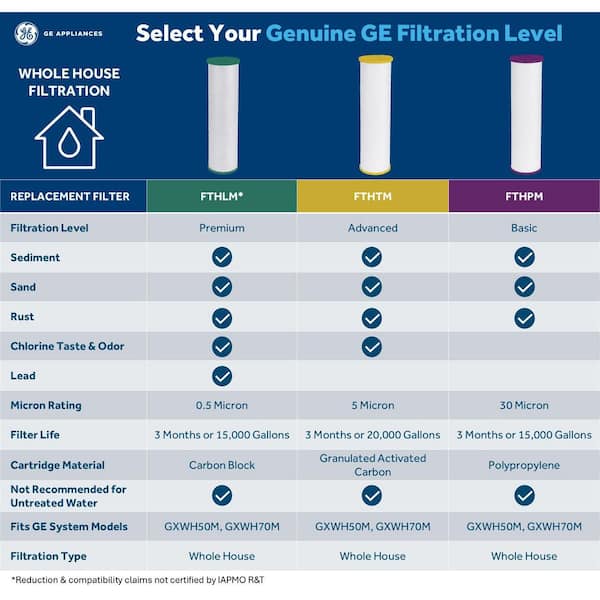
Choose high-quality replacement filter media. Good media traps more dirt and lasts longer. Avoid cheap or generic options that wear out quickly.
Use media designed for your specific filter system. This ensures proper fit and function, keeping your system efficient.
- Select replacement media from trusted brands
- Match the media type to your system model
- Check product reviews and specifications before buying
Common Mistakes To Avoid
Replacing filter media is essential for keeping systems running well. Simple errors can lead to bigger problems if not addressed.
Learn how to avoid these common mistakes to keep your filters working properly.
Neglecting Timely Replacement
Filters must be replaced on schedule to function effectively. Delays can result in poor performance and damage to the system.
- Check the manufacturer’s guidelines for replacement frequency.
- Set reminders to keep track of replacement dates.
- Observe changes in system performance as a sign for replacement.
Mixing Different Media Types
Mixing media types can lead to reduced effectiveness. Each type is designed for specific functions and should be used accordingly.
For best results, stick to the same type or consult an expert before mixing.
Improper Installation
Correct installation is crucial for filter performance. Improper fitting can cause leaks and reduce efficiency.
| Step | Action |
| 1 | Read the installation manual thoroughly. |
| 2 | Ensure all parts are properly aligned. |
| 3 | Secure all connections tightly. |
Benefits Of Timely Media Replacement
Replacing filter media on time is very important. It helps your filtration system work better.
Timely replacement also extends the life of your filters. It keeps the environment healthier.
Improved Filtration Performance
Changing filter media on time makes the filter work better. It removes more dirt and particles.
Clean filters help keep the air and water clean. This is good for everyone’s health.
- Better air quality
- Cleaner water
- Removes more dust and allergens
Extended Filter Life
Timely replacement helps filters last longer. This means fewer replacements are needed.
Filters that last longer save money. You will buy fewer filters over time.
- Less frequent replacements
- Cost savings over time
- Reduced waste
Healthier Environment
Regular media replacement creates a healthier space. It reduces germs and allergens in the air.
This leads to fewer health problems. People feel better in a clean environment.
- Less exposure to allergens
- Fewer respiratory issues
- Improved overall well-being
Credit: www.lakeair.com
Frequently Asked Questions
How Often Should I Replace Filter Media?
Filter media replacement depends on usage and water quality. Generally, replace every 3 to 6 months to maintain efficiency. Check the manufacturer’s guidelines for specific recommendations. Regular replacement ensures clean water and prevents clogging or reduced filtration performance.
What Are The Signs Filter Media Needs Replacement?
Signs include reduced water flow, cloudy water, and unpleasant odors. If the filter media looks dirty or breaks apart, it needs replacement. Regularly inspect your filter to maintain optimal filtration and water clarity.
Can I Reuse Filter Media After Cleaning?
Some filter media can be rinsed gently to remove debris. However, most media lose effectiveness after cleaning and should be replaced. Always follow manufacturer instructions to avoid damaging the filter’s performance.
Which Filter Media Type Suits My Aquarium Best?
Choose filter media based on your aquarium’s size and bioload. Mechanical media traps debris, biological media supports beneficial bacteria, and chemical media removes toxins. Combining these types ensures balanced filtration and a healthy environment.
Conclusion
Regular filter media replacement keeps your system working well. Clean filters improve air and water quality every day. Changing filters on time saves money and avoids damage. Follow the guide’s steps for a smooth replacement process. Simple care helps your equipment last longer and run better.
Stay on top of filter maintenance to enjoy fresh, clean results. Small efforts now prevent bigger problems later. Keep your environment safe and healthy with fresh filter media.